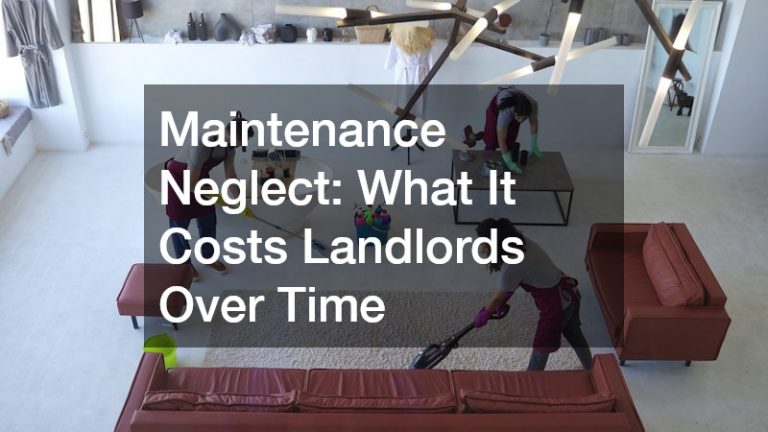
Every rental property owner faces a choice: invest in ongoing upkeep or wait until something breaks. That decision, repeated over months and years, quietly shapes the profitability of an investment property far more than most landlords realize. Small, ignored problems compound into expensive emergencies, unhappy tenants, and properties that lose value instead of gaining it. Understanding exactly where neglected maintenance drains money can help any property owner make smarter choices before the damage is done.
Why Small Problems Turn Into Big Bills
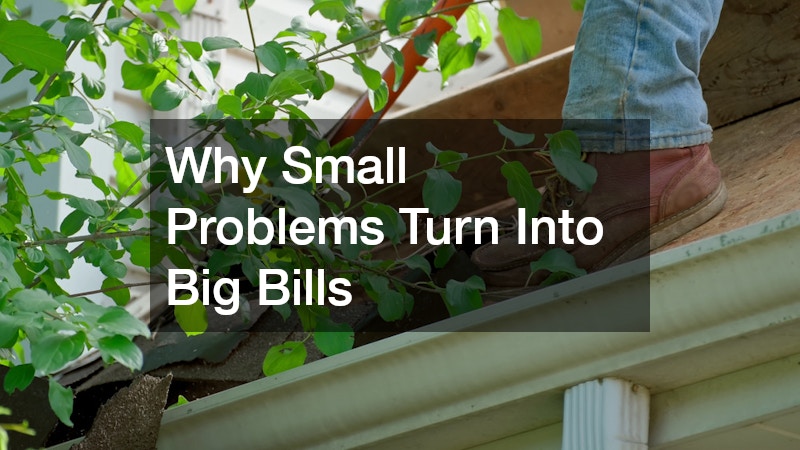
A leaking pipe, a squeaky garage door, or a cracked patio slab might seem minor at first glance, but these small issues rarely stay small. Left unattended, they tend to worsen with weather exposure, daily use, and time, eventually requiring far more extensive repairs than if they had been addressed early. Landlords who skip routine inspections often don’t notice a problem until a tenant complains, by which point the damage has already spread.
The financial gap between a quick fix and a full replacement can be staggering. A landlord who defers a simple sealant job on a roof, for example, may end up paying for water damage repair, mold remediation, and a full roof replacement instead of a patch job that would have cost a fraction of the price.
- Minor leaks often lead to structural rot if ignored for more than a season
- Small electrical issues can escalate into fire hazards over time
- Cracked exteriors invite pests and moisture intrusion
- Delayed repairs frequently violate local housing codes, risking fines
The True Cost of an Ignored Roof
Roofing is one of the most expensive systems on any rental property, and it is also one of the most commonly neglected. Missing shingles, clogged gutters, or minor flashing damage rarely get attention until a tenant reports a leak inside the unit. By then, water may have already infiltrated insulation, drywall, and framing, turning a simple repair into a much larger project.
Scheduling a roof replacement before total failure occurs is almost always cheaper than waiting for an emergency. Landlords who track the age and condition of their roofing can budget for replacement proactively, rather than scrambling for financing after a storm causes sudden, extensive damage. A well-timed replacement also protects the property’s resale value and keeps insurance premiums from climbing due to prior water damage claims.
Plumbing and Water Systems That Get Overlooked
Water heaters, pipes, and fixtures are easy to forget until something stops working, but neglecting them shortens their lifespan considerably. Sediment buildup, corrosion, and worn seals are common issues that develop slowly and silently inside a water heater tank. Without regular water heater service, these units can fail years earlier than expected, often at the worst possible time for both landlord and tenant.
A sudden water heater failure doesn’t just mean a replacement cost. It can also mean water damage to flooring, walls, or a tenant’s belongings, along with the liability that comes with it. Routine flushing, inspection, and part replacement extend the unit’s working life and reduce the odds of a surprise breakdown during a lease term.
- Sediment buildup reduces efficiency and increases utility bills
- Anode rod replacement can add years to a water heater’s lifespan
- Ignoring small leaks around fittings often leads to bigger failures
- Annual inspections catch corrosion before it becomes a flood risk
Comfort Systems and Tenant Complaints
Heating and cooling systems are among the top reasons tenants file maintenance requests, and they are also among the most expensive to replace when neglected. Dirty filters, low refrigerant, and worn components force a system to work harder, driving up energy bills and shortening its overall lifespan. Landlords who skip annual HVAC service often end up replacing entire units years before their expected end of life.
Beyond the equipment cost, an ignored HVAC system creates tenant frustration that can lead to lease non-renewals or even legal disputes in extreme climates. A well-maintained system runs quieter, uses less energy, and keeps tenants comfortable, which directly supports better retention and fewer vacancy periods. Preventive service contracts are often far cheaper over time than reactive repairs and emergency replacements.
Curb Appeal and the Cost of Looking Neglected
First impressions matter enormously in rental properties, and exterior neglect sends a signal to prospective tenants before they even step inside. A cracked driveway, peeling paint, or overgrown landscaping can undo the effect of a freshly renovated interior, because most renters form their opinion of a property within seconds of pulling into the driveway.
Sagging or noisy garage doors are one of the most noticeable signs of deferred maintenance, and they can make an otherwise well-kept property look run down. A garage door that grinds, sticks, or hangs unevenly is highly visible from the street, and unlike a leaky faucet, it can’t be hidden during a showing.
Tenants often associate poorly functioning garage doors with broader neglect, assuming the interior systems—plumbing, HVAC, electrical—are just as poorly maintained. This perception can lower the rent a landlord can reasonably charge, extend vacancy periods, and even push serious applicants toward better-maintained competitors down the street. Replacing a worn-out garage door opener or spring typically costs a few hundred dollars, a modest expense compared to the weeks of lost rent that a bad first impression can cause.
Boundary features matter just as much. A leaning, rotted, or damaged fence not only looks unattractive but can also raise safety and privacy concerns for tenants with children or pets. A six-foot section of rotted wood fencing can shift or collapse in a strong storm, turning a cosmetic issue into a liability incident overnight.
Investing in proper fence installation when the original structure fails protects both property value and tenant satisfaction. Choosing durable materials like vinyl or pressure-treated wood upfront can extend the replacement cycle by a decade or more compared to cheaper alternatives, reducing long-term maintenance costs.
Neglecting this repair also risks bigger financial exposure down the road, including full property line disputes with neighbors or liability claims if a broken fence contributes to an injury or a pet escaping. Addressing fencing issues early is almost always cheaper than resolving them after they escalate into legal or safety problems.
- A malfunctioning garage door can lower a property’s perceived rental value, sometimes by hundreds of dollars a month in competitive markets
- Rusted tracks and worn springs often precede full door failure, and both are visible warning signs during a simple walk-around inspection
- Sagging panels or slow response times are early clues that replacement parts are cheaper now than an emergency call later
- Damaged fencing increases liability exposure for landlords, especially if it fails to contain pets or restrict access to pools and other hazards
- Loose boards, leaning posts, and gaps at the base are common precursors to a fencing-related injury claim
- Replacing fencing proactively avoids emergency repair pricing, which can run 30-50% higher than scheduled contractor work
- Scheduling exterior repairs during off-peak seasons often secures better contractor rates and faster turnaround
Outdoor Living Spaces That Attract or Repel Tenants

Patios, walkways, and driveways take a beating from weather and daily foot traffic, and cracks or uneven surfaces are more than a cosmetic issue. Freeze-thaw cycles can turn a hairline crack into a half-inch heave in a single winter, while pooling water erodes concrete and undermines pavers over time. Trip hazards created by neglected outdoor surfaces are a common source of tenant injury claims, and a single slip-and-fall settlement can run into the tens of thousands of dollars—far more than the cost of routine upkeep.
Wooden decks and steps deserve the same scrutiny, since rotted boards, loose railings, and rusted fasteners create liability risks that are easy to overlook until someone gets hurt. Poor exterior lighting compounds the problem, making uneven steps or curbside cracks harder to spot after dark.
Bringing in a qualified patio contractor to inspect, repair, or resurface these areas before they deteriorate further keeps the space both safe and appealing. Many contractors can also flag early warning signs, like minor settling or drainage issues, that are cheap to fix now but expensive to ignore.
Driveways and parking areas suffer the same fate when left unaddressed. Potholes, drainage issues, and crumbling asphalt frustrate tenants and can damage vehicles, leading to complaints or even legal claims against the property owner. A single pothole large enough to damage a tire or bend a rim can trigger a repair reimbursement request, and repeated incidents start to shape a property’s reputation in online reviews.
Cracks that seem cosmetic today often signal deeper structural failure. Water seeping into asphalt joints freezes and expands during colder months, widening small fissures into major surface breaks within a season or two. Left unchecked, this cycle can turn a $300 sealcoating job into a $5,000-plus resurfacing project.
Drainage deserves particular attention, since standing water is rarely just an eyesore. Pooling near building foundations or walkways can seep into basements, erode landscaping, and create slip hazards that expose landlords to liability. Regrading or adding catch basins early is far cheaper than remediating water damage after it reaches a structure.
Working with experienced paving contractors on a predictable maintenance schedule is typically far less expensive than a full driveway reconstruction after years of neglect. Routine sealcoating every two to three years, prompt crack filling, and periodic inspections for base erosion can extend pavement life by a decade or more. That upfront investment keeps parking areas safe, protects curb appeal, and helps landlords avoid the far larger bill that comes with a complete tear-out and repave.
Landscaping as a Financial and Safety Issue
Overgrown lawns, dead shrubs, and unmanaged trees are often dismissed as purely cosmetic concerns, but they carry real financial risk. Landscaping that is left unchecked can damage foundations, clog drainage systems, and create fire hazards in dry climates. Root systems from untrimmed trees are a particularly common cause of costly foundation and sewer line repairs.
Hiring landscape contractors for regular upkeep is far less expensive than addressing the aftermath of years of neglect. A property with healthy, well-maintained grounds also rents faster and commands better offers, since outdoor spaces are one of the first things prospective tenants notice during a showing. Consistent seasonal care, including trimming, drainage checks, and irrigation maintenance, protects the property’s structure as much as its appearance.
- Overgrown vegetation can trap moisture against siding and foundations
- Unmanaged trees increase the risk of storm-related property damage
- Poor drainage from neglected landscaping can flood basements
- Regular upkeep improves a property’s marketability and rental speed
Interior Finishes That Signal Long Term Neglect
While structural systems get most of the attention, interior finishes also reflect how well a property has been cared for over time. Worn countertops, chipped surfaces, and outdated fixtures make units harder to rent at competitive prices, even when the underlying systems are sound. Replacing damaged surfaces with durable custom countertops during a renovation cycle can extend the life of a kitchen or bathroom significantly and reduce turnover costs between tenants.
Interior upgrades are not just about aesthetics. Damaged or porous countertop materials can harbor bacteria, stain permanently, or crack in ways that create ongoing complaints from tenants. Choosing durable, easy to maintain materials during a renovation reduces the frequency of future repairs and helps a unit stay competitive in the local rental market.
Tenant Retention and Legal Exposure Tied to Upkeep
Deferred maintenance doesn’t just cost money in repairs, it also drives tenant turnover, which is one of the most expensive line items landlords face. Good tenants who feel ignored or unsafe are far more likely to leave at the end of a lease, leading to vacancy periods, marketing costs, and re-leasing fees. Consistent upkeep signals to tenants that a landlord is attentive, which builds trust and encourages longer stays.
There is also legal risk tied directly to neglected maintenance. Many jurisdictions hold landlords responsible for habitability standards, and unresolved issues can lead to withheld rent, legal complaints, or fines from local housing authorities. Addressing problems early not only protects tenants but shields landlords from costly legal disputes down the road.
- High tenant turnover increases marketing and vacancy costs
- Habitability violations can result in rent withholding or legal action
- Prompt repairs improve tenant satisfaction scores and lease renewals
- A documented maintenance history can protect landlords in disputes
Building a Realistic Maintenance Schedule
The most effective way to avoid the true cost of neglect is to build a maintenance calendar that anticipates problems before they occur. Seasonal inspections for roofing, plumbing, HVAC, and exterior features help landlords catch small issues while they are still inexpensive to fix. Setting aside a maintenance reserve fund each month also prevents the financial shock of a sudden major repair.
A written schedule also makes it easier to budget for larger projects years in advance, rather than reacting under pressure. Landlords who plan ahead can compare quotes, choose quality materials, and avoid the inflated pricing that often comes with emergency repairs. Over time, this proactive approach protects both the property’s condition and the owner’s bottom line.
- Inspect roofing, plumbing, and HVAC systems at least twice a year
- Set aside a fixed percentage of rental income for maintenance reserves
- Track the age of major systems to anticipate replacement timing
- Document all repairs to support future budgeting decisions
Maintenance neglect rarely announces itself with a single dramatic failure. Instead, it builds slowly through small deferred repairs that eventually combine into major expenses, unhappy tenants, and lost property value. Landlords who commit to regular inspections and timely repairs protect their investment far more effectively than those who wait for emergencies to force their hand. Taking the time now to build a maintenance plan is one of the simplest ways to safeguard both profitability and peace of mind for years to come.