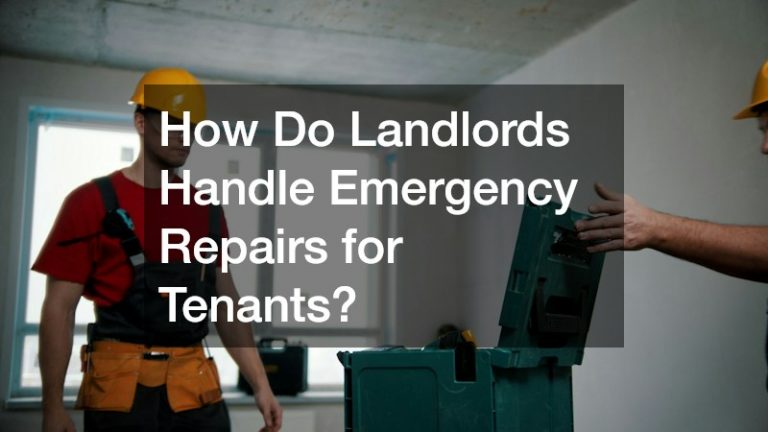
Managing rental properties requires balancing tenant satisfaction, asset protection, and financial management. Among all duties a landlord faces, handling emergency repairs quickly and professionally is perhaps the most critical. When a pipe bursts at midnight, a heating unit fails in freezing temperatures, or a roof starts leaking during a downpour, a prompt and structured response protects the structure of the property while preserving the landlord-tenant relationship. A well-executed emergency repair strategy reduces liability, prevents structural deterioration, and minimizes tenant turnover.
Handling emergencies is not merely about reacting when disaster strikes; it is about establishing robust operational protocols long before an issue arises. Landlords who succeed in navigating high-stress repair scenarios do so by implementing clear communication channels, maintaining strong relationships with trade professionals, understanding legal compliance, and managing financial reserves effectively. This comprehensive guide outlines the essential steps every property owner should take to master emergency repair situations, ensuring safety, legality, and peace of mind for both parties involved.
Establishing Clear Guidelines to Define What Constitutes a Real Emergency
Before managing an urgent issue, property owners must define what qualifies as a genuine repair emergency. Not every maintenance request submitted by a tenant demands an immediate late-night response. A true emergency typically involves situations that threaten physical safety, present immediate health risks, or risk severe damage to the structural integrity of the building. Examples include active flooding, gas leaks, complete loss of heat during freezing conditions, structural collapses, or severe security breaches like broken exterior doors. Distinguishing these urgent events from routine maintenance issues prevents unnecessary middle-of-the-night expenses and ensures emergency resources are directed where they are needed most.
To keep operations running smoothly, property owners must communicate these standards to residents during the onboarding process. Providing explicit documentation alongside the lease agreement eliminates ambiguity when problems arise. When tenants understand the exact criteria for urgent service, they are less likely to escalate minor issues while remaining confident that real threats will be addressed immediately.
-
Immediate Health and Safety Hazards: Gas leaks, sewage backups, fire hazards, or lack of essential utilities.
-
Structural and Property Vulnerabilities: Uncontrolled water leaks, major roof failures, or compromised exterior security doors.
-
Non-Emergency Situations: Minor plumbing drips, appliance malfunctions, squeaky floors, or cosmetic repairs.
Clear boundaries protect both the property owner’s operational capacity and the resident’s peace of mind. By providing a written checklist of emergency criteria, landlords empower tenants to make informed decisions when reporting issues. This clarity reduces friction, streamlines response times, and establishes a foundation of trust before urgent situations occur.
Implementing a 24/7 Communication System for Tenant Maintenance Reports
When a genuine maintenance crisis happens, speed and clarity of communication are paramount. Landlords must establish a reliable, round-the-clock channel through which tenants can report urgent problems without delay. Relying on standard email or single phone lines often leads to missed calls and delayed responses during off-hours. Modern property management relies on centralized communication hubs, dedicated answering services, or specialized property management software that instantly alerts landlords or maintenance managers to high-priority submissions.
A reliable reporting framework must automatically triage incoming messages based on urgency level. Immediate notifications should trigger phone calls or urgent alerts for true maintenance emergencies, while standard tickets are routed to routine queues. This systematic approach ensures critical alerts are never lost among routine requests, allowing landlords to act fast.
Maintaining detailed digital logs of every report and response provides critical legal protection. Documentation should capture the initial report, response times, dispatched vendors, and resolution steps. Clear communication timelines demonstrate proactive management and satisfy statutory obligations regarding habitability.
Assembling a Trusted Network of On-Call Trade Professionals
Having a pre-screened list of qualified service vendors is essential for effective emergency property management. When a crisis occurs, landlords cannot afford to waste time searching online for available technicians. Building long-term relationships with licensed, bonded, and insured contractors guarantees priority scheduling and dependable work when emergency calls come in.
A resilient maintenance strategy relies on a varied network of trade specialists across critical disciplines. Landlords should maintain active service agreements with reliable plumbers, electricians, locksmiths, and residential contractors who can handle complex structural repairs at short notice. Developing these relationships before emergencies occur ensures vendors are familiar with the property’s layout and systems, enabling faster diagnostic work and more efficient repairs.
Beyond specialized structural trades, keeping contact details for heavy-duty cleanup and site management services is equally vital. For instance, major structural fixes or emergency teardowns often generate large amounts of debris that must be cleared fast to maintain site safety. Having established agreements with providers of dumpster rentals allows landlords to quickly secure on-site waste management, keeping work areas clean, compliant, and safe for technicians and tenants alike.
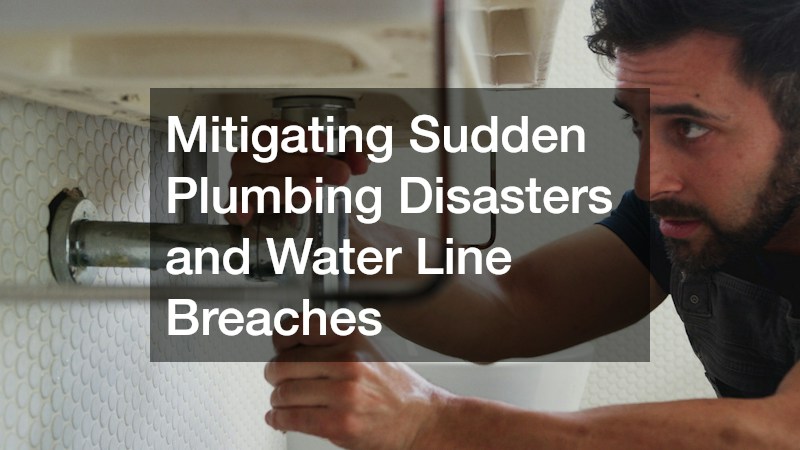
Mitigating Sudden Plumbing Disasters and Water Line Breaches
Uncontrolled water flow poses one of the most destructive threats to residential real estate. A broken pipe, cracked main line, or overflowing fixture can cause thousands of dollars in structural damage within minutes. Landlords must mandate that every incoming tenant receives clear instructions on locating and operating the primary water shutoff valve. Shutting off the main water source immediately is the single most effective action a tenant can take while waiting for professional help.
Once the immediate flow is stopped, landlords must dispatch specialized technicians to evaluate system integrity and resolve underlying failures. In properties with specialized utility setups, such as standalone systems, regular maintenance like scheduled septic pumping prevents sudden catastrophic backups into living quarters. Addressing system capacity proactively reduces the risk of emergency failures that compromise tenant hygiene and property safety.
Water damage repairs do not end when the leak stops; thorough drying and structural restoration are essential. Leaving hidden moisture behind subfloors or within drywall creates ideal conditions for long-term property degradation. Property managers must inspect surrounding areas carefully to ensure complete structural remediation after any plumbing emergency.
Safeguarding Building Envelopes Against Severe Weather Damage
Extreme weather events often test the structural integrity of residential buildings. High winds, heavy rainfall, falling trees, and ice storms can instantly compromise roofs, windows, and drainage systems. When severe weather hits, landlords must act fast to prevent secondary water intrusion and structural failure. Tarping damaged roofs, boarding up broken windows, and securing loose exterior elements are crucial immediate steps.
To minimize storm vulnerabilities, landlords should perform regular preventative inspections of exterior systems. Collaborating with a professional roofing company to complete routine checks ensures minor shingle defects, flashing vulnerabilities, or structural weaknesses are fixed before severe storms arrive. Proactive envelope maintenance significantly reduces the risk of emergency leaks during heavy rains.
Drainage management around the property perimeter is equally critical during major storms. Working with a dedicated gutter company ensures downspouts and gutters remain free of blockages, allowing water to flow safely away from the foundation. Uncontrolled roof runoff can flood basements, erode footings, and cause costly structural damage during heavy downpours.
Resolving Utility Failures to Maintain Safe Living Conditions
Loss of basic utilities like heat, electricity, or hot water presents severe health risks and statutory habitability challenges. Landlords are legally obligated to maintain essential living services, particularly during extreme temperatures. When a utility system fails, property owners must diagnose whether the issue stems from municipal grid outages or internal equipment breakdowns. If the fault lies within the property boundaries, immediate repair action is required.
During freezing conditions, a failure in the heating system can cause frozen pipes, leading to structural flooding. Landlords should keep portable radiant heaters on hand to offer tenants safe, temporary warming options while waiting for HVAC repair teams. Swift communication and temporary relief solutions demonstrate proactive care and protect the property’s plumbing infrastructure from freeze damage.
Water heating systems also demand immediate attention when failures occur. A sudden loss of hot water disrupts daily life and compromises basic sanitation. Securing fast, reliable water heater service ensures failed heating elements, corroded tanks, or faulty gas valves are diagnosed and fixed promptly, restoring normal living conditions without unnecessary delay.
-
Primary Diagnostic Step: Verify whether utility outages are localized to the property or part of a broader municipal grid failure.
-
Temporary Measures: Distribute safe, approved temporary heating or cooling appliances while awaiting permanent repairs.
-
Fast Technician Dispatch: Coordinate with specialized HVAC and plumbing professionals to minimize service downtime.
Providing swift temporary relief alongside immediate technical dispatch preserves tenant comfort and limits operational liability. Landlords who handle utility failures with urgency and empathy maintain high tenant retention and shield their properties from secondary system failures.
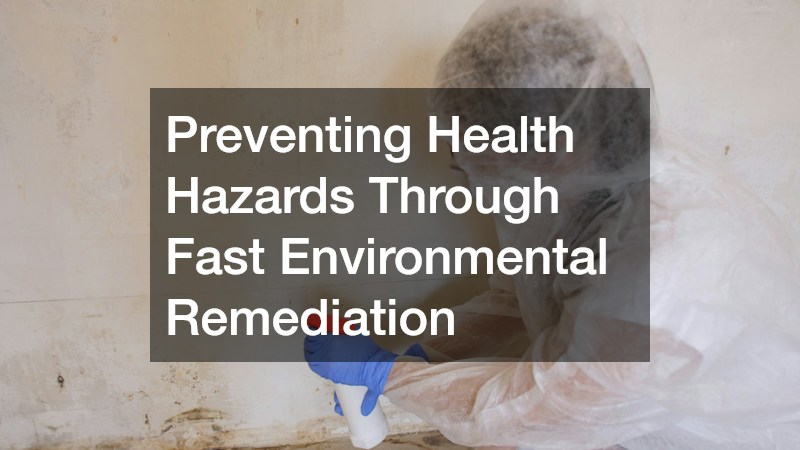
Preventing Health Hazards Through Fast Environmental Remediation
Environmental hazards in rental properties require cautious, rapid intervention. Issues such as raw sewage, hazardous leaks, or sudden environmental contamination compromise tenant health and carry significant legal liability. When environmental risks appear, property owners must isolate affected areas immediately and follow strict remediation protocols. Attempting fast, superficial fixes on hazardous conditions often compounds long-term safety risks.
Persistent moisture from unresolved leaks, structural flooding, or poor ventilation can rapidly lead to hazardous biological growth inside wall cavities and subfloors. Landlords dealing with past water leaks should order professional mold testing to assess indoor air quality and locate hidden spores. Early environmental testing ensures targeted remediation, protecting tenant health and property value.
After identifying environmental hazards, landlords must hire certified environmental remediation contractors to safely clean affected areas. Containing the space, filtering air, and removing contaminated materials must align with local health guidelines. Thorough documentation of containment and clearance testing provides proof that the property has been fully restored to safe living conditions.
Managing Temporary Relocation and Tenant Rights Under Lease Agreements
Severe repair emergencies can render a unit temporarily uninhabitable. Major fires, severe structural collapses, or extensive environmental remediation often require tenants to relocate while repairs take place. Landlords must understand their lease obligations, local housing codes, and state habitability laws when handling temporary displacements. Clear policies built into the lease agreement prevent disputes during high-stress relocations.
Depending on local regulations and lease terms, landlords may need to abate rent for the days the property is uninhabitable or help arrange temporary lodging. Encouraging tenants to maintain comprehensive renters insurance is essential, as renters policies typically cover temporary housing expenses, meal stipends, and personal property losses during emergency events.
Maintaining clear communication during relocation helps ease tenant anxiety and sets realistic expectations for returning home. Providing written updates on repair timelines, inspection milestones, and move-in schedules keeps residents informed. Transparent management turns a stressful event into a professional, well-coordinated experience.
Restoring Property Boundaries and External Hardscapes After Emergencies
Emergency repair operations often extend beyond interior living spaces. Heavy machinery, emergency vehicle traffic, and severe weather can cause collateral damage to driveways, access roads, walkways, and exterior structures. Damaged exterior surfaces pose tripping hazards, compromise vehicle access, and create ongoing liability risks if left unaddressed after interior repairs are complete.
Following major structural work or utility excavations, exterior surfaces often require dedicated rebuilding. Contracting a professional driveway contractor allows landlords to restore damaged asphalt, cracked concrete, or sunken access paths efficiently. Ensuring smooth, stable driveways and walkways restores safe access for residents, emergency vehicles, and service teams.
Ground movement, heavy vehicle traffic, or deep root growth can also disrupt surrounding grounds and perimeter drainage. Collaborating with a professional lawn care team helps regrade damaged turf, restore disturbed soil, and clear debris left behind by repair crews. Restoring exterior landscaping preserves curb appeal and ensures proper water runoff away from newly repaired structures.
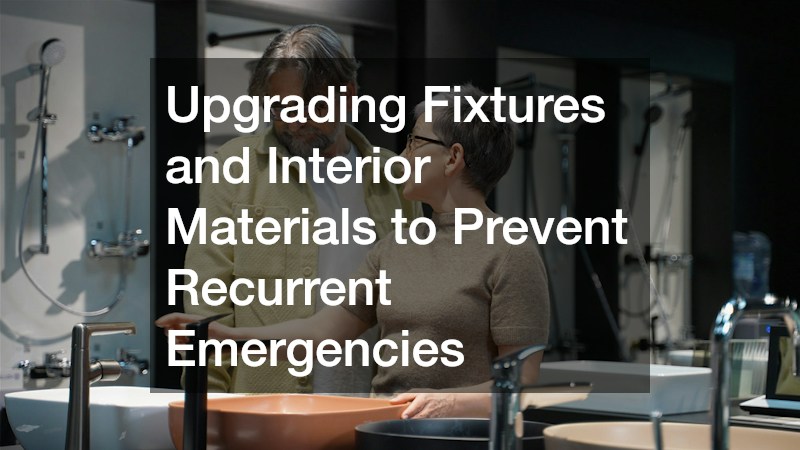
Upgrading Fixtures and Interior Materials to Prevent Recurrent Emergencies
Once an emergency repair is completed, landlords should analyze the root cause to prevent similar failures in the future. Replacing aging fixtures with durable, modern alternatives reduces future maintenance risks and enhances long-term property performance. Post-emergency upgrades allow owners to reinforce vulnerable areas while refreshing interior living spaces.
Bathrooms and kitchens are common origins of emergency water leaks due to constant fixture use and high moisture levels. Upgrading aging shower curtains or worn enclosures by hiring professionals for new shower doors reduces water splashing, improves moisture containment, and protects subflooring from structural decay. Modern, high-quality fixtures stand up to heavy daily use and minimize long-term wear.
-
Conduct Root-Cause Inspections: Identify the primary factors that led to system failures.
-
Install High-Durability Materials: Replace vulnerable components with commercial-grade fixtures.
-
Implement Preventative Upgrades: Add automatic water shutoff valves, smart leak detectors, and updated electrical breakers.
Transitioning from reactive maintenance to preventative upgrades protects property values and stabilizes operational budgets. Landlords who continuously modernize interior systems reduce middle-of-the-night emergency calls, lower ongoing repair costs, and provide a safer, more reliable living environment for their tenants.
Handling emergency repairs effectively demands foresight, clear communication, and a network of trusted professional trade partners. By defining clear emergency standards, establishing 24/7 reporting systems, and maintaining strong vendor relationships, property owners can navigate unexpected maintenance crises smoothly and efficiently. Swift, organized responses protect valuable physical assets, maintain legal compliance, and reinforce positive landlord-tenant relationships.
Investing time and resources into proactive maintenance protocols transforms high-stress emergencies into manageable operational tasks. Prioritizing thorough post-repair evaluations and durable system upgrades helps landlords prevent future failures, minimize emergency expenses, and protect property values over the long term.