
Every homeowner eventually hits the same crossroads: save up for a major upgrade or find a workaround that gets the job done now. The pressure to fix a leaky roof, replace a dying furnace, or finally build that backyard structure can feel urgent, but rushing into debt for a big-ticket project isn’t always the smartest move. Some upgrades are worth the wait, the saved-up cash, and the careful contractor search. Others have smart interim solutions that protect your home and budget while you plan. This guide breaks down which big projects deserve patience and which problems need immediate attention regardless of your timeline.
Roof Replacement Timing and Contractor Selection
A full roof replacement is one of the most expensive projects a homeowner will face, with asphalt shingle jobs often running $10,000 to $20,000 and premium materials like metal or slate pushing well past that depending on square footage and roof complexity. Because of the cost, it’s tempting to patch problems indefinitely, but a roof past its lifespan can lead to water damage, mold, and structural rot that costs far more than the replacement itself. Most asphalt roofs last 20 to 25 years, so if yours is approaching that window, it’s time to start planning rather than waiting for a leak to force the issue. The smart approach is to get multiple quotes from roofing companies at least a year before you expect to need the work, so you understand real costs and can budget accordingly rather than scrambling during an emergency. Aim for at least three estimates, and make sure each one breaks down materials, labor, warranty terms, and estimated timeline separately rather than giving you a single lump number. When comparing contractors, look beyond price alone. Verify licensing and insurance, ask for references from jobs completed at least two or three years ago so you can see how the roof has held up, and check whether the warranty covers workmanship as well as materials. Timing your project for late spring or early fall, when roofing companies aren’t slammed with storm-damage repairs, can also mean better scheduling flexibility and sometimes more competitive pricing.
While saving for a full replacement, don’t ignore warning signs like missing or curling shingles, granule buildup in gutters, or daylight visible through the attic boards. Soft spots on the roof deck, water stains on ceilings, and shingles that look bald or discolored in patches are equally worth a closer look. A qualified roofer can typically spot these issues during a 30-to-60-minute inspection, often for free or a nominal fee. In many cases, targeted roof repairs can extend the life of your current roof by five to ten years, buying you real time to save without risking structural damage. That said, not every issue is a candidate for a quick fix. Widespread granule loss, multiple leak points, or sagging decking usually signal that repairs are just delaying an inevitable replacement, so get a second opinion before committing to costly patchwork. When you do start vetting contractors, ask for proof of licensing and insurance, request references from jobs completed at least a year or two prior, and get itemized written estimates. This groundwork pays off whether you end up scheduling repairs now or a full tear-off later.
- Get at least three written estimates before committing to a full replacement, and make sure each one breaks down materials, labor, and disposal costs separately
- Ask about material warranties and workmanship guarantees separately — manufacturer warranties (often 25-50 years) rarely cover installation errors, so a contractor’s own workmanship guarantee (ideally 5-10 years) matters just as much
- Verify licensing, insurance, and local references before signing anything, and check for unresolved complaints with your state contractor board or the Better Business Bureau
- Schedule an inspection after major storms even if you see no obvious damage, since hail and wind can loosen shingles or crack flashing in ways invisible from the ground
- Budget for repairs as a bridge strategy, not a permanent fix, and set a threshold (e.g., three or more repairs in two years) that signals it’s time to replace instead
Electrical Panel Upgrades and Safety Priorities
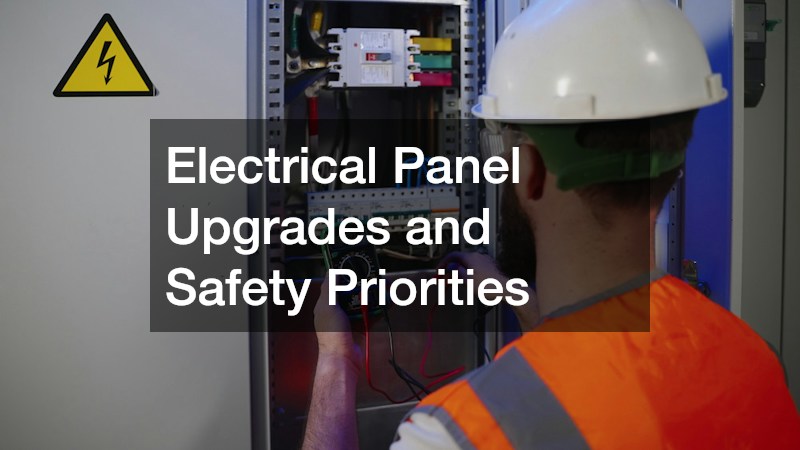
Older homes often have electrical panels that were never designed to handle modern appliance loads, streaming devices, and EV chargers. This is one upgrade where waiting too long can be genuinely dangerous rather than just inconvenient. A licensed electrical contractor can assess whether your panel is at capacity or showing signs of wear, such as frequent breaker trips or warm outlet covers.
Unlike cosmetic renovations, electrical work isn’t something to DIY or delay indefinitely once a real hazard is identified. If a full panel upgrade isn’t in the budget yet, ask about interim safety measures like adding dedicated circuits for high-draw appliances. This keeps your home safer while you save for the larger investment.
Detecting Hidden Water Damage Before It Spreads
Water damage is sneaky because it often starts behind walls or under flooring long before any visible sign appears. Professional leak detection services use acoustic equipment and thermal imaging to find moisture sources without tearing apart your home, which can save thousands compared to guesswork repairs. If your water bill has spiked unexpectedly or you notice musty smells, it’s worth calling in a specialist rather than waiting.
Catching a leak early can mean the difference between a simple pipe fix and a full remediation project involving mold removal and drywall replacement. This is one area where postponing action almost never pays off, even if you’re saving for other renovations.
- Watch for unexplained increases in your monthly water bill
- Check under sinks and around toilets for soft or discolored flooring
- Note any musty odors that persist after cleaning
- Schedule a professional inspection if you notice ceiling stains
Whole Home Leak Monitoring for Long Term Peace of Mind
For homeowners who have already dealt with one costly water event, investing in water leak detection systems can prevent a repeat disaster. These smart devices monitor water flow throughout your plumbing around the clock, tracking usage patterns and flagging anything unusual. If they detect a burst pipe, a failing water heater, or even a slow drip behind a wall, they can automatically shut off the main supply before the damage spreads. Whole-home systems typically cost between $400 and $1,500 installed, depending on the size of your house and whether you choose a basic sensor setup or a fully automated shutoff valve. Some models, like Moen’s Flo or Phyn, pair with smartphone apps that send real-time alerts if a leak is suspected, even while you’re at work or on vacation. Point-of-use sensors are a cheaper add-on option, placed near washing machines, water heaters, and under sinks where leaks most often start. Leak detection isn’t just about convenience; it’s about avoiding the kind of five-figure repair bills that come with unnoticed water damage. While the upfront cost is real, many insurance companies offer premium discounts, often 5% to 15%, for homes with monitoring installed. Given that the average water damage claim runs well over $10,000, that combination of prevention and savings makes this upgrade one that pays for itself over time.
Whole-home leak monitoring is a good example of an upgrade worth waiting and saving for rather than rushing, since installation quality matters and a poorly placed sensor won’t catch every problem. Whole-house systems that shut off the main water valve automatically, like Moen Flo or Phyn, typically run $500 to $1,300 installed, while basic standalone sensors placed near appliances cost far less but only monitor a single spot. Take time to research systems compatible with your home’s plumbing layout before committing. A professional assessment can identify high-risk zones such as water heaters, washing machine hookups, under-sink areas, and slab foundations where hidden leaks tend to cause the most damage. Placement and calibration matter just as much as the equipment itself. A sensor mounted too far from a joint or too high off the floor may miss slow leaks entirely, and flow-based systems need to be programmed with your household’s normal usage patterns to avoid false alarms or missed warnings. Waiting also gives you time to compare monitoring options, since some systems only send phone alerts while others integrate with smart home hubs or automatically cut water flow. Considering your home’s age, pipe material, and past leak history before choosing a system helps ensure it’s the right long-term investment rather than a quick fix.
Composite Decking Versus Wood and When to Build

A new deck is a major outdoor investment, and the material choice affects both upfront cost and long-term maintenance. Many homeowners now turn to a composite deck builder rather than traditional lumber, since composite materials resist rot, fading, and insect damage far better than wood over a fifteen to twenty year span. The higher initial price tag is often worth the wait if it means avoiding annual staining and plank replacement.
If your current deck is structurally sound but showing cosmetic wear, it may make more sense to refinish now and save for a full composite rebuild later. This staged approach lets you enjoy your outdoor space without rushing a decision that will affect your home’s exterior for decades.
- Composite decking typically costs more upfront but less over its lifespan
- Wood requires annual sealing and periodic board replacement
- Check manufacturer warranties, which often run 25 to 50 years on composite
- Consider your climate, since extreme heat and cold affect material performance differently
Garage Door Replacement and Energy Efficiency Gains
An outdated garage door isn’t just an eyesore, it can also be a significant source of energy loss if your garage is attached to living space. Professional garage door installation with insulated panels can noticeably reduce temperature swings in adjacent rooms, and newer models come with improved safety sensors that older doors lack. Because this project affects both curb appeal and home security, it’s worth researching options thoroughly rather than choosing based on price alone.
If your current door still functions safely but looks dated, painting or adding new hardware can refresh its appearance for a fraction of the replacement cost. Save the full installation for when the mechanical components genuinely start failing, which maximizes the value of your eventual investment.
Furniture Needs During a Home Renovation

Big renovations often mean living in a partially finished space for weeks or months, and buying permanent furniture before construction dust settles rarely makes sense. Drywall dust, paint splatter, and the constant traffic of contractors can quickly ruin upholstery, scratch wood finishes, or leave stains that no amount of cleaning can fully remove. Many families turn to rent to own furniture during this transition period, allowing them to furnish a room affordably without committing to pieces that might get damaged during construction work nearby. This approach makes particular sense for kitchens, living rooms, and bathrooms undergoing major overhauls, since these spaces see the heaviest work and the highest risk of collateral mess. A rented sofa or dining set can be swapped out or replaced if it takes a hit, without the financial sting of losing a brand-new purchase. Many rent-to-own agreements also let you upgrade mid-contract, which is useful if your renovation timeline stretches longer than expected. This approach also gives you time to see how a renovated space actually functions before investing in furniture that fits it long term. Living in the space for a few months reveals details that blueprints and mood boards can’t — how natural light shifts throughout the day, whether a proposed traffic flow actually works, or if that open-concept layout calls for a sectional instead of two armchairs. Waiting until after the dust settles to make permanent furniture decisions often results in choices you won’t regret making in haste.
Once the dust settles and your renovation is complete, you’ll have a much clearer sense of scale, color palette, and traffic flow, which leads to better furniture decisions. A room that felt small during demolition might feel expansive once walls are opened up or new windows let in more light, and paint or tile choices you couldn’t visualize on a swatch will finally show their true colors under real lighting. Treating the interim period as temporary rather than rushing a final purchase saves money and reduces buyer’s remorse. Renting furniture for a few months, borrowing pieces from family, or using budget items from a secondhand shop can bridge the gap without locking you into choices that don’t fit the finished space. This approach also protects your investment from construction hazards like dust, debris, and accidental damage from contractors moving through the space. It’s far less painful to replace a $150 rental sofa with a scratch on it than a $2,500 custom sectional you bought too early. Waiting also gives you room to shop sales strategically instead of settling for whatever’s in stock when you’re desperate to fill a space. Many retailers run major furniture promotions around Presidents’ Day, Memorial Day, and Labor Day, so timing a final purchase to align with your renovation’s completion can mean meaningful savings on higher-end pieces.
Building a Backyard Shed for Storage or Workspace
A shed might seem like a minor addition compared to a roof or electrical system, but it’s still a project worth planning carefully rather than rushing into with a big box store kit. Hiring an experienced shed builder ensures proper foundation work, which prevents the moisture and settling issues that plague poorly installed prefab structures. A well-built shed can also increase usable storage space enough to delay a costlier home addition or garage expansion.
Consider how you’ll actually use the space before finalizing size and layout, since a shed built too small often gets replaced within a few years. Investing a bit more time upfront in design consultation typically pays off in a structure that serves your needs for decades.
- Check local permit requirements before construction begins
- Choose a location with good drainage away from your home’s foundation
- Decide whether you need electrical wiring run to the structure
- Plan for future use, not just current storage needs
Fence Installation for Privacy and Property Value
A new fence is one of those projects that quietly boosts both privacy and resale value, but it’s easy to underestimate the planning involved. Quality fencing work requires accurate property line surveys and knowledge of local height restrictions, so rushing into an installation without proper research can lead to costly disputes with neighbors or code violations. Taking the time to compare materials, from wood to vinyl to metal, helps ensure the final result matches both your budget and your home’s style.
If privacy is an urgent need but budget isn’t ready for a full installation, temporary screening or partial fencing along key sightlines can bridge the gap. This lets you address immediate concerns while saving for a complete, properly permitted installation.
Deciding which home upgrades to tackle now versus which to save for comes down to safety, cost of delay, and how much a rushed decision might cost you later. Urgent issues like electrical hazards and hidden leaks deserve immediate attention, while cosmetic or lifestyle projects like decking, sheds, and fencing can often wait for proper research and saved funds. Start by getting professional assessments for anything safety-related, then build a realistic timeline for the bigger investments on your wish list. With a clear plan, you can protect your home today while making smarter, better-funded decisions for tomorrow.