Welcome to your comprehensive guide on choosing the perfect HVAC system for your home. With so many options and factors to consider, making the right choice can be daunting. This article will help simplify the process, addressing the most commonly asked questions and guiding you through essential considerations. We’ll discuss the types of systems available, determining the right size, costs associated, choosing energy-efficient options, and common mistakes to avoid.
Let’s embark on this journey to make your home comfortable and efficient.
What Types of HVAC Systems are Available?
When selecting an HVAC system, it’s crucial to understand the variety of systems available. Central air conditioning systems are one of the most common choices, ideal for cooling larger homes uniformly. On the other hand, ductless mini-split systems are perfect for homes where traditional ductwork isn’t feasible, offering flexibility in individual room temperature control. Heat pumps provide both heating and cooling and are highly energy-efficient, suitable for milder climates. Additionally, geothermal systems are environmentally friendly and make use of the earth’s heat, though they often come with higher initial installation costs.
Each type of system has its advantages and disadvantages, influencing your decision based on your home’s unique needs. Central systems are known for their efficiency and quiet operation but require comprehensive ductwork. Mini-splits, though slightly more expensive per unit, prevent energy loss associated with ducts and offer zone control. Heat pumps require less energy compared to traditional furnaces and air conditioners, and when combined with a backup system, they perform well even during colder months. Geothermal solutions provide long-term savings, but their installation is complex and requires significant upfront investment.
Understanding these differences can help ensure that the system you choose aligns with your lifestyle and budget. It’s also essential to consider any local building codes or restrictions that might affect your choice, especially with geothermal installations. Consulting with a local HVAC professional can offer insights into what system works best for your area and personal circumstances. Exploring various brands and models within each type can also reveal additional features such as smart thermostats and enhanced air filtration systems. Ultimately, balancing initial costs with long-term savings and performance should guide your final decision.
How Do I Determine the Right Size HVAC System for My Home?
One of the critical steps in choosing an HVAC system is determining the correct size for your home, as this affects both energy efficiency and comfort. An undersized system will struggle to maintain a comfortable temperature, leading to constant running and elevated energy bills. Conversely, an oversized system will cycle on and off too frequently, which can cause uneven temperatures and increased wear and tear on the unit. Key factors influencing size include the square footage of your home, ceiling height, and the climate zone in your area. An accurate load calculation by a professional is necessary to ensure the system meets your specific heating and cooling demands.
Load calculation involves more than just square footage; it accounts for the home’s layout, number of windows and doors, insulation quality, and shading from trees or nearby buildings. Professional HVAC technicians use tools such as the Manual J load calculation to determine the exact requirements for your home. This ensures precision, preventing the pitfalls of over or undersizing an HVAC system. It’s essential to update these calculations if your home undergoes significant modifications, such as room additions or improvements in insulation, to maintain optimal performance.
Choosing the right size not only improves efficiency but also extends the life of the unit, reducing maintenance needs and operational costs. Additionally, you could explore options for multi-zone systems, which allow for tailored comfort settings in different areas of the home, reducing overall demand when full capacity isn’t necessary. Regular maintenance, including filter changes and system inspections, can keep an HVAC system running efficiently, regardless of size. Keeping an eye on energy bills and comfort levels can indicate whether adjustments or an upgrade might be needed in the future.
What is the Cost of Installing and Maintaining an HVAC System?
The cost of installing an HVAC system varies depending on the type, size, and complexity of the installation. Central air conditioning systems typically range from $3,000 to $7,000, including installation, while ductless mini-split systems can cost between $2,000 and $8,000 depending on the number of indoor units required. Heat pumps are generally priced between $4,000 and $10,000, depending on the system’s capacity and efficiency rating. Geothermal systems, though expensive upfront, ranging from $10,000 to $30,000, offer significant savings over time through reduced energy costs. Regardless of the option chosen, professionally installed systems ensure safety, effectiveness, and adherence to local codes.
Beyond the initial cost, maintaining an HVAC system is crucial to ensure longevity and performance. Regular maintenance tasks include cleaning or replacing air filters, checking thermostat settings, and inspecting ducts for any faults or leaks. Scheduling professional maintenance at least once a year can address any potential issues before they turn into costly repairs. Components like the outdoor condenser and evaporator coils require regular cleaning to maintain efficiency. The frequency and extent of maintenance may vary depending on the system type, age, and complexity.
Energy-efficient systems, although possibly higher in cost at the start, can reduce long-term expenditure via lower energy bills and potentially qualify for tax credits or rebates. Considering the lifecycle costs of operation, maintenance, and potential repair can provide a clearer picture of the total investment. Investing in a system with a strong warranty can also mitigate some unexpected expenses. Moreover, keeping abreast of new technologies and available incentives can further lower the overall cost of owning an HVAC system.
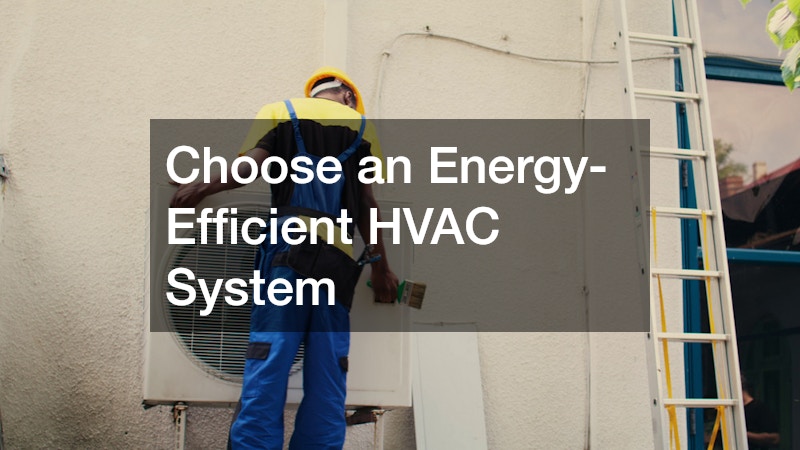
How Do I Choose an Energy-Efficient HVAC System?
Choosing an energy-efficient HVAC system involves understanding and comparing different efficiency ratings such as SEER (Seasonal Energy Efficiency Ratio) for cooling systems and AFUE (Annual Fuel Utilization Efficiency) for heating. Higher SEER and AFUE ratings signify better efficiency, lower energy consumption, and reduced environmental impact. Another factor enhancing efficiency is the use of variable-speed motors, which adjust the speed of airflow based on your home’s requirements, enhancing comfort while conserving energy. Additionally, energy-efficient systems often include advanced thermostats and zoning capabilities, allowing for greater control over your home’s climate and further optimizing energy usage.
Paying attention to energy efficiency not only helps lower utility bills but also contributes to sustainability, reducing your household’s carbon footprint. Choosing systems bearing the ENERGY STAR label ensures they meet strict energy efficiency guidelines set by the Environmental Protection Agency. Exploring manufacturer models that boast dual-fuel systems or integrating solar energy can increase both efficiency and savings. Furthermore, improving your home’s insulation and sealing windows and doors can enhance the performance of your HVAC system. Incorporating energy efficiency into your criteria means not only selecting the right unit but also creating an optimal environment for its operation.
To maximize efficiency, consider investing in a smart thermostat that learns your heating and cooling preferences and schedules around your lifestyle. Routine checks and system upgrades, like switching out older models for more efficient technology, keep you ahead of any potential energy loss. An efficient system’s benefits extend beyond financial savings to include a positive environmental impact through reduced emissions. Staying informed about technological advancements and governmental incentives can aid in making choices that align financial goals with environmental responsibility. Ultimately, the pursuit of efficiency should integrate seamlessly into broader home improvement and sustainability strategies.
What are Common Mistakes to Avoid When Selecting an HVAC System?
Selecting the right HVAC system involves more than just choosing a unit; understanding and avoiding common pitfalls is crucial. A frequent mistake is neglecting to account for the total cost of ownership, including installation, maintenance, and operation. Many homeowners focus solely on the upfront price, overlooking how efficiency can impact long-term finances. Another mistake is choosing a system based solely on price rather than considering quality and reliability, which could result in frequent repairs and replacements. A comprehensive comparison of systems, balancing initial costs with quality and long-term savings, provides a clearer picture of potential investments.
Another typical oversight is ignoring the role of professional guidance in the decision-making process. Seeking advice from licensed HVAC professionals and ensuring proper installation is key to effective operation and avoiding premature system failures. Failure to do so may lead to improper sizing, incompatible systems, and suboptimal performance. Being informed helps eliminate potential issues and provides peace of mind that the system installed will perform as expected. Additionally, thorough research into warranties, customer service, and brand reputation can safeguard against future complications.
Failing to address pre-existing home issues such as poor insulation or outdated electrical systems can also hinder an HVAC system’s effectiveness. Solving these problems prior to installation maximizes the system’s efficiency and lifespan. Ignoring maintenance needs is another error; regular upkeep is vital for consistent performance and cost-effectiveness. Choosing a maintenance plan that aligns with the system’s needs aids in avoiding unnecessary expenses. By understanding these common missteps, homeowners can make well-rounded decisions, optimizing both comfort and investment.
Choosing the right HVAC system for your home is a critical decision that impacts comfort, cost, and energy efficiency. Even though navigating the array of systems, sizes, costs, and efficiencies might seem complex, understanding these key elements puts you on the path to making informed decisions. By evaluating energy-efficient systems, executing careful size considerations, and steering clear of common mistakes, you build a foundation for a comfortable and cost-efficient home environment. Collaborating with professionals not only ensures optimal system performance but offers the assurance of a wise investment into your home’s future. We hope this guide gives you confidence in your HVAC selection process, tailoring choices to personal requirements and embracing sustainable practices.