
You have a moving date circled on the calendar, boxes stacked in the hallway, and a to-do list that keeps growing instead of shrinking. But if your plan only accounts for packing and hiring help, you are setting yourself up for delays, failed inspections, or a lower sale price. The truth is that a handful of overlooked repairs can derail your timeline far more than a slow packing pace ever could.
Before you lock in a moving date, walk through your home with a repair-first mindset so nothing stalls your closing or your move-out day.
Roof Condition and Its Effect on Your Closing Date
A damaged or aging roof is one of the fastest ways to stall a home sale, because most buyers and lenders will not move forward until it is addressed. Missing shingles, sagging areas, or water stains on the ceiling are red flags that show up during inspections and give buyers leverage to renegotiate or walk away. Getting ahead of this means scheduling an evaluation weeks before you list, not after an inspector flags it. Experienced roofers can tell you within an hour whether you are looking at a quick patch or a full replacement, and that answer changes your entire timeline.
Waiting until the last minute also limits your options, since quality contractors often book out several weeks in advance. If your roof is older than 15 years, assume it will come up in negotiations and plan accordingly rather than hoping it slides by unnoticed.
- Check attic spaces for daylight, staining, or damp insulation
- Ask for a written estimate that separates repair from full replacement costs
- Confirm warranty transferability, since buyers often ask about this directly
- Photograph any repairs completed so you have documentation ready for closing
Basement Moisture Problems That Delay Inspections

A damp basement is one of the most common reasons a home sale timeline slips, because moisture issues suggest bigger structural concerns to buyers and inspectors alike. Musty odors, visible efflorescence on walls, or a sump pump that runs constantly are all signs that need attention before your home goes on the market. In many cases, homeowners assume a fresh coat of paint will hide the problem, but a trained inspector will spot it immediately. Bringing in specialists for the best water proofing restoration available in your area can resolve the issue permanently instead of masking it temporarily.
If the moisture has caused any structural shifting, cracked walls, or uneven flooring, you may also need a basement remodeler to assess whether cosmetic repairs are enough or whether more extensive rebuilding is required. Getting both opinions early gives you a realistic repair timeline instead of a guess, which matters enormously when you are trying to coordinate a move-out date.
- Look for white powdery residue on basement walls, a sign of water intrusion
- Test your sump pump before listing, not after an offer comes in
- Keep humidity below 55 percent to avoid mold complications
- Document any past water damage repairs for buyer transparency
Plumbing Leaks and Fixture Failures Buyers Notice Immediately
Slow drains, dripping faucets, and water heater issues are small annoyances to live with but major red flags to a buyer touring your home. These are also some of the easiest repairs to knock out quickly, which makes skipping them especially frustrating when they end up costing you a sale or a price reduction. Reaching out to plumbing companies for a pre-listing inspection can uncover hidden issues like slow leaks under sinks or corroded supply lines before they become negotiation points. A pre-emptive fix is almost always cheaper than a credit demanded during escrow.
Buyers today are savvier than ever and often bring their own inspectors who test every faucet and flush every toilet. Do not assume a problem is too minor to matter, because even a small issue can create doubt about the rest of the home’s maintenance history.
- Run every faucet and flush every toilet to check for slow drainage
- Check under sinks for warped wood or water stains
- Test water heater age against its expected lifespan, typically 8 to 12 years
- Fix any visible pipe corrosion before it becomes a bigger negotiation issue
HVAC Performance Checks Before Listing or Closing

A home that is too hot, too cold, or noisy when the system kicks on will raise concerns fast, especially during a showing when buyers are paying close attention to comfort. Scheduling a checkup with reputable AC repair companies before you list ensures your system is running efficiently and gives you a paper trail showing recent maintenance. This single step can prevent a buyer from requesting a credit for a system that seems unreliable, even if it actually has years of life left.
If your system is older, get an honest assessment of remaining lifespan rather than hoping it makes it through the sale unnoticed. Buyers frequently ask for the age of major systems, and having a clear answer builds trust rather than suspicion.
- Replace air filters before every showing to keep the system running quietly
- Ask for a written service report you can share with potential buyers
- Note the age of the unit, since anything over 12 years may need disclosure
- Address any unusual noises or uneven airflow before listing
Garage Door Function and Curb Appeal Impact
A garage door that sticks, makes noise, or fails to close properly is one of those issues that seems minor until it shows up in an inspection report or turns off a buyer during a walkthrough. Since the garage often takes up a large portion of the home’s front-facing exterior, its condition affects curb appeal just as much as landscaping does. Scheduling garage door repairs ahead of your first open house is a relatively low-cost fix that pays off in both first impressions and inspection results. A properly functioning door also signals to buyers that other mechanical systems in the home have likely been maintained too.
- Test the auto-reverse safety feature, which inspectors check routinely
- Lubricate hinges and tracks for quieter, smoother operation
- Replace worn weather stripping to improve energy efficiency
- Repaint or refinish the door if it looks faded compared to the rest of the exterior
Exterior Siding Repairs That Affect First Impressions
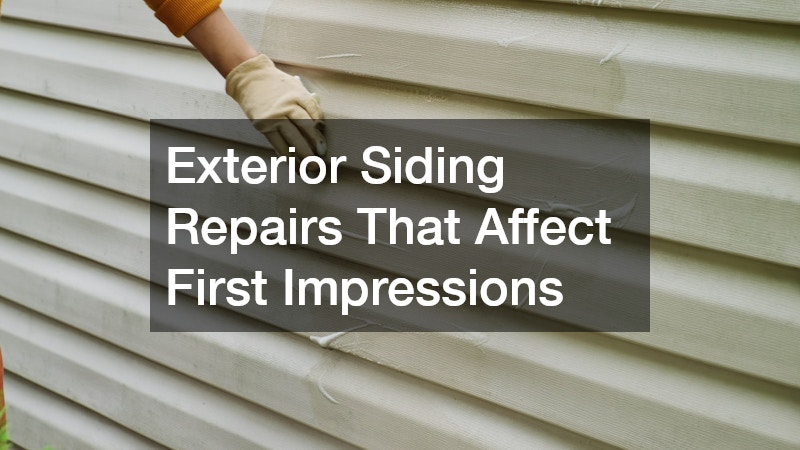
Buyers form an opinion about your home before they even walk through the front door, which makes exterior condition one of the highest-impact repair categories on this list. Cracked, faded, or warped siding signals deferred maintenance and can make buyers wonder what else has been neglected. If your home has vinyl siding, minor repairs like replacing a few damaged panels are usually inexpensive and can be completed in a single afternoon, making this one of the easiest wins on your repair list. A clean, intact exterior also photographs better for listings, which matters enormously since most buyers start their search online.
- Power wash siding before assuming it needs replacement
- Replace individual damaged panels rather than the whole exterior when possible
- Check for warping near dryer vents and outdoor faucets, common trouble spots
- Match panel color carefully, since sun fading can make new pieces stand out
Driveway and Walkway Repairs That Affect Safety and Appraisal
Cracked or uneven driveways and walkways are not just cosmetic concerns; they can also affect a home appraisal and create liability issues if someone trips during a showing. Getting quotes from paving contractors early gives you time to compare options, from simple crack sealing to a full resurfacing job, depending on the extent of the damage. Because paving work depends heavily on weather and curing time, this is a repair that needs more lead time than most homeowners expect. Trying to squeeze it in during your final week before listing often means settling for rushed work or skipping it entirely.
- Get at least two quotes since pricing can vary significantly by region
- Ask about cure time, since driveways often need days before they can be used
- Address drainage issues causing cracks, not just the cracks themselves
- Consider sealing instead of full replacement if damage is only surface-level
Tree and Landscaping Hazards Near the Home

Overgrown branches, exposed roots, and dead trees near the house are more than an eyesore; they can be a genuine safety hazard and a red flag during a home inspection. Branches touching the roofline can cause damage over time, while root systems near the foundation can contribute to the very basement issues discussed earlier in this article. Hiring a tree service to trim overhanging limbs and remove any dead or diseased trees protects both your home and your timeline, since storm damage from an untrimmed tree can delay a sale far longer than the trim itself would take. This is also one of the more affordable repairs on this list relative to the risk it removes.
- Trim branches at least 6 feet from the roofline to prevent damage
- Remove dead trees before they become a liability during a storm
- Check root proximity to foundations and underground utility lines
- Clear gutters of debris that overhanging branches tend to create
Coordinating Repairs With Your Actual Move-Out Date
Once you know which repairs are necessary, the next challenge is sequencing them so they do not collide with your packing schedule or moving day itself. Start with the repairs that take the longest lead time, like roofing, paving, or window replacement, since these often depend on manufacturer backorders, permit approvals, or weather windows that can stretch a two-week estimate into a six-week reality. Work backward from your target closing date, building in at least a week of buffer for each major project in case of delays.
Mid-range repairs, like drywall patching, interior painting, or flooring, should be scheduled after the big structural work is confirmed complete but before movers start bringing boxes through the door. Doing these too early risks damage from dust or foot traffic during the heavier repairs; doing them too late means wet paint or curing floors when you need to be hauling furniture. A general rule of thumb is to finish anything involving fumes or drying time at least 72 hours before move-out.
It also helps to loop in your moving logistics early, since coordinating with local moving companies while contractors are still finishing work can create scheduling conflicts if you are not careful. Movers typically want confirmed access to driveways, elevators, or loading zones, and a contractor’s dumpster or scaffolding sitting in the way on move day can cost you rebooking fees. Call to lock in your moving date as soon as your repair timeline stabilizes, rather than waiting until the work is finished.
A simple shared calendar between yourself, your contractors, and your movers can prevent the kind of last-minute chaos that turns a move into a crisis. Color-code by task type and flag any dates with multiple crews on-site simultaneously, since that’s usually where conflicts surface. Even a basic spreadsheet with start dates, expected completion dates, and a dependency column can save you from double-booking your driveway or your patience.
- List repairs in order of lead time, not cost, when building your schedule — a $200 window repair with a 3-week backorder should be scheduled before a $2,000 paint job you can get done in two days
- Confirm contractor completion dates in writing before booking movers, ideally via email or a signed work order, not a verbal promise
- Build in a buffer week for weather delays or unexpected findings, like discovering rot behind drywall once a repair is underway
- Schedule the most invasive or messy repairs (flooring, painting, drywall) first, since they can undo the work of anything finished after them
- Keep a shared calendar accessible to contractors, movers, and household members so nothing overlaps on move day
- Flag any repair that requires permits or inspections early, since these add days or weeks you can’t easily compress later
Conclusion
A smooth move is not just about the boxes and the truck; it is about making sure the house itself is ready for whatever comes next, whether that is a new buyer or your own peace of mind. Walk through this list honestly, get quotes early, and prioritize the repairs with the longest lead times first. Doing so protects your timeline, your budget, and your negotiating position far more than rushing through packing ever will. The sooner you address these repairs, the sooner your moving date becomes a realistic target instead of a guess.