
Every rental property owner knows the big expenses that show up on paper: mortgage payments, insurance, property taxes. But the costs that really erode your monthly cash flow are often the quiet ones you never budgeted for, the small maintenance issues that snowball into major repairs because nobody caught them in time. If you want your rental to actually generate income instead of just breaking even, you need to understand which systems fail silently and what they cost when ignored. This guide walks through the most common culprits so you can budget smarter and protect your bottom line.
Aging Cooling Systems That Drain Tenant Satisfaction and Your Wallet
A rental’s HVAC system is one of the most expensive components to replace, yet it’s often the most neglected until it fails completely, usually during a heat wave when tenants are least forgiving. Small issues like low refrigerant, dirty coils, or a failing capacitor start as minor air conditioner repairs but quickly escalate into full system replacements if ignored for a season or two. Landlords who skip annual inspections often end up paying emergency rates for a technician on a weekend, plus the cost of a frustrated tenant threatening to break their lease.
Scheduling a professional tune-up every spring is far cheaper than reactive repairs, and it extends the life of the unit by years. A well-maintained system also uses less electricity, which matters if you cover utilities or if tenants complain about high bills and blame the property.
- Replace air filters every one to three months depending on occupancy
- Keep outdoor condenser units clear of leaves, dirt, and debris
- Have refrigerant levels checked annually to prevent compressor damage
- Budget for a full system replacement every 12 to 15 years
Roof Damage That Goes Unnoticed Until It Reaches the Ceiling
Roof problems rarely announce themselves loudly at first. A few missing shingles or a small area of worn flashing can let moisture seep in for months before a tenant ever reports a stain on the ceiling, and by then the damage often extends into insulation and framing. This is why proactive roof repair and replacement scheduling matters so much for rental owners who can’t inspect the property as often as they’d like.
A roof inspection twice a year, especially after major storms, catches small issues while they’re still inexpensive to fix. Waiting until a tenant complains almost always means a larger bill, and possibly a habitability dispute if the leak has caused visible damage inside the unit.
- Check for curling, cracked, or missing shingles after storms
- Inspect flashing around chimneys and vents for gaps
- Look for granules collecting in gutters, a sign of shingle wear
- Address sagging rooflines immediately, as they can indicate structural issues
Clogged Drain Lines That Lead to Bigger Plumbing Bills
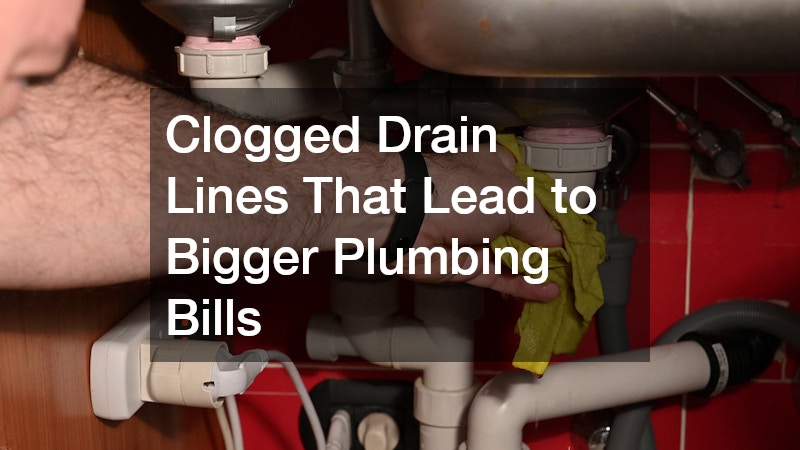
Slow drains are one of the most under-reported issues in rental properties because tenants often live with the inconvenience rather than calling their landlord. Unfortunately, a slow kitchen or bathroom drain is usually a warning sign of a partial blockage that will eventually become a full clog or, worse, a pipe backup. Regular drain cleaning services can clear buildup from grease, hair, and mineral deposits before they turn into an emergency call that disrupts a tenant’s entire weekend.
Encouraging tenants to report slow drains immediately, rather than waiting, can save you from a much larger plumbing bill down the line. Older properties with original pipe systems are especially vulnerable and may benefit from a professional camera inspection every few years to catch tree root intrusion or corrosion early.
- Avoid pouring grease or coffee grounds down kitchen sinks
- Install drain guards in showers and tubs to catch hair
- Schedule a professional cleaning if drains gurgle or drain slowly
- Consider a camera inspection for pipes older than 20 years
Overgrown Trees That Threaten Structures and Utility Lines
Landscaping is often treated as a cosmetic afterthought, but overgrown trees can cause thousands of dollars in damage if branches fall on the roof, driveway, or a parked car during a storm. Roots can also work their way into sewer lines or foundations, creating slow, expensive problems that are easy to miss until a plumber or contractor points them out. Investing in tree trimming services once or twice a year keeps branches away from rooflines and power lines, reducing the risk of storm damage claims.
Overgrown trees near a rental also create liability concerns, since falling limbs can injure tenants or damage neighboring property. A well-maintained yard signals to tenants that the property is cared for, which can improve retention and reduce turnover-related vacancy costs.
- Trim branches at least 10 feet away from rooflines
- Remove dead or diseased limbs before storm season
- Watch for roots lifting sidewalks or driveways
- Hire a certified arborist for large or hazardous trees
Water Intrusion That Silently Destroys Walls and Flooring
Water damage is one of the most expensive and fastest-spreading problems a rental owner can face, and it rarely stays contained to where it started. A small leak behind a washing machine or under a sink can spread into subflooring, drywall, and even electrical systems within days, especially in units without proper ventilation. When damage does occur, calling in water damage restoration professionals quickly can mean the difference between replacing a section of flooring and gutting an entire room.
Mold growth typically begins within 24 to 48 hours of sustained moisture exposure, which is why fast response matters more than trying to save money by waiting. Tenants should be reminded to report any signs of water staining, musty odors, or soft flooring immediately rather than assuming it will resolve on its own.
- Check under sinks and behind appliances quarterly
- Test sump pumps before rainy seasons begin
- Address any musty smell immediately, as it often signals hidden moisture
- Keep gutters clear to direct water away from the foundation
Deteriorating Exterior Siding That Invites Moisture and Pests
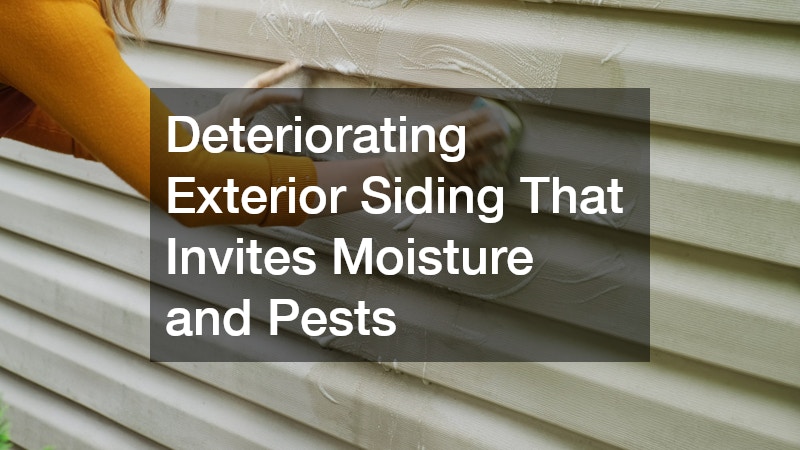
Siding does more than affect curb appeal, it’s the first line of defense against wind, rain, and pests trying to get into the structure. Cracked, warped, or missing siding panels let moisture behind the exterior wall, which can lead to rot and insulation damage long before it’s visible from the street. A small gap behind a single panel can go unnoticed for months while it quietly saturates the sheathing underneath. By the time discoloration or soft spots show up on interior walls, framing repairs and mold remediation may already be necessary, turning what could have been a $500 patch job into a multi-thousand-dollar renovation. Pests like carpenter ants and termites are also drawn to the softened wood behind failing siding, giving them an easy entry point into the rest of the structure. Many landlords are switching to james hardie siding for rental properties because of its resistance to moisture, pests, and fading compared to traditional wood or vinyl options. Fiber cement products like these hold up better in freeze-thaw climates and don’t warp the way vinyl can under prolonged heat exposure. Some manufacturers back these products with 30-year limited warranties, which can be a meaningful selling point for landlords trying to minimize long-term maintenance costs. Routine inspections, ideally twice a year, can catch small cracks or separated seams before they become expensive problems. Checking around windows, corners, and lower panels near ground level is especially important, since these are the areas most prone to water intrusion and pest activity.
Deteriorating exterior siding rarely announces itself right away. Cracked panels, warped boards, and gaps at the seams let moisture seep into the wall cavity, where it can rot sheathing, feed mold growth, and quietly compromise insulation long before tenants report a problem. Pests like carpenter ants and termites are drawn to that same softened, damp wood, turning a cosmetic issue into a structural one. Durable siding materials pay for themselves over time by reducing the frequency of repairs and repainting. Fiber cement siding, for instance, can last 30-50 years with minimal upkeep, while vinyl and engineered wood options often carry warranties of 20-30 years against warping and rot. Compare that to cheaper wood siding, which may need repainting every 3-5 years and is far more vulnerable to moisture damage. This durability is especially valuable for owners managing multiple units, since fewer maintenance calls mean lower overhead and steadier monthly income. A single deferred siding repair can snowball into thousands of dollars in water damage, mold remediation, or pest treatment if left unchecked for even one rainy season. Routine inspections — checking for cracked caulking, discoloration, or soft spots twice a year — can catch small issues before they eat into your margins.
- Inspect siding annually (spring or fall works best) for cracks, warping, bubbling, or discoloration that signal water intrusion
- Repaint or reseal wood siding every 3 to 5 years; vinyl and fiber cement need less frequent attention but should still be washed yearly
- Check corners, seams, and areas around windows and doors where moisture tends to collect and caulking can fail
- Look for soft spots by pressing on siding with a screwdriver handle — give if it’s rotting underneath
- Watch for small holes, sawdust trails, or peeling paint, which often mean pests like carpenter ants or termites have moved in
- Replace damaged panels promptly, matching material and fastening method, to prevent rot from spreading to framing
- Keep gutters clear and downspouts directed away from walls, since overflow is a leading cause of siding decay
- Trim back shrubs and trees at least 12 inches from exterior walls to reduce trapped moisture and pest access
Cracked Driveways and Walkways That Create Liability Risks
A cracked or crumbling driveway is easy to overlook because it doesn’t affect the interior of the unit, but it’s often one of the first things prospective tenants notice when they pull up for a showing. Beyond curb appeal, uneven or damaged pavement creates a real tripping hazard that can lead to injury claims against the property owner. Well-maintained concrete driveways signal that the property is professionally managed and can even support slightly higher rent in competitive markets.
Cracks that seem minor can widen quickly with freeze-thaw cycles in colder climates, allowing water to seep underneath and accelerate deterioration. Sealing small cracks early is far less expensive than repouring an entire driveway section after years of neglect.
- Seal small cracks before winter to prevent water infiltration
- Watch for uneven slabs that could indicate soil shifting below
- Reapply sealant every two to three years for asphalt driveways
- Address drainage issues that pool water near the foundation
Outdated Windows That Spike Energy Bills and Tenant Complaints
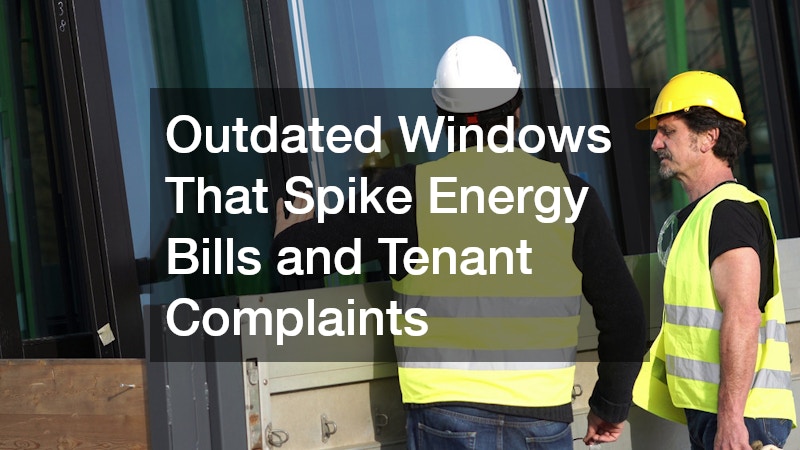
Old, drafty windows are one of the most common reasons tenants complain about high heating and cooling costs, especially in units where utilities aren’t included in rent. Single-pane windows or units with failed seals let conditioned air escape, forcing HVAC systems to work harder and driving up energy costs for whoever pays the bill. Window replacement is a significant upfront investment, but it often pays off through lower vacancy rates and fewer maintenance calls related to drafts or condensation between panes.
Beyond energy efficiency, updated windows improve security and noise reduction, two features that matter a great deal to long-term tenants. Landlords managing older properties should prioritize windows in bedrooms and living areas first, since these are the spaces tenants notice most during their day-to-day life.
- Check for drafts by holding a hand near the frame on a windy day
- Look for condensation between panes, a sign of seal failure
- Replace caulking and weatherstripping before replacing entire units
- Prioritize south and west facing windows for efficiency upgrades
Outdoor Living Additions That Boost Rent Without Overspending
For owners of single-family rentals or higher-end units, adding an outdoor living space can be a smart way to justify higher rent without a full renovation. Working with an outdoor kitchen contractor to add a modest grilling station or covered patio area can differentiate a property in a competitive rental market, particularly in warmer regions where outdoor living is a major selling point. These additions don’t need to be elaborate to make an impression on prospective tenants during a showing.
The key is choosing durable, low-maintenance materials so the addition doesn’t become another repair headache down the line. A simple, well-built outdoor space can increase perceived property value significantly relative to its cost, especially compared to interior renovations that disrupt tenants during construction.
- Choose weather-resistant materials like stainless steel or stone
- Keep design simple to minimize long-term upkeep
- Position seating areas away from direct afternoon sun when possible
- Factor in drainage so patios don’t pool water after rain
Tenant Turnover Logistics That Quietly Cost More Than Expected
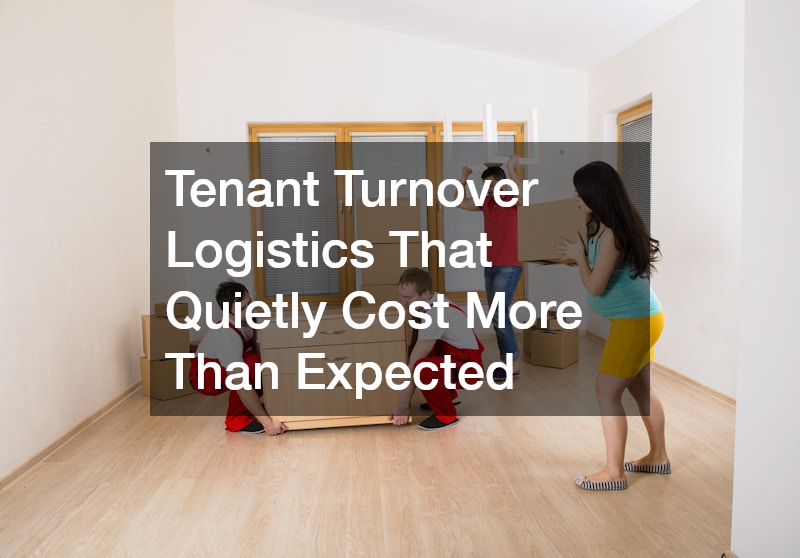
Turnover between tenants is one of the most overlooked drains on rental income because it involves so many small costs that add up fast: cleaning, repairs, marketing, and lost rent during vacancy. Many owners also underestimate the physical logistics involved, especially when a departing tenant leaves behind furniture or belongings that must be cleared before showings can begin. Hiring a moving company to handle bulky item removal or coordinate move-out logistics can actually speed up turnaround time and get the unit rent-ready faster.
Every extra day a unit sits vacant is a day of lost income, so efficiency during turnover matters more than most owners realize. Building a checklist for move-out day, including who is responsible for hauling away abandoned items, helps avoid the delays that quietly stretch a one-week turnover into a month-long vacancy.
- Schedule cleaning and repairs immediately after move-out
- Photograph the unit’s condition before and after each tenancy
- Coordinate move-out and move-in dates to minimize vacancy gaps
- Have a plan for abandoned furniture or belongings in the lease terms
None of these systems fail overnight, which is exactly why they’re so easy to ignore until the repair bill lands on your desk. The owners who protect their rental income are the ones who inspect proactively, budget for maintenance before it becomes an emergency, and treat small warning signs as worth addressing immediately. Start by walking your property this week with this list in hand, and note which of these systems need attention first. A little consistent maintenance now is far cheaper than the alternative later.