Owning a rental property can generate steady income, but only if you stay ahead of the wear and tear that every building experiences over time. Too many landlords treat maintenance as an afterthought, reacting to problems only after tenants complain or damage spreads beyond a simple fix. That approach almost always costs more in the long run, draining thousands of dollars a year in emergency repairs, lost rent, and tenant turnover. Understanding where small oversights turn into major expenses is the first step toward protecting your investment and your bottom line.
Roof Damage That Goes Unchecked for Too Long
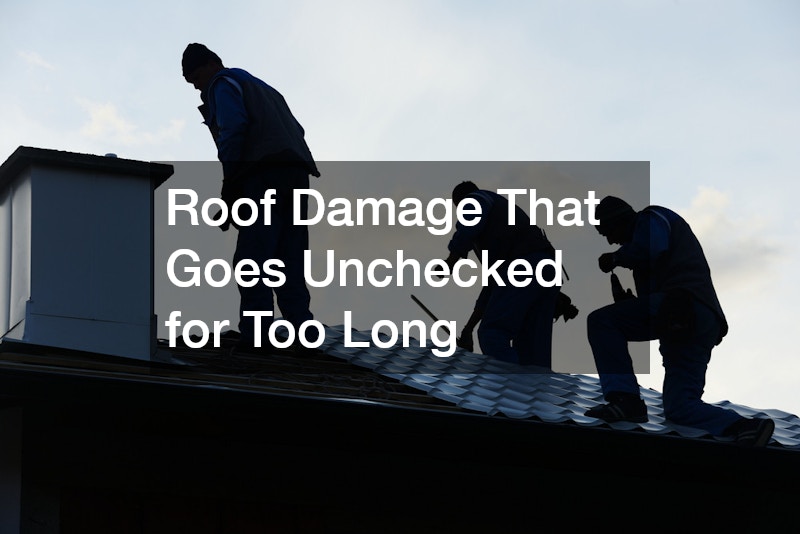 A roof in poor condition is one of the fastest ways for a rental property to lose value. Small leaks that seem minor at first can spread into attic insulation, ceiling drywall, and even electrical systems if left alone for a few rainy seasons. A single missing shingle might cost a few dollars to replace, but the water intrusion it allows can rot roof decking and framing within a year, turning a $200 fix into a $5,000 structural repair. Landlords who skip annual inspections often discover the damage only after a tenant reports water stains or mold smell, by which point the repair bill has multiplied. Mold remediation alone can run anywhere from $1,500 to $10,000 depending on how far spores have traveled through walls and ductwork, and some infestations require tenants to be temporarily relocated. Certain warning signs are easy to catch during a quick visual check: curling or missing shingles, granules collecting in gutters, sagging roof lines, or daylight visible through the attic. Catching these issues early, ideally through a professional inspection every spring and fall, typically limits repairs to a few hundred dollars rather than a full roof replacement costing $8,000 or more. Beyond the direct repair costs, unchecked roof damage can also trigger insurance complications. Many policies reduce or deny claims tied to “long-term neglect” once an adjuster determines the damage developed gradually rather than from a sudden storm event, leaving the landlord to absorb the full cost alone.
A small roof leak rarely stays small. Left alone, water works its way into the decking, then the insulation, then the drywall below, turning a $200 repair into a $5,000 remediation project. By the time stains appear on a tenant’s ceiling, the damage has usually been spreading unseen for months. Bringing in roofers for a yearly checkup costs far less than replacing rotted decking or dealing with a full roof collapse in a severe storm. A typical inspection runs $150 to $400, depending on the size of the property, while a full roof replacement can easily exceed $10,000. Most professionals will flag cracked flashing, missing shingles, or worn seals around vents before they become emergencies. Timing matters too. Scheduling inspections in the spring and fall catches problems left by winter ice or summer heat before they worsen, and it gives landlords a paper trail showing due diligence if an insurance claim ever comes up. Some insurers even offer premium discounts for documented annual roof inspections. Scheduling this kind of preventive visit is one of the cheapest insurance policies a property owner can buy.
- Check gutters and downspouts each season for granule buildup, a sign shingles are wearing thin and losing their protective coating
- Walk the attic with a flashlight after major storms, checking for daylight through boards, damp insulation, or water stains on rafters
- Address soft spots, sagging areas, or bounce in the roof surface immediately, as these often signal rotting decking underneath
- Watch for curling, cracked, or missing shingles, which typically appear years before an actual leak develops
- Keep detailed records of every inspection, repair, and roofer visit, including photos and dates, for insurance claims and resale disclosures
- Budget for a professional inspection every 1-2 years, since small repairs caught early often cost a few hundred dollars versus a full re-roof running into the thousands
Gutter and Drainage Systems That Overflow Every Season
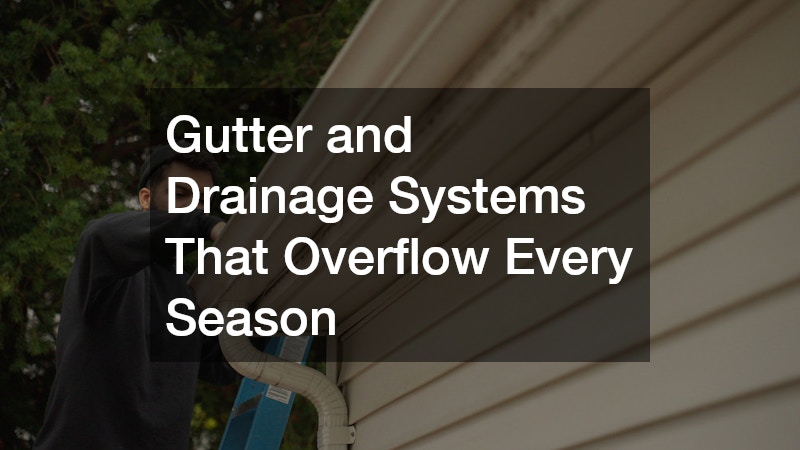
Clogged gutters seem like a minor nuisance until they cause foundation cracks, siding rot, or basement flooding. Water that cannot drain properly will find the path of least resistance, and that often means pooling against the foundation of the building. Over several seasons, this slow saturation weakens the structure in ways that are expensive and disruptive to fix.
Many landlords are turning to gutter guard installation as a way to cut down on the twice-yearly cleaning routine while reducing the risk of overflow during heavy rain. This upgrade does not eliminate maintenance entirely, but it significantly lowers the chances of debris buildup that leads to costly water damage. For landlords managing multiple properties, this small investment saves hours of labor and prevents claims related to water intrusion.
- Inspect gutters after major storms, even with guards installed
- Check downspouts for proper drainage away from the foundation
- Watch for sagging gutter sections that pull away from the roofline
- Address ice dams promptly in colder climates
HVAC Systems That Break Down at the Worst Time
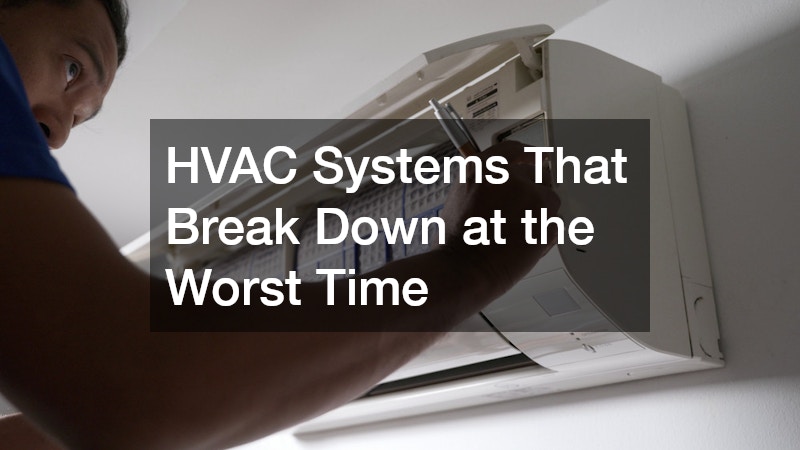
Heating and cooling systems are among the most expensive components in any rental property, and neglecting them shortens their lifespan dramatically. A unit that is never serviced works harder than it should, driving up utility costs for tenants and increasing the odds of a mid-summer breakdown. Landlords who skip filter changes and annual tune-ups often find themselves paying for full system replacements years before necessary.
Scheduling a technician to check the air conditioning before peak season arrives can catch small issues like refrigerant leaks or worn belts before they cause a total shutdown. This is especially important in rental units, where tenants may not report a problem until the home becomes uncomfortable. A properly maintained system also uses less energy, which can be a selling point when marketing the property to prospective renters.
- Replace air filters every one to three months
- Clean outdoor condenser units of leaves and debris
- Schedule professional tune-ups each spring
- Track the age of the unit to plan for eventual replacement costs
Plumbing Issues That Turn Into Structural Damage
A dripping faucet or slow drain rarely feels urgent, which is exactly why so many landlords let these problems linger. Left unaddressed, minor leaks can rot subflooring, encourage mold growth, and spike water bills without anyone noticing right away. Pipes that freeze or corrode without warning can cause sudden flooding that damages flooring, walls, and personal belongings in the unit.
Building a relationship with a reliable plumbing service means small issues get resolved before they become five-figure disasters. Routine inspections of water heaters, supply lines, and shutoff valves can catch corrosion or wear long before a pipe bursts. Landlords who treat plumbing maintenance as a scheduled task rather than an emergency response consistently spend less over the life of the property.
- Test water heater pressure relief valves annually
- Inspect under-sink connections for slow leaks
- Know the location of the main water shutoff valve
- Address low water pressure promptly, as it often signals a bigger issue
Flooring That Wears Out Faster Without Proper Care
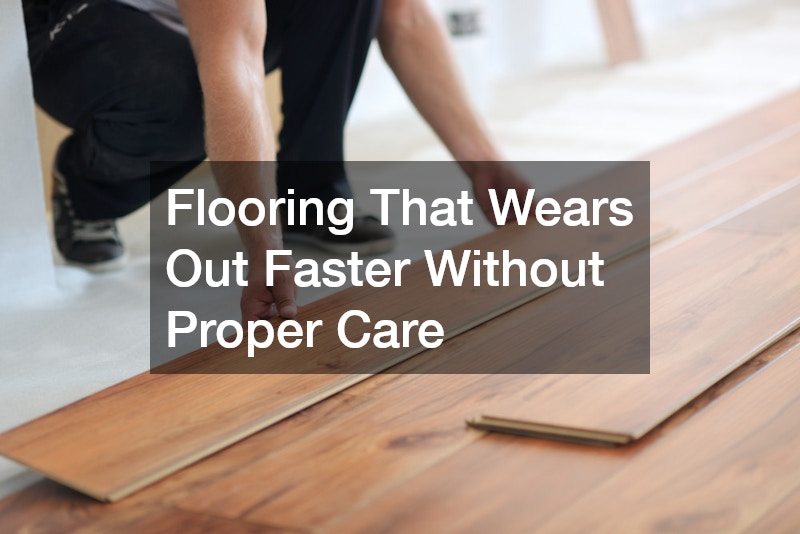
Flooring takes a beating in rental properties, especially with tenant turnover bringing new furniture, pets, and daily foot traffic. Landlords who ignore small issues like loose tile grout or warped laminate often end up replacing entire rooms instead of making a targeted repair. Water damage from appliances or plumbing leaks can also seep into subflooring, turning a simple fix into a full renovation.
Visiting a flooring store to compare durable, tenant-friendly materials before a unit turnover can save money over time, since some products hold up far better under heavy use than others. Luxury vinyl plank, for example, resists moisture and scratching better than traditional carpet in high-traffic units. Choosing the right material upfront reduces how often floors need replacing between tenants.
- Inspect flooring during every move-out walkthrough
- Repair small cracks or chips before they spread
- Consider water-resistant materials in kitchens and bathrooms
- Budget for flooring replacement every seven to ten years in high-turnover units
Garage Doors That Fail Without Warning
Garage doors are easy to overlook because tenants rarely think to report a stiff or noisy door until it stops working entirely. A worn spring under tension can snap suddenly, posing a safety risk and often damaging the door track or opener in the process. Because garage doors are heavy and mechanically complex, this is not a component landlords should try to fix themselves.
Arranging garage door spring repair at the first sign of strain, such as uneven movement or loud grinding, prevents a full system failure that could injure a tenant or trap a vehicle inside. Regular lubrication and visual inspections of the cables and tracks can extend the life of the entire unit. Addressing this early is far cheaper than replacing an entire door assembly after a spring failure damages surrounding hardware.
- Listen for grinding or popping sounds during operation
- Check for visible rust or fraying on cables
- Test the auto-reverse safety feature regularly
- Never attempt spring adjustments without proper training
Outdoor Trees and Landscaping That Threaten the Property
Overgrown trees and unstable branches are a liability that many landlords underestimate until a storm brings a limb down on the roof or a parked car. Root systems can also grow into sewer lines or crack foundations over time, leading to repairs that are both expensive and disruptive to tenants. Regular landscaping upkeep is not just cosmetic, it is a safety and property protection measure.
Hiring a tree removal crew to handle dead or leaning trees before they become a hazard is far less costly than dealing with storm damage after the fact. Professionals can also assess root proximity to plumbing lines and foundations, catching problems that are not visible from the surface. Keeping trees trimmed away from rooflines reduces the risk of debris clogging gutters or scratching siding.
- Schedule tree inspections after major storms
- Remove dead branches before winter weather arrives
- Watch for lifting sidewalks or driveways near large trees
- Keep tree canopies trimmed away from roof edges and power lines
Fencing and Perimeter Security That Deteriorate Over Time
A damaged fence might seem like a low priority compared to plumbing or roofing, but it plays a real role in tenant safety and property value. Broken gates or leaning posts can create liability issues, especially in properties with pools, pets, or small children on site. Fencing also affects curb appeal, which influences how quickly a unit rents and at what price.
Working with a fence company to repair rotting posts or replace damaged panels keeps the perimeter secure and looking presentable for prospective tenants. Wood fences in particular need periodic staining or sealing to prevent warping and rot from constant weather exposure. A well-maintained fence line also helps prevent disputes with neighbors over property boundaries.
- Inspect fence posts for rot or leaning after winter
- Reseal wood fencing every two to three years
- Check gate latches and hinges for smooth operation
- Address boundary disputes before they involve legal fees
Backyard Amenities That Turn Into Liability Risks
Properties with extras like pools or spas can command higher rent, but they also come with maintenance demands that many landlords underestimate. A neglected hot tub, for example, can develop cracked shells, faulty heaters, or bacteria buildup that creates both a repair bill and a health hazard for tenants. These amenities require consistent attention, not occasional check-ins.
Partnering with hot tub companies for seasonal servicing ensures filtration systems, jets, and heating elements stay in working order year-round. Skipping this maintenance often leads tenants to stop using the amenity altogether, which reduces the property’s rental appeal despite the ongoing cost of upkeep. Landlords offering these extras should treat their maintenance as a fixed cost of doing business, not an optional expense.
- Test water chemistry weekly if the amenity is in active use
- Schedule professional servicing at least twice a year
- Repair cracks or leaks in the shell immediately
- Factor amenity upkeep into rental pricing calculations
Larger Renovations That Prevent Costly Emergencies
Sometimes maintenance neglect builds up to the point where small repairs are no longer enough, and a larger renovation becomes the more cost-effective path forward. Outdated electrical panels, aging kitchens, or failing insulation can all reach a tipping point where patch repairs cost more over time than a full update. Recognizing this threshold early can prevent a property from falling into a cycle of constant emergency fixes.
Consulting with remodeling companies before problems compound can help landlords plan upgrades strategically, spreading costs over time rather than absorbing them all at once during a crisis. A well-planned renovation can also increase rental value and attract higher-quality tenants who are more likely to report issues early. Thinking of major updates as an investment rather than an expense shifts the entire maintenance mindset toward prevention.
- Prioritize updates to electrical and plumbing systems first
- Time renovations around tenant turnover when possible
- Get multiple quotes before committing to large projects
- Factor renovation costs into long-term rental pricing strategy
Deferred maintenance rarely stays small, and the properties that cost landlords the most are usually the ones where minor issues were ignored for months or years. Building a proactive maintenance schedule, working with trusted professionals, and budgeting for regular upkeep protects both the property and the income it generates. The next step is simple: walk through your property this week, make a list of anything that looks worn or overdue for attention, and start addressing it before it becomes an expensive emergency.