A home that looks fine on the surface can quietly bleed money for years before the damage becomes obvious. Deferred maintenance does not stay small; it compounds, turning a modest repair into a five-figure project and eating away at the equity you have worked hard to build. Whether you own a single family home or a rental property, understanding where neglect hits hardest can help you protect your investment before the numbers get away from you. This article breaks down the systems most likely to cost you if ignored, and what proactive care actually looks like.
How Aging Foundations Undermine Property Value
The foundation is the one part of the house that, when it fails, threatens everything built on top of it. Small hairline cracks might seem cosmetic, but they often signal soil movement or water intrusion that will worsen every season. Once a foundation begins to shift, doors stop closing properly, floors slope, and cracks spread across walls, all of which show up as red flags during a home inspection.
Buyers and appraisers treat foundation issues as a major liability, often knocking tens of thousands of dollars off an offer even when the fix is manageable. Calling in a foundation repair specialist at the first sign of trouble, rather than waiting for visible sagging, keeps the cost contained and preserves resale value. Waiting rarely saves money; it almost always multiplies the eventual bill.
Why Roof Neglect Accelerates Interior Damage
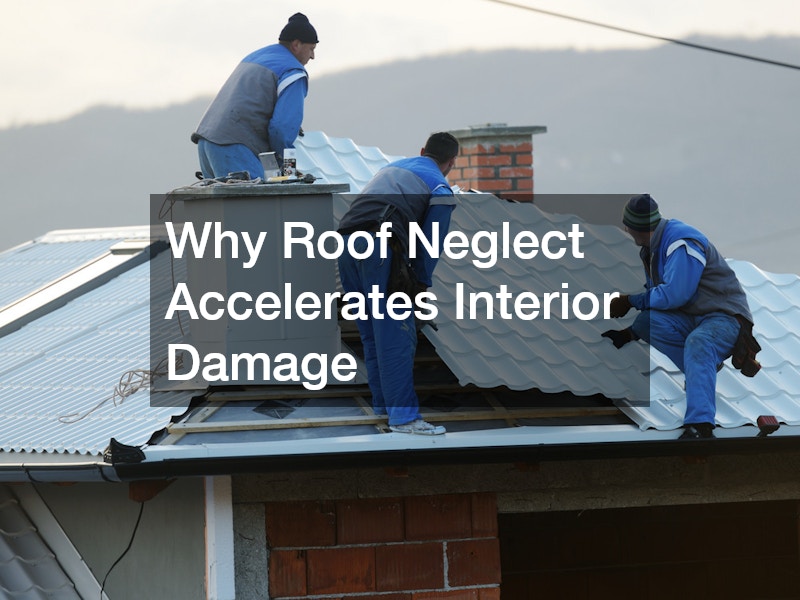
A roof in poor condition does more than let in rain; it accelerates decay throughout the entire structure. Once shingles curl, crack, or go missing, water finds its way into attic insulation, ceiling drywall, and eventually electrical systems, creating problems far more expensive than the original leak. Mold growth from prolonged moisture exposure can also trigger health concerns and costly remediation.
Scheduling routine roof repairs at the first sign of wear, such as granule loss in gutters or dark streaking on shingles, is far cheaper than replacing rotted decking or damaged ceilings later. Insurance companies also scrutinize roof condition closely, and a neglected roof can lead to denied claims or higher premiums. A roof that is properly maintained protects everything underneath it, which is ultimately the entire value of the home.
What Ignored Heating Systems Cost Homeowners Over Time
Furnaces do not fail all at once; they degrade gradually, working harder and burning more fuel as components wear down. A unit operating at reduced efficiency can quietly add 10-20% to monthly heating bills, a cost that rarely gets traced back to the furnace until much later. Homeowners who ignore strange noises, uneven heating, or rising utility bills often end up paying for that inefficiency for years before the unit finally quits. Small warning signs tend to compound. A cracked heat exchanger, a clogged filter, or a failing blower motor may seem like minor annoyances, but each forces the system to consume more energy just to maintain the same comfort level. Left unaddressed, these issues also shorten the furnace’s overall lifespan, turning a unit that should last 15-20 years into one that struggles to make it past ten. By the time a system breaks down completely, mid-winter, it is often too late for anything but an emergency furnace replacement at a premium price. Emergency service calls typically cost more than scheduled ones, and contractors may have limited inventory during peak cold spells, leaving homeowners to accept whatever equipment is available rather than the best option for their home. What began as a minor, ignorable inefficiency ends up as a rushed, costly decision made under pressure.
A neglected heating system rarely fails all at once. It usually sends warning signs first: strange odors, uneven heating between rooms, rising utility bills, or a furnace that cycles on and off more than it used to. Homeowners who ignore these signals often end up paying for a full system breakdown that a $150 tune-up could have prevented. Working with a qualified HVAC contractor for annual inspections can catch small issues, like a failing igniter, a cracked heat exchanger, or a clogged filter, before they turn into full system failures. These visits typically include cleaning components, checking refrigerant or gas pressure, and testing safety controls that homeowners can’t easily assess themselves. Regular maintenance also extends the life of the unit, often by several years, which delays the significant expense of full replacement. Skipping these checkups might save a small service fee today, usually $75 to $200 per visit, but tends to cost thousands down the road. A furnace or heat pump that dies unexpectedly in the middle of winter forces homeowners into rushed, often more expensive replacement decisions rather than planned upgrades. Over a decade, that difference in approach can mean the gap between a $400 annual maintenance habit and a $6,000 emergency replacement bill.
How Untrimmed Trees Threaten Structures and Safety
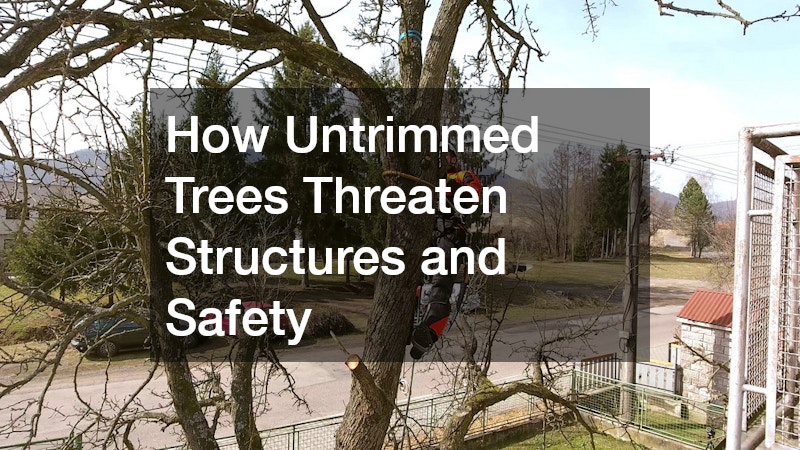
Overgrown trees are frequently overlooked as a financial risk, yet they can cause some of the most sudden and expensive property damage. Branches hanging over rooflines drop debris that wears down shingles, while root systems can grow into sewer lines or disrupt foundation soil over time. During storms, weak or overextended limbs are far more likely to snap and cause serious damage to roofs, siding, or vehicles parked nearby.
Routine tree trimming keeps canopies balanced and reduces the load on weak limbs, which lowers the risk of storm damage significantly. It also improves sunlight and airflow around the property, which can help prevent moss growth on roofing and siding. A property with well maintained trees signals to buyers that the landscaping, and by extension the home, has been cared for consistently.
Why Cracked Walkways and Patios Signal Bigger Structural Issues
Patios, walkways, and retaining walls are often dismissed as purely aesthetic, but cracking or shifting hardscaping frequently points to drainage or soil problems underneath. When water is not directed away from the home properly, it pools near the foundation and accelerates the same structural issues discussed earlier. Ignoring these cracks does not just look bad; it allows the underlying cause to keep working against the property.
A qualified hardscaping professional can identify whether cracks are due to normal settling or a more serious grading issue that needs correction. Repairing these features promptly also protects against trip hazards, which matter for liability if you ever have visitors, tenants, or potential buyers walking the property. Well maintained outdoor surfaces contribute meaningfully to curb appeal, which directly affects how quickly a home sells and at what price.
How Backyard Water Features Increase Or Erode Property Value

Pools and patios can be significant value boosters when properly maintained, but neglected versions often become liabilities that scare off buyers. Cracked decking, stained plaster, and malfunctioning equipment all signal ongoing maintenance costs that buyers factor into their offers. In many markets, an unmaintained pool actually reduces a home’s value rather than adding to it, despite the initial investment required to install one.
Bringing in a pool patio contractor for periodic resurfacing and structural checks helps keep the space looking like an asset rather than a burden. Addressing small deck cracks or drainage issues early prevents water from undermining the surrounding soil, which can again tie back to foundation stability. A well kept pool area remains one of the more attractive features for buyers, provided it does not come with a maintenance backlog.
Why Delayed Plumbing Repairs Multiply in Cost
Plumbing problems have a way of hiding behind walls and under floors until the damage is extensive. A slow leak under a sink or behind a shower wall can quietly rot framing, ruin flooring, and encourage mold growth long before a homeowner notices a problem. What starts as a small repair can turn into replacing subfloors, drywall, and cabinetry if left unaddressed. The math on delayed plumbing repairs is unforgiving. A pinhole leak that would cost $150 to fix at the source can, after a year of steady moisture exposure, lead to $3,000-$8,000 in water damage restoration, mold remediation, and structural repairs. Insurance often complicates matters further, since many policies exclude damage classified as resulting from “long-term neglect” rather than a sudden event, leaving the owner to absorb the full cost. Certain warning signs deserve immediate attention rather than a wait-and-see approach: unexplained increases in water bills, soft or discolored spots on walls and ceilings, musty odors in cabinets, and slow drains that never fully resolve. Each of these can indicate a leak that’s already been active for weeks or months. For an investment property, the stakes compound further. Undetected water damage can force units offline for repairs, drive away tenants dealing with mold-related health concerns, and trigger costly disputes over habitability. Routine plumbing inspections, even a simple annual check of supply lines, water heaters, and visible pipe joints, cost far less than the cascading repairs that neglect invites.
A single undetected pipe leak can waste hundreds of gallons of water before anyone notices, and by the time a stain appears on the ceiling or floor, the damage often extends well beyond the visible area. Partnering with a reliable plumbing company for periodic inspections, especially in older homes with original pipe systems, helps catch corrosion, loose joints, or slow leaks before they escalate into emergencies. Many companies offer annual or biannual checkups that cost far less than a single emergency service call, making them one of the easiest maintenance items to justify. Water pressure issues, discolored or rusty water, slow drains, and unexplained increases in the water bill are all signs worth investigating promptly. A jump of even 20-30% on a water bill with no change in usage habits often points to a hidden leak somewhere in the system. Small warning signs like a faint musty odor under a sink or slight warping in nearby flooring can also indicate a problem building behind the walls. Because water damage is one of the more expensive and disruptive issues to repair, staying ahead of plumbing wear is one of the most cost effective forms of preventive maintenance. Left unaddressed, a minor leak can lead to mold remediation, subfloor replacement, or even structural repairs that run into the thousands of dollars. What starts as a $150 inspection or repair can easily become a $10,000 renovation project if ignored long enough.
How Poor Site Grading Leads to Long Term Drainage Problems
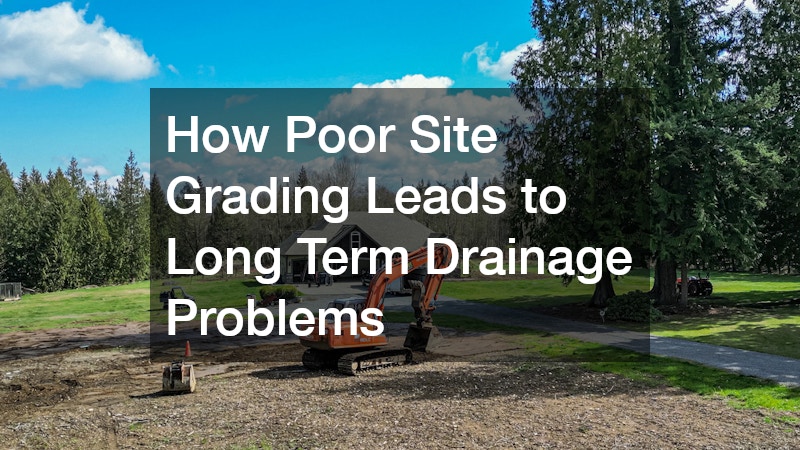
Improper grading around a property is one of the most underestimated contributors to long term structural damage. When the land around a home slopes toward the foundation instead of away from it, every rainstorm sends water where it should never go. Over time, this creates the exact conditions that lead to basement flooring, mold, and foundation cracking discussed in earlier sections.
Correcting grading issues often requires bringing in excavating contractors who can regrade the yard, install proper drainage channels, or adjust the slope near the foundation. This kind of work is more involved than most DIY landscaping projects, since it requires an understanding of water flow and soil composition. Addressing grading problems early is significantly less expensive than repairing years of accumulated water damage later.
What Neglected Maintenance Means When It Is Time To Sell
Even homeowners who plan to stay in a property for years eventually face a point where deferred maintenance affects their options, whether that is refinancing, insurance renewal, or an eventual sale. A property with a long list of unresolved issues tends to sell for less and take longer to move, since buyers negotiate hard once inspection reports come back with red flags. On the other hand, a well documented maintenance history can actually speed up a sale and support a stronger asking price.
For those who do decide to sell, the logistics of moving become easier when the home is in solid shape, since sellers are not scrambling to make last minute repairs while coordinating movers. Many people find that lining up moving companies well in advance, once a home is prepped and listed, keeps the transition smoother and less stressful. Ultimately, the condition of a property shapes not just its price, but how easily the entire sale process unfolds.
Property neglect rarely announces itself loudly; it shows up gradually in small cracks, minor leaks, and rising utility bills until the cumulative cost becomes hard to ignore. The good news is that most of these issues are manageable and far less expensive when addressed early rather than after they escalate. Taking stock of your home’s major systems today, and scheduling the inspections or repairs that have been put off, is the most practical step toward protecting your investment for the long run.