
Most homeowners don’t think about their electrical panel, sewer line, or roof decking until something fails, and by then the repair bill can feel like it came out of nowhere. Hidden systems like plumbing, wiring, and HVAC components live behind walls and under floors, quietly aging until a leak, short circuit, or breakdown forces the issue. Understanding what these repairs typically cost, and what drives the price up or down, helps you budget realistically and avoid panic decisions when something breaks. This guide walks through the most common hidden home systems, what repairs actually run, and how to plan ahead so surprises hurt your wallet a little less.
Electrical Panel and Wiring Repairs
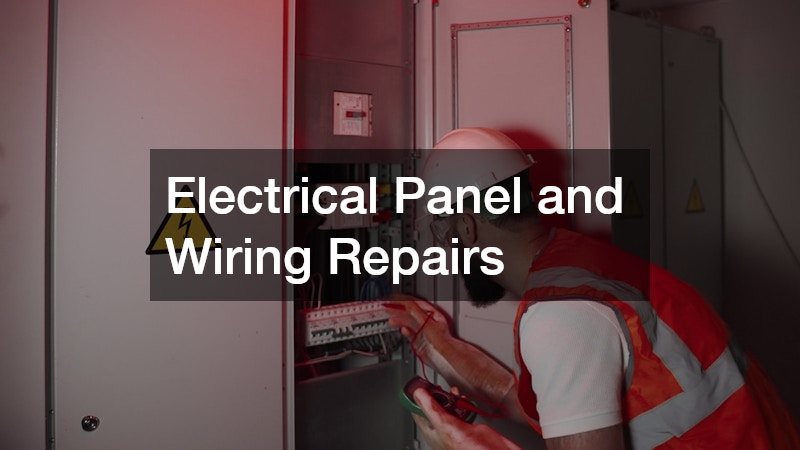
Electrical problems are some of the most dangerous to ignore, and they’re often invisible until a breaker trips repeatedly or an outlet stops working. Rewiring an entire home can run from a few thousand dollars into the tens of thousands depending on square footage and wall access, while replacing a single outdated panel is usually a smaller, more contained expense. Because electrical work carries real fire and shock risk, this is one repair category where cutting corners with an unlicensed handyman can cost far more later in damage or code violations.
Hiring a professional electrician is the safest way to get an accurate diagnosis and a repair that passes inspection. A licensed electrician can also spot secondary issues, like aluminum wiring or overloaded circuits, that a homeowner would never catch on their own.
- Panel replacement typically costs 1,500 to 4,500 dollars depending on amperage and brand
- Rewiring a whole house can range from 8,000 to 20,000 dollars or more
- Adding a dedicated circuit for a large appliance often costs 300 to 800 dollars
- Diagnostic visits alone usually run 100 to 250 dollars before repair costs
Plumbing Leaks and Sewer Line Damage
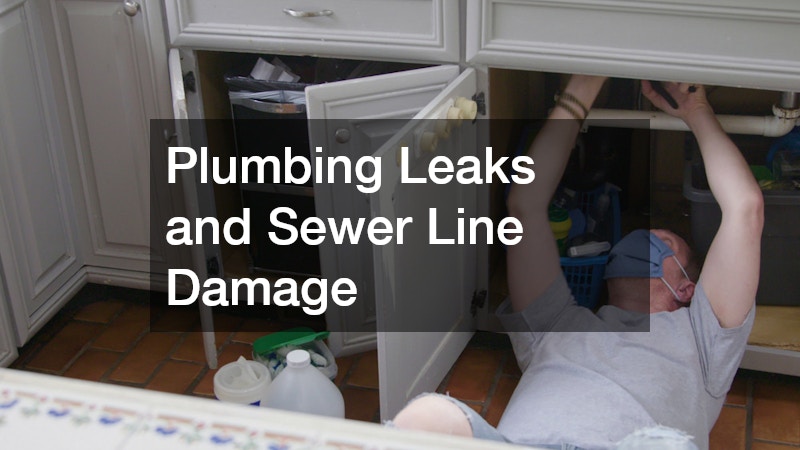
Plumbing failures hide behind drywall, under slabs, and beneath yards, which is exactly why they tend to be expensive by the time anyone notices them. A slow leak under a sink might cost a couple hundred dollars to fix, but a collapsed sewer line requiring excavation can easily climb past 10,000 dollars once trenching and landscaping restoration are factored in. Older homes with cast iron or clay pipes are especially prone to root intrusion and corrosion, which accelerates the timeline for a major repair.
Calling reputable plumbing services at the first sign of trouble, like slow drains or a persistent damp spot on the ceiling, can prevent a small fix from becoming a full pipe replacement. Many companies now offer camera inspections that pinpoint the exact problem area, which can save money by avoiding unnecessary digging.
- Simple leak repairs often cost 150 to 500 dollars
- Water heater replacement typically runs 1,000 to 2,500 dollars
- Sewer line repair or replacement can cost 3,000 to 15,000 dollars depending on method and depth
- Trenchless repair options are pricier upfront but reduce yard damage
Heating and Cooling System Failures
HVAC systems are large investments, and their hidden components, like ductwork, refrigerant lines, and compressors, can fail quietly for months before a homeowner notices reduced efficiency or strange noises. A basic furnace repair might only cost a few hundred dollars, but a full system replacement is a much bigger commitment. For homeowners looking at long-term efficiency, a geothermal HVAC system is worth researching, since it uses stable underground temperatures to heat and cool a home and can dramatically cut monthly energy bills over its lifespan, even though the installation cost is significantly higher than a conventional system.
The upfront price of a geothermal setup can range widely based on loop type and property size, but many homeowners recoup the investment through energy savings and available tax incentives over ten to fifteen years. Regular maintenance, regardless of system type, remains the cheapest way to avoid an unexpected mid-summer or mid-winter breakdown.
- Standard furnace or AC repairs typically cost 150 to 600 dollars
- Full HVAC system replacement can run 5,000 to 12,000 dollars
- A geothermal system installation often ranges from 20,000 to 30,000 dollars before incentives
- Annual maintenance visits usually cost 100 to 300 dollars and can extend system life significantly
Roof Leaks and Structural Damage
A roof is one of the most expensive systems to repair precisely because problems are rarely visible from the ground until water has already made its way inside. Missing shingles, damaged flashing, or a failing underlayment can lead to rot in the decking below, which turns a moderate repair into a much larger structural project. Storm damage in particular tends to hide beneath the surface, so a small leak reported after heavy wind or hail is often a sign of broader damage.
Getting a qualified roofer to inspect the property annually, or immediately after a major storm, is the most reliable way to catch problems before they spread. Many roofing companies offer free inspections and can provide a written estimate that breaks down labor, materials, and any necessary structural repairs separately.
- Minor shingle or flashing repairs typically cost 300 to 1,000 dollars
- Larger leak repairs involving decking replacement can run 1,500 to 5,000 dollars
- Full roof replacement often costs 8,000 to 20,000 dollars depending on materials and roof size
- Metal and tile roofing cost more upfront but last significantly longer than asphalt shingles
Foundation Cracks and Settling
Foundation issues are among the most feared hidden repairs because they affect the structural integrity of the entire home. Hairline cracks are often cosmetic and inexpensive to seal, but wider cracks, uneven floors, or doors that suddenly stick can signal soil movement or water intrusion that requires professional grading or piering. Ignoring early warning signs almost always leads to a more expensive fix later, since foundation problems rarely stay the same size.
Addressing drainage around the home, like regrading soil or extending downspouts, is often a cheaper first step than jumping straight to structural repair. A foundation specialist can determine whether the movement is stable or ongoing, which changes the entire scope and cost of the recommended fix.
- Crack injection repairs typically cost 300 to 1,000 dollars
- Piering or underpinning for serious settling can run 5,000 to 15,000 dollars or more
- Drainage improvements often cost 500 to 3,000 dollars depending on scope
- Waiting to address a growing crack usually increases the eventual repair cost
Garage Door Openers and Track Alignment
The garage door is one of the largest moving parts of a home, and its components, springs, cables, tracks, and openers, wear out with regular daily use. A misaligned track or a worn spring might seem minor, but a spring under high tension can be dangerous to handle without the right tools and experience. Because the average garage door cycles thousands of times a year, it experiences more mechanical stress than almost any other part of the house.
Scheduling a garage door service at the first sign of grinding noises, uneven movement, or a door that won’t fully close can prevent a full system replacement down the line. Technicians can also check the balance and safety sensors, which matters both for convenience and for household safety.
- Spring replacement typically costs 150 to 350 dollars
- Opener repair or replacement runs 150 to 500 dollars depending on the motor type
- Track realignment or roller replacement often costs 100 to 300 dollars
- A full door replacement, including hardware, can range from 750 to 3,000 dollars
Outdoor Trees, Fencing, and Yard Structures

While not technically inside the home, outdoor systems like large trees and fencing directly affect a property’s safety and can cause expensive damage if neglected. Overgrown branches near a roofline or power line are a common cause of storm damage, which is why routine tree trimming is one of the more cost-effective preventive services a homeowner can schedule. Professional tree trimming typically runs $300 to $700 per tree depending on height and accessibility, while removing a large dead or diseased tree can cost $1,500 or more once stump grinding is included. Skipping this maintenance is a gamble: a single fallen limb can crack a roofline, crush a fence section, or take down a power line, and repairs from that kind of damage routinely climb into the thousands. Insurance may cover storm-related tree damage, but many policies exclude harm caused by trees that were already visibly dead or neglected, leaving the homeowner to absorb the cost. Similarly, a leaning or rotting fence isn’t just a cosmetic issue, it can become a liability if it collapses onto a neighboring property or fails to contain pets. Replacing a wood fence generally costs $15 to $30 per linear foot, while repairing individual posts or panels after rot or storm damage can run $150 to $500 per section depending on materials and labor. Homeowners should also watch for less obvious warning signs, like gate posts that have shifted out of square, soil erosion exposing footings, or persistent moisture at the base of posts, since these often signal deeper structural decay before any visible leaning occurs.
Beyond the fence line, mature trees deserve their own line item in your maintenance budget. A certified arborist visit for pruning typically runs $300 to $900 depending on tree size and access, while removing a large, diseased tree can climb past $1,500 once stump grinding is included. Left unaddressed, a compromised limb or root system can damage siding, foundations, or underground utility lines, turning a modest trim into a much larger repair. Fencing carries similar hidden costs. Replacing a single rotted post runs $150 to $300, but a full section rebuild after storm damage can easily reach $1,000 or more, especially with metal or vinyl materials that require specialized fasteners. Working with a reliable fence company for repairs or replacement ensures posts are set at the proper depth and anchored below the frost line, with materials matched to the local climate, whether that’s wood, vinyl, or metal. Other yard structures, like retaining walls, pergolas, and sheds, are easy to overlook until they start leaning or leaking. Retaining walls in particular can cost thousands to rebuild if drainage issues go unnoticed and cause soil erosion behind the structure. Catching small issues, like a single loose post, a hairline crack in a wall, or a low-hanging limb, is far cheaper than dealing with the aftermath of a storm that brings down an entire section or collapses a structure altogether.
- Routine tree trimming typically costs 200 to 800 dollars per tree, with taller trees or those near power lines pushing toward the high end
- Stump grinding after removal adds another 75 to 400 dollars depending on stump diameter
- Tree removal for a large or hazardous tree can run 500 to 3,000 dollars, with emergency storm-damage removal costing more due to rushed scheduling
- Fence repair for a few damaged sections often costs 150 to 600 dollars, covering issues like broken posts, leaning sections, or storm-damaged panels
- Gate repair or realignment typically adds 100 to 300 dollars to a repair job
- Full fence replacement can range from 2,500 to 10,000 dollars depending on material and yard size, with wood on the lower end and vinyl or ornamental metal costing more
- Retaining walls, decks, and pergolas each carry their own repair costs, often 500 to 5,000 dollars depending on materials and structural damage
Flooring and Countertop Replacement Costs

Not every hidden system involves pipes or wires, sometimes the biggest hidden cost is what’s underneath your flooring or behind aging countertops. Subfloor damage from long-term moisture exposure often isn’t discovered until a renovation begins, and it can add unexpected cost to what seemed like a simple cosmetic update. Rotted plywood or particleboard subfloor typically runs $3 to $10 per square foot to replace, and that’s before the new flooring goes back down on top of it. Countertops carry their own set of surprises, especially in older kitchens and bathrooms. Water damage around sink cutouts can silently degrade the cabinet base and surrounding subfloor for years, so a $2,000 countertop swap can turn into a $5,000 project once contractors open the cabinets and find soft, discolored wood underneath. Materials matter too: laminate replacement is relatively affordable, while natural stone or quartz can run well over $100 per square foot installed, making it worth budgeting extra for any structural surprises found along the way. For garages, basements, and workshops, epoxy flooring has become a popular option because it seals the concrete against moisture and stains while giving the space a durable, finished look. Professional epoxy flooring installation generally costs between $3 and $12 per square foot depending on the number of coats, decorative flakes, and any concrete repair needed beforehand. It’s also worth noting that epoxy performs best over concrete that’s free of existing moisture problems, so an inspection for cracks or vapor issues before installation can prevent premature peeling and save on rework later.
In kitchens and bathrooms, replacing countertops is often paired with plumbing and electrical updates, since sinks, faucets, and outlets typically need to be temporarily disconnected during installation. This coordination adds labor costs beyond the countertop material itself, often another $200 to $500, depending on how many fixtures need to be detached and reset. Material choice makes a significant difference in price. Laminate remains the most budget-friendly option, running roughly $20 to $50 per square foot installed, while butcher block and tile fall in a mid-range tier. Natural stone like granite or marble, along with engineered quartz, sits at the higher end, often $60 to $150 per square foot, depending on slab quality, edge detailing, and whether seams are visible. Flooring costs follow a similar pattern, varying widely by material and what’s underneath the surface. Replacing vinyl or laminate flooring typically costs $3 to $8 per square foot, while hardwood or tile can climb to $10 to $20 per square foot once subfloor repairs are factored in. If water damage or rot is discovered underneath old flooring, expect additional costs for subfloor replacement before new material can even be installed.
- Epoxy flooring installation typically costs 3 to 12 dollars per square foot depending on the finish, with metallic or decorative flake coatings landing at the higher end
- Subfloor repair or replacement can run 500 to 4,500 dollars depending on the extent of damage, with water-damaged plywood or rotted joists driving costs toward the top of that range
- Laminate countertops often cost 20 to 50 dollars per square foot installed, making them a budget-friendly option for kitchen or bathroom updates
- Quartz or granite countertops can range from 60 to 150 dollars per square foot installed, with exotic stone slabs and custom edge profiles pushing prices higher
- Butcher block or solid-surface countertops fall in between, typically 40 to 80 dollars per square foot installed
- Removal and disposal of old flooring or countertops can add 1 to 5 dollars per square foot to any project
Whole Home Renovation and System Coordination
When multiple hidden systems fail around the same time, or a homeowner decides to address several issues at once, coordinating the work becomes its own challenge. This is where remodeling companies can add real value, since they manage scheduling between electricians, plumbers, and other trades so systems are updated in the right order rather than causing rework. For example, opening a wall for new wiring is a logical time to also check for outdated plumbing behind the same wall.
A good remodeling company will also help prioritize which repairs are urgent versus cosmetic, which can prevent a homeowner from overspending on finishes while a structural issue goes unaddressed. Getting multiple quotes and asking for a phased project timeline can make a large multi-system renovation far less overwhelming.
- Bundling electrical and plumbing updates during a renovation often reduces overall labor costs
- Phased renovations allow homeowners to spread expenses over several months or years
- Always ask for permits and inspection records when multiple systems are updated at once
- A detailed written estimate helps avoid scope creep during larger projects
Hidden home systems don’t stay hidden forever, and the cost of ignoring early warning signs almost always exceeds the cost of addressing them promptly. Start by identifying which systems in your home are oldest or showing subtle symptoms, then get a professional assessment before small issues turn into emergencies. Keeping a simple maintenance calendar and setting aside a modest repair fund each year can turn these unpredictable expenses into manageable, planned-for costs.