If you own a rental property, the condition of that property is not just a cosmetic issue, it is a financial one. Tenants notice peeling paint, outdated kitchens, and slow-draining sinks, and they factor those flaws into whether they renew a lease or move on. Vacancies, deferred maintenance, and emergency repairs quietly eat into your bottom line month after month. Understanding exactly which systems and features drive rental value can help you prioritize spending and protect your income for years to come.
Roof Integrity and Its Effect on Tenant Retention
A leaking or aging roof is one of the fastest ways to lose tenants and damage your reputation as a landlord. Water stains on ceilings, mold growth, and higher utility bills from poor insulation all trace back to roofing problems that landlords sometimes ignore for too long. Reputable roofing contractors can assess whether a repair or a full replacement makes more financial sense based on the age and condition of your current roof.
Beyond tenant comfort, insurance companies and mortgage lenders often require documentation of roof condition, which can affect your ability to refinance or insure the property. Scheduling a professional inspection every few years catches small issues before they become five-figure emergencies. A well-maintained roof also signals to prospective renters that the property has been cared for, which supports higher asking rents.
- Missing or curling shingles that let moisture into the attic
- Sagging rooflines that suggest structural damage
- Stained or bubbling ceiling paint on upper floors
- Rising energy bills tied to poor attic insulation
Storefront and Entryway Repairs for Mixed Use Properties
If your rental includes a commercial or mixed use component, the entrance is the first thing customers and tenants see, and damaged glass or misaligned frames can drive away business. Aluminum storefront doors repairs and replacements are a common need in older retail spaces, especially where heavy foot traffic has worn down hinges, seals, and locking mechanisms. A storefront that looks neglected can make it harder to attract or retain commercial tenants who rely on a professional appearance to draw in their own customers.
Beyond appearance, a poorly sealed entry door lets in drafts, pests, and moisture, which raises heating and cooling costs for whoever occupies the space. Fixing these issues promptly protects the building envelope and keeps energy costs predictable for tenants, making your property more attractive compared to competing listings nearby.
Reliable Water Supply Through Private Wells
For rural or semi-rural rental properties, water supply is not something to take for granted, and a failing well can shut down a rental entirely until it is fixed. Low water pressure, cloudy water, or a pump that runs constantly are all signs that the system needs professional attention. Well drilling may be necessary if the existing well no longer produces enough water for the household, especially if you have added bedrooms or bathrooms since the well was originally installed.
Tenants expect consistent water pressure and clean water as a baseline requirement, not a luxury, and failing to deliver on that basic need is grounds for lease disputes or early move-outs. Regular water testing and pump maintenance help you catch problems before they become full system failures. Investing in a reliable water source protects both your tenants’ health and your property’s long-term rental value.
Cooling System Performance During Peak Season
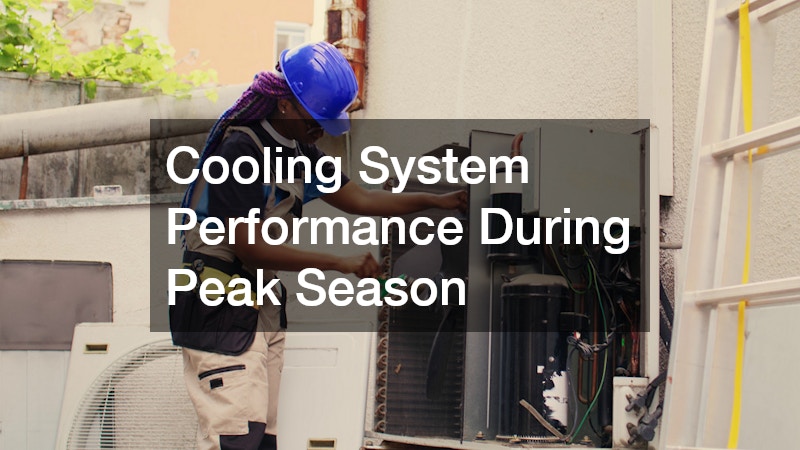
In much of the country, a working air conditioning system is not optional, and tenants will consider it a serious breach of habitability if it fails during summer heat. Prompt air conditioner repair keeps tenants comfortable and reduces the odds of a maintenance complaint escalating into a legal issue or a rent reduction request. Units that are more than ten to fifteen years old often struggle to keep up with demand, running constantly and driving utility bills higher for tenants who pay their own electricity.
Scheduling seasonal tune-ups before summer and winter reduces the chance of a total system breakdown when temperatures are at their most extreme. Clean filters, checked refrigerant levels, and inspected ductwork all contribute to a system that runs efficiently and lasts longer. A property with dependable heating and cooling is far easier to keep occupied year-round.
Tree and Landscape Hazards Around Rental Structures
Overgrown trees can do more than make a property look unkempt, they can pose real risks to roofs, foundations, and tenant safety. Branches that hang over a roofline can cause damage during storms, scraping shingles loose or snapping off entirely under heavy wind and ice loads. Even without a storm, constant contact between limbs and roofing material wears down protective coatings and creates entry points for water.
Root systems present a slower but equally costly threat. Roots growing near a foundation can crack slabs and basement walls over time, while roots that infiltrate a septic system or sewer line can lead to backups and underground repairs costing thousands of dollars to excavate and fix. Fast-growing species like willows, poplars, and silver maples are especially notorious for aggressive root spread within 20 to 30 feet of a structure.
Fallen leaves and debris in gutters add another layer of risk, trapping moisture against the roofline and contributing to rot or ice dam formation in colder climates. Dead branches, sometimes called “widow makers,” can also drop without warning and injure tenants or damage vehicles parked below.
Professional tree removal companies can evaluate which trees are diseased, structurally unsound, or simply too close to the building to remain safely in place. Many offer certified arborist assessments that identify pest infestations, root rot, or structural weaknesses invisible to an untrained eye, giving landlords a clear, documented basis for removal decisions before they become emergencies.
Liability is another concern landlords often overlook until an incident occurs, such as a falling limb damaging a tenant’s car, cracking a roof, or injuring someone on the property. Dead or overhanging branches, shallow root systems lifting walkways, and overgrown shrubs blocking sightlines near driveways are common culprits behind these claims. In many jurisdictions, landlords can be held liable for damage caused by trees they knew or should have known were hazardous, making documented inspections a legal safeguard as much as a maintenance practice.
Routine trimming and hazard assessments are far cheaper than emergency removal after storm damage. A professional tree inspection typically costs $75 to $150, while storm-related emergency removal can run into the thousands once you factor in equipment, debris hauling, and potential property repairs. Scheduling an annual check before hurricane or winter storm season, and after any major weather event, helps catch problems while they’re still minor and inexpensive to fix.
Keeping the landscape well managed also improves curb appeal, which helps justify competitive rental rates. Trimmed lawns, healthy trees, and defined garden beds signal to prospective tenants that the property is cared for throughout, not just inside the unit. This kind of upkeep also reduces pest issues, like rodents nesting in overgrown brush or ants colonizing decaying stumps, that could otherwise become tenant complaints or lease disputes down the line.
Kitchen Upgrades That Justify Higher Rent
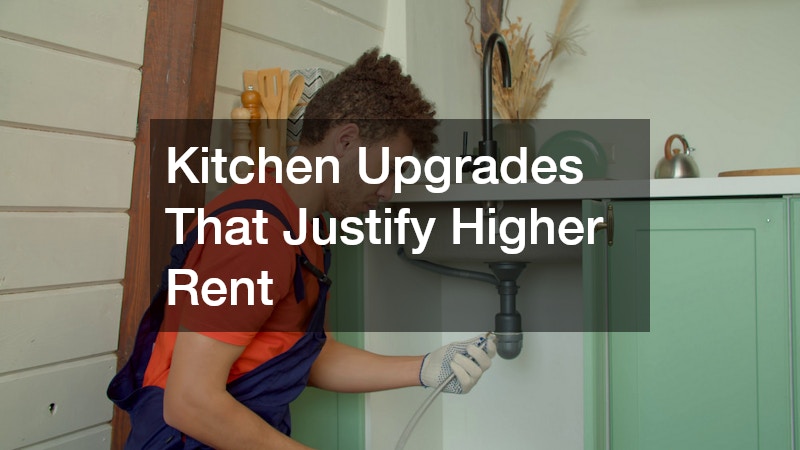
The kitchen is consistently one of the top factors renters use to judge a property’s value, and an outdated space can make even a well-located rental feel undesirable. Surveys of renters routinely rank the kitchen as the single most influential room in deciding whether to sign a lease, which means neglecting it can cost landlords far more in vacancy days than a modest upgrade would ever cost upfront.
Kitchen remodeling does not need to be extravagant to make an impact; updated countertops, modern fixtures, and improved storage often deliver the best return relative to cost. Swapping laminate countertops for budget-friendly quartz or butcher block, for instance, can modernize the entire room without the expense of a full gut renovation. Adding pull-out shelving or a pantry organizer system also addresses one of renters’ most common complaints — insufficient storage — without requiring structural changes.
Even smaller updates, like replacing worn cabinet hardware or adding under-cabinet lighting, can shift a tenant’s first impression significantly. A fresh coat of paint on cabinets, a new faucet, or energy-efficient appliances can each be completed in a weekend yet visibly signal that the property is well-maintained. These low-cost, high-visibility changes often justify a rent increase of several percentage points, especially in competitive rental markets where tenants compare listings side by side online.
Landlords who invest in functional, durable kitchen finishes tend to see fewer maintenance calls over time, since quality materials hold up better to daily wear from cooking and cleaning. Quartz or laminate countertops, for instance, resist stains and scratches far better than aging tile, while soft-close cabinet hinges and drawer slides hold up to years of tenant turnover without loosening. Even upgrades as simple as a deep stainless sink or a matte finish backsplash can cut down on chips, scuffs, and the wear that leads to costly repairs between leases.
A refreshed kitchen also photographs better for listings, which shortens vacancy periods between tenants. Bright cabinet finishes, updated hardware, and modern lighting fixtures make listing photos pop, and prospective renters often scroll past dated kitchens without a second glance. Since the kitchen is typically one of the first images in an online listing, its visual appeal can determine whether a renter even schedules a showing.
In competitive rental markets, this single room can be the deciding factor between two similarly priced units. A mid-range kitchen refresh—new countertops, updated fixtures, and a fresh coat of paint—often costs a fraction of a full renovation but can justify a rent increase of $50 to $150 per month, depending on the market. Over a year, that upgrade can pay for itself while also making the unit more attractive to long-term, quality tenants.
Water Heater Age and Tenant Complaints
Few things frustrate tenants faster than an inconsistent hot water supply, and an aging water heater is often the culprit behind lukewarm showers or strange odors coming from the tap. Most tank units last eight to twelve years, and beyond that point, the risk of sudden failure and water damage climbs sharply. Scheduling a water heater replacement before the unit fails outright prevents emergency calls and the property damage that often comes with a burst tank.
- Rusty or discolored water coming from taps
- Unusual noises like popping or rumbling from the tank
- Water pooling around the base of the unit
- Inconsistent temperatures during showers or dishwashing
Fencing Condition and Privacy Expectations
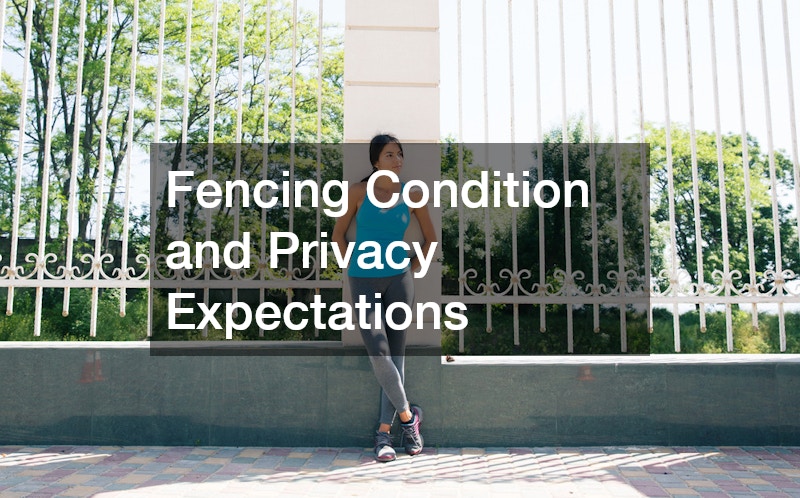
Fencing does more than mark a property line, it provides privacy, security, and in many cases a selling point for tenants with pets or children. Wood fences require more upkeep than other materials, and boards that are warped, splintering, or leaning can quickly make a yard feel neglected. Regular staining or sealing extends the lifespan of wood fencing significantly and keeps the property looking well maintained from the street.
A damaged fence can also become a safety or liability issue, particularly if it borders a pool, a busy road, or a neighboring property with pets. Addressing loose posts and broken sections promptly avoids larger repair costs down the line. Tenants are often willing to pay a premium for a secure, private outdoor space, so fence condition directly influences what you can reasonably charge.
Durable Decking Materials for Outdoor Living Spaces
Outdoor space has become a major selling point for rental listings, and the material used for decks and walkways affects both appearance and long-term maintenance costs. Composite metal decking is increasingly popular among landlords because it resists rot, warping, and insect damage far better than traditional wood, which reduces the frequency of repairs. While the upfront cost is higher than standard lumber, the reduced maintenance burden often pays off over the life of the rental property.
A safe, attractive deck encourages tenants to use and enjoy outdoor living space, which adds to their overall satisfaction with the property. Loose boards, protruding nails, or structural instability are liability risks that should never be left unaddressed. Choosing durable materials upfront is one of the easiest ways to reduce long-term maintenance calls tied to outdoor structures.
Countertop Selection for Long Term Durability
Countertops take daily abuse from cooking, cleaning, and general wear, which makes material choice an important long-term investment decision for any rental unit. A qualified quartzite countertop installer can help you choose a surface that resists scratching, staining, and heat damage far better than laminate or lower-grade stone options. While quartzite costs more upfront than some alternatives, its durability often means fewer replacement cycles across multiple tenants.
Tenants notice countertop condition immediately upon walking into a kitchen or bathroom, and chipped or stained surfaces can make a unit feel poorly maintained even if everything else is updated. Choosing a durable material now reduces the likelihood of costly mid-lease replacements caused by normal wear. This kind of upfront investment protects both the appearance and the functionality of the space for years.
Every system in a rental property, from the roof over your tenants’ heads to the countertops in their kitchen, plays a role in how much income that property can generate. Small maintenance issues left unaddressed tend to compound into bigger, more expensive problems that directly cut into your profits. The smartest approach is a proactive one: schedule regular inspections, budget for upgrades before they become emergencies, and work with qualified professionals for each system you’re unsure about. Taking these steps now protects both your property’s value and your peace of mind as a landlord.