
A large residential renovation can completely transform a home, improving functionality, comfort, energy efficiency, and property value. However, major projects often involve multiple contractors, overlapping schedules, permit requirements, material deliveries, inspections, and countless decisions along the way. Without proper planning, even well-intentioned renovations can experience costly delays, budget overruns, and unnecessary stress.
Whether you’re updating a single level of your home or undertaking a whole-house renovation, success depends on careful coordination. Understanding how different projects interact with one another allows homeowners to make smarter decisions, avoid scheduling conflicts, and maximize the return on their investment.
This guide covers the essential steps involved in managing large residential renovations, from initial planning and budgeting to final inspections and long-term maintenance.
Start With a Master Renovation Plan Before Hiring Anyone

One of the biggest mistakes homeowners make is beginning construction before developing a comprehensive plan. Large renovations require a clear roadmap that outlines goals, priorities, timelines, and budgets. While it may be tempting to jump straight into demolition or start gathering estimates, taking time to plan thoroughly can save thousands of dollars and prevent major headaches later.
Before contacting contractors, identify exactly what you want to achieve. Consider both immediate needs and long-term plans for the property. If you anticipate living in the home for many years, your priorities may differ from someone preparing a house for resale. Think about how your family uses the space today and how those needs may evolve in the future. A renovation should solve current challenges while also supporting your long-term lifestyle goals.
During the planning stage, evaluate key areas of the home, including:
- Structural improvements that affect safety and stability
- Layout changes that improve functionality and traffic flow
- Energy efficiency upgrades that can lower utility costs
- Storage solutions that maximize usable space
- Accessibility features that improve comfort and convenience
- Exterior improvements that enhance curb appeal and protection
- Future maintenance requirements that may impact long-term ownership costs
Creating a realistic budget is equally important. Many homeowners focus only on construction costs and forget to account for permits, design fees, material price fluctuations, temporary housing expenses, and unexpected discoveries behind walls or beneath flooring. Experts often recommend setting aside an additional 10% to 20% contingency fund for unforeseen issues that arise during construction.
For projects that involve multiple phases and specialized trades, working with experienced general contractors can simplify the entire process. These professionals can coordinate schedules, manage subcontractors, oversee inspections, handle permits, and keep the project moving efficiently. Instead of communicating separately with every trade, homeowners can rely on one central source for updates and problem-solving.
When interviewing general contractors, look beyond pricing alone. Ask detailed questions about their experience managing large-scale renovations, how they communicate with clients, how often progress meetings are held, and how they handle scheduling conflicts or change orders. Request references from recent projects and verify licensing and insurance before signing a contract.
A well-developed renovation plan acts as the foundation for every decision that follows. The more effort invested in planning upfront, the smoother the construction process is likely to be from start to finish.
Prioritize Interior Renovations Based on Daily Living Needs
Coordinate Structural and Exterior Improvements in the Right Order
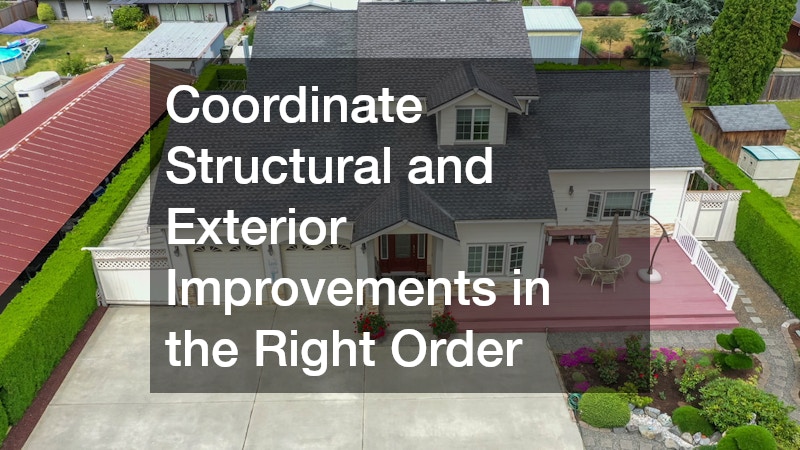
Exterior and structural projects should often be completed before interior finishes. Protecting the home’s envelope prevents weather-related damage and ensures that interior investments remain protected.
A roof that leaks or siding that allows moisture intrusion can quickly undermine newly completed renovations.
Many renovation experts recommend evaluating roofing conditions early in the planning process. Professional roofing services can identify hidden issues before they become major problems.
Potential concerns include:
- Missing shingles
- Flashing failures
- Water infiltration
- Structural damage
- Ventilation problems
- Aging roofing materials
In some cases, homeowners may only require targeted roof repairs rather than a complete roof replacement. Addressing these issues before beginning interior work can prevent future damage and additional expenses.
Exterior wall systems deserve similar attention. A qualified siding contractor can assess the condition of existing materials and recommend solutions that improve weather resistance, curb appeal, and energy efficiency.
Benefits of upgrading exterior cladding may include:
- Reduced maintenance requirements
- Improved insulation performance
- Better moisture management
- Enhanced home appearance
- Increased property value
Completing structural and weatherproofing projects early creates a more secure environment for the rest of the renovation.
Improve Energy Efficiency While Walls and Systems Are Accessible
Large renovations create unique opportunities to improve energy efficiency. When walls, ceilings, and floors are already open, upgrading building systems becomes significantly easier and more cost-effective.
This is often the ideal time to evaluate heating and cooling performance. An experienced HVAC company can assess existing equipment and identify opportunities to improve comfort and reduce utility costs.
Potential upgrades may include:
- High-efficiency HVAC equipment
- Improved ductwork
- Smart thermostats
- Zoned temperature controls
- Air sealing improvements
- Enhanced insulation
Making these upgrades during renovation often eliminates the need for future demolition or invasive construction.
Window replacements can also contribute significantly to energy savings. Scheduling a window installation service during broader renovation work allows crews to access framing areas more easily while minimizing disruption to finished spaces.
Modern windows may offer:
- Better insulation
- Reduced air leakage
- Improved UV protection
- Enhanced sound control
- Increased security
- Greater overall comfort
Coordinating energy-efficiency improvements with larger renovation efforts often delivers both immediate and long-term benefits.
Prevent Project Delays Through Effective Contractor Communication

Communication is one of the most overlooked aspects of successful renovation management. Even highly skilled contractors can encounter problems when expectations are unclear.
A detailed project timeline helps everyone understand responsibilities and deadlines. Homeowners should request regular updates and maintain documentation for all major decisions.
Effective communication practices include:
- Weekly progress meetings
- Written change orders
- Shared project schedules
- Budget tracking reports
- Material delivery updates
- Inspection scheduling reviews
It is also helpful to establish a single communication channel whenever possible. Whether through email, project management software, or scheduled meetings, consistency reduces misunderstandings.
When changes become necessary, document them immediately. Verbal agreements can easily lead to confusion regarding costs, timelines, and scope adjustments.
Questions homeowners should regularly ask include:
- Is the project on schedule?
- Are there upcoming material delays?
- Have any unforeseen issues been discovered?
- Will recent changes affect the budget?
- Are inspections scheduled appropriately?
Strong communication helps maintain momentum and prevents small issues from becoming major setbacks.
Coordinate Flooring Installation for Maximum Efficiency
Flooring installation often occurs during the later stages of a renovation. Scheduling it too early can expose finished surfaces to damage from ongoing construction activities.
Before installation begins, contractors should confirm that moisture levels, subfloor conditions, and environmental factors meet manufacturer recommendations.
Professional wood flooring contractors typically evaluate:
- Subfloor flatness
- Moisture content
- Structural stability
- Temperature conditions
- Humidity levels
Addressing these factors beforehand can help prevent:
- Warping
- Gaps
- Buckling
- Uneven surfaces
- Premature wear
To protect new flooring investments:
- Complete painting first when possible
- Finish major plumbing work
- Finalize electrical installations
- Avoid heavy construction traffic
- Use protective coverings during final stages
Proper sequencing allows flooring to remain in excellent condition long after the renovation is complete.
Improve Accessibility, Functionality, and Curb Appeal Together

Many homeowners focus primarily on interior improvements while overlooking exterior features that affect convenience, accessibility, and first impressions.
Outdoor upgrades often provide substantial value while enhancing daily usability.
For example, driveway contractors can help improve vehicle access, drainage performance, and overall property appearance. Cracked or uneven driveways may create safety concerns while diminishing curb appeal.
Common driveway improvements include:
- Surface replacement
- Expansion projects
- Drainage corrections
- Decorative finishes
- Accessibility enhancements
Similarly, upgrading garage systems can improve both functionality and security. Professional garage door services may include new door installation, opener upgrades, safety enhancements, and maintenance improvements.
Modern garage upgrades can provide:
- Improved insulation
- Enhanced security features
- Smartphone controls
- Quieter operation
- Better curb appeal
- Increased reliability
Planning these projects alongside broader renovations helps create a cohesive final result.
Minimize Disruptions While Living Through a Major Renovation
Living in a home during construction presents unique challenges. Noise, dust, limited access, and schedule disruptions can affect daily life if not managed properly.
Creating a temporary living strategy before construction begins can significantly reduce stress.
Helpful preparation steps include:
- Designating construction-free zones
- Protecting furniture and valuables
- Establishing temporary cooking areas
- Creating alternative workspaces
- Planning pet accommodations
- Setting realistic expectations
Dust control should also remain a priority throughout the project.
Methods for reducing dust and debris include:
- Plastic containment barriers
- Air filtration systems
- Sealed storage containers
- Frequent cleaning schedules
- Dedicated contractor access points
Utility interruptions may occasionally occur during major renovations. Planning ahead for temporary disruptions involving water, electricity, heating, or internet service can help maintain household comfort.
Flexibility is often one of the most valuable assets homeowners can bring to a renovation project. Unexpected challenges are common, and maintaining realistic expectations helps reduce frustration when adjustments become necessary.
Conduct a Thorough Final Inspection Before Project Closeout
As construction nears completion, homeowners should resist the urge to rush through the final walkthrough. A comprehensive inspection ensures that all work meets expectations before final payments are released.
Creating a detailed punch list allows contractors to address outstanding items efficiently.
Areas to inspect include:
- Paint finishes
- Flooring quality
- Fixture operation
- Cabinet alignment
- Window performance
- Door functionality
- Electrical outlets
- Plumbing fixtures
- HVAC performance
- Exterior finishes
Documentation should also be collected before project closeout.
Important records include:
- Permits
- Inspection approvals
- Warranty information
- Product manuals
- Maintenance instructions
- Contractor contact information
Take time to verify that all agreed-upon work has been completed according to contract specifications.
Once the project is finished, develop a maintenance plan to protect your investment. Routine inspections and preventative maintenance can extend the lifespan of renovation improvements while reducing future repair costs.
Successfully coordinating a large residential renovation requires much more than hiring skilled professionals. Careful planning, realistic budgeting, strategic scheduling, and consistent communication all play critical roles in achieving positive results. By approaching the renovation process methodically and understanding how different projects interact with one another, homeowners can reduce stress, avoid costly mistakes, and create a finished space that delivers long-term value, comfort, and functionality. Thoughtful coordination from the earliest planning stages through final inspection helps ensure that every investment contributes to a successful and rewarding transformation.