
Owning rental property comes with a constant balancing act between spending money now and saving money later. Many landlords assume that skipping routine upkeep is the safer financial choice, only to face emergency repair bills that dwarf what preventive care would have cost. Understanding which systems need attention, and how often, can mean the difference between a profitable property and one that drains your bank account. This guide breaks down the maintenance priorities that protect both your building and your bottom line.
The True Cost of Deferred Maintenance
When landlords put off small repairs, those issues rarely stay small. A minor leak left unchecked can spread into rotted framing, mold growth, and damaged flooring within months, turning a hundred-dollar fix into a five-figure renovation. The same pattern holds across a property: a $150 furnace tune-up skipped for a few years can lead to a $5,000 system replacement, and a $20 gutter cleaning ignored long enough can cause foundation cracks costing $10,000 or more to repair.
The math is straightforward once you account for compounding damage. Water, in particular, rarely stays contained; it seeps into subfloors, wicks up drywall, and creates the exact conditions mold needs to take hold, which then triggers remediation costs and potential health complaints from tenants. What starts as an isolated repair often becomes three or four separate problems, each with its own invoice and its own timeline.
Tenants also notice neglect, and properties with a reputation for slow repairs tend to see higher turnover and longer vacancy periods. A tenant who submits a maintenance request twice before it’s addressed is far less likely to renew a lease, and word travels fast in local rental markets and online reviews. Replacing a tenant typically costs a landlord the equivalent of one to two months’ rent once you factor in vacancy, marketing, and turnover repairs, a cost that often exceeds whatever the original deferred repair would have run.
Preventive maintenance is not an expense to avoid; it is an investment that protects rental income and property value over time. Viewed this way, a modest annual maintenance budget functions less like overhead and more like insurance against far larger, less predictable losses down the road.
Insurance companies also pay close attention to maintenance history. Properties with documented care often qualify for better premiums, sometimes 5-15% lower depending on the carrier, while those with a pattern of neglect can face denied claims after a major incident like a burst pipe or roof collapse. Adjusters routinely investigate whether a failure resulted from a sudden, unforeseeable event or from a known issue the landlord ignored, and the difference can mean tens of thousands of dollars in coverage.
Keeping thorough records of inspections and repairs gives landlords real leverage in disputes and during property sales. A simple maintenance log noting dates, contractors, and work performed can serve as evidence that a landlord acted in good faith when a tenant files a complaint or a claim goes to arbitration. These same records also reassure buyers and appraisers, often supporting a higher sale price because the property’s condition is verifiable rather than assumed.
Lenders and insurers aren’t the only ones who notice; savvy buyers and their inspectors will too. A property with years of receipts for HVAC servicing, roof inspections, and plumbing checks signals lower future risk, which can translate into a smoother closing and fewer negotiated price reductions. A well-maintained property simply performs better on every financial metric that matters, from insurance costs to resale value.
Protecting Your Roof Before Small Leaks Become Big Bills
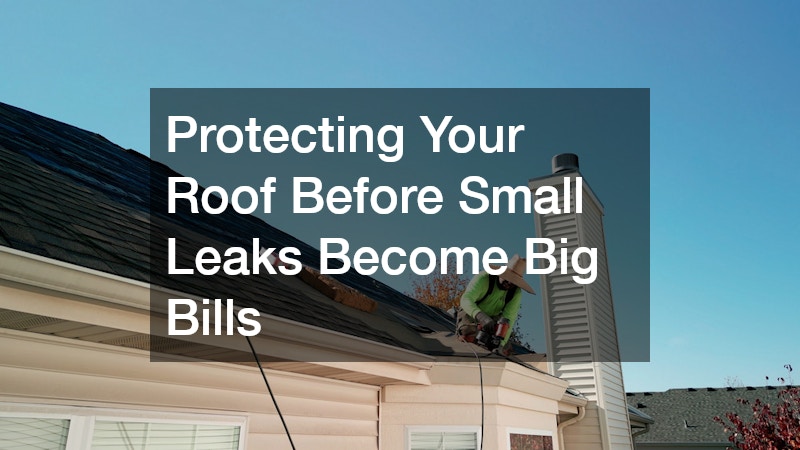
The roof is one of the most expensive systems to replace, which makes it one of the most important to inspect regularly. Missing shingles, cracked flashing, or clogged gutters can allow water to seep into the attic long before a tenant reports a visible leak. Scheduling professional roof repair at the first sign of wear typically costs a fraction of what a full replacement demands. Landlords who inspect their roofs twice a year, in spring and fall, catch problems while they are still manageable.
Finding a reliable contractor before an emergency strikes saves valuable time when a storm does cause damage. Searching for local roof repair specialists ahead of time, rather than during a crisis, allows landlords to compare quotes and verify licensing without pressure. Many roofing companies also offer maintenance plans that include annual inspections at a reduced rate. Building that relationship early pays off when a fast response is needed most.
- Check for granule loss in gutters, which signals aging shingles
- Look for daylight through attic boards after a rainstorm
- Trim overhanging branches that scrape roofing material
- Schedule inspections after major hail or wind events
Keeping Water Where It Belongs
Water that pools around a foundation or flows unchecked across a property can cause structural damage that is expensive to reverse. Proper storm water management directs rainfall away from buildings, driveways, and shared walkways, reducing the risk of basement flooding and soil erosion. Grading the land so it slopes away from the foundation is one of the simplest and most cost-effective preventive steps a landlord can take. Ignoring drainage issues often leads to cracked foundations, which are far costlier to repair than a French drain or regraded yard.
Multi-unit properties face added pressure because more rooftops and paved surfaces mean more runoff during heavy storms. Landlords should walk the property after significant rainfall to identify standing water, eroded soil, or overflowing gutters. Catching these patterns early allows for targeted fixes before the next storm causes real damage.
- Install or clean gutters and downspouts before rainy seasons
- Extend downspouts away from the foundation
- Check that catch basins and drains are free of debris
- Monitor low-lying areas of the yard for pooling water
Preparing Your Land and Landscape for Long-Term Durability

Overgrown vegetation does more than hurt curb appeal; it can hide pest infestations, block drainage paths, and even damage foundations as roots grow closer to the structure. Landlords managing larger properties or preparing a lot for new construction often rely on land clearing services to remove dead trees, invasive plants, and debris that create long-term liabilities. Clearing this material also improves visibility for security cameras and reduces fire risk in dry climates. A well-maintained lot signals to tenants that the property is actively cared for.
Regular landscape upkeep between major clearing projects keeps small problems from becoming expensive ones. Trimming trees away from siding and rooflines, removing dead brush, and maintaining clear sightlines around the property all contribute to a safer, more attractive rental. These tasks are inexpensive compared to the cost of repairing damage caused by fallen limbs or root intrusion.
Pest Prevention That Protects Your Investment
Termites cause billions of dollars in property damage every year, and much of that damage goes unnoticed until wood structures are already compromised. Many landlords are shifting toward natural termite control methods, such as beneficial nematodes, borate treatments, and moisture reduction strategies, to protect their properties without relying solely on harsh chemicals. These approaches work best when paired with routine inspections, since early detection is the single biggest factor in limiting damage. A property with a termite problem can lose significant value quickly if the issue is not addressed.
Reducing moisture around the foundation, storing firewood away from exterior walls, and sealing cracks in siding all help make a property less inviting to termites and other wood-destroying insects. Annual inspections by a pest professional are inexpensive compared to structural repairs needed after an infestation takes hold. Landlords who build pest prevention into their yearly maintenance calendar rarely face the surprise costs that catch others off guard.
- Keep mulch and soil at least six inches below siding
- Repair leaky faucets and pipes that create excess moisture
- Store firewood and lumber away from the building
- Schedule annual termite inspections, especially in humid climates
Heating and Plumbing Systems Need Regular Checkups
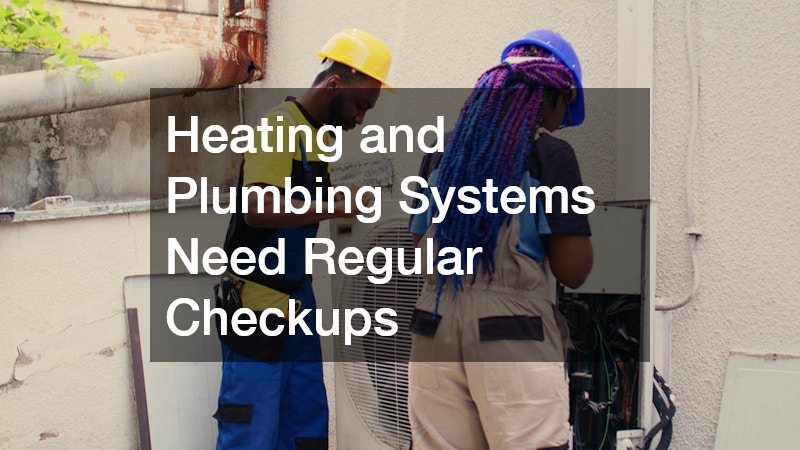
Mechanical systems fail fastest when they are ignored, and a broken furnace or burst pipe in the middle of winter creates both a financial and a tenant relations emergency. Reputable heating contractors recommend annual tune-ups that include cleaning burners, checking heat exchangers, and replacing filters, all of which extend equipment life and reduce energy costs. Skipping these checkups often leads to breakdowns during the coldest months, when emergency service calls cost the most and technicians are hardest to schedule.
Plumbing deserves the same attention. Annual inspections should cover water heater sediment flushing, checking supply line connections for corrosion, testing shutoff valves, and inspecting exposed pipes in unheated basements or crawl spaces for freeze risk. A slow leak behind a wall can go unnoticed for months, causing thousands of dollars in mold remediation and drywall repair before a tenant even reports it.
Budgeting for these visits is far cheaper than the alternative. A typical furnace tune-up runs $100 to $200, while an emergency mid-winter repair or replacement can easily exceed $1,000 to $5,000. A well-maintained furnace can also last well over a decade longer than a neglected one, delaying a major capital expense landlords would otherwise face much sooner.
Plumbing systems deserve the same attention, since hidden leaks can waste water and damage structures for months before anyone notices. A pinhole leak behind a wall or under a slab can go undetected for weeks, quietly rotting subflooring or fostering mold, and by the time a tenant reports a stain on the ceiling, the repair bill often includes drywall, insulation, and flooring in addition to the plumbing fix itself.
Experienced plumbers can identify slow leaks, corroded pipes, and water pressure issues during a routine visit, often preventing a small problem from becoming a flooded unit. A typical inspection includes checking supply lines under sinks, testing shutoff valves to confirm they still work in an emergency, inspecting exposed pipes for corrosion or mineral staining, and measuring water pressure, since anything above 80 psi puts unnecessary strain on fittings and appliances.
Landlords should also flush water heaters annually to remove sediment buildup, which improves efficiency and prevents premature failure. Sediment accumulation forces the unit to work harder, can shorten its lifespan by several years, and in gas units may cause a rumbling noise that signals the tank is overdue for service. Scheduling this alongside the furnace or boiler inspection each fall makes it easy to keep both systems on the same maintenance calendar.
Preventive plumbing checks are inexpensive compared to the cost of repairing water damage after a pipe bursts. A routine visit typically costs well under a hundred dollars, while a burst pipe can easily run into the thousands once water extraction, drywall replacement, and lost rental income are factored in.
- Replace furnace filters every one to three months, or monthly if the property has pets or occupants with allergies
- Schedule annual HVAC tune-ups before peak heating season to catch worn belts, dirty coils, or failing igniters early
- Flush water heaters yearly to reduce sediment buildup, which can cut heating efficiency and shorten tank life by several years
- Inspect visible pipes for corrosion, moisture, or greenish stains that signal slow leaks
- Test water heater pressure relief valves annually to ensure they release properly and prevent tank pressure buildup
- Check exposed basement and crawlspace pipes before winter to confirm insulation is intact and reduce freeze-and-burst risk
Refreshing Interiors and Exteriors on a Schedule
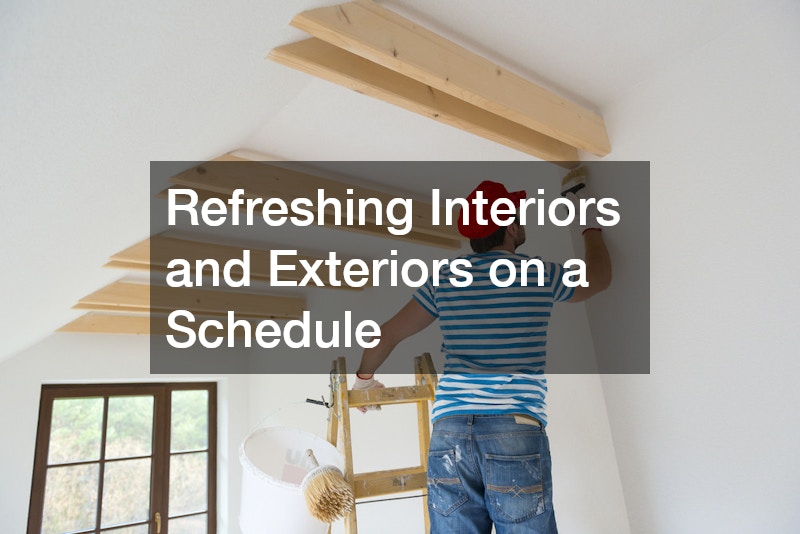
Paint does more than improve appearance; it protects surfaces from moisture, UV damage, and rot. Hiring professional painting contractors every five to seven years for exterior surfaces helps seal wood and siding against the elements before cracks and peeling allow water intrusion. Interior paint refreshes between tenants also make units easier to rent and can hide minor wall damage before it becomes a bigger repair issue. Landlords who budget for regular painting cycles avoid the steeper cost of replacing rotted siding or trim later.
Choosing durable, weather-appropriate paint products upfront reduces how often repainting is needed, saving money over the life of the property. Quality contractors can also flag early signs of wood rot, water staining, or mold while prepping surfaces, giving landlords a heads-up on issues that need further attention. This kind of proactive inspection during a routine job often prevents a much larger repair down the road.
Bathroom Updates That Prevent Costly Water Damage
Bathrooms are one of the most water-intensive spaces in any rental unit, which makes them especially vulnerable to leaks, mold, and fixture failures. Bringing in a qualified bathroom remodeler to update aging caulking, replace worn grout, and modernize fixtures can prevent slow leaks that damage subflooring and lead to costly mold remediation. Older bathrooms with deteriorating seals around tubs and showers are particularly prone to hidden water intrusion. Addressing these issues proactively costs far less than repairing water-damaged walls, ceilings, or floors below the unit.
Beyond preventing damage, updated bathrooms also help landlords command higher rents and attract more reliable tenants. Simple upgrades like water-resistant flooring, improved ventilation fans, and updated exhaust systems reduce humidity that contributes to mold growth. These improvements pay for themselves through fewer maintenance calls and stronger tenant retention.
When Upgrades Pay for Themselves
Not all property improvements are purely preventive; some upgrades add enough value and efficiency to justify their upfront cost. Landlords managing higher-end properties sometimes invest in luxury home renovations, such as updated kitchens or energy-efficient windows, to justify premium rents and reduce long-term maintenance needs. These projects often include better materials that require less frequent repair, offsetting the initial investment over several years. Strategic upgrades can also make a property more competitive in a crowded rental market.
The key is distinguishing between upgrades that reduce future maintenance costs and those that are purely cosmetic. Energy-efficient systems, durable flooring, and modern insulation all reduce the frequency of repair calls while improving tenant satisfaction. Landlords should evaluate any major renovation based on its long-term return, not just its immediate appeal.
Preventive maintenance is not about spending more money; it is about spending it wisely and on schedule. Landlords who build regular inspections and timely repairs into their annual budget consistently avoid the massive costs that come with emergency fixes and tenant turnover. Start by walking your property this month, noting any warning signs in the roof, plumbing, landscaping, or bathrooms, and create a simple maintenance calendar to follow going forward. A small investment of time today can protect thousands of dollars in property value for years to come.