Every homeowner faces a quiet trade-off: fix it now or fix it later. The problem is that “later” almost always costs more, and the damage often spreads to systems you never expected to be affected. Deferred maintenance doesn’t announce itself with a bang; it creeps in through small leaks, hairline cracks, and skipped tune-ups until one day the repair bill is five times what it would have been. Understanding where these hidden costs accumulate is the first step toward protecting your property’s value and your wallet.
Roof Neglect and the Cost of Waiting Too Long
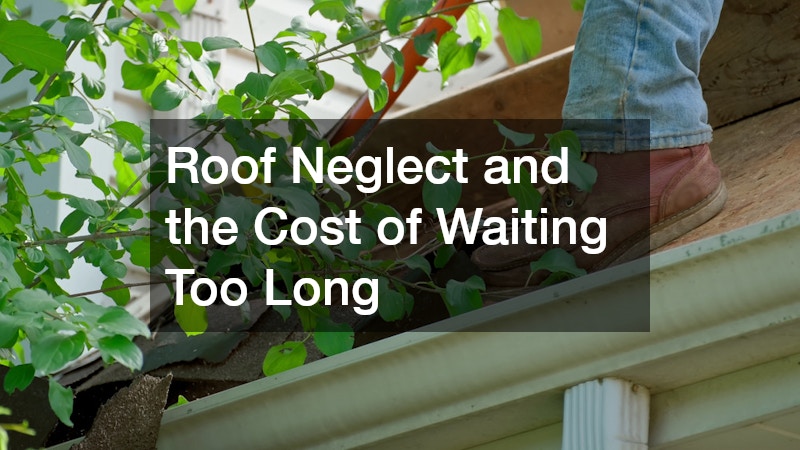
A roof rarely fails all at once. It starts with a few lifted shingles or a small area of granule loss, and if that goes unaddressed, water finds its way into the decking below. By the time you notice a stain on your ceiling, the damage has likely been developing for months or even years. Scheduling a routine inspection with experienced roofers every year or two can catch these issues while they’re still inexpensive to fix.
The financial gap between a minor roof repair and a full replacement is enormous, often ten times the cost or more. Insurance companies also scrutinize claims for signs of neglect, and a poorly maintained roof can lead to a denied claim just when you need coverage most. Catching problems early keeps both your home and your budget protected.
- Curling, cracked, or missing shingles signal it’s time for a professional look
- Granules collecting in gutters mean the roof surface is breaking down
- Dark streaks or moss growth trap moisture against the roofing material
- Sagging rooflines often indicate structural damage already in progress
Driveway and Pavement Cracks That Grow Into Bigger Bills
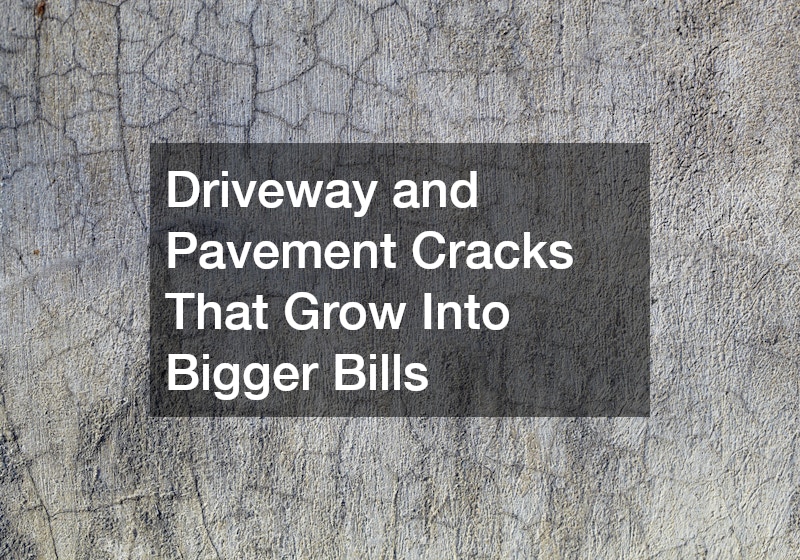
A hairline crack in your driveway might seem cosmetic, but water seeps into that opening, freezes, and expands, turning a small flaw into a spiderweb of damage within a season or two. Left alone long enough, the base beneath the surface erodes, and what started as a simple patch job becomes a full tear-out and repave. An experienced asphalt contractor can seal minor cracks for a fraction of the cost of replacing an entire driveway.
Sealcoating every few years also protects against oil stains, UV damage, and the freeze-thaw cycles that accelerate deterioration. Homeowners who skip this step often find themselves facing potholes and crumbling edges within five to seven years instead of the fifteen to twenty they should expect. Regular attention to pavement is one of the most cost-effective maintenance habits a property owner can adopt.
- Cracks wider than a quarter inch need professional sealing right away
- Standing water on the surface points to drainage problems underneath
- Faded, gray asphalt has lost its protective oils and needs sealcoating
- Potholes indicate the base layer is already compromised
Grading and Drainage Problems Around the Foundation
Water is one of the most destructive forces a property will ever face, and improper grading sends it straight toward your foundation instead of away from it. Over time, this can cause basement seepage, cracked concrete, and even structural settling that costs tens of thousands of dollars to correct. Bringing in an excavation contractor to regrade the soil and improve drainage patterns early on is far less expensive than repairing a compromised foundation later.
Many homeowners don’t realize that landscaping changes made years earlier, like adding a patio or raised garden bed, can quietly redirect water toward the house. A professional assessment of slope and drainage can identify these issues before they cause visible damage. Addressing grading problems proactively protects everything built on top of that foundation, from the framing to the flooring.
- Soil should slope away from the foundation at a consistent grade
- Pooling water near the house after rain is an early warning sign
- Downspouts should extend water at least five feet from the foundation
- Cracks in the foundation wall often trace back to drainage issues
Overgrown Yards and Structural Damage From Plants

A beautifully maintained yard does more than boost curb appeal; it actively protects your home. Tree roots that grow too close to a foundation can crack concrete slabs and disrupt underground utility lines, while overgrown shrubs trap moisture against siding and invite pest infestations. Routine pruning and root management prevents these slow-building problems from turning into structural repairs.
Ivy and other climbing plants might look charming on a brick facade, but they can work their way into mortar joints and siding seams, accelerating deterioration you won’t notice until it’s extensive. Keeping plant growth trimmed back from exterior walls and gutters is a simple habit that pays off for decades. A well-tended yard is one of the most visible signs to buyers that a property has been cared for.
- Keep tree branches at least ten feet from the roofline
- Trim shrubs so they don’t touch exterior walls or windows
- Remove root systems that push against walkways or foundations
- Check gutters for plant debris that traps moisture
Aging HVAC Systems and the Price of Skipped Tune-Ups
Heating and cooling systems are easy to ignore because they work quietly in the background until they suddenly don’t. A furnace that hasn’t been serviced in years runs less efficiently, strains its components, and is far more likely to fail on the coldest night of winter when repairs are hardest to schedule. Annual visits from qualified heating contractors keep these systems running efficiently and catch worn parts before they cause a complete breakdown.
Deferred HVAC maintenance also quietly drives up utility bills every single month, since a dirty or poorly tuned system has to work harder to produce the same results. Over several years, that inefficiency can add up to thousands of dollars in wasted energy costs. Regular maintenance is one of the rare home expenses that pays for itself.
- Unusual noises or odors from vents often signal a developing problem
- Rising energy bills with no change in usage are a red flag
- Filters should be checked monthly and replaced every one to three months
- Systems older than fifteen years are at higher risk of sudden failure
Outdated Heating and Cooling Zones That Waste Energy
Many older homes rely on a single central system to heat and cool every room evenly, which rarely works well for additions, converted garages, or rooms with unusual sun exposure. Rather than overworking an aging furnace, homeowners are increasingly looking at ductless mini split heat pump installation as a way to add targeted, efficient climate control to problem areas. These systems allow each zone to be adjusted independently, reducing strain on the main unit and lowering overall energy consumption.
Delaying an upgrade like this doesn’t just mean ongoing discomfort; it means the rest of your HVAC system continues compensating for the imbalance, wearing down faster than it should. A zoned approach can extend the life of your primary system while also cutting utility costs in rooms that were previously too hot or too cold. It’s a maintenance decision that prevents bigger equipment failures down the road.
- Rooms that never feel comfortable often need dedicated climate control
- Additions without ductwork are prime candidates for zoned heating
- Mini split systems can be installed with minimal structural changes
- Reducing strain on a central system extends its overall lifespan
Kitchen Wear and the Hidden Cost of Postponed Updates

A kitchen that looks slightly dated might not seem like a priority, but small issues like swollen cabinet doors, failing hinges, and water damage under the sink tend to get worse the longer they’re ignored. Moisture that seeps into cabinetry can lead to mold growth and structural weakening of the wood, turning a simple hinge repair into a full replacement. Reputable kitchen cabinet companies can often repair or refinish existing cabinetry for a fraction of the cost of a full remodel if the damage is caught early.
Beyond function, a poorly maintained kitchen can significantly limit resale value, since it’s one of the first spaces buyers evaluate when touring a home. Addressing small wear issues as they appear, rather than waiting for a total overhaul, keeps costs manageable and preserves the kitchen’s everyday usability. Consistent care also extends the working life of drawers, shelving, and hardware that see heavy daily use.
- Swollen or warped cabinet doors indicate moisture exposure
- Sticking drawers often mean hardware needs adjustment or replacement
- Water stains under the sink should be investigated immediately
- Loose hinges left unaddressed can damage the surrounding wood frame
Flooring and Tile Damage That Spreads Beneath the Surface
Cracked or loose tile is often dismissed as a cosmetic annoyance, but it frequently signals movement or moisture problems happening beneath the surface. Water that seeps through broken grout lines can damage subflooring, and by the time tiles start lifting on their own, the underlying material may already be compromised. Visiting a tile store to source matching replacement pieces early, while the damaged area is still small, is far easier and cheaper than replacing an entire floor later.
Bathrooms and kitchens are especially vulnerable because of constant exposure to water, and grout that hasn’t been resealed in a few years loses its ability to repel moisture. Homeowners who address cracked tiles promptly avoid the more invasive process of removing and replacing large sections of flooring. Regular resealing and prompt spot repairs keep tile floors functional and attractive for many years longer.
- Cracked grout should be resealed every one to two years
- Loose or hollow-sounding tiles need attention before they lift completely
- Discoloration around tile edges often points to moisture underneath
- Matching replacement tile is easier to find before a style is discontinued
Garage Door Failures and Everyday Safety Risks
The garage door is one of the largest moving parts of any home, and it’s also one of the most overlooked when it comes to routine maintenance. Worn springs, frayed cables, or misaligned tracks don’t just cause inconvenience; they create real safety hazards, especially in homes where the garage door is used multiple times a day. Scheduling garage door installation and repair services at the first sign of grinding noises or uneven movement prevents a minor adjustment from turning into a costly emergency replacement.
A malfunctioning garage door also affects home security, since a door that doesn’t close fully or locks improperly leaves the property vulnerable. Regular lubrication, hardware checks, and sensor testing keep the system operating smoothly and extend the life of the motor. Ignoring these small signs often leads to a complete system failure at the least convenient possible moment.
- Grinding or scraping noises usually indicate track or roller wear
- A door that closes unevenly may have a broken cable or spring
- Sensors should be tested monthly to ensure proper safety function
- Sudden increases in operating noise often precede a bigger failure
Job Site and Renovation Safety During Repair Projects
When deferred maintenance finally catches up and requires a larger renovation, safety around the work site becomes just as important as the repair itself. Open excavation areas, exposed materials, and heavy equipment create risks for children, pets, and curious neighbors if the site isn’t properly secured. Renting temporary fencing for the duration of a project is a simple step that keeps unauthorized foot traffic away from hazards and helps satisfy local permitting requirements.
Beyond safety, a secured work site also protects materials and tools from theft, which is a common and costly issue on residential renovation projects. Contractors appreciate a clearly defined boundary because it reduces liability and keeps the project moving without interruptions. Taking this precaution during a major repair reflects the same forward-thinking approach that prevents deferred maintenance in the first place.
- Fencing should surround any excavation deeper than a few feet
- Clear signage helps deter accidental entry onto an active site
- Secured perimeters reduce liability if a passerby is injured
- Rental durations can be adjusted as project timelines shift
Deferred maintenance rarely stays contained to a single system; it spreads quietly into the systems and spaces around it, multiplying the eventual repair bill. The good news is that most of these problems are manageable with routine attention and a willingness to address small issues before they grow. Walk through your property this month, make a list of anything that looks worn or out of place, and start scheduling the inspections you’ve been putting off. Your future self, and your bank account, will thank you for it.