
If you rent out property or plan to sell one day, every dollar you spend on repairs and every dollar you lose to neglect shows up in the same place: your bottom line. Buyers negotiate hard when they spot deferred maintenance, and tenants stop renewing leases when systems break down too often. Understanding which property conditions quietly drain your cash flow, and which ones protect it, puts you in control of your investment instead of leaving you to react to expensive surprises. This article walks through the specific systems and surfaces that matter most, and what happens financially when they are ignored.
Electrical System Reliability and Safety Code Compliance
Outdated wiring, overloaded panels, and DIY electrical work are some of the fastest ways to lose money on a property. Insurance companies frequently deny claims tied to electrical fires when wiring does not meet code, and appraisers flag obvious hazards during inspections, which can knock thousands off a sale price. A licensed electrician company can identify aging panels, knob-and-tube wiring, or undersized circuits before they become liabilities that cost far more to fix under pressure.
Beyond safety, electrical capacity affects your ability to rent or sell at a competitive price. Properties without enough amperage to support modern appliances, electric vehicle chargers, or added living space often sit longer on the market or lease at a discount.
- Schedule an electrical inspection every 5 to 10 years, or before listing a property for sale
- Ask any electrician company for a written estimate that separates urgent repairs from future upgrades
- Replace aluminum wiring or fuse boxes proactively rather than waiting for a failure
- Budget for panel upgrades if you plan to add major appliances or renovate the kitchen
Roof Material Choice and Long-Term Maintenance Costs
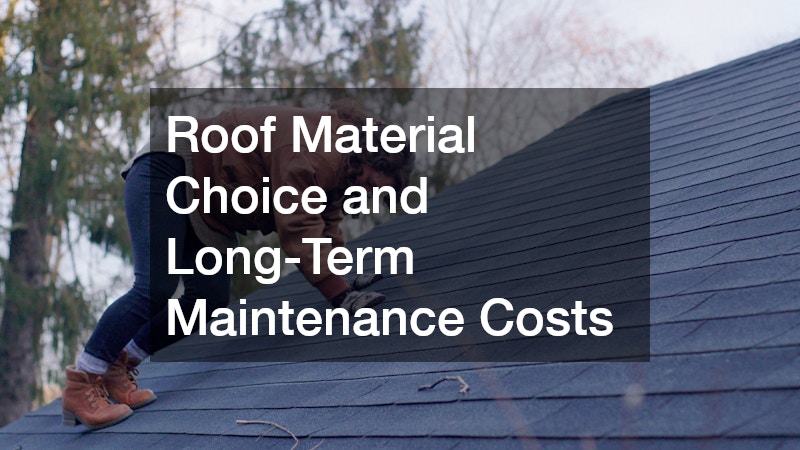
The roof is one of the most expensive components to replace, and its condition directly influences insurance premiums, energy bills, and buyer confidence. A roof nearing the end of its lifespan is a red flag that causes buyers to demand credits or walk away entirely, while a well-maintained or upgraded roof can become a selling point. Many owners now consider a metal roof contractor for reroofing projects because metal roofing tends to last two to three times longer than asphalt shingles and holds up better against wind and hail.
The upfront cost of metal roofing is higher, but the reduced frequency of replacement and lower insurance risk often make it a stronger long-term financial decision, especially for rental properties where downtime for repairs cuts into income.
- Ask about warranty length and wind ratings when comparing roofing materials
- Request references and proof of licensing before hiring any roofing crew
- Factor in potential insurance discounts for impact-resistant roofing
- Inspect the roof annually and after major storms to catch small issues early
Septic and Wastewater System Upkeep
A failing septic system is one of the most disruptive and costly problems a property owner can face, often requiring emergency excavation and system replacement that runs into tens of thousands of dollars. Routine septic tank pumping every three to five years, depending on household size and tank capacity, prevents solids from building up and damaging the drain field. Skipping this maintenance is one of the most common reasons septic systems fail years before their expected lifespan.
For rental properties, an unexpected septic backup can force tenants out temporarily and generate refund requests or lease disputes, both of which hurt cash flow directly. Keeping maintenance records also reassures buyers that the system has been cared for, which matters greatly in areas without municipal sewer access.
- Track your last pumping date and set a calendar reminder for the next service
- Avoid flushing grease, wipes, or chemicals that accelerate tank buildup
- Have the drain field inspected if you notice slow drains or soggy patches in the yard
- Disclose septic maintenance history to prospective buyers or tenants
Fencing Condition and Perimeter Security
Fencing affects both privacy and liability, particularly for rental properties with children, pets, or pools. A leaning, rotting, or broken fence signals neglect to prospective tenants and buyers alike, and it can also create legal exposure if someone is injured on the property because of a hazard that was left unaddressed. Reputable fence contractors can assess whether a fence needs simple repair or full replacement, and they can recommend materials suited to your climate and soil conditions.
Replacing a fence before it fails completely is almost always cheaper than dealing with the aftermath of a collapse, whether that means a liability claim, a lost pet, or an unhappy tenant demanding repairs.
- Inspect posts for rot or rust at the ground line each spring
- Choose materials rated for your local weather, such as vinyl in humid climates or steel in high-wind areas
- Get at least two quotes from fence contractors before committing to a full replacement
- Repair small sections promptly rather than waiting for widespread damage
Garage Flooring Durability and Presentation
Garage floors take a beating from vehicle fluids, road salt, and heavy foot traffic, and cracked or stained concrete is one of the first things buyers notice when they open the garage door. Applying garage floor coating protects the concrete from moisture penetration and chemical staining while giving the space a finished, cared-for appearance. This is a relatively low-cost upgrade compared to other renovations, yet it consistently shows up in buyer feedback as a positive impression.
For landlords, a coated floor is also easier to clean between tenants, reducing turnover costs and the time a unit sits vacant while repairs are made.
- Choose epoxy or polyaspartic coatings depending on your budget and desired durability
- Repair cracks and address moisture issues before applying any coating
- Expect professional installation to outlast DIY kits by several years
- Consider coating as part of a broader garage refresh alongside storage upgrades
Kitchen Layout and Renovation Return on Investment

The kitchen influences a property’s value more than almost any other room, and outdated cabinets, worn countertops, or inefficient layouts can suppress both rental income and resale price. Experienced kitchen remodelers understand which updates deliver the strongest return, often prioritizing cabinet refacing, updated lighting, and improved workflow over full gut renovations that rarely pay for themselves dollar for dollar. A well-planned kitchen update can also shorten vacancy periods because it is consistently one of the top factors renters and buyers evaluate first.
It is worth getting a professional opinion before committing to a full remodel, since smaller targeted changes sometimes produce a better return than a complete overhaul, depending on the age and condition of the existing space.
- Prioritize functional improvements like storage and counter space over purely cosmetic changes
- Ask kitchen remodelers for a breakdown of costs versus expected value added
- Update lighting and hardware for a lower-cost visual refresh
- Avoid over-improving a kitchen beyond what comparable homes in the area support
Outdoor Living Spaces and Hardscape Additions
Patios, walkways, and retaining walls do more than improve curb appeal; they also manage drainage and prevent erosion that can otherwise undermine a home’s foundation over time. Standing water within a few feet of your foundation walls is one of the leading causes of basement cracks, slab heaving, and costly waterproofing repairs, so grading matters just as much as the materials on top. Hiring hardscaping companies to install proper grading and durable pavers can prevent water from pooling near the foundation, which is a problem that often leads to far more expensive structural repairs down the line. A qualified contractor will typically slope hardscape surfaces at least a quarter-inch per foot away from the home and pair that with permeable pavers or gravel bases that let water filter through rather than run toward vulnerable areas. Retaining walls on sloped lots serve a similar purpose, holding back soil that would otherwise shift and erode with every heavy rain. Well-designed outdoor spaces also expand usable living area, which renters and buyers increasingly expect, especially in warmer climates. A finished patio or outdoor kitchen can effectively add hundreds of square feet of livable space at a fraction of the cost of an interior addition, and real estate data consistently shows these upgrades recouping 50-80% of their cost at resale. For rental properties, that same space often justifies higher monthly rent, since tenants are willing to pay a premium for move-in-ready outdoor entertaining areas rather than a bare, erosion-prone backyard.
Well-designed outdoor living spaces—patios, decks, outdoor kitchens, and fire features—consistently rank among the highest-ROI improvements a property can offer, often recovering 60-80% of their cost while also commanding higher rents or sale prices. A stamped concrete patio or a professionally installed paver walkway signals to buyers and tenants that the property has been cared for, which translates directly into faster leasing cycles and reduced vacancy loss. Neglected or poorly built hardscaping, on the other hand, tends to crack, shift, or create tripping hazards that raise liability concerns and lower a property’s perceived value during an appraisal or inspection. A single uneven paver or heaved section of concrete can become the basis for a slip-and-fall claim, and insurers increasingly scrutinize these features before renewing or pricing a policy. Cracked retaining walls deserve particular attention, since they often point to drainage or soil erosion problems that will only worsen without intervention—and repairs can run into the thousands of dollars if left unaddressed. Appraisers and inspectors also note deferred maintenance items like sagging deck boards, rusted railings, or gaps in fencing, all of which chip away at a comparable-sales valuation. Budgeting for periodic resealing, joint repair, and drainage checks—typically a fraction of the cost of full replacement—helps protect the investment and keeps these outdoor spaces working in your favor rather than against your cash flow.
- Confirm proper base preparation and drainage slope (typically a 1-2% grade away from structures) before installation begins
- Choose materials that match your climate, such as permeable pavers in wet regions or heat-resistant stone in areas prone to extreme sun
- Get references from hardscaping companies with experience on similar-sized projects, and ask to see completed work at least two years old to gauge long-term durability
- Verify that any hardscaping companies you hire carry proper insurance and offer written warranties on both materials and labor
- Address cracked or uneven hardscaping promptly to avoid liability issues, since a single trip-and-fall claim can cost far more than routine repairs
- Factor in ongoing maintenance costs, like resealing pavers every 2-3 years, when budgeting for outdoor living spaces
Countertop Surfaces and Everyday Wear Resistance
Countertops take constant daily use, and outdated laminate or damaged surfaces can make an entire kitchen or bathroom feel neglected even if everything else has been updated. Professional countertop installation ensures accurate measurements and proper sealing, which prevents the moisture damage and chipping that cheaper DIY installations often experience within just a few years. Material choice matters too, since quartz and granite tend to hold value better than laminate when it comes time to sell or re-lease a unit.
Because countertops are one of the most visible surfaces in a home, they carry outsized influence on a buyer’s first impression relative to their actual cost, making them one of the more efficient upgrades for improving perceived value.
- Compare quartz, granite, and butcher block based on maintenance needs and budget
- Confirm warranty coverage for both materials and countertop installation labor
- Reseal natural stone surfaces periodically to prevent staining
- Replace visibly outdated countertops before listing a property for sale
Insulation Quality and Ongoing Energy Costs
Poor insulation quietly drains cash flow every month through higher heating and cooling bills, and it is often invisible until an energy audit or a noticeably uncomfortable room reveals the problem. Many owners are turning to spray foam insulation services to seal gaps around wiring, plumbing penetrations, and rim joists that fiberglass batts often miss entirely. This type of insulation also reduces moisture infiltration, which helps prevent mold growth and the costly remediation that comes with it.
For rental properties, lower utility costs can be a competitive advantage when utilities are included in rent, and for owner-occupied homes, the energy savings compound year after year, effectively paying back the upgrade cost over time.
- Get a home energy audit to identify the biggest sources of heat loss
- Compare spray foam insulation services against traditional batt or blown-in options
- Prioritize attics, rim joists, and crawl spaces where air leakage is most common
- Ask about long-term warranties on insulation materials and installation
Appliance Age and Replacement Timing Decisions
Aging appliances are more than a cosmetic issue; they represent a ticking financial liability, since a failed refrigerator or water heater at the wrong moment can mean emergency repair costs and an unhappy tenant. Replacing units proactively, before they fail completely, allows owners to shop for better pricing and avoid the premium costs associated with emergency service calls. Energy-efficient models also reduce utility costs, which matters whether you are covering utilities as a landlord or trying to make a home more attractive to efficiency-conscious buyers.
Keeping a simple replacement schedule based on typical appliance lifespans helps you budget for these costs in advance rather than being caught off guard.
- Water heaters typically last 8 to 12 years before replacement becomes necessary
- Refrigerators and dishwashers generally last 10 to 15 years with regular maintenance
- Track installation dates on a shared calendar so upcoming replacements never sneak up on you
- Keep manuals and warranty information organized for faster service when issues arise
Every system in a property, from the wiring behind the walls to the countertops in the kitchen, plays a role in either protecting or eroding your cash flow over time. Addressing issues proactively rather than reactively almost always costs less and preserves more value, whether you plan to rent, sell, or simply live comfortably in your home. Start by walking through your property with this list in hand, noting which systems need immediate attention and which can be scheduled for routine maintenance. Taking that first step toward an honest assessment is the most reliable way to protect your investment for years to come.