Keeping good tenants year after year rarely comes down to luck. It comes down to how well a property functions day to day and how quickly problems get fixed before they become deal-breakers. Renters notice leaks, drafts, outdated fixtures, and neglected outdoor spaces far more than owners realize, and those small annoyances add up to move-out notices. This guide breaks down the critical system fixes that actually move the needle on tenant satisfaction and long-term retention.
Water Intrusion and Roofing Durability
A leaking or aging roof is one of the fastest ways to lose a tenant’s trust, since water stains and drafts signal neglect even if the rest of the unit is well maintained. Tenants living under a roof that fails during storms will start looking for a new place before their lease is even up. Investing in higher-durability materials pays off over the life of the property, not just in fewer emergency calls but in the confidence it gives renters that the building is cared for.
Copper roofing has become a popular upgrade for owners who want a long-term solution instead of a patch job every few years. It resists corrosion, sheds snow and rain efficiently, and develops a weathered patina that many tenants actually find appealing rather than off-putting. While the upfront cost is higher than asphalt shingles, the reduced frequency of repairs often makes it the more economical choice over a decade or two.
Plumbing Systems That Prevent Emergency Calls
Nothing drives a tenant out faster than repeated plumbing failures, especially when they happen at inconvenient hours or damage personal belongings. Slow drains, water heater failures, and pipe leaks are among the top complaints property managers hear, and ignoring early warning signs almost always leads to bigger repair bills later.
Scheduling a licensed plumber for annual inspections catches small issues, like corroding pipes or failing shutoff valves, before they turn into flooded units. A good plumber can also flag outdated fixtures that waste water and drive up utility costs shared with tenants.
- Check water heater age and efficiency ratings every year
- Inspect exposed pipes in basements and crawl spaces for corrosion
- Test water pressure in every unit, not just common areas
- Replace washers and seals on faucets before they start dripping
- Keep a record of plumbing repairs to spot recurring problem areas
Outdoor Pool and Recreation Area Upgrades
For properties with shared amenities, a neglected pool can single-handedly tank tenant satisfaction scores, especially in warmer climates where the pool is a major selling point. Cracked surfaces, algae buildup, and unreliable filtration systems make an amenity feel like a liability instead of a perk.
Many older concrete pools benefit enormously from gunite pool renovations, which restore structural integrity and allow for updated shapes, depths, or added features like tanning ledges. This kind of renovation extends the life of the pool by years and signals to tenants that ownership is willing to reinvest in the community rather than let amenities decline.
Foundation and Ground Stability Repairs
Foundation issues rarely announce themselves loudly at first, but cracked walkways, uneven flooring, and doors that stick are all signs that the ground beneath a property is shifting. Tenants who notice these issues often assume the whole building is poorly maintained, even when the core structure is sound.
One effective and affordable fix for voids under sidewalks, parking areas, or utility trenches is flowable fill, a self-leveling material that settles into gaps without the heavy compaction required by traditional fill. It hardens into a stable base that resists future settling, which means fewer trip hazards and fewer complaints from tenants navigating the property on foot.
Exterior Safety Features and Guardrails
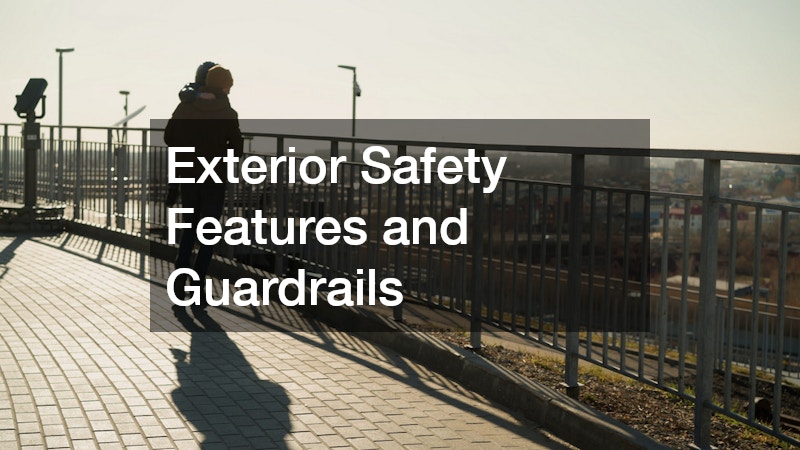
Balconies, stairwells, and elevated walkways are areas where safety concerns can quickly become liability concerns, especially in properties with families, elderly tenants, or pets. Most building codes require guardrails to withstand at least 200 pounds of lateral force and stand a minimum of 36 to 42 inches tall, depending on local jurisdiction. When railings fall short of these standards, the property owner isn’t just risking a tenant complaint — they’re risking a lawsuit. Loose or rusted railings are a common code violation that also happens to be one of the most visible signs of deferred maintenance. Rust stains bleeding down siding, wobbly balusters, or gaps wide enough for a small child or pet to slip through are the kinds of details prospective tenants notice within seconds of a walkthrough. These small red flags erode trust fast, even if the rest of the unit is well-maintained. Beyond railings, exterior lighting and stair tread condition deserve equal attention. Dim or burned-out fixtures near stairwells and walkways create fall hazards after dark and make a property feel neglected, while cracked or uneven steps are among the top causes of slip-and-fall claims in multifamily housing. A quarterly inspection schedule that checks fasteners, welds, and coating integrity on all railings — along with a walk-through of exterior lighting — can catch problems long before they become code citations or injury reports.
Replacing worn hardware with sturdy metal railings not only satisfies most local safety codes but also gives the property a cleaner, more finished appearance. Most jurisdictions require guardrails on any elevated walkway or porch over 30 inches high, with baluster spacing no wider than 4 inches to prevent young children from slipping through. Checking these specs before installation saves landlords from costly rework after a failed inspection. Powder-coated or galvanized options resist rust far longer than untreated steel, which matters most in coastal or high-humidity regions where corrosion happens quickly. Galvanized steel typically holds up for 20 to 50 years depending on exposure, while a quality powder coat adds a scratch-resistant finish that also comes in a range of colors to match the building’s exterior. Beyond material choice, tenant retention often comes down to the small details tenants notice daily: a wobbly handrail, a loose post, or peeling paint on a staircase all signal neglect. Scheduling an annual inspection of anchor points and welds, especially after harsh winters, catches structural fatigue before it becomes a liability or a move-out reason.
Landscaping and Curb Appeal Investments
First impressions matter enormously for both prospective and current tenants, and a property’s exterior often dictates how much care people assume goes into the interior. Overgrown shrubs, patchy grass, and outdated hardscaping make a property feel tired even if units have been recently renovated. Simple, consistent upkeep goes a long way: mowing on a regular schedule, trimming hedges into clean lines, and refreshing mulch beds twice a year can transform a property’s overall vibe for a few hundred dollars in seasonal maintenance. Adding drought-tolerant plantings or native perennials cuts long-term water and labor costs while keeping beds looking full without constant replanting. Walkways, entry stairs, and parking areas deserve equal attention, since cracked concrete or crumbling asphalt signals neglect just as loudly as dead landscaping. Repaving a small lot or resealing cracks typically costs far less than tenants assume it saves in complaints, and it reduces liability from trip-and-fall hazards. Lighting is another underrated factor — well-lit pathways and entrances improve both safety perception and nighttime curb appeal, often for the cost of a few LED fixtures and a timer. Fresh paint on fences, mailbox clusters, or building trim, combined with clearly marked signage, rounds out an exterior that signals active, attentive management rather than deferred maintenance.
Thoughtful outdoor design that incorporates seating areas, shade structures, and low-maintenance native plants gives tenants a reason to spend time on the property rather than avoiding it. Adding a few strategically placed pergolas or shade sails near patios can make outdoor lounges usable even during peak summer heat, extending the hours tenants actually enjoy the space. Native and drought-tolerant plants are worth prioritizing not just for their lower water bills, but because they require far less ongoing maintenance than traditional turf or exotic landscaping. Many property managers report cutting landscaping costs by 20-30% after switching to xeriscaping or regionally adapted plant beds, while still improving the overall look of the grounds. Small touches matter too: well-maintained walkways, fresh mulch, seasonal flower rotations, and clearly defined pet-relief areas all signal that a property is cared for. Properties that invest in inviting common areas tend to see higher renewal rates because tenants feel a sense of pride in where they live, and that pride often translates into word-of-mouth referrals and fewer move-out notices at lease renewal time.
Property Boundary Markers and Historical Features

For properties with long histories or significant land parcels, boundary and property line disputes can become a source of stress for tenants, especially in shared-use developments or HOA communities. Clear, well-maintained markers reduce confusion and prevent conflicts between neighboring units or properties.
In some older communities, stone monuments or engraved markers serve both a practical and aesthetic purpose, delineating property lines while adding a sense of permanence and history to the grounds. Keeping these features clean and upright, rather than letting them crumble or become overgrown, contributes to the overall sense that the property is well cared for.
Waterfront Access and Dock Maintenance
Properties situated on lakes, rivers, or coastlines carry extra appeal, but only if the waterfront features are actually usable and safe. A rotting dock or unstable boat access point turns a major selling point into a hazard that scares tenants away from using the amenity at all. Wood docks typically need a close inspection every season, checking for soft or spongy boards, loose fasteners, and posts that wobble at the waterline where rot sets in fastest. Galvanized hardware corrodes over time and should be swapped out before it snaps under load, and any board deflecting more than a half-inch under normal weight is a candidate for replacement. Composite decking costs more upfront but sidesteps most of this maintenance cycle, often paying for itself within five to seven years in avoided repairs. Ladders, cleats, and railings deserve the same scrutiny as the decking itself, since a loose cleat can mean a boat drifting loose overnight and a wobbly ladder is often where injuries actually happen. Check that anchoring systems and pilings haven’t shifted after winter ice or seasonal flooding, as even a few inches of movement can throw off the whole structure’s stability. Liability exposure rises sharply with waterfront amenities, so many property owners carry supplemental coverage and post clear signage about weight limits, swimming rules, and boat speed restrictions in shared slips. A documented seasonal inspection log, ideally with dated photos, also gives owners a defense if a tenant dispute or injury claim ever arises. Keeping that paperwork current is a small effort that protects both the property’s reputation and its bottom line.
For properties with waterfront access, dock conditions directly affect tenant satisfaction and liability exposure. Bringing in an experienced dock company for annual inspections helps catch soft spots, loose fasteners, and corrosion before they become safety hazards. These inspections should also check cleats, ladders, and electrical connections for boat lifts, since these components fail quietly until someone gets hurt. Timing matters too. Late winter or early spring inspections, before tenants start using the water again, give you a window to complete repairs without disrupting anyone’s summer plans. Regular maintenance also extends the lifespan of pilings and decking, which is far cheaper than a full rebuild after years of neglect. A single piling replacement might run a few hundred dollars, while a full dock rebuild can easily climb into five figures depending on size and materials. Budgeting for small annual fixes protects both your investment and the tenants who rely on safe, reliable water access.
Interior Fixture Updates That Feel Like Upgrades
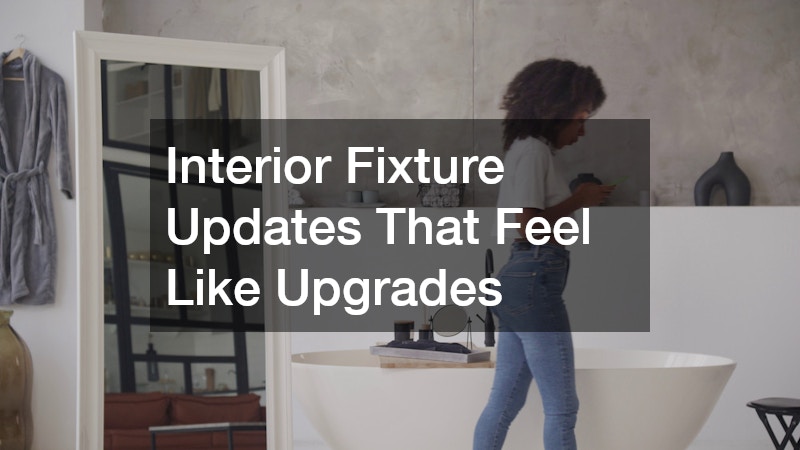
Small interior details often influence a tenant’s decision to renew far more than owners expect, since these are the features people interact with every single day. Outdated fixtures make a unit feel dated even when the bones of the property are solid. Faucets, cabinet handles, light fixtures, and switch plates are touched constantly, so wear on these items registers subconsciously as neglect. Swapping a builder-grade faucet for a brushed nickel or matte black option typically costs under $75 in parts but changes the entire feel of a kitchen or bathroom. Similarly, replacing dated brass cabinet pulls with simple modern hardware can be done in an afternoon and instantly makes cabinetry look newer than it is. Lighting deserves particular attention, since a single fixture upgrade can transform a room’s mood far more than repainting the walls. Swapping harsh fluorescent tubes or dim incandescent fixtures for LED flush mounts or pendant lights improves both brightness and energy efficiency, which tenants notice on their utility bills. Dimmer switches, at roughly $15-$20 each, are a low-cost addition that signals attention to comfort and livability. Bathroom updates offer some of the best return on tenant satisfaction relative to cost. A new mirror, updated showerhead, or re-caulked tub can make a bathroom feel refreshed without a full renovation. Even small touches like a matching towel bar and toilet paper holder set help the space feel cohesive rather than mismatched. Owners should also consider grouping these updates by unit turnover rather than doing them piecemeal, since a coordinated refresh during vacancy periods minimizes disruption to current tenants while maximizing the perceived value increase for the next lease term.
Custom mirror installation in bathrooms and entryways is a relatively low-cost upgrade that makes spaces feel larger, brighter, and more modern. For a typical unit, framed mirrors run anywhere from $150 to $400 installed, while backlit or LED-edge versions can range from $300 to $800 depending on size and dimming features — still far cheaper than a full bathroom renovation. Framed or backlit options in particular give units a boutique feel that tenants notice immediately during walkthroughs and continue to appreciate long after move-in. Matte black or brushed brass frames pair well with updated hardware and read as intentional design choices rather than generic landlord specials. Placement matters as much as style. Entryway mirrors near the door add functional value for tenants checking their appearance before heading out, while oversized bathroom mirrors above the vanity can visually double a small space without touching a single wall. When budgeting for multiple units, ordering standardized sizes in bulk from a single supplier keeps per-unit costs down and simplifies future replacements if a mirror is damaged.
Structural Additions and New Construction Considerations
When properties expand with new units, garages, or accessory structures, the quality of the build matters just as much as the finishes tenants eventually see. A poorly prepared foundation leads to cracking, uneven floors, and moisture problems that surface years down the road.
Every addition should start with a properly poured slab, since this is the foundation that determines how well the structure holds up over time. Skimping on this step to save money upfront almost always costs more in repairs later, and it can delay leasing timelines if issues are discovered after tenants have already moved in.
Tenant retention is rarely about one dramatic renovation and almost always about consistent, thoughtful maintenance across every system that touches daily life. From the roof over their heads to the dock by the water, tenants notice when a property is proactively cared for versus reactively patched. Start by walking your property with fresh eyes, listing the systems most overdue for attention, and prioritizing fixes that affect safety and daily comfort first. The owners who treat maintenance as an investment, rather than an expense, are the ones who keep good tenants renewing lease after lease.