
That leaking pipe you have been ignoring, the cracked chimney, the deck board that gives a little when you step on it — none of these problems fix themselves, and every month they sit untouched they get more expensive. A repair backlog does more than clutter your to-do list; it quietly drains your monthly budget through emergency callouts, higher utility bills, and repairs that multiply in scope the longer they wait. The good news is that most homeowners can stop the bleeding with a clear-eyed look at which repairs are costing them the most and a realistic plan to tackle them in order. This article breaks down the most common backlog culprits, what they cost when delayed, and how to start clearing them without wrecking your budget in one shot.

Understand Why Delayed Repairs Cost More Over Time
A repair backlog rarely stays the same size or cost. Small issues compound because most home systems are interconnected, so a minor plumbing leak can eventually damage flooring, drywall, and even electrical components nearby. Contractors often refer to this as deferred maintenance creep, where a 200 dollar fix left alone for a year turns into a 2,000 dollar renovation.
The financial impact shows up in your monthly cash flow in subtle ways before it ever hits as one big invoice. Higher energy bills, increased water usage, and emergency service fees all chip away at your budget while the underlying problem stays unresolved. Recognizing these creeping costs early is the first step toward regaining control.
- A small roof leak can lead to insulation damage and higher heating costs within a single season
- Ignored drain slowdowns often become full clogs requiring emergency service calls
- Cracked masonry allows moisture infiltration that worsens with every freeze-thaw cycle
- Deferred HVAC maintenance can reduce system efficiency by 10 to 25 percent
Prioritize Structural and Foundation Issues First
Not all repairs deserve equal urgency, and structural problems should always sit at the top of your list. Cracks in exterior walls, chimneys, or retaining walls are not just cosmetic; they often signal shifting soil or water intrusion that will worsen with each season. Scheduling masonry repair before winter arrives can prevent freeze-thaw cycles from turning a hairline crack into a structural hazard.
Waiting on structural repairs also tends to affect home insurance and resale value, which makes the delay costlier than the repair itself. Insurance adjusters increasingly flag visible masonry damage during inspections, sometimes resulting in higher premiums or denied claims. Addressing these issues promptly protects both your monthly budget and your long-term investment.
- Look for stair-step cracks in brick or block walls, a common sign of foundation movement
- Check mortar joints for crumbling or gaps wider than a quarter inch
- Watch for doors and windows that stick or no longer close evenly
Get Ahead of Crawlspace and Moisture Problems
Crawlspaces are easy to forget because they are out of sight, but moisture buildup there can silently damage insulation, wood framing, and indoor air quality. Standing water, sagging vapor barriers, or musty odors are all signs that crawlspace repair should move up your priority list rather than wait for a more visible problem to force the issue. The longer moisture sits, the more likely it is to attract pests and accelerate wood rot in floor joists.
Addressing crawlspace issues early is typically far less expensive than replacing structural framing later. Many homeowners are surprised to learn that persistent humidity below the house is also driving up their HVAC costs, since the system has to work harder to manage indoor moisture levels. A dry, sealed crawlspace pays for itself through lower utility bills and fewer emergency repairs down the road.
- Inspect for visible mold or a persistent musty smell inside the home
- Check that vapor barriers are intact and properly sealed at the seams
- Look for soft or bouncy flooring above the crawlspace area

Schedule Seasonal Heating and Cooling Maintenance
Your heating and cooling system is one of the biggest monthly expenses in any home, and neglecting it is one of the fastest ways to inflate your utility bills. Dirty filters, low refrigerant, and worn components all force the system to run longer and harder than necessary. A timely HVAC repair before extreme weather hits can prevent a complete breakdown during the season you need it most.
Skipping annual tune-ups also shortens the lifespan of the equipment, meaning a deferred 150 dollar service call today can lead to a full system replacement years earlier than expected. Many homeowners do not realize that a struggling system pulls double duty when other issues, like poor insulation or crawlspace humidity, are also present. Bundling seasonal maintenance into your annual budget keeps monthly energy costs predictable instead of spiking unexpectedly.
- Replace or clean filters every one to three months depending on usage
- Schedule a professional tune-up each spring and fall
- Listen for unusual noises like grinding, clicking, or rattling during operation
Clear Slow Drains Before They Become Plumbing Emergencies
A slow drain is one of the most commonly ignored repairs, largely because it still technically works. But a sluggish sink or shower is often the first warning sign of a larger blockage forming further down the line. Professional drain cleaning on a regular schedule removes grease, hair, and mineral buildup before it hardens into a clog that requires more invasive intervention.
The cost difference between routine maintenance and an emergency plumbing call is significant, and backed-up drains can also cause water damage to cabinets, flooring, and subfloors if left unaddressed. Homeowners who treat drain maintenance as a seasonal task rather than a reactive fix typically avoid the higher costs associated with burst pipes or sewage backups. It is a small line item that protects a much larger part of your budget.
- Watch for water pooling around drains during showers or dishwashing
- Avoid pouring grease or coffee grounds down kitchen sinks
- Consider a professional inspection if multiple drains slow down at once
Remove Hazardous Trees Before Storm Season
Trees add value and shade to a property, but dead branches, leaning trunks, or root systems too close to a foundation can turn into expensive emergencies during a storm. Scheduling tree removal for hazardous trees before severe weather hits is far cheaper than dealing with the aftermath of a fallen limb on your roof or fence. Insurance companies also scrutinize storm damage claims more closely when a tree was visibly unhealthy beforehand.
Beyond the immediate safety risk, overgrown or dying trees can also cause slower, less obvious damage like cracked driveways from invasive roots or clogged gutters from excessive leaf drop. Regular tree assessments as part of your home maintenance routine help you catch these problems while removal is still a planned expense rather than an emergency one. Planning ahead also typically costs less than after-hours emergency service.
- Check for large dead branches or thinning canopy coverage
- Look for fungus growth at the base, a sign of root decay
- Note any leaning that has increased noticeably over the past year
Address an Aging Roof Before It Fails Completely
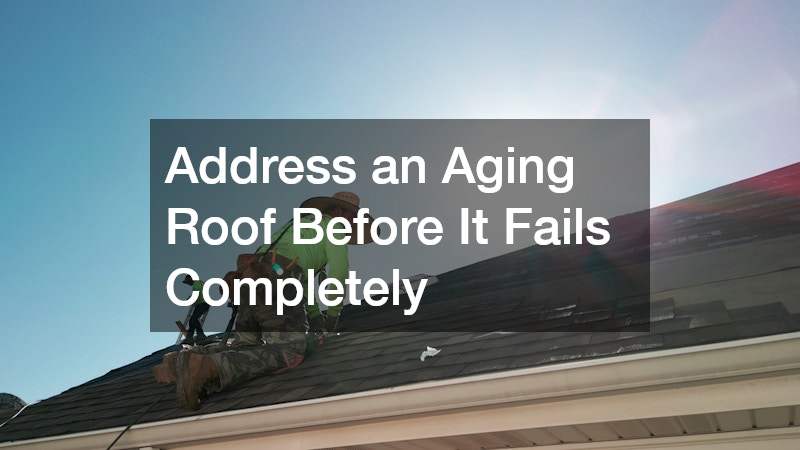
Roof problems rarely announce themselves clearly until a leak has already caused interior damage. Curling shingles, granule loss, and rusted flashing are all signs that your roof is nearing the end of its usable life. For homeowners looking for a long-term solution, metal roof installation has become increasingly popular because of its durability and lower long-term maintenance costs compared to traditional asphalt shingles.
Delaying a roof replacement or repair almost always increases the final cost, since water intrusion tends to damage decking, insulation, and interior ceilings the longer it goes unaddressed. A roof in poor condition can also affect your home insurance rates and eligibility for certain policies. Getting ahead of the problem protects both the structure of your home and your monthly budget from surprise expenses.
- Check for shingles that are cracked, curling, or missing granules
- Look inside the attic for daylight coming through the roof deck
- Watch for water stains on ceilings after heavy rain
Update Outdated Bathrooms Before Small Leaks Spread
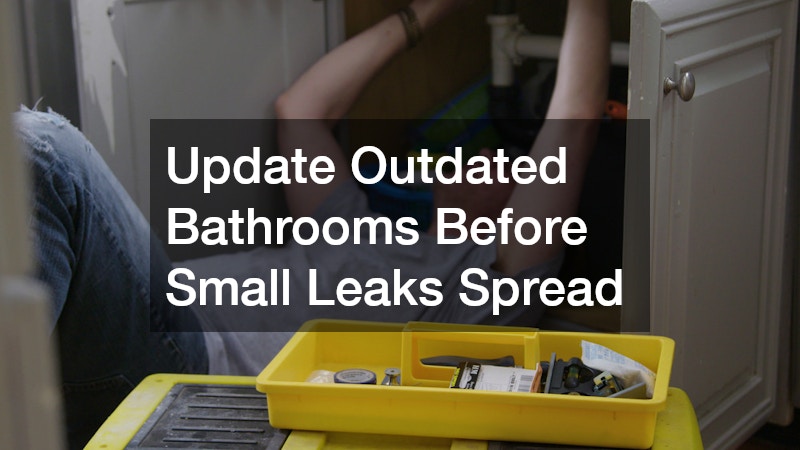
Bathrooms take a beating from daily moisture exposure, and small issues like a leaking shower pan, cracked caulk, or failing grout often go unnoticed until they cause damage to subfloors or the ceiling below. A soft spot near the toilet base, discolored ceiling drywall in the room below, or a musty smell that won’t go away are all early warning signs worth investigating before they turn into a bigger problem.
What starts as a $200 grout repair can easily become a $3,000 subfloor replacement if water keeps seeping in unnoticed for months. Working with experienced bathroom remodeling contractors to address these issues early can prevent a cosmetic annoyance from becoming a full structural repair. A qualified contractor can also spot problems homeowners tend to miss, like improperly sloped shower pans, deteriorating wax rings under toilets, or ventilation fans that aren’t pulling enough moisture out of the room. Catching these during a routine inspection is far cheaper than discovering them after a ceiling collapse or mold remediation is required.
Older bathrooms also tend to have inefficient fixtures that quietly increase water bills every month. A toilet from the 1990s can use up to 3.5 gallons per flush compared to 1.28 gallons for a modern low-flow model, and older showerheads can waste several gallons per minute versus WaterSense-certified fixtures. Upgrading these fixtures alongside leak repairs often pays for itself within a couple of years through lower utility bills, while also reducing the strain that constant moisture puts on aging materials.
A well-planned bathroom update does not have to mean a full renovation right away. Sometimes replacing a worn shower enclosure with custom shower doors solves both the leak risk and the outdated appearance in one project, since properly sealed glass enclosures reduce water splashing onto floors and walls. That splash-back is often the hidden culprit behind soft subflooring, peeling paint, and musty odors that show up months later as bigger repair bills. Old shower curtains and cracked sliding tracks are common failure points worth checking first. Curtains let water sneak past every time they billow in the breeze from an exhaust fan, while corroded tracks on old sliding doors often stop sealing tightly within five to seven years. Custom shower doors, by contrast, are measured and fitted to the exact opening, which closes the small gaps that let moisture creep behind tile and drywall.
Budget-wise, a mid-range frameless or semi-frameless custom enclosure typically runs $800 to $2,500 installed, depending on glass thickness and hardware finish, compared to $15,000 or more for a full bathroom gut renovation. That gap makes it an easy win when cash flow is already stretched thin by other repairs. Addressing these smaller wins now can delay the need for a larger remodel while still improving daily function. It also buys time to plan and budget properly for a full renovation later, instead of being forced into one by water damage.
- Check grout and caulk lines for cracking, discoloration, or gaps — replace caulk every 2-3 years before it fails completely
- Test the shower pan for soft spots or flexing underfoot, which signals subfloor damage that’s already underway
- Look for water stains, bubbling paint, or sagging drywall on the ceiling of the room below the bathroom
- Run a hand along tile edges near the tub and floor to feel for looseness, a sign water has undermined the adhesive
- Inspect under the sink for warped cabinet wood or a musty smell, both early indicators of a slow supply line leak
- Watch for a spike in your water bill with no obvious cause, often the first clue of a hidden pipe leak
- Set a reminder to re-caulk and inspect seals annually, since a $10 tube of caulk beats a $3,000 subfloor repair
Refresh Kitchen Surfaces Without Overspending
Kitchens often sit in the middle of a repair backlog because the surfaces still function even as they show visible wear. Chipped, stained, or heat-damaged countertops are a common example, and many homeowners are surprised to learn that quartz countertops offer a durable, low-maintenance replacement option that resists staining and scratching far better than older laminate surfaces. Replacing a damaged counter is often more cost-effective long term than repeated patch repairs.
Beyond aesthetics, a compromised countertop surface can also harbor bacteria in cracks and seams, which becomes a hygiene concern in a high-traffic kitchen. Addressing this backlog item during a smaller renovation phase, rather than waiting for a full kitchen remodel, spreads the cost out while still solving the underlying problem. It is one of the more visible upgrades that also adds resale value.
- Inspect for cracks, chips, or heat damage near stovetops
- Check seams for lifting or gaps that trap moisture and debris
- Look for dull or etched areas from acidic spills
Repair or Rebuild an Unsafe Outdoor Deck
An aging deck is one of the most overlooked items in a home repair backlog, largely because the damage is often structural rather than visible from a casual glance. Loose railings, spongy boards, or rusted fasteners are warning signs that should not wait for the next season. Bringing in a qualified deck builder for an inspection can identify whether the issue is a simple board replacement or a more serious problem with the support posts and footings.
Deck failures are also a liability concern, since a structural collapse can cause injury as well as significant repair costs. Regular inspections, especially after harsh winters, help catch rot and fastener corrosion before they become safety hazards. A well-maintained deck also extends the useful life of the structure, delaying the much larger expense of a full rebuild.
- Test railings and stairs for wobbling or give
- Check support posts for rot at the base, especially where they meet the ground
- Look for rust stains around screws and bolts, a sign of corrosion
Clearing a repair backlog does not require tackling every project at once, but it does require an honest assessment of which items are quietly costing you the most each month. Start with the repairs tied to safety and structural integrity, then work through the items that are inflating your utility bills or risking further damage the longer they wait. Breaking the list into manageable phases, and budgeting for them seasonally rather than reactively, is the most reliable way to protect both your home and your monthly cash flow. The sooner you start, the less each item on that list will end up costing you.