
Before you plant a sign in the yard or snap listing photos, your house is quietly telling a story that buyers and their inspectors will eventually uncover. Small leaks, aging roofs, and tired landscaping can shrink your offers or stall a sale entirely if they surface during a buyer’s inspection instead of on your own terms. Taking an honest inventory of your home’s true condition gives you the power to fix what matters, price accordingly, and walk into negotiations with confidence. This guide breaks down the major systems and surfaces worth checking before listing day arrives.
Inspect Your Roof and Attic for Hidden Wear

Your roof is one of the first things a buyer’s inspector will scrutinize, and even minor issues like curling shingles or worn flashing can raise red flags that spook potential buyers. Climbing up yourself isn’t necessary or safe, but a visual check from the ground with binoculars can reveal missing shingles, sagging lines, or moss buildup that signals trapped moisture. Inside the attic, look for daylight peeking through boards, water stains, or musty odors that suggest a slow leak has been developing unnoticed.
If you spot anything questionable, it’s worth having a residential roofer walk the roof and attic space before you list. A professional assessment gives you documentation to share with buyers, which builds trust and can prevent a roof issue from becoming a renegotiation point later.
- Check for granules collecting in gutters, a sign of shingle deterioration
- Look for daylight or water stains in the attic
- Note any sagging rooflines visible from the street
- Confirm flashing around chimneys and vents is intact
Test Every Plumbing Fixture and Water Line

Plumbing problems are among the most common surprises that surface during a home inspection, and they’re also some of the easiest to catch early if you take the time to test things yourself. Run every faucet, flush every toilet, and check under sinks for slow drips or corrosion on supply lines. Pay attention to water pressure changes, gurgling drains, or discoloration that could point to aging pipes. Go room by room and give each fixture at least 60 seconds of running water. Watch for how quickly sinks and tubs drain, listen for gurgling that suggests a venting issue, and note any toilet that runs continuously or takes more than one flush to clear. In the kitchen, check the dishwasher and refrigerator water line connections, since these are frequent leak points that homeowners often overlook. Under every sink, feel around the supply lines and shutoff valves for dampness, and look for greenish or white corrosion on copper or brass fittings. If your home has visible galvanized steel pipes, know that they typically last 40-50 years before internal rust restricts flow, and buyers’ inspectors will flag them regardless of current performance. Check your water heater’s age on its manufacturer label, since units older than 10-12 years are often called out in inspection reports even if still functioning. Test the pressure-relief valve and look at the floor around the tank for rust stains or moisture that could indicate a slow leak. Finally, note your home’s overall water pressure at an outdoor spigot; anything under 40 PSI or over 80 PSI is worth investigating before a buyer’s inspector does it for you.
Before listing day, run every faucet, flush every toilet, and check under every sink for slow drips or corrosion around the pipes. Turn on the water heater and check for rust-colored water, unusual noises, or a pilot light that won’t stay lit, since these are red flags home inspectors always catch. Look at water pressure in the shower too; a sudden drop could point to a hidden leak or buildup in the lines. If you notice anything beyond a simple fix, calling in plumbers before listing day is a smart investment rather than an expense. A licensed plumber can spot early signs of trouble, like a slow leak behind a wall or aging galvanized pipes, that could turn into a five-figure repair if left unaddressed. Getting a written inspection report also gives you documentation to share with potential buyers upfront. Buyers are far more comfortable moving forward when they know the plumbing has been checked and cleared, and it removes one more bargaining chip from the negotiation table. It also protects you from last-minute surprises during the buyer’s own inspection, which can delay closing or reopen price discussions. A few hundred dollars spent now on plumbers is almost always cheaper than a renegotiated sale price later.
- Run water in every fixture for several minutes, checking for weak pressure, slow drainage, or gurgling sounds in nearby drains
- Flush every toilet and watch for slow refills, running water after the tank fills, or wobbling at the base that signals a failing wax seal
- Inspect the water heater’s age (check the manufacture date on the label), look for rust around the tank, and note any pooling water underneath
- Check exposed pipes in the basement or crawlspace for corrosion, greenish stains on copper, or white crusty buildup on joints
- Look under every sink for slow drips, warped cabinet flooring, or musty odors that point to hidden leaks
- Test water pressure with a gauge if possible — anything below 40 psi or above 80 psi can raise buyer concerns
- Test outdoor spigots and irrigation connections, including shutoff valves, for leaks or reduced flow
- Note the water main shutoff location and confirm it turns fully, since inspectors and buyers often ask
Evaluate Your Pool and Outdoor Water Features
If your property includes a pool, its condition can heavily influence how buyers perceive the overall upkeep of the home. Cracked tile, rough or discolored plaster, and visible staining are common signs of wear that buyers will notice immediately, even if they don’t know the technical cause. These issues rarely resolve on their own and tend to get worse with each swimming season.
In many cases, pool replastering restores both the appearance and function of an aging pool basin, giving buyers one less reason to negotiate down the price. Even if a full renovation isn’t in your budget, addressing visible surface damage before listing photos are taken can make a meaningful difference in first impressions.
- Check plaster for rough spots, cracks, or discoloration
- Test pool equipment including pumps, filters, and heaters
- Look for tile stains or calcium buildup along the waterline
- Confirm safety fencing and covers meet local requirements
Assess Exterior Siding, Paint, and Surface Finishes
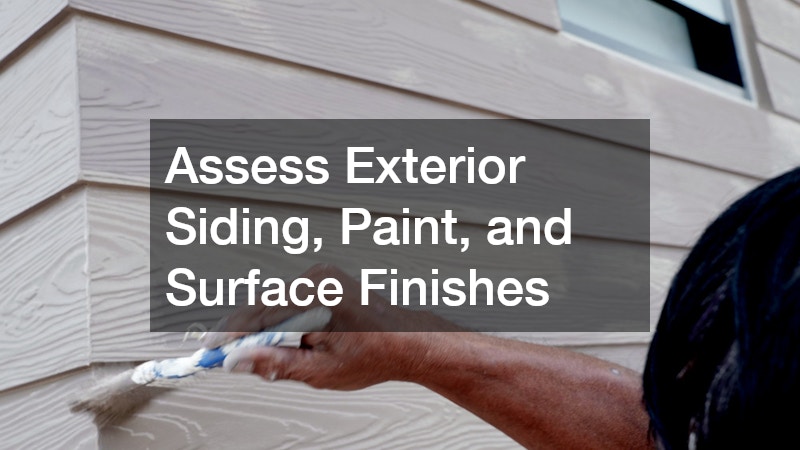
Curb appeal starts with what buyers see the moment they pull up, and faded or peeling exterior surfaces can make a well-maintained home look neglected. Walk the perimeter of your house and look closely at siding, trim, and any painted surfaces for chalking, cracking, or fading caused by sun exposure. These cosmetic issues are often quick to address but make an outsized impact on how buyers judge the home’s overall condition.
For homeowners who’ve recently painted or want to protect a fresh exterior finish, applying paint protection can extend the life of the work and keep surfaces looking crisp through the listing period and beyond. This is especially useful in regions with intense sun or frequent storms, where exterior finishes tend to degrade faster than expected.
- Look for chalky residue, which indicates UV degradation
- Check caulking around windows and doors for gaps or cracking
- Inspect trim and fascia boards for soft spots or rot
- Note any color mismatches from previous touch-up work
Review Structural Additions and Renovation Quality
If your home has had additions, converted spaces, or major renovations, buyers and their inspectors will want to know the work was done to code and holds up structurally. Pull any permits or documentation you have on past projects, since missing paperwork can create delays or suspicion during a sale. Walk through added spaces looking for uneven flooring, cracked drywall seams, or doors that no longer close properly, all of which can hint at settling or shortcuts taken during construction.
If you’re uncertain about the quality of a past renovation, consulting with a custom home builder can help you understand whether the work meets current standards or needs correction before it becomes a sticking point in negotiations. This kind of proactive review is particularly valuable for older additions built under previous ownership, where original records may be incomplete or missing entirely.
- Gather permits and inspection records for any past renovations
- Check for uneven floors or gaps where additions meet the original structure
- Test windows and doors in added rooms for proper alignment
- Ask a professional to review load-bearing changes if unsure
Refresh Your Yard and Outdoor Living Spaces

Overgrown shrubs, patchy lawns, and cluttered flower beds can make even a well-maintained home feel neglected before a buyer steps through the front door. Landscaping is one of the most cost-effective ways to boost first impressions, since simple trimming, mulching, and lawn care can transform how a property photographs and shows in person. Buyers tend to assume that a home with tidy outdoor spaces has been cared for inside as well, so this step carries more psychological weight than many sellers realize.
Beyond aesthetics, take a walk around your yard to check for drainage issues, dead trees, or root systems that might be pushing into foundations or walkways. These are the kinds of problems inspectors flag quickly, so addressing them ahead of time keeps the process smoother and protects your negotiating position.
- Trim overgrown bushes and trees away from the house and roofline
- Reseed or patch bare spots in the lawn several weeks before listing
- Clear dead branches and debris from gutters and yard corners
- Check that grading directs water away from the foundation
Check for Past Water Damage and Moisture Issues
Water damage is one of the most feared discoveries for buyers, since it often signals hidden mold, weakened structural materials, or ongoing leaks that haven’t been fully resolved. Walk through basements, crawlspaces, and areas below bathrooms or kitchens looking for stains, warped flooring, or a musty smell that lingers even after cleaning. Even if damage happened years ago and was repaired, buyers will want reassurance that the underlying cause was actually fixed.
If you do find signs of past moisture problems, bringing in water restoration services to assess and document the situation can turn a potential deal-breaker into a non-issue. Having professional records showing the damage was properly remediated gives buyers confidence and can prevent a lender or inspector from delaying closing over lingering concerns.
- Look for water stains on ceilings, walls, and around window frames
- Check basement corners and floor edges for efflorescence or dampness
- Smell for mustiness in closets, crawlspaces, and behind furniture
- Keep any past repair receipts or restoration reports on hand for buyers
Clean and Present Windows, Fixtures, and Outdoor Lighting
Small details like streaky windows and dim exterior lighting can quietly undercut an otherwise well-prepared listing, since they’re often the first and last things buyers notice on a walkthrough. Clean, clear windows let in more natural light for showings and photographs, making rooms feel larger and more inviting. Hiring a window cleaning service before listing photos are taken is a relatively small expense that pays off in how bright and polished your home appears both online and in person.
Exterior lighting matters just as much, especially for evening showings or listing photos taken at dusk. Thoughtful exterior lighting installation along walkways, entryways, and architectural features can make a home feel warm and well cared for, while also addressing safety concerns that buyers notice during evening visits.
- Wash windows inside and out, including screens and sills
- Replace burnt-out bulbs in porch lights and pathway fixtures
- Add or upgrade lighting near entry points for evening showings
- Wipe down light fixtures and switch plates throughout the home
Address Pest Activity Before It Becomes a Bigger Problem
Signs of pest activity, from termite damage to rodent droppings, can derail a sale faster than almost any other issue since they raise immediate concerns about structural integrity and cleanliness. Check crawlspaces, attics, and areas around the foundation for droppings, chewed wood, or small entry holes that indicate unwanted guests have made themselves at home. Even homes without an active infestation can benefit from a preventive inspection, since early signs are easy to miss without trained eyes.
Bringing in pest exterminators for a pre-listing inspection gives you a clear picture of what needs treatment and provides documentation buyers will appreciate seeing. Resolving pest issues before listing day not only protects your sale price but also prevents last-minute treatment demands that can delay closing.
- Check for termite mud tubes near the foundation
- Look for rodent droppings in attics, garages, and crawlspaces
- Inspect wood trim and decks for soft or hollowed-out sections
- Ask about preventive treatments if your region has high pest activity
Getting an honest, thorough look at your home’s true condition before listing day puts you in control rather than leaving you to react to surprises during negotiations. Work through these systems one at a time, starting with anything that affects safety or structure, then move on to the cosmetic details that shape first impressions. A little effort now, whether it’s a professional inspection or a weekend of yard work, can translate directly into a smoother sale and a stronger final offer.