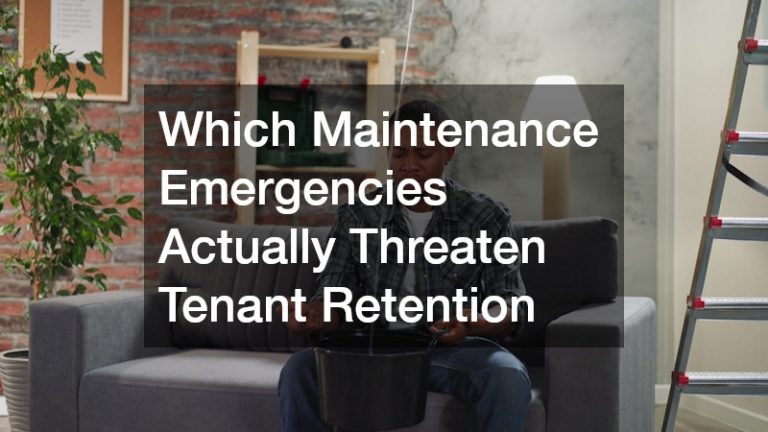
When a tenant calls about a maintenance problem at midnight, the way you respond can determine whether they renew their lease or start browsing listings the next morning. Not every repair carries the same weight with renters, and understanding which issues actually push people toward moving out helps you prioritize your time and budget. Some problems are merely annoying, while others signal to tenants that their home isn’t being cared for properly. This guide breaks down the maintenance emergencies that genuinely threaten tenant retention, so you can respond to the right ones with urgency.
Water Intrusion From a Failing Roof
A leaking roof is one of the fastest ways to lose a tenant’s trust, because water stains on ceilings and damp walls signal neglect even if the underlying issue is minor. Tenants living with a leak often assume the whole property is poorly maintained, and that perception spreads if they talk to friends or leave reviews. Scheduling prompt roof repair after the first sign of a leak shows tenants you take structural issues seriously before they become bigger problems.
Beyond the visible damage, unresolved roof leaks often lead to mold growth, warped flooring, and electrical hazards, all of which compound tenant frustration. A property owner who delays this kind of repair risks turning a single complaint into multiple overlapping issues that are far more expensive and disruptive to fix later.
- Water stains that spread after rainstorms
- Musty odors in upper-floor rooms or attics
- Missing or curling shingles visible from the ground
- Tenant complaints about dripping sounds during storms
Sudden Loss of Heating or Cooling

Temperature control is one of the few maintenance issues tenants consider non-negotiable, especially during extreme weather. A broken furnace in winter or a dead air conditioner in summer can make a unit feel unlivable within hours, and tenants rarely have patience for delayed responses to these complaints. Fast diagnosis and repair, along with clear communication about timelines, goes a long way toward preserving goodwill even when parts or technicians aren’t immediately available.
Many leases legally require habitable temperature conditions, so ignoring HVAC failures can create liability beyond just losing a tenant. Landlords who treat these calls as top priority tend to see far fewer lease terminations tied to comfort complaints.
Septic and Sewer System Failures
Few things drive tenants out faster than a backed-up sewer line or a failing septic system, since the smell and sanitation concerns make daily life miserable almost immediately. These issues often start small, with slow drains or gurgling pipes, before escalating into full backups that affect multiple fixtures at once. Routine septic tank pumping on a predictable schedule prevents many of these emergencies from happening in the first place, and it’s far cheaper than emergency extraction after a system failure.
Tenants who experience even one severe sewage backup often remember it as the reason they left, regardless of how well the rest of the tenancy went. Being proactive about septic maintenance, rather than reactive, protects both the property and the relationship with the people living in it.
- Slow-draining sinks or tubs across multiple rooms
- Gurgling sounds from toilets or floor drains
- Sewage odor near yard or basement areas
- Standing water above a septic tank or drain field
Chimney and Fireplace Safety Issues
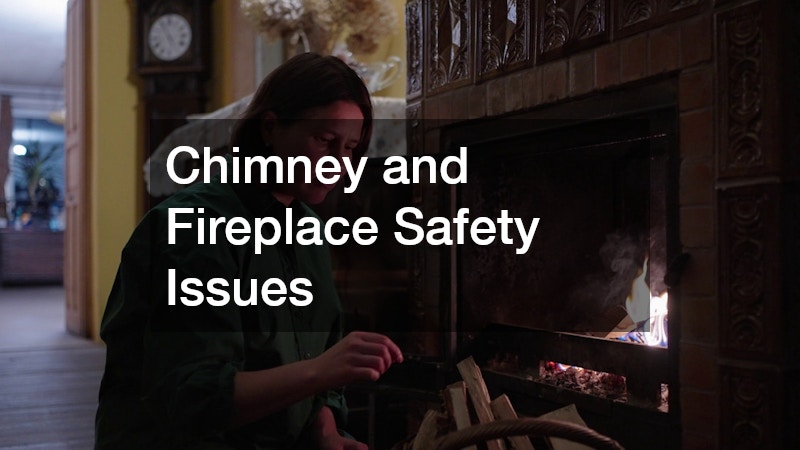
In colder climates, a fireplace or wood-burning stove is often a selling point for a rental, but it becomes a liability the moment it’s neglected. Creosote buildup, cracked flue liners, and blocked chimneys create fire and carbon monoxide risks that tenants take seriously once they understand the danger. Scheduling chimney repairs before the heating season starts, rather than after a tenant reports smoke smell or poor draft, keeps the feature safe and prevents a scramble during peak demand for technicians.
Tenants who feel unsafe using a fireplace they were promised as an amenity often feel misled, which damages trust even if the fireplace isn’t used daily. Addressing chimney concerns quickly reinforces that safety features in the lease are maintained, not just listed for marketing purposes.
Fence and Perimeter Security Damage
For tenants with pets, children, or a strong interest in privacy, a broken or leaning fence is more than cosmetic. It can mean an unsupervised pet escapes, a child wanders into a neighboring yard, or a tenant simply feels exposed to neighbors and passersby. Completing fence jobs promptly after storm damage or general wear shows tenants that their privacy and safety concerns are being taken seriously rather than pushed to the bottom of a repair list.
Security concerns tied to a damaged perimeter often escalate quickly, especially in areas with higher foot traffic or shared property lines. A tenant who reports a broken gate latch or a collapsed section of fencing expects a timeline for resolution, not silence, and unmet expectations here are a common reason renters decide not to renew.
Flooring Damage That Affects Daily Living
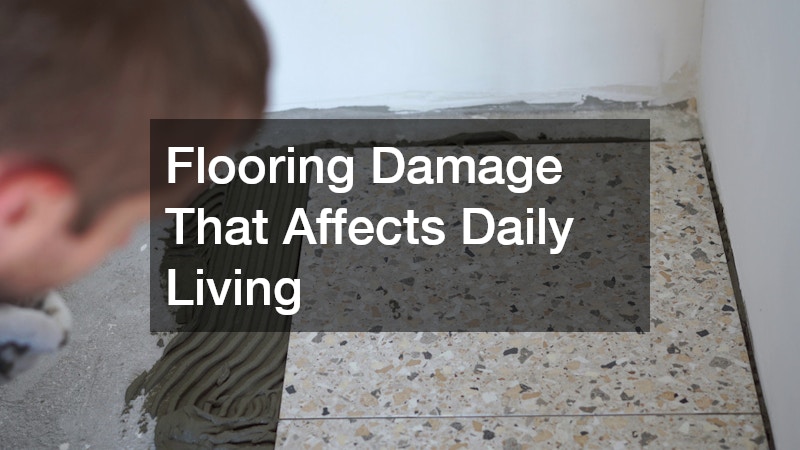
Warped hardwood, buckling laminate, or soaked carpet can make rooms feel unusable, and tenants notice quickly when flooring problems are ignored. These issues often stem from earlier water damage or humidity problems, so addressing the root cause matters as much as replacing the surface material. Working with reputable flooring stores to source durable, moisture-resistant materials for repairs can prevent the same problem from recurring in high-traffic or high-moisture areas like kitchens and bathrooms.
Tenants living with damaged flooring for extended periods often feel like second-class residents, particularly if they’ve reported the issue more than once without resolution. Replacing or repairing flooring promptly, rather than patching it temporarily, signals long-term investment in the unit’s condition.
Water Damage From Pipe Bursts and Appliance Leaks
A burst pipe or an overflowing washing machine can flood a unit in minutes, and the speed of the response often matters more than the size of the incident. A supply line failure can release several gallons per minute, meaning a leak discovered even a few hours late can already mean soaked carpet padding, saturated baseboards, and water migrating into a downstairs unit. Standing water that isn’t addressed within 24 to 48 hours can lead to mold growth, warped subfloors, and damaged drywall, turning a manageable leak into a major renovation. Mold in particular is a serious risk: many species can take hold within that same 24-to-48-hour window, and once it spreads inside wall cavities or under flooring, remediation costs and required tenant relocation both climb sharply. Bringing in professional water damage cleaning restoration services quickly after a flood event minimizes the disruption to a tenant’s daily life and reduces the odds that they associate their home with an ongoing mess. Beyond extracting standing water, these crews use moisture meters and industrial dehumidifiers to confirm that hidden dampness inside walls and subflooring has actually been resolved, not just the visible puddling. Property owners who keep a plumber and a restoration service on-call, rather than sourcing them after the fact, typically cut response times from days to hours. That difference is often what separates a tenant who renews their lease from one who starts quietly browsing listings the moment the drywall dries.
Water damage tests tenant patience faster than almost any other repair because it touches everything they own. A burst pipe or leaking dishwasher can ruin flooring, drywall, and personal belongings within hours, so the first 24 to 48 hours of response matter more than the eventual quality of the repair. Tenants displaced even temporarily often expect clear communication about timelines, temporary housing options, or rent adjustments, and silence during that window does more damage to the relationship than the water itself. Practical accommodations go a long way toward preserving trust. Offering a prorated rent credit for the days a unit is uninhabitable, covering a hotel stay when water damage affects bedrooms or bathrooms, or providing industrial fans and dehumidifiers within hours rather than days all signal that the landlord takes the disruption seriously. Tenants who feel like an afterthought during a flood tend to start apartment-hunting the moment their lease allows it. Handling this transparently, and resolving the underlying plumbing issue rather than just drying the space, helps rebuild confidence that the unit is safe and dry going forward. That means addressing the corroded pipe, failed supply line, or aging water heater that caused the leak, not just replacing baseboards and repainting. It also means checking for hidden moisture behind walls or under flooring, since undetected mold growth within 24 to 72 hours of water exposure can trigger health complaints and lease terminations months after the original incident appears resolved.
Storm-Damaged Trees and Overhanging Limbs
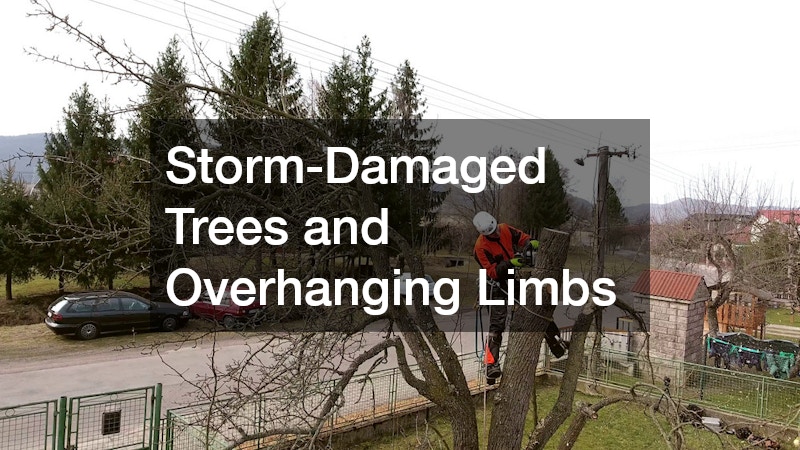
Large trees add value to a property, but storm-damaged limbs or trees leaning toward a structure create real safety concerns for tenants, especially those with cars parked nearby or children playing in the yard. Regular trimming and inspection through professional tree services reduces the risk of limbs falling on roofs, vehicles, or fences during severe weather. Tenants who raise concerns about a specific tree and see no action often interpret it as the landlord ignoring an obvious hazard.
After a storm, fallen branches or debris left uncleared for days can also block walkways or driveways, adding daily frustration to an already stressful situation. Prompt cleanup and follow-up trimming demonstrate that outdoor hazards are treated with the same urgency as issues inside the unit.
Gutter Failures That Lead to Foundation Problems
Clogged or damaged gutters might seem like a minor exterior issue, but they’re often the root cause of basement flooding, siding damage, and foundation cracks that tenants eventually notice and report. Water that isn’t properly diverted away from the building can pool near the foundation, leading to slow but serious structural damage over time. Investing in proper gutter installation, along with regular cleaning, protects the property from these cascading issues before tenants ever have to deal with the consequences.
Tenants in basement or ground-floor units are particularly sensitive to this kind of neglect, since they’re the first to notice musty smells or damp corners tied to poor drainage. Addressing gutter problems early is one of the more affordable preventive measures a property owner can take.
Cosmetic Neglect That Signals Bigger Problems
Peeling paint, cracked walls, or a home that visibly hasn’t been updated in years can make tenants feel like their concerns won’t be taken seriously either. Cosmetic decay sends a subtle but powerful message: if the landlord hasn’t bothered to fix what’s visible, what are the odds they’ll respond quickly to what’s hidden behind the walls? Tenants often use these visual cues as a proxy for how a property is managed overall, long before they ever experience a slow maintenance response firsthand. While cosmetic issues rarely cause immediate safety problems, they shape a tenant’s overall perception of how much a landlord invests in the property. Scuffed baseboards, dated fixtures, worn carpet, or discolored ceiling tiles from an old, unaddressed leak all accumulate into an impression of neglect, even if each individual flaw seems minor. Over time, that impression becomes a major factor in whether a tenant renews their lease. Hiring reliable painting companies for periodic refreshes is one of the most cost-effective ways to reset that impression, since fresh paint can make an entire unit feel newly cared for without a large budget. For larger updates between tenancies, reputable home remodeling companies can address dated kitchens, worn flooring, or aging bathrooms that no amount of touch-up paint will fix. Scheduling these updates proactively, rather than waiting for a tenant to complain, keeps a property feeling cared for rather than neglected and signals that the landlord is paying attention even to things that aren’t strictly emergencies.
Tenants often use visible upkeep as a proxy for how responsive a landlord will be to less visible problems, like plumbing or electrical issues. Peeling paint, cracked caulking, or a gate that’s been hanging off its hinges for months send a quiet but clear message: nobody is paying attention here. Tenants reasonably assume that if the easy, obvious stuff gets ignored, the harder, hidden stuff probably will too. A property that looks maintained on the surface tends to earn more patience and goodwill when something does go wrong behind the walls. A tenant who sees fresh hallway paint, clean gutters, and a promptly fixed lobby light is more likely to give a landlord the benefit of the doubt when a water heater takes two days to replace instead of one. That goodwill has real financial value. Renewal decisions often hinge less on whether a single breakdown occurred and more on the pattern of care a tenant has observed over their lease term. Small, cheap fixes — a $15 caulk job, a $30 light fixture, a quick lawn trim — can do more for retention than they cost, because they shape the trust that determines how tenants react when a bigger, costlier emergency eventually happens.
Tenant retention rarely comes down to a single grand gesture; it’s built through consistent, timely responses to the maintenance issues that actually matter to daily comfort and safety. By recognizing which emergencies carry the most weight, from structural water damage to sewer failures to storm-damaged trees, property owners can direct their attention and budget where it counts most. Start by walking through your property with this list in mind, noting which systems are overdue for inspection or repair. Addressing these priorities now costs far less than losing a good tenant later.