
Buying a home is one of the biggest financial decisions most people ever make, yet many buyers focus almost entirely on paint colors and kitchen countertops while ignoring the systems that actually keep a house running. Roofs, foundations, HVAC units, plumbing lines, and exterior structures don’t announce their problems loudly until repair bills arrive. Skipping a thorough evaluation of these systems before closing can turn a dream home into a financial burden within the first year. This article walks through the property systems buyers most often overlook and what it really costs to ignore them.
The Driveway and Walkway Surfaces Buyers Overlook

Cracked, sunken, or poorly drained driveways are easy to dismiss as cosmetic issues, but they often signal deeper problems with base preparation or drainage that will only worsen over time. Water pooling near the foundation because of a sloped or damaged driveway can lead to basement leaks and soil erosion under the home. Before purchase, buyers should ask when the driveway was last resurfaced and whether any patchwork hides larger structural issues.
Replacing a driveway is not cheap, and residential paving costs can vary widely depending on square footage, material, and the condition of the base underneath. A buyer who assumes a driveway simply needs a cosmetic seal coat may be shocked to learn the entire surface requires tearing out and repouring.
- Look for alligator cracking, which often means the base has failed
- Check for standing water after rain, a sign of poor grading
- Ask for any paving invoices or warranties from previous work
- Inspect where the driveway meets the garage for uneven settling
Fencing and Perimeter Boundaries Worth Inspecting
Fencing might seem like a minor detail compared to the roof or furnace, but a damaged or improperly installed fence can create property line disputes, safety hazards, and unexpected replacement costs. Wood fences rot at the posts, chain link sags over time, and even metal fencing can loosen at the footings if it was never installed to code. Buyers should physically test fence sections during a walkthrough rather than just glancing at them from a distance.
Homes with aluminum fence installation already in place tend to hold up better over the years since the material resists rust and rot, but that doesn’t mean the original installation was done correctly. Poor post spacing or shallow footings can cause a fence to lean within a few seasons, leading to costs the new owner didn’t budget for.
- Push on fence posts to check for looseness or rot
- Confirm the fence sits on the correct property line
- Ask if a survey was completed before the fence was installed
- Look for rust, warping, or missing hardware on metal sections
Flooring Conditions Hidden Under Furniture and Rugs

Flooring is one of the easiest things for sellers to stage around, and buyers frequently miss water damage, subfloor issues, or worn carpet padding hidden beneath furniture and area rugs. A quick walkthrough during an open house rarely reveals soft spots, odors, or seams that indicate moisture problems underneath. Ask to move rugs or furniture during a private showing, and pay attention to any musty smell that suggests trapped moisture.
If new flooring is needed, it helps to get a sense of pricing before finalizing an offer so the cost can factor into negotiations. Visiting local carpet stores ahead of closing can give buyers a realistic budget range for replacing worn or damaged flooring throughout the home, which is often far more useful than relying on a seller’s disclosure alone.
- Press down on carpet in corners to check for dampness
- Look for discoloration near baseboards, a sign of past leaks
- Ask about the age of flooring in every room, not just the main living space
- Check closets and under-stair areas for hidden water stains
Structural Shortcuts Left Behind by Original Construction
Not every home is built with the same attention to detail, and some structural shortcuts don’t surface until years after a house changes hands. Builders working against tight deadlines or thin profit margins may skip steps that don’t show up on a basic walkthrough, like proper vapor barriers, adequate footing depth, or correctly graded soil around the foundation. These omissions rarely violate code outright, but they shave years off a home’s durability. Older subdivisions built quickly during a housing boom sometimes cut corners on insulation, framing, or drainage systems that only become apparent during a heavy storm or extreme temperature swing. A roof that sheds water improperly, for instance, might not reveal a problem until the third or fourth season of freeze-thaw cycles has already warped the decking underneath. Similarly, undersized gutters or poorly sloped yards can quietly funnel water toward a foundation for years before cracks or basement seepage make the issue impossible to ignore. Researching the reputation of the original home builders can offer clues about the quality of construction throughout the property. Checking for past lawsuits, complaints filed with local licensing boards, or patterns of warranty claims in the same subdivision can reveal whether a builder had a habit of using cheaper materials or rushing inspections. Even talking to longtime neighbors about repairs they’ve had to make can surface recurring issues tied to the original construction rather than normal wear and tear.
Buyers can request permit history from the local building department to see whether the home builders pulled the correct permits for additions, electrical work, or plumbing changes. Most municipalities keep these records on file for decades, and many now offer searchable online portals where a buyer can look up a property address in a matter of minutes. Comparing this history against what’s visible in the home—like a finished basement, a converted garage, or an added sunroom—often reveals gaps worth questioning before closing. A pattern of unpermitted work is a red flag that other systems in the house may not meet code either. If the original home builders cut corners on one visible renovation, there’s a reasonable chance similar shortcuts were taken with wiring, framing, or ventilation that isn’t as easy to inspect. This is especially true for additions built without an engineer’s sign-off, where load-bearing changes may have been made without proper support. Unpermitted work can also create real financial exposure after the sale closes. Insurance companies may deny claims tied to uninspected additions, and buyers may be required to obtain retroactive permits—sometimes forcing them to open up walls or ceilings just to prove the work meets code. In some jurisdictions, sellers can even be required to disclose known permit violations, making this a worthwhile question to raise directly during negotiations.
- Search online reviews and complaints tied to the builder’s name, including state licensing board records and Better Business Bureau filings
- Request permit records for any additions or renovations, and compare them against what’s actually built to spot unpermitted work
- Ask neighbors in the same subdivision about recurring issues, especially foundation cracks, roof leaks, or plumbing failures that suggest a builder-wide defect
- Look for consistent quality in trim, doors, and window seals throughout the home, since sloppy finish work often signals rushed framing or insulation underneath
- Check attic and crawlspace areas for exposed shortcuts like missing insulation, undersized joists, or improvised bracing
- Note the age of the home relative to local code updates, since older builds may legally lack safeguards now considered standard
Heating and Cooling Equipment Nearing the End of Its Life
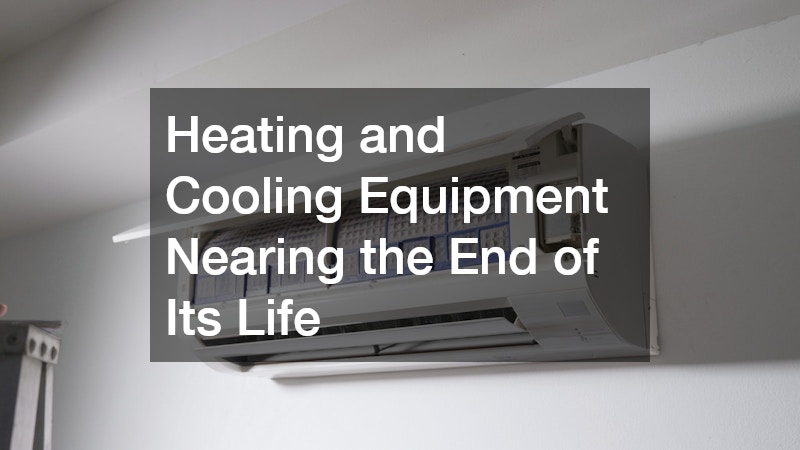
An HVAC system is one of the most expensive components to replace, yet buyers often skip a deeper inspection because the unit appears to be running fine during a showing. Age matters more than current performance, since most systems are only rated to last between twelve and eighteen years depending on maintenance history. A seller who can’t produce service records may be hiding a unit that’s on its last stretch of usable life.
Before closing, it’s worth scheduling an independent AC repair inspection rather than relying solely on the general home inspector’s assessment of the system. A certified technician can check refrigerant levels, duct integrity, and compressor health in ways a general inspector may not have time to fully evaluate.
- Find the manufacture date on the unit’s data plate
- Ask for the last three years of service and repair records
- Turn the system on during the showing, even in mild weather
- Budget for replacement if the unit is older than twelve years
Plumbing Lines and Water Pressure Throughout the House
Plumbing problems are notoriously easy to miss during a quick walkthrough, especially issues buried inside walls or under slabs. A quick turn of the faucets during a showing tells you almost nothing about the condition of the pipes feeding them. Low water pressure, slow drains, or discolored water can all point to aging pipes that may need partial or full replacement soon. Homes built before the 1980s sometimes still have galvanized steel or polybutylene piping, both of which are prone to failure. Galvanized pipes corrode from the inside out, gradually restricting flow and eventually rusting through, while polybutylene is known to become brittle and crack, sometimes without warning. Replacing either system throughout an entire house can run anywhere from $4,000 to $15,000 or more, depending on square footage and wall access. It’s also worth checking water pressure in multiple rooms and on multiple floors, not just at one convenient sink. A strong stream downstairs but a weak trickle upstairs can signal partial blockages, undersized supply lines, or a failing pressure regulator. Testing several fixtures at once, like running a shower while flushing a toilet, can also reveal whether the system struggles under simultaneous demand, a common issue in older homes never designed for modern water usage.
Bringing in a licensed plumber before finalizing a purchase can uncover issues a standard home inspection might miss, such as hidden slab leaks, improperly vented drain lines, or corroded galvanized pipes nearing the end of their lifespan. A plumber can also run a water pressure test throughout the house, checking for readings outside the ideal 40-80 PSI range that could signal a failing pressure regulator or a larger municipal supply problem. This extra step is especially valuable in older homes or properties that have had additions built onto the original structure, where plumbing lines were often extended or spliced without full permits. A camera inspection of the main sewer line, which typically costs between $250 and $500, can reveal root intrusion, bellied pipes, or cracks that wouldn’t show up until a major backup occurs. It’s also worth checking the water heater’s age and capacity, along with whether the home has copper, PEX, or outdated polybutylene piping, since replacement costs can range from a few thousand dollars for a single fixture to tens of thousands for a full repipe. Knowing these details before closing gives buyers real negotiating leverage and helps avoid an expensive surprise within the first year of ownership.
- Run every faucet and flush every toilet during a showing, ideally with multiple fixtures running at once to check for pressure drops
- Ask about the material and age of the main water line — galvanized steel pipes (common before the 1960s) corrode from the inside and often need full replacement, while copper or PEX lines can last decades longer
- Check under sinks for signs of past leaks or mold, including soft or discolored subfloor and warped cabinet bases
- Look for water stains on ceilings below bathrooms, which can signal slow leaks that sellers may not disclose
- Request a camera inspection of the sewer line if the home is older, especially if mature trees are near the yard, since roots are a leading cause of line intrusion
- Ask whether the home has a water pressure regulator, since consistently high pressure (above 80 psi) can shorten the lifespan of pipes and appliances
Roof Age and the True Extent of Storm Damage

A roof might look fine from the ground, but granule loss, flashing damage, and soft decking underneath shingles are nearly impossible to spot without a closer inspection. Buyers often assume a roof is in good shape simply because there are no active leaks, but a roof nearing the end of its lifespan can fail within a year or two of purchase. This is one of the costliest systems to replace, so getting accurate information upfront protects the entire home purchase.
It’s worth having one of the local roofing companies provide a separate estimate and inspection, since they can identify wear patterns and material issues that a general home inspector might not flag as urgent. A written estimate also gives buyers leverage to negotiate repair credits before closing.
- Ask for the age of the roof and any warranty documentation
- Look for curling, missing, or discolored shingles from the ground
- Check gutters for excessive granule buildup
- Request photos of the attic decking for signs of water intrusion
Exterior Siding Wear and Moisture Intrusion Points
Siding does more than affect curb appeal, it forms a critical barrier against moisture, pests, and temperature swings. Warped, cracked, or loose siding can allow water behind the exterior wall, leading to rot and mold that isn’t visible until the damage is extensive. Buyers should walk the entire perimeter of the home, not just the front facade, to check for consistent wear.
If siding issues are found, getting a quote from one of the established siding contractors in the area before closing can help buyers understand whether they’re looking at a simple repair or a full replacement. This information is especially useful when negotiating price reductions or repair credits with the seller.
- Look for gaps or separation at seams and corners
- Press on siding panels to check for soft or spongy spots
- Check areas near downspouts for staining or rot
- Ask when the siding was last painted, caulked, or replaced
Mature Trees and Their Impact on Structural Safety
Large trees add value and shade to a property, but they can also pose serious risks if roots have grown into foundations, sewer lines, or driveways. Overhanging branches near the roofline can cause damage during storms and create an entry point for pests. Buyers should evaluate tree health and placement just as carefully as they evaluate the condition of the house itself.
Hiring a tree service to assess large or aging trees before closing can reveal root systems that threaten underground pipes or foundations that aren’t obvious during a standard walkthrough. This is particularly important for older properties where trees have had decades to grow close to the home.
- Look for cracked pavement or lifted sidewalks near large trees
- Check for dead branches hanging over the roof
- Ask if any trees have been removed recently and why
- Watch for signs of root intrusion in sewer line inspections
Window Seals, Frames, and Energy Efficiency Gaps
Windows are another system that can look fine on the surface while hiding failed seals, drafts, or rotting frames underneath. Foggy glass between panes indicates a broken seal, which means the insulating gas has escaped and the window is no longer performing efficiently. Older single-pane windows can also drive up energy bills significantly compared to updated double-pane options.
A quick call to a company that handles window repair can clarify whether damaged units can be fixed individually or whether a full replacement across the home makes more financial sense. This information is valuable during negotiations, since window repair costs can add up quickly across a house with a dozen or more windows.
- Check for condensation or fogging between panes
- Test that every window opens, closes, and locks properly
- Feel for drafts around frames on windy days
- Ask about the age and brand of existing windows for warranty purposes
Every system covered here plays a role in the long-term cost and safety of a home, and skipping a close inspection of any one of them can lead to expensive surprises down the road. The smartest move a buyer can make is treating these evaluations as part of the negotiation process, not an afterthought after the papers are signed. Take the time to bring in specialists where needed, ask sellers direct questions, and use any findings as leverage before finalizing a purchase. A little diligence now can save thousands of dollars and a lot of stress after move-in day.