
Buying an older home often means charming architecture, mature trees, and a lower price tag than new construction down the street. But that lower purchase price can be deceiving once you factor in what it actually costs to keep an aging property safe, functional, and up to code. Many buyers underestimate the systems quietly nearing the end of their lifespan the day they get the keys. Understanding where those hidden costs come from helps you budget realistically and avoid financial surprises after closing.
Aging Roofing Materials and Structural Wear
A roof on an older home has usually absorbed decades of sun, storms, and temperature swings, even if it looks fine from the curb. Asphalt shingles typically last 20 to 25 years, wood shakes around 25 to 30, and even durable materials like tile or metal eventually need flashing and fastener replacement. Many older properties are already past their roofing system’s expected lifespan, or close to it, when they change hands. What appears to be a minor cosmetic issue during a walkthrough, like a few curling shingles or a small stain on the ceiling, can actually signal deteriorating decking or compromised flashing underneath.
Water intrusion often travels along rafters before it ever shows up as a visible spot, meaning the damage is usually more extensive than what’s visible from inside the attic. By the time a homeowner notices sagging or soft spots on the roofline, plywood sheathing may already need partial or full replacement. The financial exposure here is significant: a full roof replacement on an average-sized home can run anywhere from $8,000 to $20,000 depending on materials and roof complexity, while underlying structural repairs to trusses or decking add thousands more.
Buyers relying solely on a general home inspection may not get the full picture, since many inspectors only assess the roof visually from the ground or via drone rather than climbing up for a hands-on evaluation. A specialized roofing inspection before closing can reveal the true remaining lifespan of the system and help buyers budget accordingly, rather than discovering the problem after the first heavy rainstorm.
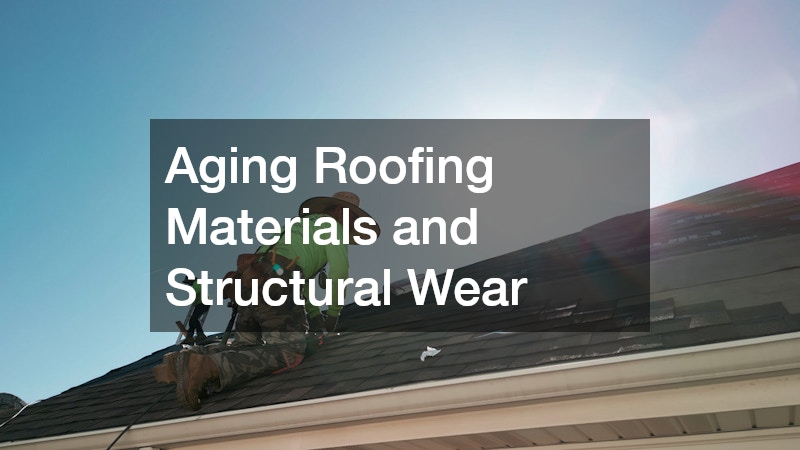
Older roofs often show their age in ways that aren’t obvious from the ground or even from a quick attic peek. Curling shingles, worn flashing around chimneys and vents, and granule loss can all signal that a roof is nearing the end of its lifespan, typically 20-25 years for asphalt shingles and 40-70 years for metal or tile. Bringing in roofers for a thorough inspection before or shortly after purchase can reveal these problems that a general home inspector might miss, since roofing specialists know exactly where leaks tend to originate and how to spot early water damage in the decking below.
Catching issues early often means the difference between a targeted repair costing a few hundred dollars and a full replacement running $8,000 to $20,000 or more, depending on the home’s size and materials. A professional roof inspection typically costs $150 to $400, a small price compared to discovering a collapsed section or extensive rot after months of hidden leaks. Many roofers also offer a written report with photos, which can be useful for negotiating repairs with the seller or budgeting for future work.
Structural wear often goes hand-in-hand with roofing problems, since prolonged leaks can weaken rafters, sheathing, and even ceiling joists over time. A roofer familiar with older construction methods can flag sagging rooflines or soft spots that hint at deeper framing issues, prompting a follow-up evaluation from a structural engineer if needed.
- Curling, cracked, or missing shingles indicate the material is past its useful life, typically 20-25 years for asphalt shingles
- Granule buildup in gutters suggests the roof is shedding protective coating, accelerating UV and water damage
- Sagging rooflines can point to structural damage beneath the surface, such as rotted decking or weakened rafters
- Multiple layers of old shingles add weight and hide underlying damage, often requiring costly tear-off before replacement
- Dark streaks or moss growth signal trapped moisture, which can lead to mold and wood rot in the attic
- Soft spots felt underfoot during inspection often mean the plywood sheathing has already deteriorated
- Flashing that’s rusted or pulled away around chimneys and vents is a common source of hidden leaks
Outdated Heating and Cooling Systems
Older homes frequently come with furnaces, boilers, or window units that were installed long before current efficiency standards existed. These systems tend to work harder and cost more to run, and replacement parts can be difficult or expensive to source once a unit is discontinued. Many homeowners don’t realize their system is on borrowed time until it fails during the first extreme weather week of the season.
Scheduling an evaluation with established HVAC companies soon after moving in gives you a realistic timeline for how long your current setup will last. This also opens the door to discussing duct sealing, thermostat upgrades, or zoning improvements that can lower monthly utility bills right away.
- Systems older than 15 years often run at significantly reduced efficiency
- Strange noises, uneven heating, or rising energy bills signal declining performance
- Older ductwork may leak conditioned air into attics or crawl spaces
- Outdated refrigerants used in older AC units are being phased out and are costly to replace
Foundation Settling and Water Drainage Problems
Decades of soil movement, freeze-thaw cycles, and changing groundwater levels can leave an older foundation with cracks, uneven floors, or basement moisture that wasn’t there when the home was first built. Many sellers patch visible cracks cosmetically without addressing what’s actually pushing water toward the foundation in the first place. A property that seemed dry during a summer showing can behave very differently during spring thaw or a heavy rainstorm.
If your basement or crawl space has ever taken on water, investing in sump pump repair or a full pump replacement is one of the most cost-effective ways to protect the home’s structure long term. A properly functioning system, paired with correct grading and downspout extensions, prevents the kind of chronic moisture that leads to mold and foundation deterioration.
- Hairline cracks that widen over time suggest ongoing settlement
- Musty basement odors often point to trapped moisture, not just poor ventilation
- Efflorescence, the white chalky residue on walls, indicates water has been moving through concrete
- A pump that runs constantly or not at all needs professional attention soon
Original Flooring That Needs Restoration
Hardwood floors are one of the most appealing features of an older home, but decades of foot traffic, sun exposure, and prior refinishing jobs can leave them looking tired or unevenly worn. In many cases the wood itself is still solid and simply needs attention rather than full replacement. This is good news for buyers, since restoring existing hardwood is almost always less expensive than installing new flooring throughout a house.
A standard sand-and-refinish job typically runs $3 to $8 per square foot, while ripping out old flooring and installing new hardwood can cost $8 to $15 per square foot or more, depending on wood species and finish. For an average 1,200-square-foot main level, that difference can mean saving several thousand dollars simply by refinishing what’s already there. Solid hardwood can usually be sanded and refinished several times over its life, so a floor that looks rough may have plenty of material left to work with. That said, not every original floor is a straightforward refinish.
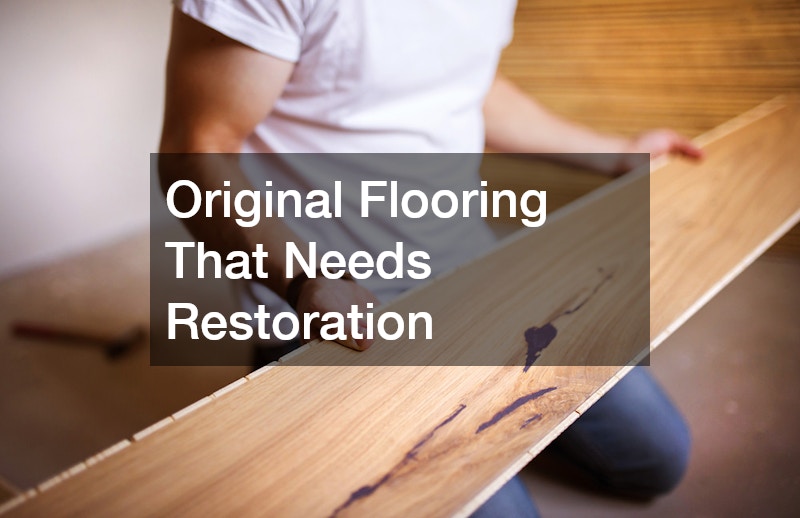
Boards with deep gouges, water damage, cupping, or widespread staining may need individual plank replacement before refinishing can even begin. Homes with squeaky subfloors or soft spots underneath the hardwood may also require structural repairs first, which adds both cost and time to the project. It’s also worth checking whether the existing floor has already been refinished multiple times, since solid hardwood can only be sanded down so many times before the boards become too thin to refinish again. A quick inspection—or a professional’s assessment—before closing can help buyers estimate realistic restoration costs and avoid surprises once the sanders come out.
Original hardwood floors often look charming on the surface, but decades of foot traffic tend to leave scratches, deep stains, and uneven coloring that a simple mop-and-polish routine can’t fix. Professional hardwood floor refinishing services can sand down these years of wear to reveal wood that looks nearly new, typically running $3 to $8 per square foot depending on the extent of the damage and the type of wood. Timing and thickness matter more than most buyers realize. Solid hardwood planks can usually handle four to six sandings over their lifetime, but older homes sometimes have floors that were already refinished multiple times by previous owners, leaving only a thin veneer of usable wood.
A quick test with a flashlight held at a low angle can reveal warping, gaps, or uneven wear that hints at how much life is left. If the floor has less than 1/8 inch of usable wood above the tongue-and-groove joint, it may only tolerate one more light sanding before refinishing becomes impossible. At that point, replacement becomes the only option, and buyers should budget accordingly rather than assuming refinishing will always be the cheaper fix.
- Gaps between boards often close up once humidity levels stabilize after move-in, though this can take a full heating and cooling season to settle
- Deep gouges or water stains usually require full sanding rather than spot repair, since matching stain color on a patch rarely blends seamlessly
- Squeaking floors may need subfloor fastening in addition to cosmetic work, adding labor costs beyond a simple refinish
- Refinishing typically costs a fraction of new hardwood installation, often $3-$8 per square foot versus $8-$15 for full replacement
- Solid hardwood can usually be sanded and refinished multiple times over its life, but engineered wood has a thin veneer that limits how often this is possible
- Budget for dust containment or dustless sanding systems, especially in occupied homes, since standard sanding spreads fine debris throughout the house
Deteriorating Exterior Siding and Trim
Exterior materials on older homes take a beating from decades of weather exposure, and it’s common to find rotting wood trim, warped siding panels, or paint that’s failed down to bare material. These issues aren’t just cosmetic, since compromised siding allows moisture to reach the framing underneath and can lead to far more expensive structural repairs. A home that looks freshly painted at first glance may still have significant damage hiding beneath the surface layer.
Bringing in a siding company for an honest assessment helps you understand whether you’re looking at patch repairs, partial replacement, or a full re-siding project. Many older homes also benefit from upgraded insulation added during a siding replacement, which can meaningfully improve comfort and energy costs.
- Soft or spongy spots in wood trim indicate rot has already set in
- Warping or buckling panels suggest moisture trapped behind the surface
- Peeling paint that returns quickly after repainting often signals an underlying moisture issue
- Higher than expected heating bills can sometimes trace back to poor exterior insulation

Overgrown Landscaping and Mature Tree Risks
Mature trees are often one of the most attractive features of an established neighborhood, but decades of unchecked growth can create real risks for an older property. Root systems can crack foundations, driveways, and underground pipes, while overhanging branches threaten roofs and power lines during storms. Previous owners may have avoided addressing these issues simply because the trees looked healthy from a distance.
Hiring a tree service to assess the health, structure, and placement of large trees on the property is a smart early step for any new owner. An arborist can identify which trees need pruning, cabling, or removal before they cause damage rather than after an expensive incident occurs.
- Roots visibly lifting pavement often extend just as far underground toward pipes
- Dead or hanging branches pose an immediate hazard during wind and storms
- Trees planted too close to the foundation can contribute to long-term structural issues
- Regular trimming extends tree health and reduces storm damage risk
Worn Garage Doors and Opener Systems
Garage doors on older homes often still function using original hardware, torsion springs, or opener systems that are decades old and no longer meet current safety standards. A door that seems to work fine can actually be operating with worn cables or a failing spring that poses a real safety risk. Replacement parts for older openers are also increasingly hard to find, making full unit replacement more practical than ongoing repair.
A garage door replacement not only improves safety and reliability but can also meaningfully boost curb appeal and home value, since it’s one of the largest visible surfaces on many homes. Newer models offer better insulation, quieter operation, and smart features that older systems simply weren’t built to include.
- Uneven closing or excessive noise usually points to spring or track problems
- Doors without modern auto-reverse safety sensors pose a hazard to children and pets
- Dented or warped panels reduce both insulation value and curb appeal
- Upgraded doors are among the higher return-on-investment improvements for resale
Aging Fencing and Property Boundary Repairs
Fences on older properties frequently show their age through leaning posts, rotting wood, or rusted hardware that no longer holds sections securely in place. Beyond appearance, a failing fence can create liability concerns if it borders a pool, a busy street, or a neighbor’s property with pets. Property lines themselves can also become unclear over decades, especially if a fence was never installed according to a surveyed boundary.
Consulting a fence contractor early on helps clarify whether existing fencing can be repaired or whether it makes more sense to replace sections entirely. This is also a good opportunity to confirm boundary lines and permit requirements before investing in new materials.
- Leaning posts often indicate rotted footings below the soil line
- Rust stains on wood fencing point to failing hardware that needs replacing
- Gaps under gates can invite pests or allow pets to escape
- Confirming property lines before repairs avoids future boundary disputes

Comparing Renovation Costs to New Construction
At some point, many owners of older properties start weighing the cost of ongoing repairs against simply starting fresh. Consulting with home builders can offer a useful perspective on what new construction costs in your area, which helps put renovation expenses into context. In some cases, extensive foundation, electrical, and plumbing issues combined can approach a significant percentage of what building new would cost.
For most owners, though, tackling repairs incrementally is still more affordable than a teardown, especially when older properties sit on desirable lots with mature landscaping already in place. Understanding both paths gives you a clearer sense of when a major renovation makes financial sense versus when it’s time to consider other options.
- Get multiple quotes before assuming repair costs have exceeded rebuilding value
- Factor in the cost of temporary housing if a renovation requires you to move out
- Older lots often have zoning or setback advantages that new construction elsewhere may not
- A phased renovation plan can spread major costs over several years
Preparing a Concrete Driveway or Foundation Repair Budget
Concrete work is one of the most overlooked costs on older properties, since cracked driveways, sinking walkways, and aging patios are easy to ignore until they become tripping hazards or drainage problems. Concrete has a long lifespan, but decades of freeze-thaw cycles and tree root intrusion take a real toll. Repairing or replacing these surfaces is also a good opportunity to correct grading issues that direct water away from the home.
When it’s time for a repour, ordering concrete ready mix from a reliable supplier ensures consistent quality and proper curing, which matters more than most homeowners realize for long-term durability. Skimping on this step, or hiring an inexperienced crew, often leads to the same cracking and settling issues within just a few years.
- Cracks wider than a quarter inch usually indicate the slab needs replacement, not patching
- Pooling water near the foundation signals a grading problem worth addressing during repairs
- Proper curing time is essential for long-term concrete strength
- Reinforcement with rebar or wire mesh extends the lifespan of new pours
Owning an older home is often deeply rewarding, but the true cost of ownership goes well beyond the number on the purchase agreement. By understanding which systems are most likely to need attention, from the roof down to the driveway, you can budget proactively instead of reacting to emergencies. Start by getting professional assessments of the biggest systems first, then work through the rest as your budget allows. A little planning now can save you from far bigger expenses, and far bigger stress, later on.