Deciding where to spend your renovation dollars before listing your home can feel overwhelming, especially when your budget is limited and your timeline is tight. Some problems are cosmetic annoyances that buyers will overlook or negotiate around, while others are structural or safety issues that can tank a sale or trigger a failed inspection. Knowing the difference between a fresh coat of paint and a failing furnace can save you thousands of dollars and weeks of stress. This guide breaks down which upgrades actually pay off and which repairs simply cannot wait.
Roofing Damage That Buyers Will Not Ignore
A roof with missing shingles, sagging spots, or visible water stains on the ceiling below is one of the fastest ways to scare off a buyer or derail financing. Mortgage lenders often require a roof in reasonably good condition before approving a loan, which means unresolved roof damage can stall your sale entirely. Getting a written estimate from local roofing companies before you list gives you leverage, either to complete the repair yourself or to negotiate a fair credit at closing. Even a roof that is not actively leaking but is nearing the end of its expected lifespan should be disclosed and priced into your listing strategy.
- Curling, cracked, or missing shingles signal to buyers that a bigger expense is coming
- Dark streaks or moss growth can indicate trapped moisture and shortened roof life
- Get at least two inspections from local roofing companies to compare cost estimates
- Attic water stains or musty smells often point to an active roof leak
Gutter and Drainage Systems Around the Foundation

Water management around your home is one of those unglamorous systems that buyers rarely think about until an inspector flags it, and by then it can feel like a red flag rather than a minor fix. Clogged or damaged gutters that dump water too close to the foundation can lead to basement seepage, soil erosion, and even structural cracks over time. Before listing, walk the perimeter of your house after a rainstorm and watch where the water actually goes. If your gutters are sagging, disconnected, or overflowing, a simple repair or cleaning is far cheaper than the water damage it prevents.
- Check for gutters pulling away from the roofline or fascia board
- Make sure downspouts extend water at least four to six feet from the foundation
- Look for pooling water or soil erosion near the base of exterior walls
- Clean gutters twice a year to prevent overflow and ice dam issues in colder climates
Plumbing Issues That Surface During Inspection
Plumbing problems are notorious for hiding in plain sight until a home inspector runs the water and watches what happens. Slow drains, low water pressure, or a water heater older than ten years can all become bargaining chips for a buyer looking to knock money off your asking price. Bringing in licensed plumbing contractors before you list allows you to catch small leaks, corroded pipes, or outdated fixtures that could otherwise turn into a much larger negotiation. Fixing these issues proactively also protects your home from hidden water damage that could worsen while the house sits on the market.
- Test every faucet and toilet for consistent water pressure and proper drainage
- Ask plumbing contractors to inspect visible pipes for corrosion or mineral buildup
- Replace worn supply lines under sinks, which are a common source of leaks
- Consider water heater age and efficiency, since buyers often ask about it directly
Heating and Cooling Systems Buyers Expect to Work

Few things end a showing faster than a buyer discovering the house is uncomfortably warm because the air conditioning does not turn on. Home inspectors routinely test heating and cooling systems, and a unit that fails to respond or blows warm air raises immediate red flags about neglected maintenance elsewhere in the house. Since a full HVAC replacement can run anywhere from $5,000 to $12,000 depending on the size of the home and type of system, buyers pay close attention to the age and condition of the equipment during a walkthrough. A well-maintained air conditioning unit with recent service records can actually become a selling point rather than a liability. Most systems last 12 to 15 years with proper care, so keeping receipts from annual tune-ups, filter changes, and any repairs gives buyers confidence they won’t be facing a costly replacement soon after moving in. If your system is older or has not been serviced recently, a simple tune-up before listing photos are taken can prevent awkward surprises during showings in warmer months. This typically includes cleaning the coils, checking refrigerant levels, and testing the thermostat, all for a fraction of what a full replacement would cost. Scheduling this service a few weeks before listing also gives you time to address any minor repairs the technician flags, rather than discovering them mid-negotiation.
- Replace air filters and clean vents and registers before professional listing photos are taken — dusty vents read as neglect
- Keep maintenance records and service receipts handy, ideally the last 2-3 years, to show buyers the system has been cared for
- Address any strange noises, weak airflow, or inconsistent temperatures right away, since these often signal cheap fixes now versus costly repairs later
- Consider a pre-listing tune-up (typically $75-$200) rather than waiting for a buyer’s inspector to find issues
- Check the age of your HVAC system — units over 10-15 years old may prompt buyers to negotiate for a credit or replacement
- Verify the thermostat works correctly and consider upgrading to a smart thermostat, a low-cost feature buyers notice immediately
- Clear debris, leaves, and overgrowth around the outdoor condenser unit to show it’s well-maintained
Flooring Choices That Influence First Impressions
Flooring is one of the first things buyers notice when they walk through the front door, and it sets the tone for how they perceive the rest of the home. Worn carpet, scratched laminate, or dated tile can make even a well-maintained house feel neglected. Refinishing existing hardwood flooring is often one of the highest return-on-investment cosmetic projects because it brightens rooms and photographs beautifully for online listings. If replacing flooring entirely is not in the budget, focus on the most visible areas first, like the entryway, living room, and kitchen.
- Refinishing scratched or dulled hardwood flooring is usually cheaper than full replacement
- Deep clean or replace carpet in bedrooms if it shows heavy wear or stains
- Match flooring transitions between rooms so the home feels cohesive
- Prioritize high-traffic areas that buyers see first during a showing
Bathroom Updates That Are Worth the Investment
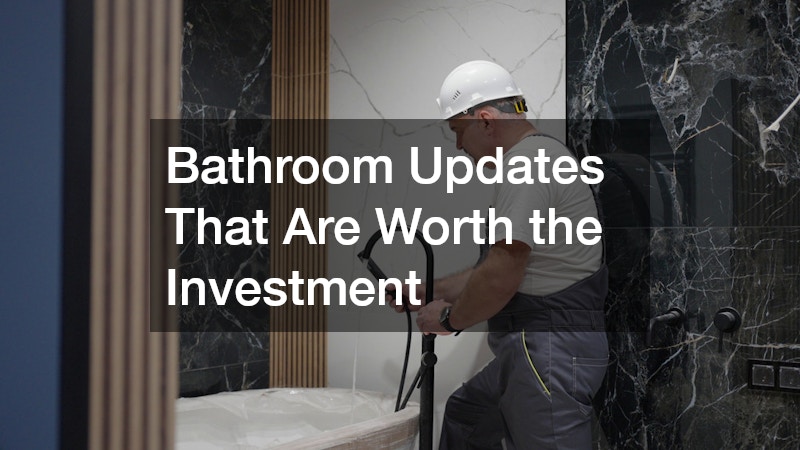
Bathrooms are second only to kitchens when it comes to influencing a buyer’s emotional reaction to a home, and outdated fixtures or failing grout can make a space feel dirty even when it is clean. You do not need a full gut renovation to make an impact; small updates like new lighting, fresh caulking, and updated hardware go a long way. For bigger issues, such as a leaking shower pan or crumbling tile, hiring experienced bathroom remodeling contractors ensures the work is done correctly and passes inspection. A mid-range bathroom refresh tends to recoup a strong percentage of its cost at resale, making it one of the smarter targeted investments before listing.
- Replace cracked caulk and grout, which are inexpensive but highly visible issues
- Update vanity hardware, lighting, and mirrors for a quick modern refresh
- Bring in bathroom remodeling contractors for structural leaks or water-damaged subfloors
- Repaint in neutral tones to appeal to the widest range of buyers
Outdoor Trees and Landscaping That Affect Safety
Curb appeal matters, but overgrown or damaged trees can create liability concerns that go beyond aesthetics. Dead branches hanging over the roof or driveway, or roots that have grown into a foundation or sewer line, are the kind of issues an inspector or appraiser will flag immediately. Hiring a tree service to remove hazardous limbs or entire dead trees before listing shows buyers that the property has been well cared for and reduces the chance of last-minute negotiation over safety concerns. Clean, healthy landscaping also photographs far better for listing marketing than a yard with visible storm damage or dying trees.
- Remove dead or leaning trees that could fall on the house, fence, or power lines
- Trim branches away from the roofline to prevent debris buildup and pest access
- Have a tree service check for root intrusion near foundations or underground pipes
- Clear fallen limbs and debris well before professional photos are scheduled
Pool Features That Require Safety and Maintenance Attention

If your property has an inground pool, buyers will want to know it has been properly maintained and meets local safety requirements, since pools can be both a major selling point and a major deterrent depending on their condition. Cracked tile, cloudy water, or a malfunctioning pump can suggest costly repairs are on the horizon, so addressing these issues before listing helps the pool read as an asset rather than a burden. Safety is just as important as aesthetics, and installing removable pool fencing can address liability concerns for families with young children without permanently altering the pool area’s look. Buyers with kids or pets often specifically ask about fencing, so having a compliant option in place can smooth negotiations.
- Have the pump, filter, and heater serviced so the inground pool functions reliably
- Repair visible cracks in tile or the pool deck before listing photos are taken
- Balance water chemistry so the pool looks inviting during showings
- Consider removable pool fencing to address safety without a permanent structure
Windows That Impact Comfort and Energy Bills
Old, drafty windows are more than a cosmetic issue since they directly affect a home’s energy efficiency, and buyers increasingly ask about window age during walkthroughs. According to the U.S. Department of Energy, inefficient windows can account for 25-30% of a home’s heating and cooling energy loss, which is exactly the kind of statistic savvy buyers bring up during negotiations. Fogging between panes, difficulty opening and closing, or visible rot in the frame are all signs that replacement may be necessary rather than optional. It helps to know the difference between what a quick fix can solve and what signals a deeper problem. Fogging between double-pane glass usually means the seal has failed and the insulating gas has escaped, which typically can’t be repaired and requires new glass or a full unit replacement. Sticking sashes or warped frames, on the other hand, sometimes respond to simple hardware adjustments or weatherstripping, saving you from a costlier swap. Comparing quotes from the best window company in your area helps you understand whether a full replacement or targeted repair makes more financial sense before you list. Get at least two or three estimates, and ask each contractor to break down material costs, labor, and expected energy savings so you can weigh the investment against your local market’s expectations. In many cases, a mid-range vinyl replacement window costs a few hundred dollars installed, while premium wood or fiberglass options run considerably higher. Even replacing a handful of the most visibly damaged windows can improve both curb appeal and a buyer’s confidence in the home’s overall condition. Prioritize windows facing the street or those in main living areas first, since these have the greatest visual and functional impact during a showing. If a full-scale replacement isn’t in the budget, even resealing, recaulking, or adding storm windows can meaningfully improve comfort and signal that the home has been well maintained.
- Look for condensation or fogging between glass panes, which signals a broken seal and lost insulating gas
- Check that all windows open, close, and lock properly, and lubricate sticky tracks before showings
- Feel for drafts around frames on a windy day, a sign of worn weatherstripping or poor installation
- Get quotes from the best window company in your area to compare cost, materials, and warranty options
- Ask about energy-efficient options like double-pane or Low-E glass, which can appeal to cost-conscious buyers
- Prioritize replacing windows in the most visible rooms, like the living room and kitchen, where damage stands out most
The smartest sellers treat repairs and cosmetic upgrades as two separate categories with two different goals: one protects the sale from falling apart, and the other helps the home sell for more. Start by getting professional assessments of your roof, plumbing, and HVAC systems, since these are the issues most likely to derail a deal at inspection. Once those essentials are handled, invest your remaining budget in the visible upgrades that make the strongest first impression. Taking this step-by-step approach will help you sell faster, negotiate from a position of strength, and avoid costly surprises along the way.