
Selling a home is part emotional decision and part logistical project, and the ninety days before you list are the window where small investments pay off the most. Buyers form an opinion within seconds of walking through the door, and that first impression is shaped by systems and surfaces homeowners often overlook until it is almost too late to fix them. A structured countdown gives you time to schedule contractors, let repairs cure or settle, and avoid the last-minute scramble that leads to rushed decisions and inflated prices.
This guide breaks the ninety days into manageable stages so you can walk into your listing appointment with confidence instead of regret.
Ninety Days Out: Assess the Bones of the House
Before you think about paint colors or staging furniture, spend the first week of your countdown walking through the house with a critical eye, ideally alongside a trusted contractor or inspector. Look at the systems buyers and their inspectors will scrutinize first, since problems here can derail negotiations far more than cosmetic issues ever will. This is also the time to request quotes, so you know which repairs are worth doing now versus disclosing and pricing into the sale.
Sloped floors, cracked slabs, or a sinking porch step are common in older homes and often stem from soil settlement rather than structural failure. Concrete raising is frequently a faster and less invasive fix than full slab replacement, and it can resolve trip hazards and drainage dips that make buyers nervous during a walkthrough. Getting this addressed early gives the material time to settle and lets you present a level, solid-looking exterior in listing photos.
- Walk the perimeter foundation for visible cracks or gaps
- Check garage and driveway slabs for uneven settling
- Note any doors or windows that stick, which can hint at shifting
- Ask contractors whether repairs are cosmetic or structural in nature
Eighty Days Out: Test Every Electrical Outlet and Panel

Electrical issues are a common source of buyer anxiety because they touch on safety, not just aesthetics. Flickering lights, warm outlets, or an outdated fuse box can raise red flags during an inspection and give buyers leverage to negotiate a lower price. Bringing in licensed residential electricians for a whole-house check now means any necessary upgrades can be completed calmly, with permits pulled if required, rather than under deadline pressure later.
A pre-listing electrical review typically covers panel capacity, GFCI outlets in wet areas, and any aluminum or knob-and-tube wiring that insurers or lenders may flag. Correcting these issues before listing not only protects your negotiating position but can also be highlighted in your listing description as a selling point. Buyers feel more comfortable making an offer when they know the electrical system has already been vetted by a professional.
- Confirm GFCI outlets exist in kitchens, bathrooms, and garages
- Check that the panel is labeled clearly and not overloaded
- Replace any exposed or frayed wiring immediately
- Keep receipts and reports to show buyers proof of the work
Seventy Days Out: Confirm Your Heating and Cooling System Is Sale Ready
An aging or poorly maintained furnace or air conditioner can quietly kill a deal, especially in regions where extreme temperatures make these systems non-negotiable for buyers. Schedule a professional inspection of your heating and air conditioning setup to confirm filters, ductwork, and thermostats are functioning properly and efficiently. If the unit is nearing the end of its expected lifespan, decide now whether replacement or a documented service history makes more financial sense before you list.
Buyers and their inspectors will ask about the age of the furnace and air conditioning unit, and a recent maintenance record can ease concerns about looming replacement costs. Even simple steps like replacing filters, sealing duct leaks, and cleaning vents can improve air quality and make the home feel fresher during showings. A well-documented service history is a small detail that can meaningfully boost buyer confidence.
- Schedule a tune-up appointment at least two months before listing
- Replace filters and clean vents throughout the house
- Keep maintenance records organized in a folder for buyers
- Consider a home warranty if the system is older but still functional
Sixty Days Out: Address Plumbing Leaks and Water Pressure Issues

Water issues are among the most common reasons a sale stalls after inspection, so this is the point in your countdown to get ahead of them. Slow drains, dripping faucets, or inconsistent water pressure may seem minor, but they suggest neglect to a cautious buyer. Scheduling plumbing repair now, rather than waiting for an inspector to flag it, allows you to fix issues on your own timeline and budget.
Beyond fixing visible leaks, ask a plumber to check under-sink connections, water heater condition, and shutoff valves, since these are common inspection sticking points. Replacing an old water heater or fixing a running toilet before listing is far cheaper than negotiating a credit after an accepted offer. Clean, functioning plumbing also supports a stronger impression during showings, since nothing turns off a buyer faster than a musty smell traced back to a hidden leak.
- Test water pressure in every bathroom and the kitchen
- Inspect under sinks for slow leaks or corrosion
- Flush and inspect the water heater for sediment buildup
- Replace worn supply lines and shutoff valves proactively
Fifty Days Out: Inspect the Roof and Gutters for Wear
Roofing issues are one of the fastest ways to lose buyer trust, since a compromised roof implies hidden water damage elsewhere in the home. Bring in roofing contractors for a full inspection, checking for missing shingles, soft spots, and flashing that has pulled away around chimneys or vents. Even if a full replacement is not needed, minor repairs and a thorough gutter cleaning can make the roofline look well cared for in listing photos.
If your roof is older, ask contractors for a written estimate of remaining lifespan so you can decide whether to replace it now or offer a credit at closing. Buyers financing through certain loan programs may be required to have a roof with a minimum number of years left, so understanding this now avoids surprises during underwriting. A clean, documented roof inspection report is a reassuring detail to have ready for serious buyers.
- Check shingles for curling, cracking, or granule loss
- Clear gutters and downspouts of debris
- Inspect flashing around chimneys, skylights, and vents
- Request a written estimate of remaining roof life
Forty Days Out: Rule Out Basement Moisture Problems
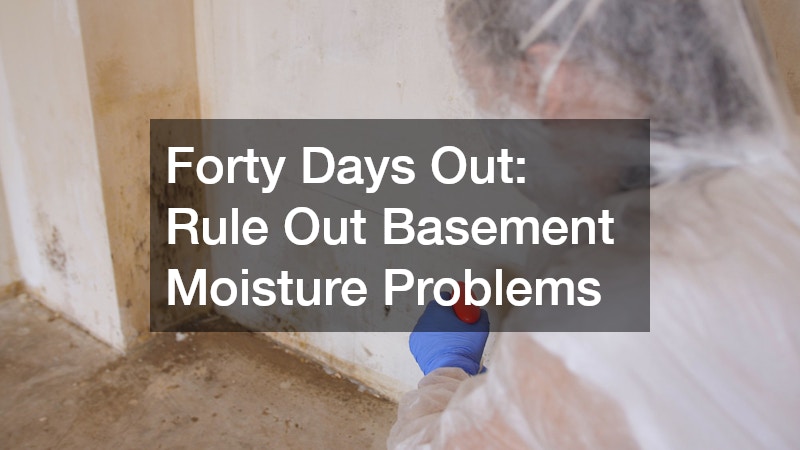
A damp basement can quietly tank a sale, especially when buyers spot musty odors, efflorescence on walls, or visible mold during a showing. Basement waterproofing addressed well before listing gives any sealants or drainage improvements time to prove themselves through at least one rain cycle. This also gives you time to correct grading or gutter issues outside that may be pushing water toward the foundation in the first place.
Even homes without an obvious leak can benefit from a dehumidifier and a fresh coat of moisture-resistant paint to present the space as usable square footage rather than a liability. Buyers often view a dry, finished basement as bonus living space, which can support a stronger asking price. Keeping any waterproofing warranties or invoices on hand shows buyers the issue was handled by a professional, not just painted over.
- Check for water stains, efflorescence, or peeling paint on basement walls
- Test that the sump pump activates and drains properly
- Confirm exterior grading slopes away from the foundation
- Save all warranty documents for interior or exterior waterproofing work
Thirty Days Out: Evaluate Garage Function and Curb Impressions
The garage is often overlooked during pre-listing prep, yet it is one of the first things buyers interact with, whether they notice it or not. Worn, noisy, or malfunctioning garage doors are an easy fix that immediately improves both curb appeal and the sense that the home has been maintained. A new opener, fresh weatherstripping, or a repainted door can be completed quickly within this window and photographs beautifully for listing photos.
Beyond the door itself, use this time to declutter and organize the garage interior, since buyers will open it during showings and open houses. A garage that appears spacious and functional adds perceived value, especially in markets where storage is a selling point. This is a low-cost, high-impact project that fits neatly into a thirty-day timeframe.
- Test the garage door opener, sensors, and manual release
- Replace worn weatherstripping to improve energy efficiency
- Repaint or clean the door face for better curb appeal
- Declutter and organize interior storage before showings begin
Twenty Days Out: Refresh the Kitchen Without a Full Remodel
A full kitchen renovation rarely makes sense this close to listing, but targeted updates can still meaningfully raise perceived value. Swapping dated laminate for quartz countertops is one of the most requested upgrades among buyers and can be completed relatively quickly compared to cabinetry or layout changes. Paired with updated hardware and a fresh coat of paint on cabinets, this single change can modernize the entire room without a lengthy renovation timeline.
If a full countertop replacement is not in the budget, focus on deep cleaning, decluttering counters, and repairing any loose cabinet doors or drawer slides. Small, tangible fixes read as care and maintenance to a buyer walking through with a critical checklist in hand. Prioritize visible, high-traffic surfaces over projects hidden inside cabinets or pantries.
- Get quotes early since countertop fabrication can take two to three weeks
- Update cabinet hardware for an inexpensive visual refresh
- Repair loose hinges, drawer slides, and cabinet doors
- Deep clean grout, backsplash, and appliance exteriors
Ten Days Out: Polish the Yard and Outdoor Living Spaces

Curb appeal is often the deciding factor in whether a buyer even wants to see the inside of a home, so the final stretch before listing should include real attention to the yard. Thoughtful landscape design does not require a full overhaul this late in the process, but trimming overgrown shrubs, refreshing mulch, and adding seasonal color near the entryway makes a noticeable difference in photos and drive-bys. Clear pathways and a tidy lawn signal that the whole property has been well maintained, not just the interior.
If your budget and timeline allow for slightly more, consider small additions like updated exterior lighting or a repainted front door to complement the landscaping work. These finishing touches are inexpensive relative to their impact on first impressions, which matter enormously in online listing photos. Since most buyers browse homes online before ever scheduling a showing, this is one of the highest-return projects in your entire countdown.
- Trim overgrown trees, shrubs, and hedges near entry points
- Refresh mulch beds and add seasonal flowers for color
- Power wash walkways, siding, and the front porch
- Repair or replace broken sprinkler heads and edging
Final Days: Organize Documentation and Consider Larger Renovations
In the last days before listing, gather every warranty, receipt, and inspection report generated throughout your ninety-day countdown into one organized file for buyers and their agents to review. This transparency builds trust and can shorten negotiation time, since buyers see a documented history rather than vague assurances. If you discovered during this process that your home needs more significant work than time allowed, it is worth having an honest conversation with your agent about pricing accordingly.
For homeowners facing a property that needs more than surface repairs, some choose to explore custom modular homes as a longer-term alternative to renovating and selling an aging structure, particularly on rural or larger lots where rebuilding may make more financial sense than extensive repairs. This is not the right path for most sellers on a ninety-day timeline, but it is worth knowing as an option if inspections reveal problems beyond reasonable repair. For the majority of sellers, though, the goal of these final days is simply organization, cleanliness, and making sure every professional visit has been documented.
- Compile all contractor invoices and warranty paperwork
- Create a simple binder or digital folder labeled by system or room
- Confirm all repairs discussed with your agent have been completed
- Discuss any remaining issues honestly so pricing reflects reality
Conclusion
Breaking the ninety days before listing into clear, sequential stages turns an overwhelming to-do list into a manageable project plan. By addressing structural, mechanical, and cosmetic issues in the right order, you give repairs time to settle and give yourself time to make thoughtful decisions rather than rushed ones. Start with a written checklist based on the timeline above, schedule your professional inspections first, and work outward toward the cosmetic finishing touches. Taking this measured approach will help your home show better, inspect cleaner, and ultimately sell with far less stress.