When it comes time to sell, refinance, or simply calculate what your property is worth, the numbers rarely lie about how well a home was maintained. Buyers and appraisers alike look past fresh paint to the bones of a property, and deferred maintenance has a way of showing up right when you need top dollar the most. Understanding which systems and surfaces most influence resale value can help you prioritize repairs before they become negotiating leverage for someone else. This guide breaks down the property components that most directly affect investment returns, and what to watch for in each.
Driveway and Walkway Surface Condition
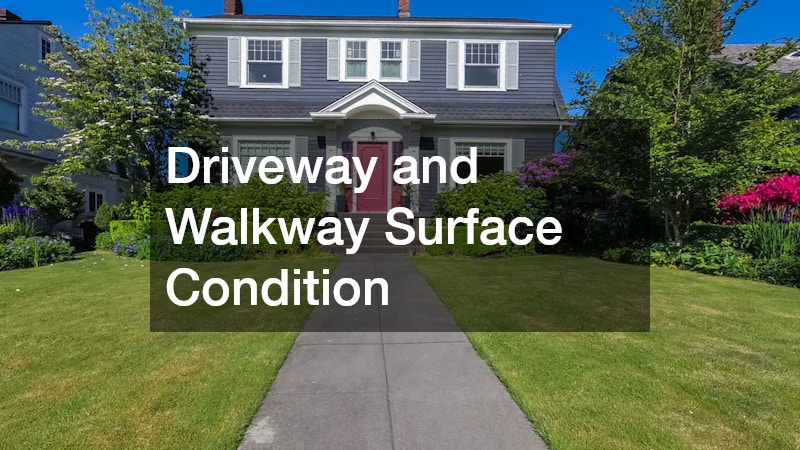
The first thing a buyer or appraiser sees is often the pavement leading up to your front door, and cracked or crumbling surfaces send an immediate signal about how well the rest of the property has been cared for. Potholes, alligator cracking, and standing water on a driveway are not just cosmetic issues; they suggest drainage problems that could be affecting the foundation nearby. Appraisers are trained to note these details, and a driveway in poor condition can shave thousands off a valuation even when the interior of the home is immaculate. Walkways deserve the same scrutiny, since uneven or heaved sections create trip hazards that raise liability concerns for landlords and homeowners alike. A single settled paver or a lifted slab near an entryway can turn into a slip-and-fall claim, and insurers increasingly ask about walkway condition during underwriting. Fixing these small defects early is far cheaper than dealing with a lawsuit or a denied claim later. A professional asphalt repair job can resurface these areas for a fraction of what full replacement costs, and it often pays for itself in improved curb appeal alone. Typical resurfacing runs $3 to $7 per square foot, compared to $8 to $15 per square foot for full tear-out and replacement, making patchwork a smart interim step when the base layer is still sound. Sealcoating every two to three years afterward extends that investment further, protecting against the freeze-thaw cycles and UV exposure that cause cracking in the first place.
Timing matters too, since minor cracks left untreated during freeze-thaw cycles tend to widen quickly and turn a simple patch job into a full repaving project. Water seeps into hairline fractures, then expands as it freezes, and a quarter-inch crack can become an inch-wide gap within a single winter in colder climates. Sealing asphalt every two to three years typically costs a few hundred dollars for an average driveway, while full replacement can run into the thousands depending on square footage and material. Concrete surfaces need less frequent sealing but should still be inspected annually for spalling, pitting, or slab separation, all of which signal deeper structural issues rather than cosmetic wear. Walkways deserve the same scrutiny, since uneven pavers or heaved sections create tripping hazards that translate directly into liability concerns for rental properties. A buyer’s inspector will flag these issues immediately, and appraisers often factor curb appeal and safety into their valuation, so what looks like a minor cosmetic flaw can quietly shave thousands off an offer. Sealing and patching every few years is far more cost effective than waiting for the surface to fail completely.
- Look for alligator-pattern cracking, which usually indicates base failure and often means resurfacing rather than a simple patch
- Note crack width and spacing: hairline cracks under 1/4 inch are typically cosmetic, but wide, interconnected cracks signal structural issues underneath
- Address standing puddles quickly, since they accelerate surface breakdown and can seep into the base layer, causing potholes within a season or two
- Check that the driveway slopes away from the house and garage at roughly 1-2% grade to keep water moving toward drains rather than pooling
- Schedule sealcoating every two to three years to extend pavement life and protect against UV damage, oil stains, and freeze-thaw cycles
- Budget $150-$400 for a typical residential driveway sealcoat job, far cheaper than the thousands a full repave can cost
- Compare patch costs against full resurfacing before committing to either, factoring in the age of the pavement and how much of the surface is affected
- If cracking or potholes cover more than 25-30% of the surface, resurfacing usually delivers better long-term value than repeated patching
- Inspect walkway pavers and concrete slabs for heaving or settling, which often points to poor soil compaction or tree root intrusion
Perimeter Fencing and Boundary Structures
Fencing does more than mark a property line; it affects privacy, safety for children and pets, and how a home reads from the street. A leaning, weathered, or partially collapsed fence tells buyers that other maintenance items have probably been neglected as well, even if that is not actually true. Hiring a qualified fence builder to repair or replace damaged sections before listing a property can meaningfully change a buyer’s first impression during a walkthrough.
Material choice also plays into long-term value, since wood requires more frequent upkeep than vinyl or aluminum but often looks more appealing to certain buyers in certain markets. Whatever the material, consistent maintenance like restaining, tightening posts, and replacing rotted boards keeps the structure functional and attractive for years longer than neglect would allow.
- Inspect posts annually for rot or leaning, especially after heavy storms
- Restain or reseal wood fencing every two to three years
- Replace broken pickets promptly to prevent further structural stress
- Confirm boundary lines before any fence replacement to avoid disputes
Garage Flooring and Interior Coatings
Garage floors take a beating from vehicle weight, oil drips, road salt, and temperature swings, and bare concrete tends to show its age quickly through staining, pitting, and cracking. A polyaspartic floor coating offers a durable, chemical-resistant finish that cures faster than traditional epoxy and holds up better against hot tires and heavy use. Buyers touring a home often notice a clean, finished garage floor as a small but memorable detail that suggests overall pride of ownership.
Beyond aesthetics, a properly coated floor protects the underlying concrete from moisture penetration, which can prevent costly cracking or spalling down the road. This kind of upgrade tends to have a strong return relative to its cost because it is inexpensive compared to most flooring projects yet highly visible to anyone walking through the space.
- Clean and degrease the floor thoroughly before any coating is applied
- Choose polyaspartic over epoxy for faster cure times and better UV resistance
- Repair cracks and pits before coating to avoid trapping moisture underneath
- Reapply protective topcoats as needed based on vehicle traffic
Structural Additions and Renovation Quality

Any addition, remodel, or structural change to a home carries long-term weight in how the property is valued, because poor workmanship eventually surfaces as uneven floors, cracked drywall, or code violations. Working with a licensed construction contractor for permitted work protects both the physical integrity of the home and its paper trail, since unpermitted additions can complicate a sale or trigger costly corrections during inspection. Buyers and their agents increasingly ask for permit history, so gaps in documentation can raise red flags even when the work itself is sound.
Quality construction also tends to age better structurally, meaning fewer surprises during a home inspection years later. Cutting corners on framing, load-bearing changes, or moisture barriers might save money upfront but often costs far more when problems surface during a future sale.
- Always confirm permits were pulled and closed for past renovations
- Request references and past project photos before hiring for structural work
- Ask about warranty coverage on labor and materials
- Keep copies of all permits and inspection reports for future buyers
Heating and Cooling System Performance
An aging or unreliable HVAC system is one of the fastest ways to scare off a buyer, since replacement costs can run into the thousands and nobody wants to inherit that expense immediately after closing. Regular servicing from a qualified air conditioning contractor keeps the system running efficiently and extends its lifespan well beyond what neglected units typically achieve. A documented service history also reassures buyers that the system has been cared for rather than run into the ground.
Energy efficiency ratings matter more to buyers now than they did a decade ago, partly because utility costs have risen and partly because more buyers factor monthly operating costs into their offers. A well-maintained, moderately efficient system with clean records can outperform a newer but poorly documented one in a buyer’s eyes.
- Schedule professional tune-ups at least once a year
- Replace air filters regularly to reduce strain on the compressor
- Keep receipts and service records to show buyers at resale
- Consider upgrading aging units before they fail completely rather than after
Yard Layout and Outdoor Living Spaces

Landscaping affects both emotional appeal and practical value, since overgrown or poorly planned yards suggest ongoing maintenance burdens that many buyers want to avoid. A thoughtful landscaping company can design plantings and hardscape elements that require reasonable upkeep while still looking impressive during showings. Simple improvements like defined garden beds, healthy lawns, and appropriately placed trees can shift a buyer’s perception of the entire property before they even step inside.
Overly ambitious landscaping can backfire too, since elaborate features that require specialized care may intimidate buyers who worry about the time or cost involved in maintaining them. The goal is a balance between visual impact and manageable upkeep, which tends to appeal to the widest range of potential buyers.
- Keep lawns mowed and edged consistently before any showing
- Trim trees and shrubs away from the roofline and siding
- Choose drought-tolerant plants in regions prone to water restrictions
- Avoid overly niche garden features that limit broad buyer appeal
Water Supply Lines and Drainage Systems
Plumbing issues are among the most feared discoveries during a home inspection, since hidden leaks, corroded pipes, or poor drainage can lead to mold, structural damage, and expensive repairs. Bringing in a reputable plumbing company for a full inspection before listing can catch small issues before they become deal-breakers during negotiations. Buyers are particularly sensitive to plumbing age in older homes, since replacing galvanized or outdated piping can be a significant expense.
Water pressure, drainage speed, and the condition of visible pipework under sinks all factor into how a home is perceived during a walkthrough. Addressing slow drains, minor leaks, or outdated fixtures ahead of time signals to buyers that the home has been actively maintained rather than patched together as problems arose.
- Check under sinks and around water heaters for early signs of leaks
- Test water pressure throughout the house before listing
- Replace aging supply lines proactively rather than reactively
- Keep documentation of any major plumbing repairs or replacements
Roof Coverings on Additions and Outbuildings
While sloped roofs get most of the attention in home inspections, flat roof sections over additions, porches, or garages are just as important and often more prone to leaks due to poor drainage. A specialized flat roofing company understands the membrane systems, flashing details, and drainage slopes that these roof types require, which differs significantly from standard shingle work. Neglecting a flat roof section can lead to water intrusion that damages ceilings, walls, and insulation long before the problem becomes visible from outside.
Because flat roofs pool water more easily than pitched ones, regular inspections are especially important in regions with heavy rain or snow accumulation. Catching membrane wear or seam separation early is far cheaper than repairing interior water damage after a leak has already spread.
- Inspect flat roof sections at least twice a year for pooling water
- Check flashing around vents and edges for gaps or deterioration
- Clear debris regularly to prevent drainage blockages
- Repair small membrane issues before they expand into full leaks
Garage Door Mechanics and Curb Appeal
A garage door is one of the largest moving parts on any home, and its condition affects both security and the overall look of the exterior. Worn springs, misaligned tracks, or outdated panel designs can make an otherwise well-kept property look neglected from the street. Routine attention from a professional garage door service keeps the mechanism operating safely and can catch small issues, like fraying cables or worn rollers, before they turn into full failures.
Beyond function, garage doors have one of the better returns among exterior updates because they are highly visible and relatively affordable to replace compared to other major systems. A clean, modern door paired with proper mechanical maintenance gives buyers confidence that the rest of the home has been similarly cared for.
- Test balance and auto-reverse safety features periodically
- Lubricate rollers, hinges, and tracks a few times a year
- Replace worn weather seals to improve energy efficiency
- Consider a style update if the current door looks dated
Kitchen and Bathroom Surface Upgrades
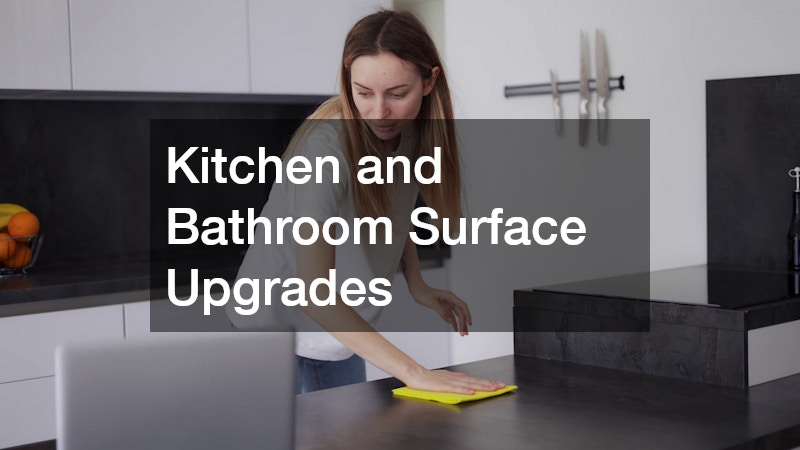
Kitchens and bathrooms consistently rank among the top rooms buyers evaluate closely, and countertop condition plays a disproportionately large role in that impression. Quartz Countertops have become a popular choice because they resist staining, scratching, and heat better than many natural stone alternatives, while still offering a wide range of colors and patterns. Replacing chipped, dated, or heavily worn countertops is one of the more reliable ways to modernize a kitchen without a full renovation.
These surface-level updates matter because kitchens and bathrooms are often what buyers mentally price into their offers, sometimes more than they price in structural systems they cannot see. A relatively modest investment in updated countertops can shift a buyer’s overall perception of a home’s condition and justify a stronger asking price.
- Choose durable, low-maintenance materials in high-traffic kitchens
- Repair or replace chipped edges and worn seams promptly
- Match countertop style to the overall kitchen aesthetic for cohesion
- Weigh material cost against expected resale impact in your market
Property condition rarely improves on its own, and every system left unaddressed becomes a bigger cost or a bigger negotiating point later. Walking through your property with fresh eyes, or asking a professional to do so, is the best way to identify which areas need attention before they affect your bottom line. Prioritizing the most visible and highest-impact repairs first tends to deliver the strongest return on time and money invested. Taking action now puts you in a far stronger position than waiting for a buyer or appraiser to point out what you already suspected.