
Embarking on a comprehensive home renovation is a journey that blends creativity, engineering, and financial strategy. For many homeowners, the process can feel overwhelming, characterized by a dizzying array of choices and the inevitable unpredictability of construction. However, the difference between a stressful “money pit” and a rewarding investment lies in the preparation. A high-quality remodel does more than just update paint colors or floor tiles; it reconfigures the environment to better serve the people living within it while simultaneously fortifying the building’s future market value. By following a structured approach—moving from high-level goal setting to technical structural repairs and finally to aesthetic finishes—you can ensure that every dollar spent contributes to a more beautiful, functional, and durable home.
Setting Clear Goals Before the Project Begins

Before a single hammer swings, the most important work happens at the dining room table with a notepad and a vision. Homeowners often dive into renovations based on a vague desire for “something new,” but without specific objectives, costs can quickly spiral out of control. Are you remodeling to accommodate a growing family, to create a dedicated home office, or to maximize your home’s equity for a sale in two years? Each of these goals requires a vastly different strategy and budget allocation. Clear goals act as a North Star, helping you decide where to splurge on premium materials and where to opt for more cost-effective alternatives.
Partnering with professional home remodeling companies early in this stage can provide a much-needed dose of reality. These experts can review your “wish list” and provide rough estimates based on current material costs and labor availability. They help bridge the gap between Pinterest-inspired dreams and the practical constraints of your home’s existing architecture. By setting a firm budget and a prioritized list of “must-haves” versus “nice-to-haves,” you create a roadmap that keeps the project on track and ensures that the final result aligns with your original intent.
Building the Right Team for Your Renovation
A home is a complex ecosystem of plumbing, electrical, and structural systems. When you decide to tear into those systems, you need a team that understands how they interact. For major renovations—especially those involving structural changes or additions—the stakes are higher than a simple cosmetic refresh. You aren’t just looking for someone who can swing a hammer; you are looking for a project manager, a problem solver, and a craftsman all rolled into one.
For large-scale projects, engaging with custom home builders is often the wisest path. While they are known for building houses from the ground up, their expertise in complex structural engineering and high-end finishes makes them ideal for significant remodels. They have established relationships with reliable subcontractors and understand how to navigate the permitting process in your specific municipality. The right team provides more than just labor; they provide peace of mind, ensuring that the work is performed to code and that the structural integrity of your home is never compromised for the sake of aesthetics.
Understanding Your Home’s Current Condition Before Remodeling

One of the biggest mistakes a homeowner can make is starting a cosmetic remodel on a house that has underlying “invisible” issues. There is no point in installing $20,000 worth of hardwood flooring if there is a slow leak in the plumbing or a foundation issue that will cause those floors to buckle in six months. A quality remodel must be built on a healthy foundation.
Before finalizing your design plans, it is highly recommended to hire home inspection companies to conduct a thorough “pre-remodel” assessment. An inspector can identify issues that the average homeowner might miss, such as outdated electrical panels that can’t handle modern appliances, hidden mold behind drywall, or insufficient attic insulation. This proactive step allows you to incorporate necessary repairs into your initial budget rather than being blindsided by emergency costs halfway through the project. Understanding the “health” of your home allows you to prioritize the skeleton of the house before you worry about the skin.
Planning a Functional Layout That Supports Daily Life
The layout of a home determines the “flow” of daily life. A beautiful room that is frustrating to use is a failed design. This is particularly true in high-traffic areas like the heart of the home, where multiple activities—cooking, dining, socializing, and homework—often happen simultaneously. Modern renovations focus on “zoning” these spaces to ensure that everyone can move freely without stepping on each other’s toes.
When it comes to kitchen design, functionality must lead the way. The “work triangle”—the path between the stove, sink, and refrigerator—is a classic principle for a reason, but modern designers also consider “landing zones” for groceries and dedicated prep areas. A quality remodel considers how you actually live: do you need a large island for entertaining, or a built-in pantry to hide the clutter of a large family? By focusing on ergonomics and movement, you ensure that the most-used room in the house is a joy to work in, rather than a source of daily friction.
Choosing Storage Solutions That Reduce Clutter

Clutter is the enemy of a peaceful home. No matter how much square footage you have, a lack of smart storage will make a house feel cramped and chaotic. A successful remodel integrates storage into the architecture of the room, making it look like a deliberate design choice rather than an afterthought. This is especially vital in smaller rooms where every inch of space counts.
In the bathroom, for example, the choice of bathroom cabinets can make or break the feeling of the space. Floating vanities can make a small floor plan feel larger, while deep drawers with built-in organizers prevent the “black hole” effect where toiletries are lost in the back of a dark cabinet. Beyond the bathroom, consider built-in shelving in the living room or a custom mudroom bench. By designating a specific home for every item—from towels to car keys—you reduce visual noise and create a serene environment that is much easier to maintain over the long term.
Focusing on Key Upgrades That Improve Everyday Comfort
While big-picture changes like moving walls get the most attention, the “touchpoints” of a home—the things you interact with every single day—often have the biggest impact on your quality of life. High-end fixtures, smooth-gliding drawers, and heavy-duty doors provide a tactile sense of quality that makes a house feel like a luxury home. These upgrades represent the “jewelry” of the house, adding that final layer of polish.
In a master suite, installing a custom shower door can transform a standard bathroom into a high-end spa. Moving away from flimsy curtains or standard frames to thick, frameless glass creates a sense of openness and luxury. These types of upgrades are not just about looks; they are easier to clean and last much longer than their budget counterparts. When you focus your budget on these high-impact areas, you improve your daily experience of the home, providing a sense of comfort that pays dividends in mental well-being every time you start your day.
Scheduling Structural Repairs Before Cosmetic Work
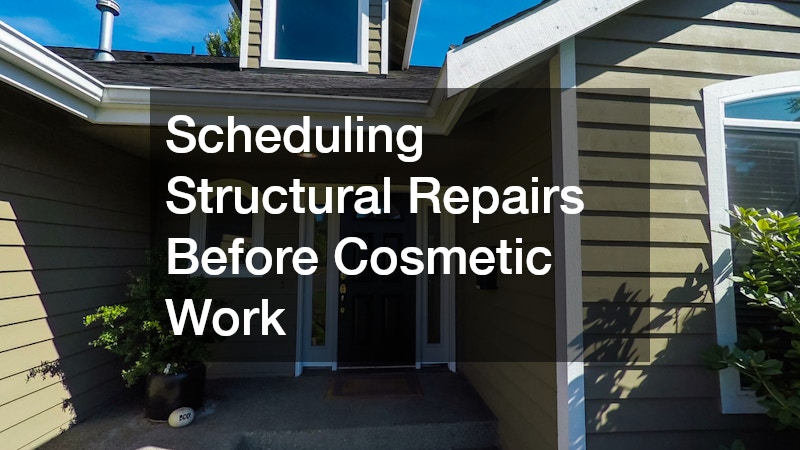
The “glamour” of home remodeling is found in the finishes—the tile, the paint, and the lighting. However, the most critical part of a remodel is the work that no one will ever see. If your home has a compromised roof or a leaky chimney, the moisture intrusion will eventually destroy your new interior work. Quality remodeling follows a strict “top-down” priority list: keep the water out first, then make it pretty.
Consulting with reputable roofing companies should be one of the first steps if your home is more than 15 years old. A roof is the primary shield of your investment. If there are signs of wear, such as curling shingles or soft spots in the decking, these must be addressed before you invest in interior drywall and paint. A new roof provides the security necessary to move forward with the rest of the project. It ensures that your beautiful new ceilings and walls stay dry and mold-free, protecting the financial and physical integrity of the entire renovation.
Evaluating Property Details That May Affect the Renovation
Every property has its own set of unique constraints, from lot lines and setback requirements to the locations of underground utility lines. Ignoring these details can lead to legal headaches, fines, or the forced removal of completed work. Before you finalize the footprint of an addition or a major landscape change, you must have a clear understanding of the physical and legal boundaries of your land.
Hiring a renovation surveyor is an essential step for any project that extends beyond the existing walls of the house. They provide an accurate map of your property, identifying easements and topographic changes that might affect drainage or foundation stability. This data is vital for your architect and builder to ensure that the project is physically possible and legally compliant. By doing this due diligence upfront, you avoid the “surprise” expenses that occur when a project hits a literal or metaphorical wall during the construction phase.
Improving Energy Efficiency With Strategic Updates
A modern remodel is the perfect opportunity to lower your home’s operating costs. As utility prices rise, energy efficiency has moved from a “green” luxury to a financial necessity. A truly high-quality remodel looks at the home as a thermal envelope, identifying where heat is escaping in the winter and entering in the summer. By addressing these leaks, you create a more comfortable indoor climate and significantly lower your monthly bills.
One of the most effective ways to boost efficiency is through a professional window installation. Old, single-pane windows are essentially holes in your wall where energy escapes. Modern, double-pane, Low-E glass windows provide a much higher R-value, reflecting heat and blocking UV rays that can fade your new furniture and flooring. Beyond the energy savings, new windows improve the home’s soundproofing and curb appeal. When you view your remodel through the lens of efficiency, you are making an investment that pays for itself over time through reduced energy consumption.
Upgrading Entry Points for Security and Convenience
The final layer of a quality remodel involves the security and accessibility of the home. Your entry points—doors and gates—are the first thing you see when you arrive and the last thing you touch when you leave. Upgrading these elements provides a sense of security and modernizes the home’s “smart” capabilities. In many homes, the garage is the primary entrance, making it a critical focus for both function and curb appeal.
Investing in a high-quality residential garage door provides a massive return on investment. Modern doors offer much higher insulation values, which is crucial if your garage is attached to the house or used as a workspace. Furthermore, integrated smart technology allows you to monitor and control your door from your phone, adding a layer of security and convenience for busy families. A beautiful, quiet, and well-insulated garage door serves as a functional capstone to your remodeling project, framing the front of the house and ensuring that your most frequent point of entry is as high-quality as the rest of your renovated home.
In conclusion, a successful home remodel is the result of meticulous planning and the right partnerships. By moving through the project in a logical sequence—setting clear goals, building an expert team, and addressing structural health before cosmetic beauty—you create a home that is as sturdy as it is stunning. The process of remodeling is about more than just changing a physical space; it is about enhancing the backdrop of your life. When you refuse to cut corners on structural integrity and focus on functional, efficient design, you transform your house into a personalized sanctuary that will provide comfort, security, and value for decades to come. A quality home is a collection of quality choices, and by prioritizing the right upgrades today, you are building a legacy of excellence for your future self. We hope that this guide was able to help you feel more comfortable going into your project. Be sure to reach out to local experts in your area to get started.