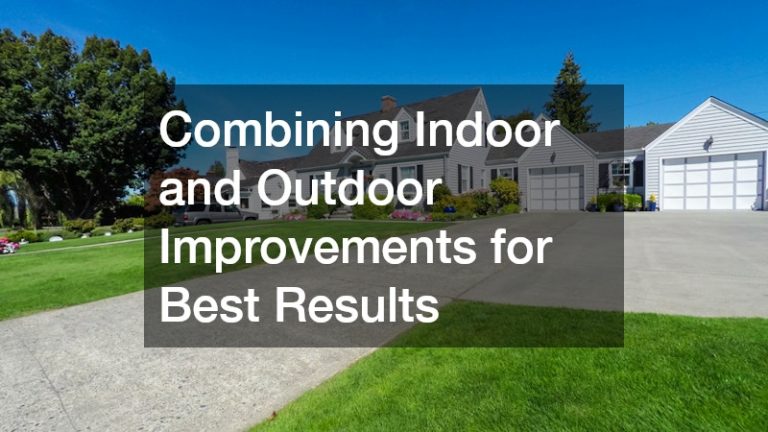
Home improvement projects often focus on either interiors or exteriors, but the best results come from treating the property as a single connected system. When upgrades are planned in isolation, homeowners can end up with mismatched designs, wasted money, or even repairs that conflict with one another later on. A coordinated approach helps ensure that comfort, durability, energy efficiency, and curb appeal all work together.
By thinking strategically about how interior and exterior projects influence each other, homeowners can avoid redundant work, reduce long-term maintenance costs, and significantly improve property value. This guide explores how to plan and sequence improvements so every upgrade supports the next.
Start with a Whole-Property Assessment and Prioritized Plan
Before starting any renovation, it’s essential to evaluate the entire property as one system rather than a collection of separate projects. Problems in one area often affect another, especially when it comes to structure, drainage, roofing, insulation, and even exterior grading. A small issue outside—like poor water runoff or a weakened roof section—can eventually show up inside as staining, mold, or uneven flooring. This is why a full-property assessment is the foundation of any successful improvement plan.
A professional inspection can help identify hidden issues that are not immediately visible to homeowners. For example, a local roofer can determine whether roof aging, loose flashing, or damaged shingles are contributing to interior leaks or insulation inefficiency. Even minor roof damage can go unnoticed for months while quietly causing long-term interior deterioration, including drywall damage, wood rot, and increased energy costs.
At the same time, basement conditions should be carefully evaluated for moisture intrusion, drainage problems, or foundation movement. In many homes, basement waterproofing becomes a top priority once water stains, musty odors, or humidity issues are discovered. Addressing these early can prevent structural weakening and mold growth that spreads beyond the basement.
It is also important to assess how exterior grading and drainage direct water around the property. Poor slope or clogged drainage systems can worsen both roofing and basement issues over time, making a coordinated approach even more necessary.
Actionable steps:
- Walk the entire property and document visible issues with photos and notes
- Inspect ceilings, walls, and corners for moisture, staining, or cracks
- Check roof condition, gutters, downspouts, and attic ventilation
- Identify basement dampness, efflorescence, or foundation cracking
- Review how water flows across driveways, yards, and soil grading
- Create a phased improvement plan based on urgency and long-term impact
Prioritizing structural and water-related issues first ensures that future upgrades are protected, durable, and far less likely to require costly rework later.
Improve Energy Efficiency from the Inside Out
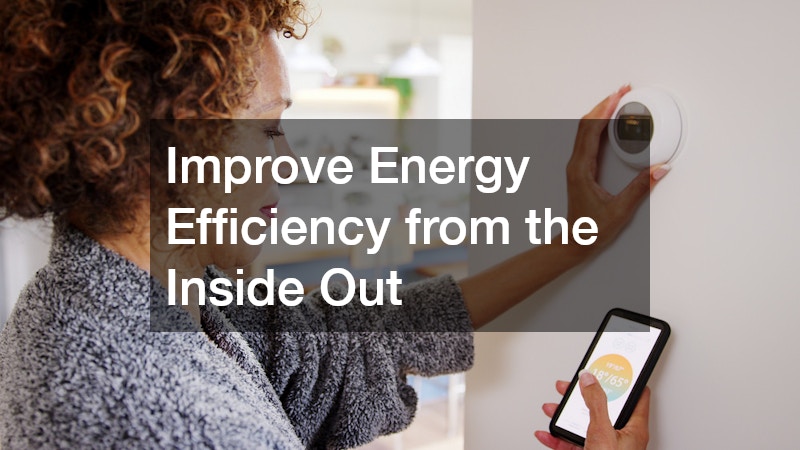
Energy efficiency is one of the most cost-effective ways to improve home comfort while reducing utility bills, but achieving real efficiency requires more than upgrading a single system. It depends on how well indoor mechanical systems and outdoor environmental conditions work together as a unified system. If either side is neglected, energy loss can still occur, even in a newly upgraded home.
An HVAC company plays a central role in optimizing heating and cooling performance. Proper system sizing ensures the equipment is neither overworking nor underperforming, while duct sealing prevents conditioned air from leaking into unused spaces like attics or crawl areas. Routine maintenance, including filter replacement and coil cleaning, can dramatically improve airflow, reduce strain on equipment, and extend system lifespan. Without these steps, even high-efficiency systems can waste energy and struggle to maintain consistent indoor temperatures.
At the same time, exterior conditions have a surprisingly strong influence on energy performance. Overgrown vegetation can block airflow to outdoor HVAC units, trapping heat and reducing system efficiency. Poorly placed shrubs or trees can also limit natural sunlight in winter or increase heat gain in summer, forcing systems to work harder.
Pest activity is another overlooked factor. Small animals or insects entering insulation or ductwork can damage materials and create air leaks that reduce thermal performance. This not only increases energy consumption but also leads to higher maintenance and repair costs over time.
Practical improvements include:
- Scheduling seasonal HVAC inspections and tune-ups
- Sealing ductwork and improving attic and wall insulation
- Installing smart thermostats for more precise temperature control
- Reducing air leaks around windows, doors, and foundation gaps
- Ensuring outdoor units have clear, unobstructed airflow space
- Trimming vegetation that blocks sunlight or restricts ventilation
When both indoor systems and outdoor conditions are optimized together, homeowners experience more stable indoor temperatures, lower energy bills, and reduced wear on mechanical systems year-round.
Enhance Curb Appeal While Supporting Interior Comfort
Curb appeal is often viewed as a purely visual upgrade, but in reality it plays a much deeper role in both home functionality and long-term performance. A well-designed exterior directly affects drainage, foundation health, safety, and even interior comfort levels. When water is managed correctly outside the home, it reduces the likelihood of moisture intrusion, mold growth, and structural damage inside. This makes exterior planning just as important as interior renovations.
Working with paving companies allows homeowners to design durable and strategically planned driveways, walkways, and entry paths that improve both appearance and usability. Proper grading is critical in these projects because even a slight slope error can cause water to pool near the foundation or flow toward entry points. In addition, selecting the right materials ensures surfaces remain stable under changing weather conditions, reducing cracks, erosion, and long-term repair needs.
Similarly, asphalt paving provides a long-lasting, cost-effective solution for driveways and high-traffic areas. Its flexibility helps it withstand seasonal temperature changes without breaking apart easily, and its smooth surface improves vehicle traction and reduces tire wear. Beyond durability, it also creates a clean, consistent look that enhances the overall exterior design of the property.
Thoughtful curb planning also improves daily living. A well-laid driveway reduces dust and debris tracked into the home, while properly designed walkways improve safety during wet or icy conditions. These small benefits add up to a more comfortable and lower-maintenance household environment.
Key benefits of coordinated curb improvements:
- Better water drainage away from the home
- Reduced wear on entry points and pathways
- Improved accessibility and safety for residents and guests
- Enhanced property value and stronger resale appeal
- Lower interior moisture risk due to improved exterior water control
When exterior pathways and surfaces are designed with both function and aesthetics in mind, they create a protective buffer around the home. This not only improves curb appeal but also helps maintain a healthier, more stable indoor environment over time.
Address Structural Integrity Before Cosmetic Upgrades
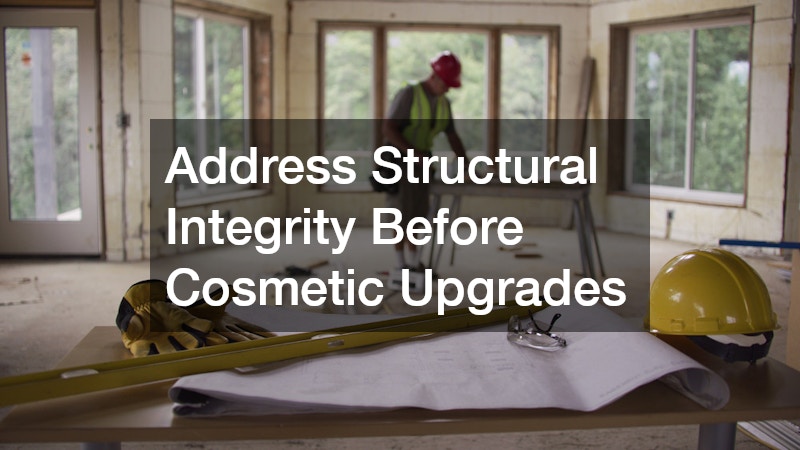
Structural issues should always be resolved before any cosmetic or decorative improvements are made because surface-level upgrades cannot compensate for underlying instability. Painting walls, installing new flooring, or updating fixtures may improve appearance temporarily, but they will not prevent long-term damage if the home’s foundation, roofline, or exterior support systems are compromised. In fact, ignoring structural problems can lead to repeated repairs that cost significantly more over time.
One often overlooked issue is the presence of unstable or overgrown trees near the home. A tree removal company can assess whether certain trees pose risks to foundations, roofs, siding, or underground utilities. Trees that appear healthy above ground may still have weakened root systems that make them vulnerable during storms, creating hazards for both the home and surrounding property. Removing hazardous trees early not only prevents immediate damage but also protects future renovations from being disrupted.
Tree roots are another major concern, as they can slowly interfere with plumbing systems, crack foundation walls, and shift soil stability over time. These issues often develop gradually and go unnoticed until interior signs appear, such as uneven floors, clogged pipes, or wall cracks. Addressing these risks early ensures that interior renovations remain stable and unaffected by hidden external pressures.
It is also important to evaluate how storm exposure might impact structural integrity. Homes in open areas or regions with seasonal weather extremes may require additional reinforcement or preventive maintenance before cosmetic work begins.
Important considerations:
- Identify trees growing too close to the home or foundation
- Check for visible or suspected root intrusion near basement or slab walls
- Remove dead, leaning, or unstable trees before renovation begins
- Evaluate wind exposure and potential storm damage risks
- Inspect surrounding soil for erosion or shifting patterns
- Ensure drainage patterns are not undermining structural stability
By stabilizing the property first, homeowners create a secure and reliable foundation for all future improvements. This approach ensures that cosmetic upgrades last longer, perform better, and do not require rework due to preventable structural failures.
Create Functional Outdoor Spaces That Support Indoor Living
Outdoor spaces should extend the usability of indoor living areas, not exist separately from them. Thoughtful design can turn yards, patios, and side areas into functional extensions of the home.
A well-executed landscape design helps define outdoor zones for relaxation, entertainment, and storage. It also improves drainage, privacy, and seasonal usability.
For additional storage or workspace needs, custom shed builders can create tailored structures that match the home’s layout and design style. These structures can serve as workshops, hobby rooms, or organized storage solutions.
Benefits of integrated outdoor planning:
- Expanded usable living space
- Improved organization and storage
- Better flow between indoor and outdoor areas
- Increased property functionality
When outdoor spaces are designed with purpose, they reduce clutter inside the home and improve overall livability.
Upgrade Entry Points for Security and Efficiency
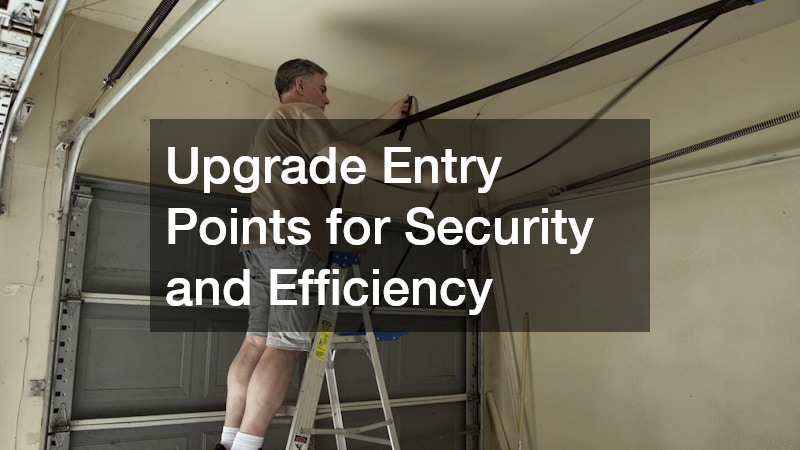
Entry points play a critical role in both home security and energy efficiency. Poorly maintained or outdated systems can lead to heat loss, pest entry, and safety concerns.
Timely garage door repair is essential for maintaining secure and efficient access to the home. A malfunctioning garage door can compromise insulation and create unnecessary strain on heating and cooling systems.
Regular maintenance ensures that mechanical systems operate smoothly and safely. It also helps prevent unexpected breakdowns that can be costly and inconvenient.
Key maintenance tips:
- Inspect door seals and insulation regularly
- Test automatic opening and closing mechanisms
- Lubricate moving parts to prevent wear
- Address unusual noises or delays immediately
Secure entry points also help maintain consistent indoor temperatures and reduce external exposure risks.
Prevent Moisture, Pests, and Environmental Damage
Moisture and pest issues are among the most damaging long-term threats to a home. They often begin unnoticed and gradually spread into structural and interior systems.
Effective pest control strategies should be implemented as part of ongoing maintenance rather than reactive treatment. Preventative measures reduce the likelihood of infestations and protect insulation, wiring, and structural materials.
Moisture control is equally important. Poor drainage, clogged gutters, and foundation cracks can allow water to enter the home, leading to mold and deterioration.
Prevention strategies:
- Seal entry points around pipes and foundations
- Maintain clean gutters and downspouts
- Monitor for early signs of pest activity
- Keep storage areas dry and well-ventilated
- Schedule regular professional inspections
By combining moisture and pest prevention efforts, homeowners can protect both interior and exterior systems from long-term damage.
Coordinate Materials and Design for a Cohesive Look

A cohesive home design ensures that interior and exterior elements feel unified rather than disconnected. This improves both aesthetic appeal and long-term value.
Material consistency is key. Flooring, siding, roofing, and outdoor surfaces should complement each other in color, texture, and durability. This creates a seamless transition between indoor and outdoor spaces.
Hardscaping elements like driveways and walkways should also align with the home’s architectural style, ensuring a consistent visual identity across the property.
Design coordination tips:
- Match exterior materials with interior finishes
- Use consistent color palettes across spaces
- Balance natural and man-made textures
- Avoid clashing design styles between zones
A unified design approach creates a more polished and intentional overall appearance.
Plan Projects in the Right Order to Save Time and Money
Sequencing home improvement projects correctly can significantly reduce costs and prevent rework. Poor planning often leads to finished work being damaged or modified by later projects.
Start with foundational and structural work before moving to interior finishes. This prevents unnecessary disruptions and protects completed upgrades.
Coordinating schedules between contractors also ensures smoother project execution and fewer delays.
Planning guidelines:
- Begin with structural repairs before cosmetic upgrades
- Schedule weather-dependent work during appropriate seasons
- Coordinate timelines between different contractors
- Avoid overlapping disruptive projects
Proper sequencing ensures that each improvement supports the next without causing conflicts.
Build a Reliable Team of Professionals for Ongoing Maintenance
Long-term home improvement success depends on having reliable professionals available for ongoing maintenance and repairs. A trusted network ensures that issues are addressed quickly and correctly.
Establishing relationships with specialists in different areas helps homeowners respond efficiently to unexpected problems. This includes routine inspections, emergency repairs, and seasonal maintenance.
Building a strong maintenance network:
- Keep a list of trusted contractors for different services
- Schedule regular inspections for major systems
- Maintain consistent communication with service providers
- Address small issues before they become major repairs
A proactive maintenance strategy protects both interior and exterior investments and extends the lifespan of all home systems.
Combining indoor and outdoor improvements is one of the most effective ways to enhance a home’s value, comfort, and durability. When projects are planned strategically and executed in the right order, each upgrade supports the next, creating a cohesive and efficient living environment.
By taking a systems-based approach rather than treating each improvement separately, homeowners can avoid unnecessary costs, reduce maintenance issues, and build a home that performs better in every season.