Maintaining a property is one of the most rewarding investments an individual or business owner can make. However, it often comes with a steep learning curve that requires dedication, knowledge, and often a good deal of patience. Whether you are managing a single-family home nestled in a quiet neighborhood, an investment property that generates steady rental income, or a bustling commercial building in the city’s heart, keeping any structure safe, energy-efficient, and visually appealing is a continuous process that demands ongoing attention. The effort is worth it: with each well-planned improvement, the property’s value increases, and the enjoyment derived from its spaces multiplies manifold.
While basic weekend DIY projects, like repainting a room or fixing a leaky faucet, can handle minor touch-ups and provide a sense of accomplishment, major property improvements demand a network of specialized, licensed professionals whose expertise goes beyond the typical homeowner’s knowledge. Attempting to tackle complex structural issues, intricate electrical systems, or moisture-related repairs without professional assistance can quickly lead to safety hazards, code violations, and skyrocketing repair costs down the line.
To protect your investment, build long-term equity, and ensure maximum comfort in your living or working environment, you need a clear roadmap of the specialized services required throughout your property’s lifecycle. This comprehensive guide aims to break down the core contractor services every property owner should understand and employ. From expertly laying heavy structural foundations that support the property reliably for decades, to executing seamless interior upgrades that enhance usability and aesthetic appeal, as well as expertly managing project logistics to avoid unnecessary delays and cost overruns, knowing when and how to hire the right professionals will save you thousands of dollars and countless headaches.
Establishing a Rock-Solid Structural Foundation
Every durable building relies on a solid, well-engineered foundation. Without stable groundwork and proper structural framing, any aesthetic updates or upper-level renovations you perform will eventually fail due to shifting, settling, or water damage. Prioritizing heavy structural integrity ensures your building withstands environmental stressors for decades to come.
Essential Steps for Pouring Durable Foundations and Hardscapes
A solid foundation starts long before concrete hits the ground. Proper site preparation requires analyzing soil composition, grading for water runoff, and calculating load-bearing dynamics. Skipping these preliminary steps often leads to major structural cracking, unlevel floors, and water intrusion.
To ensure your foundation, patio slabs, or retaining walls remain structurally sound, keep these critical steps in mind:
-
Evaluate Site Topography and Soil Stability: Before pouring any hardscape or foundation slab, ensure the soil beneath is properly excavated, backfilled, and mechanically compacted. Poorly compacted soil settles unevenly over time, causing structural instability.
-
Streamline Material Transport and Pouring: Pouring large slabs or working in tight, restricted backyards often makes traditional wheelbarrow transport inefficient and dangerous. Utilizing specialized concrete pumping services allows liquid concrete to be delivered continuously, quickly, and directly to the exact location without disturbing surrounding landscaping or damaging existing driveway structures.
-
Control Moisture During Curing: Concrete does not simply dry; it undergoes a chemical hydration process. Keep new pours adequately moist during the initial curing phase to maximize compressive strength and reduce micro-fracturing.
-
Plan for Thermal Expansion: Always install expansion joints in wide hardscape areas. These joints allow concrete sections to expand and contract with seasonal temperature changes without buckling.
Managing Large-Scale Structural Expansions
When expanding your building’s footprint—whether adding a new room, building a garage, or constructing an outdoor living space—structural framing requires precision. Over-framing or under-calculating support beams can compromise the safety of the entire property.
Partnering with a fully licensed construction service provides project oversight from initial blueprinting through final framing and code compliance. General contractors manage trade schedules, obtain necessary municipal permits, and ensure framing components align with load-bearing requirements. Having a central point of contact during structural additions minimizes costly errors, keeps subcontractors on schedule, and guarantees that your building meets local structural codes.
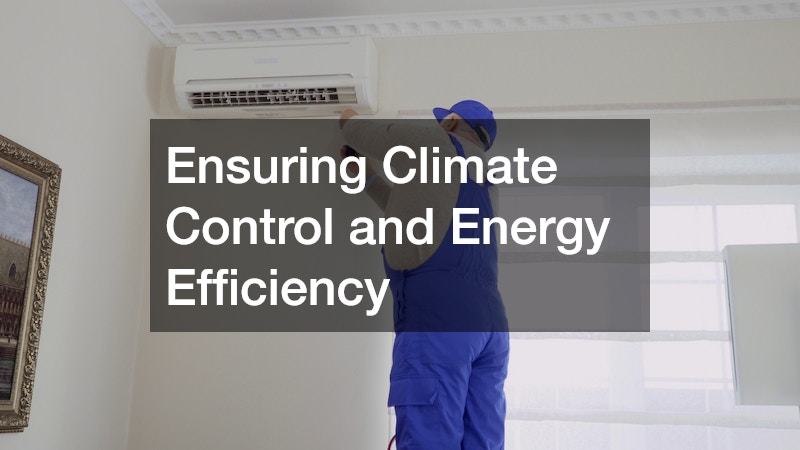
Ensuring Climate Control and Energy Efficiency
Once your property is structurally sound, your primary focus should shift toward building performance and thermal efficiency. A well-designed HVAC system paired with proper building insulation reduces monthly utility expenses, improves indoor air quality, and creates a comfortable living or working environment year-round.
Optimizing Heating and Cooling Performance
Heating and cooling systems represent one of the largest ongoing energy costs for any property owner. Installing an improperly sized unit or neglecting regular mechanical maintenance leads to premature equipment failure, inconsistent temperatures, and inflated energy bills.
To keep your indoor climate systems operating at peak performance, consider the following best practices:
-
Calculate Exact Heat Loads: Avoid purchasing HVAC units based solely on total square footage. A thorough assessment includes accounting for ceiling height, window placement, insulation levels, and local climate patterns.
-
Schedule Professional System Inspections: Hire a licensed air conditioning contractor to perform bi-annual tune-ups. A technician will check refrigerant levels, clean condenser coils, inspect electrical contacts, and clear drain lines to prevent emergency breakdowns during extreme weather.
-
Automate Temperature Controls: Upgrade to smart, programmable thermostats that adjust temperatures automatically based on occupancy schedules, significantly reducing wasteful system cycling.
-
Seal Air Distribution Ducts: Ensure supply and return air ducts are fully sealed with mastic or foil tape. Unsealed ductwork allows conditioned air to escape into unconditioned crawlspaces or attic areas, wasting energy.
Sealing the Thermal Envelope From the Top Down
Warm air naturally rises, making the top level of your property the primary culprit for winter heat loss and summer heat gain. If your upper floor struggles to stay cool in July or stay warm in January, your property likely suffers from an unsealed thermal envelope.
Hiring an experienced attic insulation company is one of the most cost-effective upgrades a property owner can make. Professional insulation contractors evaluate current R-values, identify air leaks around recessed light fixtures and chimney chases, and install modern blown-in cellulose or spray-foam insulation. Properly insulating your attic stops radiant heat transfer, protects your roof from winter ice dams, and reduces stress on your heating and cooling equipment.
Safeguarding Health and Restoring Moisture Control
Uncontrolled moisture is one of the most destructive forces a property owner will ever face. Left unchecked, excess humidity and standing water rot structural timbers, ruin subfloors, and foster toxic environmental hazards that jeopardize the health of building occupants.
Detecting and Eliminating Hidden Microbial Hazards
Microbial growth thrives in dark, humid environments with poor ventilation. Leaky plumbing lines, roof leaks, or high baseline humidity in crawlspaces create ideal conditions for mold spores to colonize porous building materials such as drywall, carpeting, and wood framing.
Protecting your indoor air quality requires a rigorous remediation strategy:
-
Conduct Regular High-Humidity Inspections: Periodically check basements, under-sink cabinets, and crawlspaces for signs of water staining, musty odors, or peeling paint.
-
Hire Certified Remediation Professionals: If toxic growth is identified, attempting to scrub or spray the area yourself often scatters active spores into your ventilation system. Bringing in a certified black mold remediation team ensures the space is isolated under negative air pressure. Remediation experts use HEPA air filtration, safely strip contaminated porous materials, and apply commercial-grade antimicrobials to eradicate the infestation.
-
Control Baseline Humidity: Install heavy-duty dehumidifiers in basements and crawlspaces to keep ambient relative humidity consistently below 50 percent.
Upgrading Specialty Housing Units
Maintaining non-traditional residential properties requires specialized knowledge of factory specifications and structural design. For instance, managing a manufactured home involves monitoring unique structural components such as chassis tie-downs, belly boards, and specialized skirting systems.
Because factory-built homes sit elevated off the ground, maintaining a tight lower vapor barrier is critical to preventing ground moisture from entering subflooring structures. Regularly inspecting skirt ventilation, repairing damaged underbelly material, and ensuring proper site drainage protects the lightweight structural trusses and keeps internal utility lines functioning smoothly for years.
Transforming Interior Living and Work Spaces
Renovating interior spaces updates outdated aesthetics while significantly enhancing functional utility and market resale value. Whether you are updating a primary residence or modernizing a commercial facility, interior renovations require careful design coordination and skilled labor.
Modernizing High-Traffic Wet Areas
Bathrooms are among the most frequently used spaces in any property, making them prime candidates for modern upgrades. However, because these areas involve extensive plumbing interfaces and constant moisture exposure, DIY mistakes can result in costly subterranean water leaks.
When planning a modern wet-area renovation, follow these key steps:
-
Focus on Waterproofing Substrates: High-end tile work is only as good as what lies beneath it. Always mandate waterproofing membrane systems behind shower tiles and around tub surrounds.
-
Hire Experienced Trade Specialists: Partnering with established bathroom remodeling companies guarantees access to tradespeople who understand plumbing codes, curbless shower drainage slopes, and custom cabinetry installations. Specialists manage sub-trades smoothly, ensuring electrical, plumbing, and tiling align perfectly.
-
Prioritize Low-Maintenance Materials: Choose non-porous quartz or solid-surface countertops, heavy-duty glass doors, and stain-resistant grouts to make routine cleaning effortless.
-
Ensure Adequate Mechanical Ventilation: Install high-CFM exhaust fans wired to humidity sensors to automatically vent moist air outdoors after showers.
Upgrading Business Environments and Mixed-Use Properties
Commercial spaces experience heavy foot traffic and rigorous daily wear. Upgrading a retail shop, office layout, or multi-family common area demands high-durability materials and strict adherence to accessibility and safety regulations.
Working alongside a reputable commercial remodeling company streamlines large-scale renovations. Commercial contractors understand how to sequence construction phases to minimize downtime for operating businesses. They handle specialized requirements such as ADA accessibility compliance, commercial-grade fire-suppression integration, impact-resistant wall surfaces, and heavy-duty flooring suited for high-volume public usage.
Managing On-Site Logistics and Property Transitions
Major property overhauls generate significant logistics challenges. Managing temporary worker infrastructure during construction, as well as coordinating physical property moves once projects wrap up, requires proactive organization and site management.
Maintaining Hygiene and Convenience During Major Builds
Large renovation projects or outdoor construction builds often require crews to spend long hours on-site. If workers lack convenient access to sanitary facilities, productivity drops, site hygiene suffers, and property interiors can be damaged by unnecessary foot traffic.
Keep your job site clean, professional, and compliant with these sanitation strategies:
-
Calculate Required Capacity: Rent facilities based on crew size and total daily hours worked. Larger build teams require multiple units or more frequent servicing cycles.
-
Secure Professional Sanitation Services: Scheduling a temporary toilet rental unit ensures your job site stays fully compliant with occupational health standards. Place units on flat, accessible ground near site entryways to allow easy weekly service pump-outs, cleaning, and restocking.
-
Provide Handwashing Stations: Rent standalone hand-sanitizing or water-based wash basins alongside restrooms to maintain high hygienic standards on active job sites.
-
Protect Nearby Property Landscapes: Establish clear temporary footpaths around equipment and facilities using plywood or rubber mats to prevent soil compaction and lawn damage.
Executing Smooth Property Relocations
Once renovations wrap up or a property sale completes, transitioning furniture, specialized equipment, and inventory into the updated space is the final major milestone. Attempting to move heavy items without professional equipment often leads to damaged walls, scratched floors, and personal injury.
To make your property transition seamless, follow this relocation strategy:
-
Inventory and Categorize Everything: Group items by room, label boxes clearly on multiple sides, and create a separate master log for high-value or fragile assets.
-
Contract a Professional Moving Company: Relying on an insured moving company saves time and protects your newly renovated property. Professional movers bring specialized equipment, such as heavy-duty dollies, padding, hoist straps, and air-ride transport vehicles, ensuring your belongings arrive safely without scuffing fresh paint or chipping new door frames.
-
Schedule Staggered Delivery Windows: Avoid unloading everything at once. Direct movers to unload heavy furniture and large appliances first before filling rooms with smaller boxes.
Using This Home Guide for Renovations
Managing a property successfully comes down to understanding when to roll up your sleeves and when to bring in qualified trade experts. Every building relies on an interconnected network of structural, mechanical, and logistical systems. From securing a firm foundation and maximizing energy efficiency to managing interior upgrades, moisture risks, and site logistics, investing in professional services protects your building’s structural integrity and boosts its long-term financial value.
Building a personal network of vetted, licensed service providers before emergencies strike is the smartest move any property owner can make. Take the time to review contractor credentials, check references, and prioritize proactive maintenance over reactive emergency fixes. With the right team of professionals in your corner, caring for your property becomes a clear, manageable, and highly rewarding journey.