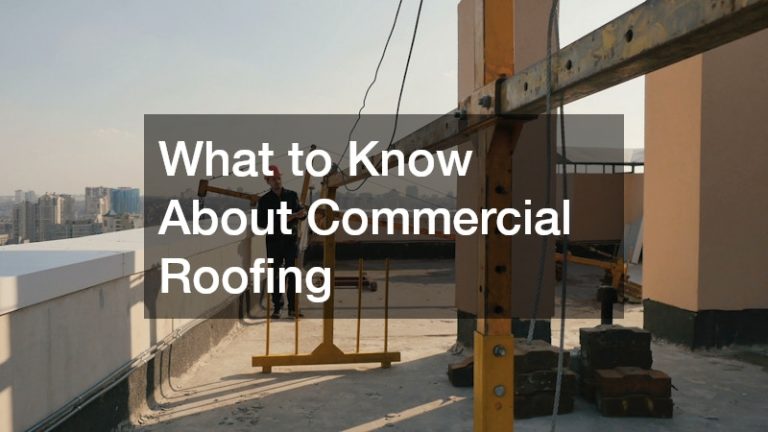
When investing in or managing a non-residential property, understanding the core components of commercial roofing is essential for protecting your long-term real estate assets. Unlike standard residential structures that typically feature steep slopes and asphalt shingles, commercial properties require specialized designs, engineering, and material selections tailored to larger surface areas.
A well-designed roof shields a building from structural damage, controls internal temperatures, and protects vital business assets from severe weather. Property owners must understand how these systems function, the specific materials available, and the maintenance routines necessary to ensure maximum longevity and optimal performance.
Key Types of Commercial Roofing Materials
Selecting the right material is one of the most critical decisions a building owner or property manager can make. Thermoplastic Polyolefin, commonly known as TPO, has gained massive popularity in modern construction due to its reflective surface and energy-efficient properties. TPO single-ply membranes help reduce cooling costs during hot summer months by reflecting ultraviolet rays away from the structure. Another widely utilized option is Ethylene Propylene Diene Monomer, or EPDM, a durable synthetic rubber material known for its strong resistance to extreme weather and physical impacts.
For properties that require heavy-duty performance, built-up roofing systems utilize multiple layers of bitumen and reinforcing fabrics topped with gravel to create a resilient barrier against heavy foot traffic and physical wear. Metal systems, including standing seam steel or aluminum panels, offer exceptional durability and can last for several decades with minimal upkeep. Modified bitumen systems provide another reliable alternative by combining traditional asphalt methods with modern polymer technology for enhanced flexibility. Evaluating factors such as regional climate conditions, structural weight limits, and overall project budget will help determine which commercial roofing application best suits your specific commercial property.
Common Signs Your Roof Needs Attention
Detecting early warning signs of wear or structural distress can save thousands of dollars in emergency repairs and prevent costly disruptions to daily business operations. One of the most obvious indicators of a problem is persistent interior water leakage or water stains appearing on ceilings and upper-floor walls. Standing or ponding water on flat roof surfaces that remains present forty-eight hours after precipitation indicates poor drainage design or clogged internal drainage paths.
You should also look for visible physical damage on the exterior membrane, such as blistering, cracking, punctures, or tearing around roof penetrations and flashing. Flashing installed around vents, skylights, and exterior walls is particularly vulnerable to sealant deterioration and thermal expansion over time. Additionally, sudden spikes in your building’s monthly heating or cooling utility bills can indicate that underlying insulation layers have absorbed moisture and lost their thermal effectiveness. Scheduling routine inspections by qualified commercial roofing specialists ensures these subtle warning signs are caught before major structural damage occurs.
Best Practices for Maintenance and Care
A proactive preventative maintenance strategy is the single most effective way to extend the operational lifespan of your overhead system. Facility managers should schedule thorough professional inspections at least twice every year, ideally during the spring and autumn months. Additional visual inspections should always follow major weather events, such as severe hail storms, heavy snowfall, or high-wind environments, to identify localized damage quickly.
Regular upkeep should always include clearing debris from gutters, scuppers, and interior drains to ensure proper water flow during heavy rainfall. Keeping the roof surface clean prevents organic matter from trapping moisture against the waterproofing membrane. It is equally important to restrict roof access exclusively to authorized maintenance personnel and technicians, as excessive foot traffic can easily puncture protective membranes or degrade protective coatings. Keeping detailed service records of all past repairs, installations, and professional assessments helps track system performance and simplifies warranty claims if issues arise.
Long-Term Value and Professional Installation
Partnering with experienced and licensed contractors is critical when planning a major repair, restoration, or full replacement project. Proper installation techniques ensure that critical seams, flashing details, and insulation barriers meet manufacturer specifications and local building safety codes. Inferior workmanship during the initial installation phase often leads to premature membrane failure, persistent leaks, and voided manufacturer warranties.
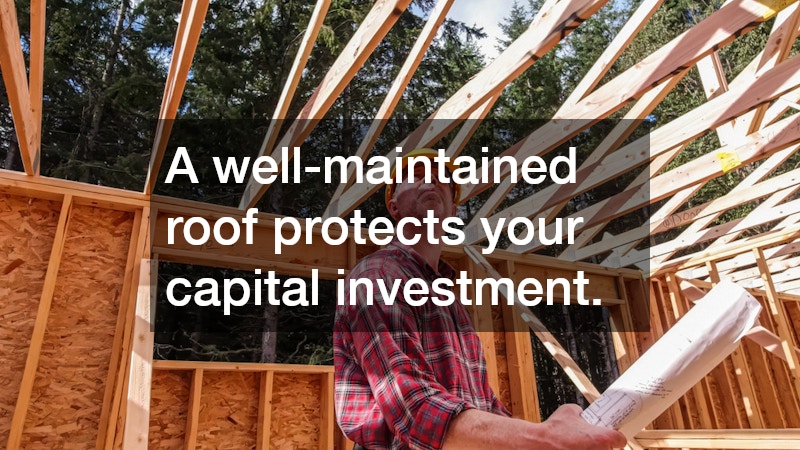
Investing in high-quality materials and professional installation for your commercial roofing needs provides long-term financial returns through improved building energy efficiency, lower lifetime maintenance costs, and increased overall property value. A well-maintained roof protects your capital investment and ensures a safe, reliable environment for employees, tenants, and business operations for decades to come.