
A home rarely falls apart all at once. Instead, small maintenance shortcuts compound quietly until one system finally gives out, often triggering a chain reaction that damages everything around it. Knowing which systems tend to fail first, and why, can help you prioritize repairs before a minor issue becomes a major expense. This guide walks through the most common breakdown points in a neglected home and what you can do to stay ahead of them.
Roof Neglect Leads to Structural Water Damage
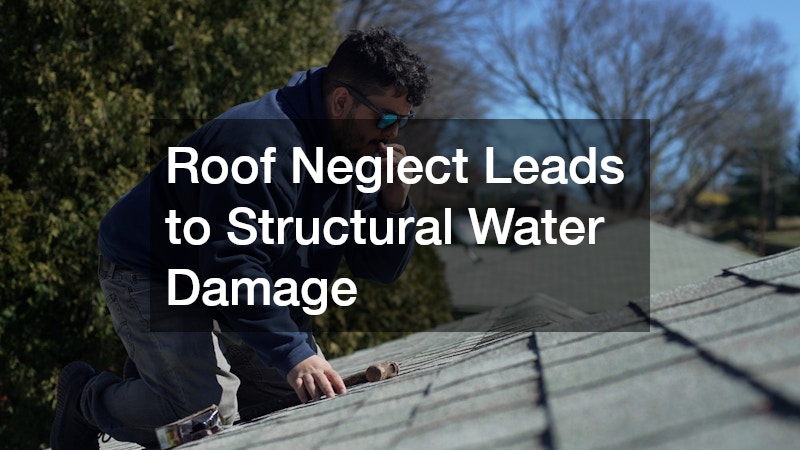
The roof is often the first major system to show signs of neglect, and it tends to fail quietly before it fails visibly. Small issues like cracked flashing, missing shingles, or worn underlayment let moisture seep into the attic long before a homeowner notices a stain on the ceiling. Most asphalt shingle roofs are built to last 20 to 25 years, but that lifespan assumes regular inspections and prompt repairs—skip those, and problems can surface a decade early. Once water finds its way in, it can rot sheathing, warp trusses, and create the perfect environment for mold growth. Wood-framed structures are especially vulnerable, since sustained moisture exposure can cause structural rot within just a few years of an undetected leak. Mold colonies, meanwhile, can begin forming in as little as 24 to 48 hours once damp conditions set in, spreading through insulation and drywall long before they’re visible from inside the living space. The financial stakes escalate quickly. A minor flashing repair might cost a few hundred dollars, but replacing rotted sheathing, trusses, or insulation after months of hidden leakage can run into the thousands. Homeowners who catch the damage late often end up paying for both roof repairs and interior remediation—drywall replacement, mold removal, and sometimes even foundation-level moisture issues if water tracks down through wall cavities over time.
Catching these problems early almost always costs less than waiting for a full failure. A minor roof repair to fix cracked flashing or a handful of missing shingles might run a few hundred dollars, while a neglected leak that rots roof decking or compromises interior framing can climb into the thousands once drywall, insulation, and structural repairs enter the picture. A professional roof repair can address isolated weak spots, such as damaged flashing around chimneys or vents, deteriorated seals around skylights, or granule loss on aging shingles, before they turn into widespread leaks. Left unchecked, even a small gap can let water travel along rafters and beams, showing up as stains or soft spots far from the original entry point. Scheduling an inspection after major storms or once a year in general is one of the simplest ways to extend the life of the entire structure. Fall and spring checkups are especially useful, since they catch damage from winter ice buildup or summer heat before it worsens. Homeowners should also watch for warning signs between inspections, including sagging rooflines, daylight visible through the attic, or musty odors that suggest hidden moisture.
- Curling, cracked, or missing shingles, especially after high winds or hailstorms
- Granules collecting in gutters or downspouts, a sign shingles are nearing the end of their 20-25 year lifespan
- Daylight visible through attic boards, indicating gaps where water and pests can enter
- Musty odors or visible mold in upper rooms, often the first clue of a slow, hidden leak
- Sagging spots on the roofline, which can signal rotting decking or weakened support beams
- Stained or discolored ceiling patches, usually appearing directly below the leak source
- Flashing that’s cracked or pulled away around chimneys, vents, and skylights
Clogged Gutters Cause Foundation and Siding Problems
Gutters are easy to forget because they work silently in the background, but when they clog with leaves and debris, water has nowhere to go except straight down the exterior walls. This overflow can saturate soil around the foundation, leading to cracks, settling, and basement leaks over time. It can also cause wood trim and siding to absorb moisture, accelerating rot and paint failure.
Proper gutter installation with correctly sized channels and downspouts positioned away from the foundation makes a significant difference in how well a home handles heavy rain. Homes with mature trees nearby often need more frequent cleaning, sometimes twice a year, to keep water flowing where it belongs. Ignoring this system doesn’t just risk the gutters themselves, it puts the entire perimeter of the house at risk.
Aging Siding Allows Moisture Into Exterior Walls
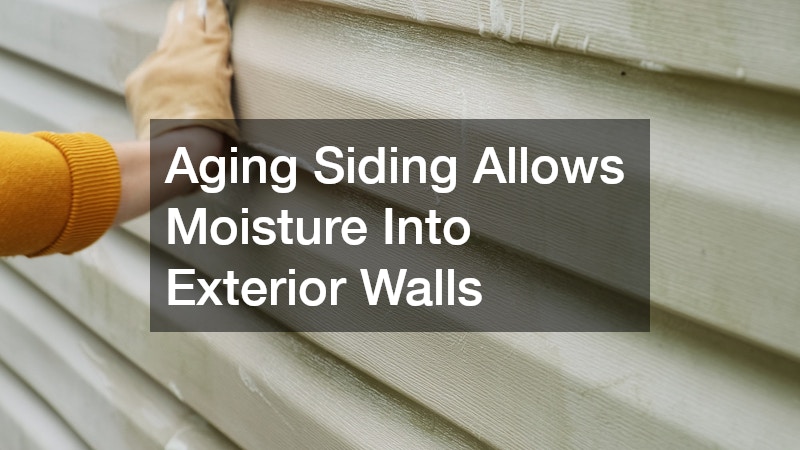
Siding acts as the home’s first line of defense against wind, rain, and temperature swings, but it degrades faster than most people expect once small gaps or cracks appear. Water that gets behind siding panels can soak into wall sheathing and insulation, reducing energy efficiency and inviting rot that spreads quietly for years. By the time discoloration or warping is visible from the outside, the damage underneath is often already extensive.
Replacing damaged sections early is far less disruptive than dealing with a full wall rebuild later. Professional siding installation ensures panels are properly sealed and overlapped to shed water correctly, which matters more than most homeowners realize. Materials like fiber cement or vinyl each have different maintenance needs, so understanding what’s on your home helps you know what warning signs to watch for.
Old Windows Lose Their Seal and Let in Drafts

Windows rely on seals and weatherstripping that break down gradually, often without any obvious signs until energy bills start climbing. Once a seal fails, condensation can form between panes, wood frames can swell or rot, and drafts make heating and cooling systems work harder than necessary. This added strain on the HVAC system is a hidden cost that many homeowners don’t connect back to their windows.
A professional window installation can solve both the comfort and efficiency problems at once, particularly in homes with original windows that are decades old. Newer options offer better insulation and reduce outside noise substantially compared to older single-pane designs. Waiting too long often means dealing with water damage to surrounding walls in addition to the window replacement itself.
Neglected Boilers Break Down When You Need Them Most
Heating systems tend to fail at the worst possible times, usually during the first serious cold snap of the season when they’re finally asked to work at full capacity. Sediment buildup, worn valves, and neglected pressure levels are common culprits that develop slowly over months of light use. A system that seems fine in October can struggle or shut down completely once temperatures drop and demand increases.
Scheduling boiler repair or a tune-up before the heating season begins helps identify small issues while they’re still inexpensive to fix. Technicians can flush sediment, check for corrosion, and test safety valves that homeowners have no way of inspecting themselves. Skipping annual service doesn’t just risk a cold house, it can shorten the lifespan of an otherwise expensive piece of equipment.
- Unusual banging or whistling noises
- Uneven heating between rooms
- Rising energy bills without increased usage
- Pilot light that frequently goes out
- Visible rust or leaks near the unit
Hidden Plumbing Leaks Cause Slow Structural Damage
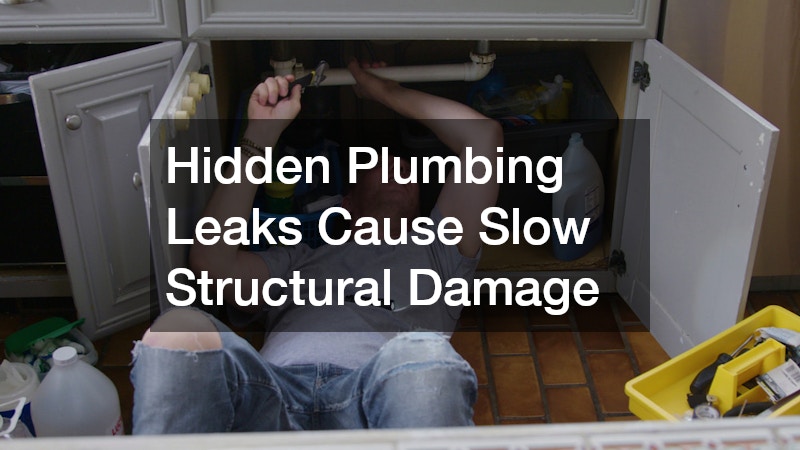
Plumbing problems are notorious for hiding behind walls and under floors, which means small leaks can go undetected for months, or even years, while quietly damaging framing and drywall. A pinhole leak in a supply line often releases less than a gallon of water a day, which sounds harmless until you realize that’s enough moisture to sustain mold growth and slowly rot wood over time. A slow drip under a sink or behind a shower wall may seem minor, but the moisture it creates is enough to warp wood, stain ceilings, and attract pests like termites and carpenter ants that are drawn to damp, softened material. Common culprits include corroded pipe joints, worn-out toilet wax rings, and slow leaks around dishwasher or washing machine connections, all of which can leak for extended periods without producing an obvious puddle. Because the water often travels along framing members before pooling somewhere else, the visible stain or soft spot may be several feet away from the actual source, making leaks harder to trace without opening up walls or flooring. By the time a leak becomes visible, whether as a bubbling patch of paint, a musty smell, or a sagging section of subfloor, the underlying damage is often more extensive than expected. What might have been a $200 repair at the source can turn into a multi-thousand-dollar project involving mold remediation, drywall replacement, and structural repairs to weakened joists or studs. Routine checks of exposed pipes, water bills that spike without explanation, and periodic moisture readings in vulnerable areas can help catch these hidden leaks before they compromise the structure.
Experienced plumbers recommend periodic checks of exposed pipes, water heater connections, and areas prone to condensation, especially in older homes with galvanized or outdated piping that can corrode from the inside out over 20 to 40 years. A basic monthly walkthrough of the basement, crawl space, and under-sink cabinets takes only a few minutes but often catches problems long before they become visible on drywall or flooring. Low water pressure, discolored water, or unexplained increases in the water bill are all signs worth investigating right away. A jump of even 20 to 30 percent on a water bill with no change in usage habits often points to a leak running behind a wall or beneath a slab. Musty odors, soft spots in flooring, or peeling paint near baseboards are equally telling, since they suggest moisture has already been working on wood and drywall for weeks or months. Addressing these issues early avoids the far costlier scenario of replacing subflooring or rebuilding a section of wall. What might cost a few hundred dollars for a plumber to diagnose and patch can turn into a multi-thousand-dollar repair once rot, mold remediation, and structural framing are involved. Catching a slow leak within its first month or two of existence is almost always the difference between a minor fix and a major renovation project.
Cracked Retaining Walls Threaten Yard Drainage
Retaining walls are easy to overlook because they blend into the landscape, but their structural role in managing soil and water runoff is significant. Cracks, bulging sections, or leaning walls usually indicate that drainage behind the wall has failed, allowing pressure to build up faster than the structure can handle. Left unaddressed, this can lead to complete collapse, which often damages nearby patios, walkways, or plantings.
Using well-installed retaining wall pavers with proper backfill and drainage piping behind them helps prevent this kind of pressure buildup in the first place. Homeowners should watch for pooling water at the base of a wall or gaps forming between the wall and adjacent soil, both early warning signs of trouble. Regular inspection after heavy rain is one of the easiest ways to catch these issues before they become expensive landscaping repairs.
Overgrown Trees Damage Roofs and Underground Pipes
Trees add value and shade to a property, but when they’re left untrimmed for years, their branches and root systems can cause surprising amounts of damage. Overhanging limbs scrape roofing material, clog gutters with leaves and debris, and can even break windows or siding during storms. Below ground, aggressive root systems seek out moisture and can infiltrate aging sewer lines or crack foundations over time.
Professional tree services can identify which trees pose a risk to the home and recommend pruning schedules or removal when necessary. Arborists can also spot disease or structural weakness in a tree’s trunk long before it becomes an obvious hazard. Regular maintenance here protects not just the tree itself but the roof, siding, and underground utilities nearby.
Outdated Kitchens Strain Plumbing and Electrical Systems
Kitchens see more daily wear than almost any other room in the house, and outdated fixtures or appliances often mask bigger problems building underneath. Old plumbing connections under the sink, worn electrical outlets near water sources, and failing ventilation can all become safety concerns if left unaddressed for too long. A kitchen that hasn’t been updated in decades is often working around outdated infrastructure rather than with it.
Bringing in a kitchen remodeler to assess the space can reveal issues that go beyond cosmetic wear, such as inadequate wiring or plumbing that no longer meets current standards. This is also a good opportunity to upgrade ventilation and water efficiency, both of which reduce strain on other home systems. Addressing these updates proactively prevents small inconveniences from turning into larger repairs down the line.
Cracked or Outdated Tile Invites Water Damage in Wet Areas
Tile in bathrooms, kitchens, and entryways does more than look good, it acts as a barrier protecting subfloors and walls from constant moisture exposure. Once grout cracks or tiles loosen, water can seep underneath and sit against wood substrates, leading to soft spots, mold, and eventually structural repairs. This is especially common in showers, where daily water exposure accelerates any existing damage.
A visit to a local tile store can help homeowners identify replacement options that are more water-resistant and easier to maintain than what may have been installed years ago. Newer tile and grout products often include sealants that resist staining and moisture penetration far better than older materials. Replacing damaged tile promptly is a straightforward way to protect the more expensive structural elements hiding beneath it.
Home systems rarely fail in isolation, one neglected component often accelerates wear on everything connected to it. The good news is that most of these problems give warning signs well before they become emergencies, giving homeowners time to act. Staying attentive to small changes, and addressing them promptly, is the most reliable way to protect your home’s value and avoid costly surprises down the road.