
Start Your Bathroom Transformation With a Smart Plan
A well-executed bathroom upgrade can dramatically improve your home’s comfort, functionality, and value. Whether you’re refreshing outdated features or completely redesigning the space, success depends on thoughtful planning and informed decision-making. From layout considerations to material selection, every choice you make plays a role in the final outcome.
Taking the time to plan ahead allows you to avoid common pitfalls that can lead to delays, budget overruns, or unsatisfactory results. It also helps you prioritize what matters most—whether that’s maximizing storage, improving lighting, or creating a more relaxing, spa-like atmosphere. By clearly defining your goals early on, you can ensure that every design decision supports your vision and enhances how the space is used on a daily basis.
It’s also important to think about how your bathroom will function over time. Consider who will be using the space, how often it will be used, and whether your needs might change in the future. Designing with flexibility in mind can help you create a space that remains practical and enjoyable for years to come.
This guide walks you through each critical phase of the process—from setting goals to selecting finishes—so you can confidently create a space that looks great and works even better for your daily routine.
Set Clear Goals and Budget Before You Start
Before beginning any bathroom remodel, it’s essential to define exactly what you want to achieve. Are you focused on improving aesthetics, increasing storage, or upgrading outdated systems? Having clear goals will help guide every decision moving forward and prevent you from getting sidetracked by trends or unnecessary upgrades. It also helps you communicate more effectively with contractors and ensures everyone is aligned on the final vision.
Start by evaluating your current space. Identify what works and what doesn’t. For example, you may love your layout but dislike the finishes, or you may need a complete overhaul to improve functionality. Pay attention to details like lighting, ventilation, and storage, as these often impact daily use more than appearance alone. Once your priorities are clear, you can allocate your budget accordingly and avoid overspending in areas that don’t add meaningful value.
A realistic budget should include materials, labor, permits, and a contingency fund for unexpected issues. It’s common for hidden problems—like outdated pipes or water damage—to arise during renovations. Allocating extra funds ensures you’re prepared and won’t have to pause the project midway. It’s also helpful to research average costs in your area so your expectations are grounded in reality.
You’ll also want to consider how much to invest in professional help. While some tasks can be DIY-friendly, areas involving plumbing services are best left to experts. Hiring professionals early can prevent costly mistakes, streamline the process, and ensure your project meets local codes and safety standards.
Evaluate Your Existing Plumbing System Early
One of the most overlooked steps in any renovation is assessing the underlying infrastructure. Before you start selecting finishes or fixtures, take a close look at your home’s plumbing system. While it may not be the most visible part of your project, it plays a critical role in how well your upgraded space will function day to day.
If your home is older, there’s a strong possibility it may require repiping. Pipes made from outdated materials can corrode over time, leading to hidden leaks, inconsistent water pressure, or even water quality issues. These problems often go unnoticed until a renovation exposes them. Addressing repiping early ensures you’re not investing in new surfaces only to have them damaged by preventable plumbing failures later.
Planning plumbing installation early in the process is equally important. Any changes to your layout—such as relocating a sink, toilet, or shower—require careful coordination and rerouting of pipes. These adjustments can influence everything from labor costs to project timelines. By mapping out plumbing installation needs in advance, you reduce the risk of delays and avoid costly rework after walls or flooring have already been completed.
Upgrading your plumbing system during a renovation also opens the door to modern improvements. You can integrate more efficient piping layouts, upgrade to better drainage solutions, and prepare your space for advanced fixtures. These enhancements not only improve overall performance but also contribute to long-term savings and reliability.
Choose the Right Professionals for the Job
Hiring the right team can make or break your renovation experience. With so many contractors available, it’s important to do your research and select professionals who are experienced, reliable, and transparent. Rushing this step can lead to delays, poor workmanship, and unexpected costs that could have been avoided with proper vetting.
When evaluating plumbing companies, look for proper licensing, insurance, and strong customer reviews. These credentials indicate that the contractor meets industry standards and is prepared to handle potential issues responsibly. Ask for references and examples of past work to ensure they have experience with projects similar to yours, especially if your renovation involves complex upgrades. A trustworthy contractor will communicate clearly, explain their process, and provide detailed estimates that break down labor, materials, and timelines. Be cautious of vague pricing or unusually low bids, as these can signal hidden costs or subpar work.
Equally important is hiring a skilled tile service. Precision is key when working with tile, as improper installation can lead to uneven surfaces, water damage, and costly repairs down the line. A professional ensures proper alignment, spacing, and sealing, which are critical for both appearance and durability. They can also guide you in selecting the right materials and patterns for your space.
Take the time to compare multiple bids and ask detailed questions about timelines, warranties, and potential challenges. Understanding each contractor’s process and pricing structure helps you make informed decisions and ensures a smoother, more predictable renovation experience.
Select Durable and Stylish Flooring Options
Flooring plays a major role in both the appearance and functionality of your bathroom. Because this space is exposed to constant moisture, it’s important to choose materials that are both durable and water-resistant.
Floor tile is one of the most popular choices due to its longevity and versatility. Options like porcelain and ceramic are especially well-suited for bathrooms because they resist water and wear. Natural stone can also create a luxurious look, though it may require more maintenance.
When selecting materials, consider slip resistance as well. Textured finishes or smaller tiles with more grout lines can improve traction, making the space safer for everyday use.
Color and pattern choices also matter. Neutral tones create a timeless look, while bold patterns can add personality. Think about how your flooring will coordinate with the rest of your design to create a cohesive appearance.
Design a Functional Shower Layout for Daily Use
The shower is often the centerpiece of a bathroom, so its design should prioritize both comfort and practicality. Start by evaluating your available space and determining the best layout for your needs.
A walk in shower door is an excellent option for accessibility and modern appeal. It eliminates barriers and creates a more open, spacious feel. This design is particularly beneficial for smaller bathrooms or households with mobility concerns.
When choosing shower doors, consider both style and functionality. Frameless designs offer a sleek, contemporary look, while framed options can be more budget-friendly. Sliding doors work well in tight spaces, whereas hinged doors provide easier access in larger layouts.
Proper placement of fixtures—such as showerheads, controls, and shelving—enhances usability. Think about how you use the space daily and design accordingly to create a comfortable, efficient experience.
Upgrade to Modern Glass Features for a Sleek Look
Incorporating glass elements into your bathroom design can instantly elevate its appearance. A glass shower door, in particular, creates a clean, open look that enhances natural light and makes the space feel larger.
Clear glass is ideal for showcasing intricate tile work, while frosted or textured options provide added privacy. Both choices can complement a wide range of design styles, from minimalist to traditional.
Maintenance is another factor to consider. Applying protective coatings can help reduce water spots and make cleaning easier. Regular upkeep ensures your glass features remain clear and attractive over time.
Safety is also important. Tempered glass is designed to be durable and shatter-resistant, making it a reliable choice for bathroom environments.
Coordinate Tile and Shower Design for a Cohesive Style

Creating a cohesive design requires careful coordination between different elements of your bathroom. Your tile choices should complement your shower features to achieve a unified look. Rather than selecting materials in isolation, think about how each surface interacts visually with the others. Consistency in tone, texture, and scale helps create a space that feels intentional rather than pieced together.
Using floor tile that matches or complements your wall tile helps establish visual continuity. For example, choosing similar color families or subtle variations of the same material can make the room feel larger and more connected. You can also incorporate accent tiles to add depth and interest without overwhelming the space. These accents work well in niches, borders, or feature walls, giving your bathroom a focal point while maintaining balance.
Working with a professional tile service ensures precise installation and proper sealing. Even the most beautiful materials can look unpolished if they are uneven or poorly aligned. Professionals understand how to handle spacing, cuts, and transitions between surfaces, which is especially important in areas where the shower meets the rest of the bathroom. Proper sealing also protects against moisture damage, helping preserve both the appearance and durability of your investment.
Grout color is another detail that can impact the overall design. Matching grout creates a seamless look, while contrasting grout highlights patterns and shapes. Thoughtful selection can elevate even simple designs, adding a layer of sophistication that ties the entire space together.
Plan Plumbing Layout for Efficiency and Future Needs
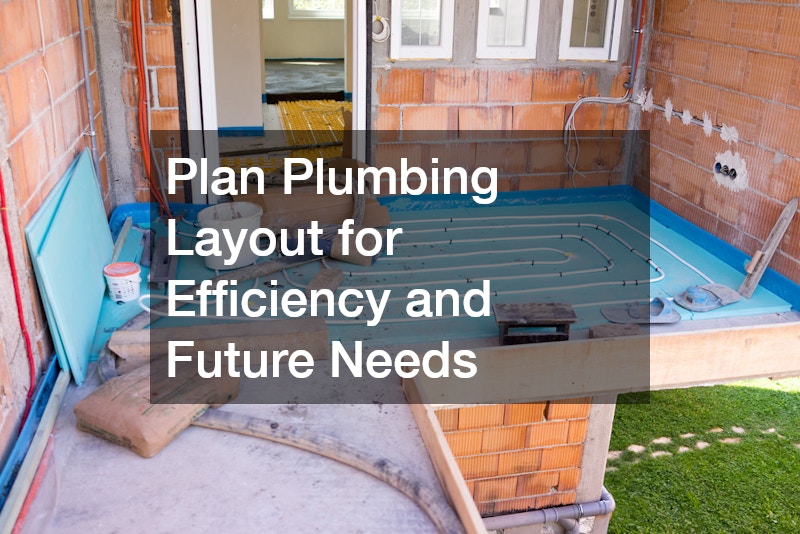
A well-designed plumbing system is essential for both functionality and long-term performance. Careful planning allows you to optimize water flow, reduce waste, and accommodate future upgrades.
When planning plumbing installation, consider how your layout affects water pressure and drainage. Grouping fixtures together can improve efficiency and reduce costs.
Modern plumbing services can also help you incorporate energy-efficient features, such as low-flow fixtures or tankless water heaters. These upgrades can lower utility bills while reducing environmental impact.
It’s also wise to think ahead. Planning for potential additions—like extra sinks or upgraded shower systems—ensures your bathroom can adapt to changing needs over time.
Avoid Common Remodeling Mistakes That Cost Time and Money

Even with careful planning, it’s easy to make mistakes during a renovation. Being aware of common pitfalls can help you avoid unnecessary stress, delays, and unexpected expenses that can quickly derail your project.
One major issue is hiring the wrong professionals. Not all plumbing companies offer the same level of expertise, so it’s important to choose carefully. Take time to research credentials, read reviews, and request detailed estimates before making a decision. Poor workmanship doesn’t just affect appearance—it can lead to leaks, inefficient water flow, and costly repairs down the line. Fixing these issues after the project is complete often requires tearing into finished surfaces, adding even more expense.
Another common mistake is underestimating the complexity of a bathroom remodel. Many homeowners assume it’s a straightforward upgrade, but even small changes can involve multiple systems, including plumbing, electrical, and structural components. Skipping permits, rushing key decisions, or opting for low-quality materials can compromise both safety and durability. These shortcuts may save money initially but often lead to higher costs in the long run.
Ventilation is another frequently overlooked element that can have serious consequences. Without proper airflow, moisture can build up quickly, leading to mold growth, mildew, and damage to walls and fixtures. Installing a quality exhaust fan and ensuring it’s properly vented can significantly extend the lifespan of your bathroom while maintaining a healthier indoor environment.
Create a Realistic Timeline and Project Plan
A successful renovation requires a well-structured timeline. Understanding each phase of the project helps you stay organized and minimize delays.
Bigger tasks, such as repiping, should be completed early in the process. Addressing structural and system upgrades first prevents disruptions later on.
Ordering materials in advance is equally important. Items like shower doors can have lead times, so planning ahead ensures everything arrives when needed.
Coordinating contractors is another key factor. Clear communication and scheduling help keep the project on track and avoid conflicts between different teams.
Bring Your Vision to Life With Confidence
Transforming your bathroom is a rewarding process that combines creativity, planning, and practical decision-making. By taking the time to evaluate your needs, choose quality materials, and work with experienced professionals, you can create a space that enhances both your daily routine and your home’s overall value.
With the right approach, your new bathroom will not only look beautiful but also function efficiently for years to come.