As utility costs continue to climb year after year, the financial burden of maintaining a comfortable living environment has become a significant source of stress for many homeowners. Beyond the monthly bills, there is the immediate, physical discomfort of living in a house that struggles to regulate itself—waking up to freezing floors in the winter, or trying to sleep in a stifling, humid bedroom during the peak of summer. True comfort is not just about cranking up the thermostat or blasting the air conditioning; it is about stabilizing the indoor environment to eliminate drastic temperature fluctuations and cold drafts entirely.
Achieving this level of stability requires looking at your house as a complete, interconnected system, often referred to in building science as the “building envelope.” The envelope consists of everything that separates the conditioned inside air from the unconditioned outside air: the roof, the walls, the windows, the doors, and the foundation. When one part of the envelope fails, the entire system is compromised, forcing your mechanical equipment to work twice as hard to compensate.
Upgrading your home for maximum energy efficiency is a holistic journey. It provides a measurable, long-term return on your financial investment while fundamentally transforming how it feels to live in your space. This comprehensive guide will break down the process into logical, highly actionable phases. By evaluating your structure from the top down, securing your entryways, managing solar heat gain, and optimizing your indoor systems, you can systematically eliminate energy waste and turn your property into a highly efficient, deeply comfortable sanctuary.

Evaluate Your Attic and Canopy for Thermal Resistance
The fight for energy efficiency begins at the very top of your house. Because heat naturally rises, a poorly insulated or poorly ventilated attic acts as a massive thermal leak in the winter, allowing the expensive heated air you just paid for to escape straight through the ceiling. Conversely, during the summer months, solar radiation beats down relentlessly on the top of your house. If your canopy does not actively resist this radiation, the temperature inside your attic can easily soar, turning the space above your ceiling into a radiant heater that actively bakes the living areas below.
To combat this, you must look at both the insulation on the attic floor and the materials covering the roof itself. Advanced materials like metal roofing are phenomenal for energy efficiency because they are highly reflective. Instead of absorbing the sun’s scorching ultraviolet and infrared rays, these surfaces bounce the solar energy back into the atmosphere. This drastically reduces the amount of heat transferred into the attic space, which in turn dramatically lowers the cooling load required to keep the rest of the house comfortable. While the upfront investment for premium materials can be significant, the energy savings over a fifty-year lifespan are substantial.
However, maximizing thermal resistance does not necessarily require the most expensive materials on the market. If you are working within a tighter budget, you can explore affordable roofing solutions that still incorporate modern energy-saving technology. Many modern architectural shingles are now manufactured with specialized cooling granules designed to reflect sunlight. Furthermore, upgrading the underlayment to include a radiant barrier—a highly reflective foil installed just beneath the decking—can block up to 97 percent of radiant heat transfer.
To ensure your top-level envelope is performing efficiently, take the following actionable steps:
-
Conduct a visual inspection of your attic insulation. If the insulation sits below or exactly level with the floor joists, you likely need to add another layer of blown-in cellulose or fiberglass batts to achieve the recommended R-value for your climate zone.
-
Check your ventilation. Ensure that your soffit vents (intake) and ridge vents (exhaust) are completely clear of debris or insulation, allowing continuous airflow to carry trapped heat and moisture out of the attic.
-
Seal air leaks in the attic floor. Use expanding foam to seal the gaps around recessed lighting fixtures, plumbing stacks, and electrical wires that penetrate the ceiling, as these are major culprits for winter heat loss.
Eliminate Drafts by Upgrading Primary Entryways
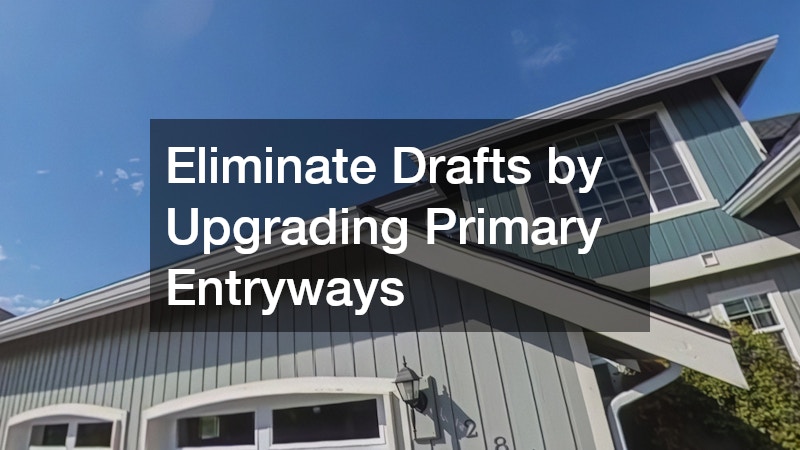
Once the top of your home is secured, you must address the largest deliberate breaks in your building envelope: the doors. Even if your walls are packed with premium insulation, a warped frame or a deteriorating weather seal around an entryway will allow a continuous stream of unconditioned air to infiltrate your living space. This phenomenon, known as air infiltration, is responsible for a massive percentage of a home’s overall energy loss.
Many older houses still feature original solid wood doors. While aesthetically pleasing, wood expands and contracts dramatically with seasonal humidity changes. Over time, this constant shifting warps the door, pulling it away from the frame and creating gaps that let winter winds howl right into your foyer. Replacing an old door with a modern, energy-efficient fiberglass or insulated steel model provides a significantly higher thermal resistance (R-value). However, the door itself is only as good as its frame. Hiring a specialized front door contractor is critical because they ensure the entire frame is perfectly plumb, square, and heavily insulated with low-expansion foam before the interior trim is even applied. They will also properly calibrate the adjustable threshold and the weatherstripping so that the door creates an airtight, suction-like seal every single time it closes.
The most overlooked entryway in the entire house is the garage. If you have an attached garage, it is essentially a massive, unconditioned cavern that shares a large interior wall with your primary living space. When the temperature inside the garage drops below freezing or spikes during a summer heatwave, that thermal energy easily transfers through the shared wall, making the adjoining rooms incredibly difficult to keep comfortable.
Investing in a high-quality, insulated garage door installation is one of the most effective ways to regulate this temperature swing. Modern insulated doors feature thick layers of polyurethane foam sandwiched between steel panels, creating a formidable thermal break. By stabilizing the temperature inside the garage, you immediately reduce the thermal transfer into your living room or kitchen, lowering your overall energy demands.
-
Perform the “candle test” on a windy day. Hold a lit candle or a stick of incense near the edges of your closed doors and windows; if the smoke wafts horizontally, you have located an active air leak that needs immediate weatherstripping.
-
Install sturdy door sweeps on the bottom of all exterior entryways to prevent cold air from slipping underneath the threshold.
-
If you cannot replace an old wooden door immediately, apply temporary, removable weather-seal tape around the interior frame during the coldest months of the year to artificially tighten the envelope.
Deploy Strategic Shade to Lower Indoor Temperatures
While sealing the envelope keeps the conditioned air inside, you must also be proactive about keeping the raw heat of the sun out. Passive solar heat gain is the process by which sunlight passes through your window glass and warms the interior surfaces of your home. During the winter, this passive heating is highly beneficial and can reduce your reliance on your furnace. During the summer, however, unshaded windows—particularly those facing south and west—act like magnifying glasses, forcing massive amounts of unwanted heat directly into your living space.
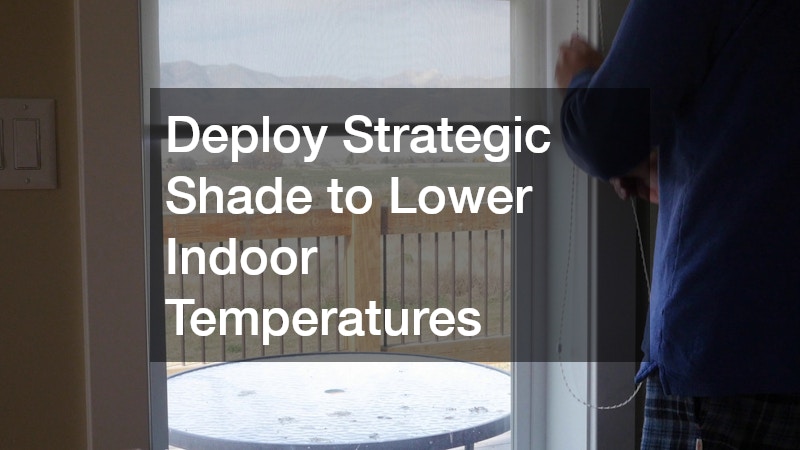
The most effective way to manage solar heat gain is to stop the sunlight before it ever touches the glass. Once the UV rays pass through the window, the heat is already inside the envelope, and your cooling systems must work to remove it. You can achieve dynamic, flexible control over your solar exposure by installing heavy-duty retractable awnings over your largest patio doors and sun-facing windows. These structures allow you to fully extend the heavy, UV-blocking canvas during the peak heat of summer afternoons, casting deep shade over the glass and the exterior walls. When the seasons change and you actively want that solar warmth to help heat the house, you simply roll the fabric back against the facade.
By actively managing the amount of heat that enters the home, you significantly reduce the mechanical strain on your cooling systems. When an air conditioner is forced to battle constant, intense solar gain, the compressor runs continuously without cycling off. This not only spikes your electricity bill but drastically shortens the lifespan of the equipment. Shading your home effectively prevents premature mechanical failure, saving you from a costly emergency call to an air conditioning contractor in the middle of a July heatwave.
To manage passive solar heat gain effectively, implement these shading strategies:
-
Apply low-emissivity (Low-E) window films to any glass that receives direct, sustained sunlight. These thin, imperceptible films reflect infrared heat back to the outside while still allowing visible light to pass through.
-
Install cellular shades or thermal blackout curtains on the interior of your windows. Honeycomb-style cellular shades trap pockets of air against the glass, creating an additional layer of insulation against both heat and cold.
-
Keep your window treatments completely closed during the hottest parts of the day, specifically from noon until the early evening, to prevent the sun from baking your carpets and furniture.

Cool Your Microclimate with Smart Hardscaping and Planting
The environment immediately surrounding your house has a profound impact on the energy efficiency of the structure itself. This localized environment is known as a microclimate. If your home is surrounded by massive expanses of dark concrete, treeless lawns, and unshaded patios, you are unknowingly creating a heat island. Dark, dense materials absorb the sun’s radiant energy all day long and then slowly release that heat back into the surrounding air throughout the evening, keeping the ambient temperature right outside your walls artificially high.
You can modify this microclimate through strategic landscaping and hardscaping choices. Driveways are typically the largest unbroken stretches of heat-absorbing material on a residential lot. If you have an older driveway made of dark asphalt paving, it can easily reach temperatures exceeding 140 degrees Fahrenheit on a sunny day, radiating intense heat toward the front of your house. Shading the driveway with a sturdy pergola or a row of large canopy trees can mitigate this effect. When it is time to replace the driveway, consider lighter-colored concrete, permeable pavers, or grid systems planted with hardy ground cover, all of which reflect heat rather than absorb it.
Plants are natural air conditioners. Through a process called evapotranspiration, plants release moisture into the air, which naturally cools the surrounding environment. Planting a mix of tall deciduous trees and dense shrubs near the home acts as a protective, cooling buffer. During the summer, the full canopy provides thick shade for the roof and walls. In the winter, the leaves drop, allowing the sun to shine through and passively warm the house. To support these plants efficiently, utilize high-quality residential landscaping material, such as thick layers of natural cedar mulch. Mulch protects the soil from direct sun exposure, drastically reduces the rate of water evaporation, and keeps the root systems cool, which in turn helps cool the air circulating near the ground.
To optimize your microclimate for energy efficiency:
-
Plant dense evergreen shrubs on the north and northwest sides of your property. These act as natural windbreaks, shielding your home’s exterior walls from biting, freezing winter winds and reducing convective heat loss.
-
Avoid placing large boulders, rock gardens, or decorative stones directly against the south or west walls of your house, as these will absorb solar heat and radiate it into the structure long after the sun goes down.
-
Use native, drought-resistant plants near the foundation. These require significantly less water to thrive, reducing the energy demands of running an irrigation system while still providing essential ground cooling.
Conserve Heated Water and Improve Overall Air Quality
The final phase of upgrading your home for maximum efficiency takes place entirely indoors, focusing on the systems that circulate water and air. Water heating is typically the second-largest energy expense in any household, accounting for nearly a fifth of total utility costs. Traditional tank water heaters keep forty to eighty gallons of water at a constant, scalding temperature 24 hours a day, regardless of whether you are actually using it. This results in continuous “standby heat loss.”
To curb this massive energy drain, you must ensure your plumbing system is as tight and insulated as your building envelope. Have a licensed residential plumber inspect your system for hidden, slow leaks. Even a faucet dripping hot water at a rate of one drop per second can waste thousands of gallons of heated water over a year. Furthermore, ensure that all exposed hot water pipes running through unconditioned spaces (like basements or crawlspaces) are wrapped in heavy foam insulation. This prevents the heat from dissipating into the cold air before the water ever reaches your showerhead. If your budget allows, consider upgrading to a high-efficiency tankless water heater, which only consumes energy to heat water on demand, entirely eliminating standby energy waste.
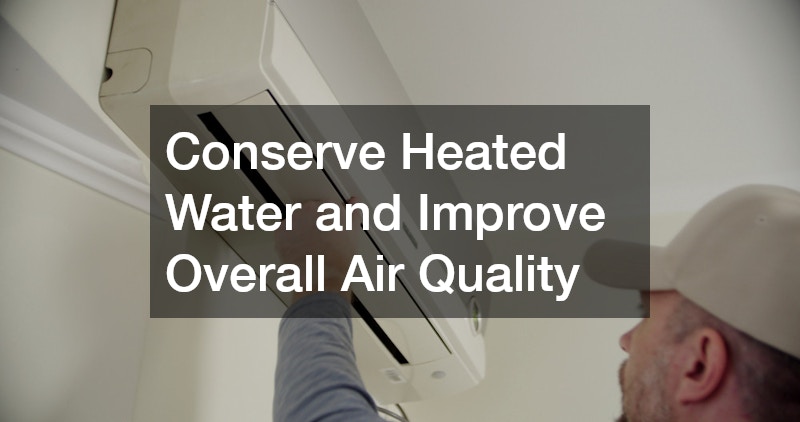
Equally important to the movement of water is the movement of air. The efficiency of your heating and cooling system is directly tied to the indoor air quality of your home. Your mechanical equipment relies on a very specific, carefully calibrated volume of airflow to function correctly. When a house is dusty, pet dander, lint, and particulate matter are constantly sucked into the return vents. This debris clogs the air filters incredibly quickly and eventually coats the intricate evaporator coils and blower motor blades. When these parts are insulated by a thick layer of dust, they cannot transfer heat effectively, forcing the system to run longer and consume far more electricity to achieve the desired temperature.
Maintaining a meticulously clean environment is not just an aesthetic choice; it is a critical component of mechanical efficiency. Utilizing a routine cleaning service ensures that the heavy dust settling on ceiling fans, baseboards, and deep within carpets is entirely removed from the environment before it can be pulled into your ductwork. By keeping the ambient air free of heavy particulates, you allow your expensive climate control systems to “breathe” easily, reducing electrical draw and extending the life of the machinery.
-
Lower the thermostat on your water heater to 120 degrees Fahrenheit. This provides plenty of heat for comfortable showers and sanitary dishwashing while significantly reducing standby energy loss.
-
Change your HVAC air filters every 30 to 60 days, especially during the peak seasons of mid-summer and mid-winter, to ensure the blower motor never struggles against restrictive airflow.
-
Vacuum the grates of your return vents and the fins of your baseboard heaters regularly to remove hair and dust blockages that impede proper circulation.
Conclusion
Transforming a house into a highly efficient, deeply comfortable home is an ongoing journey of strategic improvements. It is easy to look at a comprehensive list of upgrades and feel overwhelmed by the sheer scale of the work, but it is important to remember that you do not have to tackle every project in a single weekend. The most successful approach is a phased one, focusing first on the areas of your home that are experiencing the most severe energy loss.
Every single improvement you make—whether it is adding a thick layer of insulation above the ceiling, sealing a drafty entryway, planting a shade tree, or simply being meticulous about keeping your mechanical systems clean—works synergistically. Over time, these individual upgrades compound, resulting in a building envelope that easily repels the harsh exterior elements while gently and quietly maintaining the perfect indoor temperature.
Your home is likely the largest financial investment you will ever make, and upgrading its efficiency is one of the smartest ways to protect that investment. If you are unsure of exactly where your property is losing the most energy, consider starting your journey by scheduling a professional home energy audit. An auditor can use thermal imaging cameras and blower door tests to pinpoint the exact location of your invisible drafts and thermal leaks, providing you with a customized, data-driven roadmap. By taking proactive, informed steps today, you can secure lower utility bills, reduce your environmental footprint, and finally enjoy the absolute comfort you deserve in your own home.