If you own a rental property, the condition of that property is doing more work than you might realize. It influences what tenants you attract, how much rent you can charge, and how often you deal with costly emergencies instead of steady income. Many landlords focus on location and market rates while overlooking the physical systems that quietly determine profitability. Understanding which parts of your property matter most can help you make smarter maintenance decisions and protect your bottom line.
Electrical Systems and Tenant Safety Standards
Outdated or faulty wiring is one of the fastest ways to lose good tenants and invite liability claims. Tenants today expect reliable power for everything from home offices to kitchen appliances, and older properties often were not built with that kind of demand in mind. Bringing in licensed electrical engineers to evaluate your panel capacity, outlet grounding, and circuit load can prevent tripped breakers, flickering lights, and the kind of complaints that lead to vacancies.
A property with a documented, up-to-date electrical inspection also rents faster because it signals reliability to prospective tenants. Insurance companies frequently ask about electrical updates too, and skipping this step can affect your coverage and premiums after a claim.
- Check panel age and amperage before listing a unit for rent
- Ask for a written inspection report you can show prospective tenants
- Address flickering lights or warm outlets immediately, not eventually
- Budget for periodic rewiring in properties built before the 1980s
Heating Systems and Winter Reliability
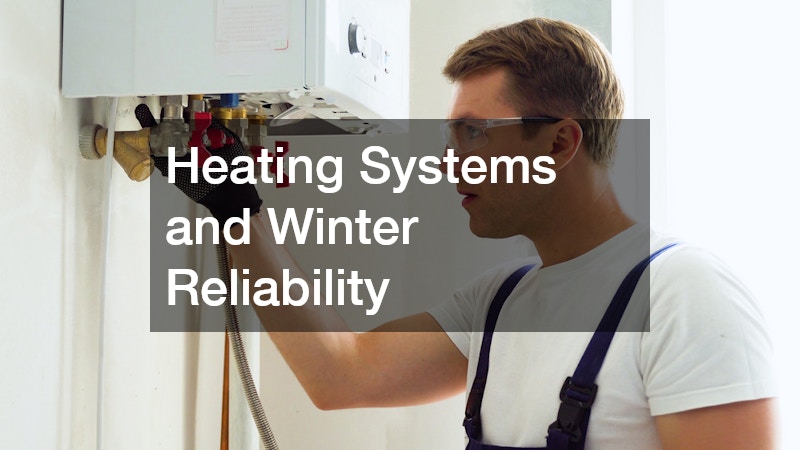
Nothing drains tenant patience faster than a cold apartment in January. A furnace that struggles through the winter often points to age, poor maintenance, or improper sizing for the space, and any of those issues can lead to emergency repair calls at the worst possible time. Scheduling professional furnace installation when a unit is beyond reasonable repair is often cheaper in the long run than patching an old system every few months.
Newer heating equipment also tends to be more energy efficient, which matters to tenants who pay their own utility bills and factor that cost into what they are willing to pay in rent. A reliable heating system is not a luxury upgrade; it is baseline infrastructure that protects both tenant comfort and your reputation as a landlord.
- Service heating systems annually before cold weather arrives
- Replace units older than 15 to 20 years rather than repeatedly repairing them
- Confirm proper sizing for the square footage of the unit
- Keep maintenance records to show tenants and future buyers
Bathroom Fixtures and Long Term Tenant Satisfaction
Bathrooms take more daily wear than almost any other room in a rental, and outdated fixtures are one of the first things prospective tenants notice during a showing. Cracked tile, old caulking, and worn vanities can make a unit feel neglected even if everything else is in good shape. Working with a bathroom remodeling service to update tubs, tile, and fixtures on a reasonable rotation keeps units competitive without requiring a full renovation every time a tenant moves out.
Small upgrades often deliver the biggest return relative to cost. Replacing a dated faucet, refreshing grout, or installing better ventilation can extend the life of a bathroom by years and reduce the moisture problems that lead to mold complaints down the line.
- Replace caulking and grout every one to two years
- Upgrade ventilation fans to reduce humidity and mold risk
- Consider a partial remodel between long-term tenants rather than waiting for a full gut renovation
- Photograph bathroom condition at move-in and move-out to document wear
Plumbing Reliability and Emergency Prevention
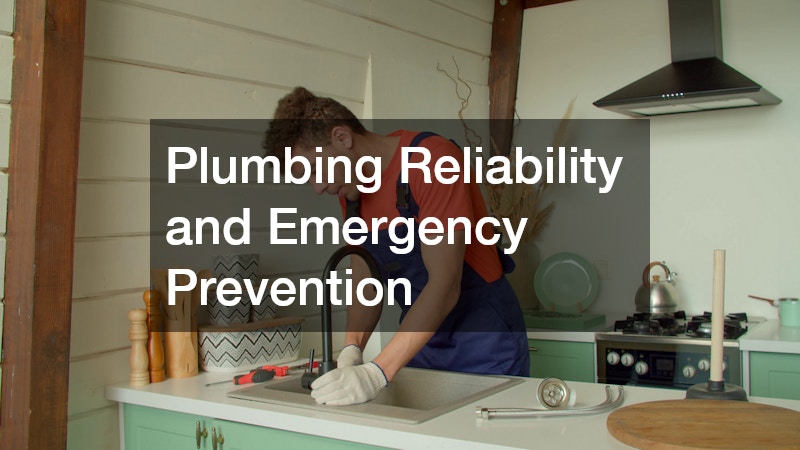
Plumbing problems rank among the most disruptive issues a rental property can face, both for tenants and for your schedule. A slow leak that goes unnoticed can turn into a burst pipe, water damage, and a tenant who is understandably frustrated and looking to break their lease. Having a trusted plumber you can call for routine inspections, not just emergencies, helps catch small issues like corroded pipes or failing water heaters before they become expensive disasters.
Regular plumbing maintenance also protects your property value over time. Water damage is one of the costliest issues to repair and one of the hardest to fully reverse once it affects flooring, drywall, or subflooring.
- Inspect water heaters annually for sediment buildup and corrosion
- Check under sinks and around toilets for slow leaks during routine visits
- Replace supply lines that show any sign of wear
- Know your property’s shutoff valve locations in case of emergency
Roof Condition and Structural Protection
A property’s roof is its first line of defense against weather, and any weakness there puts everything underneath it at risk. Missing shingles, sagging sections, or aging flashing can lead to leaks that damage insulation, ceilings, and even electrical systems if left unaddressed. Hiring experienced roofers for annual inspections, especially after severe storms, helps you catch small problems while they are still inexpensive to fix.
Tenants also notice roof condition, even if indirectly, through water stains, drafts, or temperature inconsistencies inside the unit. A well-maintained roof supports better insulation performance, which keeps heating and cooling costs predictable for whoever is paying the utility bill.
- Schedule roof inspections at least once a year
- Address minor shingle damage before it leads to leaks
- Check attic insulation and ventilation as part of roof maintenance
- Keep records of roof age and repairs for insurance and resale purposes
Yard Maintenance and Curb Appeal Impact
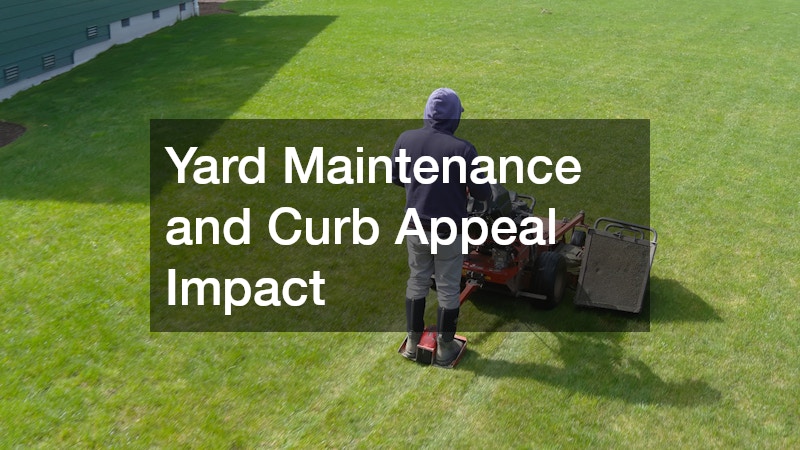
The exterior of a property sets expectations before a tenant ever walks through the front door. Overgrown trees, dead branches, and unstable limbs are not just cosmetic issues; they can pose real safety hazards during storms and heavy wind. Bringing in a tree removal business to handle large or diseased trees protects your property from falling limb damage and shows prospective tenants that the grounds are actively cared for.
Well-maintained landscaping also has a measurable effect on how quickly a unit rents and at what price point. First impressions form within seconds of arriving at a property, and a tidy, safe yard signals that the interior has likely received the same level of attention.
- Have large or leaning trees assessed before storm season
- Remove dead branches near rooflines and power lines promptly
- Trim shrubs and trees away from windows and siding
- Keep walkways clear of debris for safety and appearance
Basement Moisture Control and Foundation Health
A damp or flooded basement can quietly undermine a property’s structural integrity and its rental appeal at the same time. Moisture problems often start small, with a musty smell or slight dampness along a wall, but they can escalate into mold growth, foundation cracks, and unusable storage space. Investing in proper basement water control, including sump pumps, drainage systems, and sealing, protects the structure and prevents tenants from experiencing damp, uncomfortable living spaces.
Basements that stay dry also open up additional usable square footage, whether for storage, laundry, or even additional living space that can justify higher rent. Addressing moisture issues proactively is almost always less expensive than repairing the structural damage that follows years of neglect.
- Install or maintain a sump pump with battery backup
- Grade soil away from the foundation to direct water flow
- Seal foundation cracks as soon as they appear
- Monitor humidity levels with a basement dehumidifier
Garage and Storage Functionality
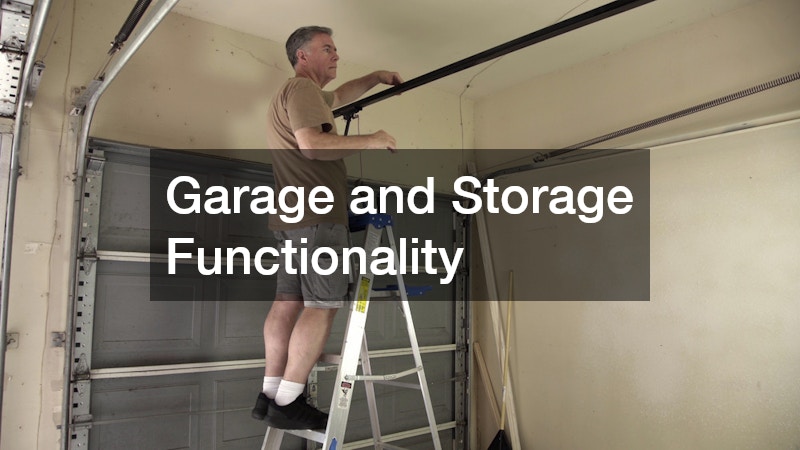
A functional garage adds real value to a rental property, particularly in areas where off-street parking and secure storage are in high demand. Tenants are often willing to pay more for a unit that includes a garage in good working order, but that value disappears quickly if the door sticks, the opener fails, or the structure shows visible wear. Well-maintained garage doors improve both security and daily convenience, which matters to tenants storing vehicles, tools, or seasonal items.
Garage issues also tend to get reported less often than issues inside the living space, simply because tenants may not view them as urgent. That makes proactive inspection especially important, since a malfunctioning door can become a safety issue or a point of frustration that affects lease renewal decisions.
- Test garage door sensors and auto-reverse function regularly
- Lubricate moving parts to prevent premature wear
- Replace worn weather seals to protect stored items
- Repaint or refinish garage doors that show fading or rust
Kitchen Upgrades and Rent Value Growth
Kitchens influence rental value more than almost any other room, and outdated countertops or cabinetry can make an otherwise solid unit feel dated. Tenants searching for their next home often picture themselves cooking and entertaining in that space, and worn surfaces or chipped counters undercut that vision quickly. Installing custom countertops during a renovation cycle can meaningfully increase perceived value and support a higher asking rent without requiring a full kitchen overhaul.
Durability matters just as much as appearance when choosing kitchen materials for a rental. Surfaces that resist scratching, staining, and heat damage hold up better under tenant turnover and reduce how often you need to invest in repairs between leases.
- Choose durable countertop materials suited to rental wear and tear
- Update cabinet hardware for an affordable visual refresh
- Repair or replace damaged countertop edges before they worsen
- Consider lighting upgrades to make the kitchen feel larger and brighter
Outdoor Living Spaces and Seasonal Appeal
Outdoor living space has become a major factor in rental decisions, especially since more tenants spend time working from home and want comfortable areas to relax outside. A porch, deck, or patio that feels unusable due to bugs, weather exposure, or poor condition represents missed potential, and prospective renters often notice these shortcomings during a walkthrough before they even ask about square footage or appliances. Adding a screen patio can extend the usability of outdoor space across more months of the year while protecting tenants from insects and debris. In regions with heavy mosquito or pollen seasons, this single upgrade can turn a neglected corner of the property into a genuine selling point, allowing tenants to eat, work, or unwind outside from early spring through late fall instead of just a handful of comfortable weeks in summer. Landlords should also consider smaller, lower-cost additions that reinforce the same seasonal appeal: ceiling fans or misting systems for hot climates, a retractable awning for shade, and weather-resistant lighting that makes evening use possible. Even simple touches like durable outdoor furniture or a small fire pit area can shift a listing from average to memorable in photos and showings. These improvements tend to pay for themselves quickly. A functional outdoor living space can justify a higher monthly rent, often in the range of $50 to $150 depending on market and square footage, while also reducing vacancy periods because the property stands out among comparable listings that ignore their exterior spaces entirely.
These kinds of outdoor improvements often pay for themselves through tenant retention rather than a dramatic rent increase alone. A simple patio refresh, new fencing, or a few raised garden beds can cost a few hundred to a couple thousand dollars, yet deliver returns for years by keeping tenants happy long after the initial rent premium wears off. Tenants who feel they have functional indoor and outdoor space are more likely to renew their lease, which reduces turnover costs and vacancy gaps that eat into annual income. Consider that the average cost of turning over a rental—cleaning, repainting, marketing, and lost rent during vacancy—can easily run $1,000 to $3,000 depending on the market. Avoiding even one turnover cycle every few years often outweighs the cost of the outdoor upgrade itself. Seasonal appeal matters too. A well-maintained deck or shaded seating area extends the usable months of the property in spring and fall, while proper drainage and durable materials prevent the wear-and-tear that leads to costly repairs after winter storms or summer heat. Landlords who invest in low-maintenance landscaping, such as native plants or mulch beds instead of high-upkeep lawns, also reduce the risk of tenant complaints about yard maintenance responsibilities, which is a common source of lease disputes.
- Inspect screens and framing for damage each spring, checking for tears, rust, and loose hinges before tenants start using outdoor spaces
- Add weather-resistant furniture (aluminum, teak, or resin wicker) to encourage outdoor use and justify higher listing photos and rent
- Ensure proper drainage on patios to prevent standing water, mosquito breeding, and slip hazards that can lead to liability claims
- Keep outdoor lighting functional for evening use, prioritizing pathways, stairs, and entry points for safety
- Power-wash decks and patios annually to remove mold, mildew, and stains that make spaces look neglected
- Trim overgrown landscaping to maintain sightlines and curb appeal, especially before seasonal showings
Every system in a rental property, from the roof down to the basement, plays a role in what you can charge and how reliably that income arrives each month. Neglecting any one of these areas tends to create a ripple effect of tenant complaints, vacancy periods, and unplanned repair costs. The most effective approach is a proactive one, addressing small issues before they grow and budgeting for updates that keep your property competitive. Start by walking through your own property with this list in hand, and prioritize the systems that are furthest overdue for attention.