
When it comes time to sell your home, buyers and inspectors will find every crack, leak, and outdated system you have been living with for years. What seems like a minor inconvenience to you can look like a red flag to a buyer’s inspector, and that red flag often translates into a lower offer or a demand for costly repairs before closing. Understanding where hidden damage tends to hide, and what it actually costs to fix, puts you in control of the negotiation instead of the other way around. This guide walks through the most common culprits that quietly erode a home’s sale price and what you can do about each one.
Cracked or Sinking Foundation Concrete
Foundation problems are one of the fastest ways to scare off a buyer, even when the damage is cosmetic rather than structural. Hairline cracks in a slab or a noticeably uneven porch can trigger a full structural inspection, which delays closing and gives buyers leverage to renegotiate price. A qualified concrete contractor can evaluate whether cracking is due to normal settling or a deeper drainage or soil issue, and can often resurface or patch the area for far less than a full foundation replacement.
Fixing this before listing rather than after an inspection saves money and stress. Buyers tend to assume the worst when they see foundation cracks, mentally multiplying the repair cost by two or three. Getting ahead of it with documentation from a professional reassures buyers that the issue has already been addressed.
- Hairline cracks under an eighth of an inch are usually cosmetic
- Horizontal cracks or stair-step patterns in block foundations signal bigger problems
- Uneven doors and windows can point to shifting below the slab
- Repair estimates should always include a root cause diagnosis, not just a patch
Outdated or Unsafe Wiring Throughout the House
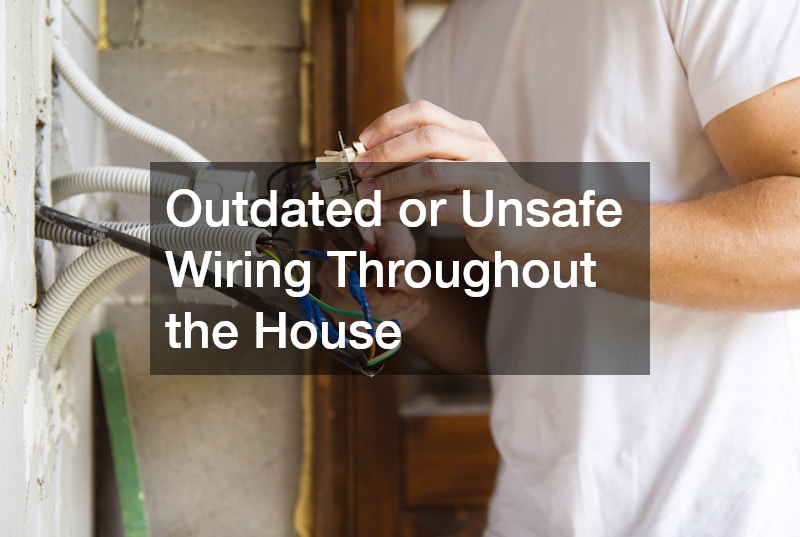
Electrical issues rarely show up during a casual walkthrough, but they surface quickly during a home inspection and can tank an appraisal. Knob and tube wiring, aluminum wiring, or an overloaded panel are common in older homes and are frequently flagged as safety hazards. Buyers financing through certain loan programs may not be able to close at all until these issues are corrected, which puts sellers in a difficult position late in the process.
Bringing in home electrical services early, ideally months before listing, gives you time to fix problems without the pressure of a looming closing date. A licensed electrician can also spot smaller issues, like missing GFCI outlets or double-tapped breakers, that inspectors always check for. Addressing these proactively turns a potential deal-breaker into a non-issue.
- Panels over 25 years old often need upgrading to meet current code
- Two-pronged outlets in older homes suggest ungrounded wiring
- Flickering lights or warm outlet covers indicate active hazards
- Permitted electrical work adds documented value buyers can trust
Old or Failing Cooling Systems

A home’s HVAC system is one of the first things buyers ask about, and an aging air conditioner can quietly knock thousands off an offer. Systems older than twelve to fifteen years are often viewed as a looming expense, even if they are still functioning, because buyers know replacement costs run high. Getting a pre-listing inspection from a reputable AC company gives you a clear picture of remaining lifespan and lets you decide whether a repair, a service, or a full replacement makes more financial sense before you list.
Sometimes the fix is as simple as replacing a capacitor or cleaning a clogged coil, which can restore efficiency for a fraction of replacement cost. Other times, disclosing a known issue with a repair credit is more cost-effective than replacing the unit outright. Either way, having documentation of a recent service call reassures buyers that the system has been maintained.
- Units producing weak airflow or uneven cooling often need refrigerant checks
- Loud rattling or grinding noises usually mean motor or fan issues
- Rust or visible corrosion on the outdoor unit signals age-related wear
- A documented service history can offset buyer concerns about system age
Overgrown or Poorly Planned Yard Features

Curb appeal directly affects how much a buyer is willing to offer, and a neglected or poorly designed yard can undercut even a beautifully renovated interior. Overgrown shrubs, dead patches of lawn, or drainage issues that pool water near the foundation are all things buyers notice within the first thirty seconds of a showing. Consulting with landscape designers before listing can identify quick, affordable fixes that make the biggest visual impact without requiring a full yard overhaul.
It is not just about looks either; poor grading and plant placement can contribute to moisture problems that eventually damage siding or foundations. A thoughtful redesign does not need to be expensive to be effective, and even small changes like fresh mulch, trimmed trees, and defined garden beds can shift a buyer’s first impression dramatically.
- Trees and roots too close to the foundation can cause long-term structural issues
- Standing water in the yard often points to grading problems
- Simple additions like defined walkways increase perceived home value
- Overgrown landscaping can hide siding or foundation damage from view
Clogged or Deteriorating Drain Lines
Plumbing issues underground are some of the most expensive surprises a buyer can uncover, and they are often invisible until a sewer scope inspection is done. Tree roots, old clay pipes, and years of buildup can lead to slow drains or backups that seem minor until they are diagnosed as a collapsed line. Scheduling drain and sewer cleaning before listing, along with a camera inspection, gives you documented proof that the system is clear and functioning properly.
Many buyers now request a sewer scope as a standard part of their inspection, especially in homes over thirty years old. If a problem is found after an offer is accepted, the cost of emergency repairs and the resulting delay can be far more damaging to your sale price than a proactive cleaning would have been. A clean bill of health on your plumbing removes one of the biggest unknowns in the transaction.
- Slow drains throughout the house often indicate a main line issue
- Gurgling toilets can be an early warning sign of blockages
- Old clay or cast iron pipes are more prone to root intrusion
- A camera inspection report is a valuable document to share with buyers
Aging or Damaged Roof Coverings
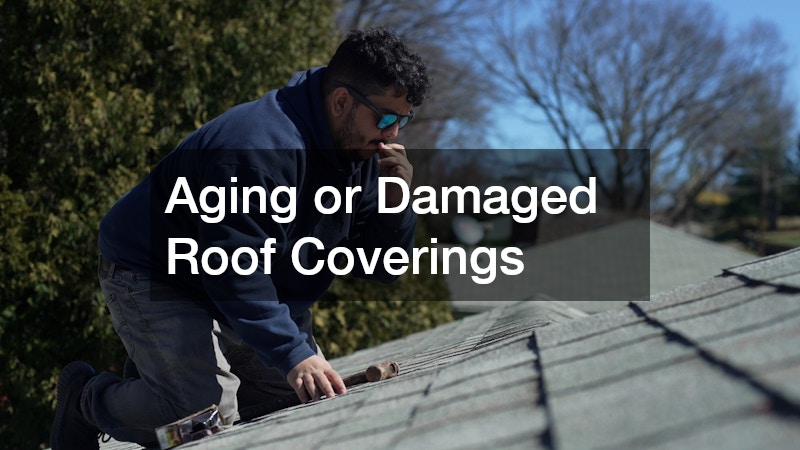
The roof is one of the single biggest cost concerns for buyers, and even minor visible damage can lead to lowball offers or requests for a full replacement credit. Missing shingles, granule loss, and soft spots in the decking are all things a home inspector will document in detail. Getting an assessment from established roofing companies before you list allows you to address small repairs now rather than facing a much larger negotiation later.
A roof nearing the end of its expected lifespan does not always need full replacement to satisfy buyers; sometimes a professional repair and a transferable warranty are enough to close the gap. Buyers are far more comfortable with a roof that has documented recent maintenance, even if it is not brand new. Being transparent about the roof’s condition from the start also builds trust throughout the rest of the transaction.
- Curling or cracked shingles suggest the roof is nearing end of life
- Dark streaks or moss growth can indicate moisture retention issues
- Sagging rooflines may point to structural decking problems
- A transferable warranty can be a strong selling point for buyers
Malfunctioning or Outdated Garage Entry Systems
The garage door is one of those features buyers barely notice when it works and immediately flag when it does not. A door that sticks, makes grinding noises, or fails to reverse when obstructed is both a safety concern and a repair cost buyers will factor into their offer. Reaching out to garage door companies for a tune-up or spring replacement is typically inexpensive and can resolve most of these issues quickly.
Beyond function, an outdated garage door can also drag down curb appeal, especially if it is the most visible feature on the front of the home. Replacing an old door with a modern, insulated version often returns a strong percentage of its cost at resale, making it one of the more efficient investments before listing. Even a fresh coat of paint on an existing door can make a noticeable difference in first impressions.
- Grinding or squeaking noises usually mean worn rollers or springs
- Doors that reverse unexpectedly may have sensor alignment issues
- Dents or rust are easy to spot during a buyer walkthrough
- Insulated doors improve both energy efficiency and curb appeal
Kitchen and Bathroom Surface Wear and Tear
Worn or outdated surfaces in kitchens and bathrooms are some of the most noticeable issues to buyers because these are the rooms people scrutinize most closely. Chipped, stained, or dated countertops can make an entire kitchen feel neglected, even if the cabinets and appliances are in good condition. Replacing or refinishing countertops is often one of the highest return-on-investment updates a seller can make, since it directly affects a buyer’s perception of overall home maintenance.
You do not necessarily need premium stone to make an impact; even a mid-range material installed cleanly and consistently across kitchen and bathroom spaces can significantly improve how a home shows. Cracks around sink cutouts or seams that have separated are common inspection flags worth addressing before listing. Small cosmetic fixes here tend to pay for themselves many times over in buyer perception.
- Chips or stains near sinks are common wear points buyers notice first
- Mismatched countertop materials between kitchen and bathrooms can look disjointed
- Resurfacing is a lower-cost alternative to full replacement in many cases
- Consistent, clean surfaces signal a well-maintained home overall
Structures That Need Full Removal Before Sale
Sometimes the most cost-effective move before listing is not repair but removal. Old sheds, crumbling detached structures, or unsafe additions can actually reduce a home’s value by making the property look cluttered or neglected. Hiring demolition contractors to clear out a hazardous structure or an unpermitted addition can simplify the sale and remove a liability that might otherwise scare off buyers or complicate financing.
This is especially relevant for homes with old pools, dilapidated decks, or additions that were never permitted, since these can create legal and safety complications during a sale. Clearing the land and presenting a clean, usable space is often more appealing to buyers than trying to sell a fixer-upper feature as a bonus. It also removes an easy bargaining chip buyers might otherwise use to justify a lower offer.
- Unpermitted additions can complicate financing and appraisals
- Structurally unsound sheds or decks are common safety flags in inspections
- Removing hazards can be more cost-effective than repairing them
- A clean lot often photographs and shows better to potential buyers
Outdoor Living Surfaces That Need Repair or Replacement
Outdoor spaces have become a major selling point in recent years, and cracked or uneven paving can undercut an otherwise attractive backyard. Shifting, staining, or weed growth between patio pavers are common issues that buyers notice immediately when touring a property. Replacing or resetting damaged pavers is a relatively affordable fix that can dramatically improve the usability and appearance of an outdoor living area.
Beyond appearance, uneven or cracked paving can also be a tripping hazard, which some inspectors will note as a safety concern. Addressing this before listing not only improves photos and showings but also removes a potential point of negotiation. A well-maintained patio can even become a highlighted feature in your listing rather than a liability.
- Weeds growing through joints often indicate a failing base layer
- Uneven pavers can create tripping hazards flagged during inspections
- Resetting existing pavers is usually cheaper than a full replacement
- A clean, level patio adds usable square footage to a listing’s appeal
Hidden damage does not have to become a hidden cost when you sell your home, as long as you address it before a buyer’s inspector finds it first. Walking through your property with a critical eye, and bringing in the right professionals for an honest assessment, puts you back in control of your asking price. Start with the systems most likely to raise red flags, like your roof, electrical, and plumbing, then work outward to cosmetic and structural details. A little preparation now can mean a smoother sale and a stronger final offer later.