Key Takeaways
- Reactive maintenance costs significantly more than preventive care, making seasonal inspections one of the smartest ways to protect a building’s long-term value
- Setting aside roughly 1% of a property’s value each year creates a realistic financial cushion for repairs and unexpected replacements
- Emergency response systems with clear tenant communication channels prevent small issues like leaks from escalating into structural damage
- Vendor relationships built over time deliver faster service, better pricing, and higher-quality workmanship than scrambling for contractors during a crisis
- Detailed documentation of every inspection, repair, and tenant request protects owners legally and helps track patterns before they become expensive problems
- Compliance with safety codes, inspection schedules, and habitability laws shields owners from fines, lawsuits, and tenant disputes
- Technology platforms streamline maintenance tracking, turning scattered requests into organized workflows that reduce response times
The Hidden Cost of Ignoring Maintenance
Owning rental property sounds simple on paper. Collect rent, pay the mortgage, enjoy the cash flow. Reality hits differently the moment a water heater fails at 11 p.m. on a Saturday or a tenant reports mold spreading behind a bathroom vanity.
Maintenance is where most landlords either protect their investment or slowly bleed it dry. Small issues compound. A dripping faucet becomes a rotted cabinet. A clogged gutter turns into a cracked foundation. A missed HVAC service becomes a dead compressor in July.
This is where professional oversight changes the equation. The right systems, the right vendors, and the right response times can mean the difference between a property that appreciates steadily and one that drains your bank account. Below, we break down the most common maintenance headaches owners face and the practical solutions that keep buildings profitable.
Problem One: Reactive Repairs Are Eating Your Budget
Most landlords fall into the reactive trap. Something breaks, they fix it. Something else breaks, they fix that too. The result is a steady stream of surprise expenses that never seem to end.
The fix is a preventive maintenance calendar. Instead of waiting for failures, you schedule inspections and tune-ups on a predictable rotation. This catches issues when they are small and cheap, not when they are catastrophic and expensive.
A solid preventive schedule typically covers:
- HVAC servicing twice a year, before summer and winter
- Gutter cleaning in spring and fall
- Plumbing inspections to catch slow leaks under sinks and around toilets
- Roof checks after major storms and once annually
- Smoke and carbon monoxide detector testing every six months
- Exterior caulking and paint touch-ups to prevent water intrusion
According to AmeriSave, a reasonable guideline is to set aside about 1 percent of your property’s value each year for maintenance and repair costs. For a $300,000 home, that is $3,000 annually earmarked before anything breaks. Treating this as a non-negotiable line item in your budget prevents the panic of unexpected bills.
Problem Two: Emergencies Happen at the Worst Times
Pipes burst at midnight. Furnaces die on holidays. Tenants lock themselves out during dinner. If you are managing the property yourself, emergencies interrupt your life and often force rushed, expensive decisions.
So what does a property manager do when the phone rings at 2 a.m.? They triage. A real emergency, defined as anything that threatens safety or causes active property damage, gets dispatched immediately to an on-call vendor. Non-emergencies get logged and scheduled for the next business day. This filtering alone saves thousands in unnecessary after-hours service calls.
Building a Real Emergency Response Protocol
A proper protocol starts with clear tenant communication. Residents need to know what qualifies as an emergency, how to report one, and what to expect in response time. Posting this information in the lease and during move-in orientation reduces confusion later.
Experienced managers also maintain a short list of trusted contractors available after hours. If you want a deeper look at how professionals approach handling emergency repairs, the key themes are speed, documentation, and tenant safety. Responding within the first hour of a water leak can cut damage costs by half or more.
Problem Three: Finding Reliable Vendors Is a Nightmare
Every landlord has a horror story about a contractor who vanished mid-job, charged triple the estimate, or did work so shoddy it had to be redone. Finding trustworthy tradespeople is one of the hardest parts of owning property.
Professional managers solve this through long-term vendor relationships. They work with the same plumbers, electricians, HVAC technicians, and general contractors across dozens of properties. That volume gives them leverage on pricing, priority scheduling, and consistent quality.
A strong vendor network usually includes:
- Licensed plumbers for both emergency and scheduled work
- HVAC specialists familiar with the building’s equipment
- Electricians certified for residential code compliance
- Landscapers for routine grounds maintenance
- General handymen for small repairs that do not need a specialist
- Pest control services on a recurring contract
According to Revenuememo, roughly 39 percent of property managers spend more than 20 hours each month on maintenance requests alone. That workload is only manageable with a reliable bench of vendors who show up when called and bill fairly.
Problem Four: Paperwork and Compliance Are Overwhelming
Local habitability codes, state landlord-tenant laws, lead paint disclosures, smoke alarm requirements, inspection schedules. Miss one and you could face fines, lawsuits, or a tenant withholding rent legally.
Documentation is the shield. Every inspection, repair, tenant request, and vendor invoice should be logged with dates, photos, and notes. If a dispute ever ends up in court, the party with better records almost always wins.
Why Systems Beat Memory Every Time
Trying to remember which unit needs a new furnace filter or when the fire extinguishers were last inspected is a losing game. Modern rental property management increasingly relies on software platforms that track work orders, store vendor invoices, log tenant communication, and send automated reminders for recurring tasks.
These tools also give owners visibility. Instead of wondering what is happening at the property, you can log in and see every open ticket, every completed repair, and every dollar spent. Transparency builds trust between owners, managers, and tenants.
What Are the Core Duties of a Rental Property Manager?

Beyond fixing broken things, a manager’s maintenance role is broader than most owners realize. It touches tenant relationships, financial planning, legal compliance, and long-term capital planning.
Day-to-day responsibilities typically include:
- Coordinating routine and emergency repairs with vendors
- Conducting move-in, move-out, and periodic inspections
- Managing seasonal maintenance schedules
- Reviewing and approving vendor invoices
- Communicating with tenants about repair timelines
- Advising owners on capital improvements and replacements
The scale of this work is significant. According to Baselane, the property management workforce reached 875,000 people in 2024, with the majority working in residential. That number reflects just how much labor goes into keeping rentals running smoothly across the country.
A good manager also thinks ahead. They notice that a roof is approaching the end of its life, that the water heater is 12 years old, or that the parking lot will need resealing next spring. They raise these issues before they become emergencies, giving owners time to budget and plan.
Problem Five: Tenants Treat the Property Poorly
Even with great maintenance systems, tenant behavior affects a property’s condition. Lease violations, deferred cleaning, unauthorized modifications, and simple neglect can undo months of careful upkeep.
The solution is a mix of screening, education, and routine inspection. Thorough tenant screening reduces the likelihood of problems from the start. Clear move-in orientations set expectations about caring for the unit. Scheduled inspections, typically every six to twelve months, catch problems early and remind residents of their obligations under the lease.
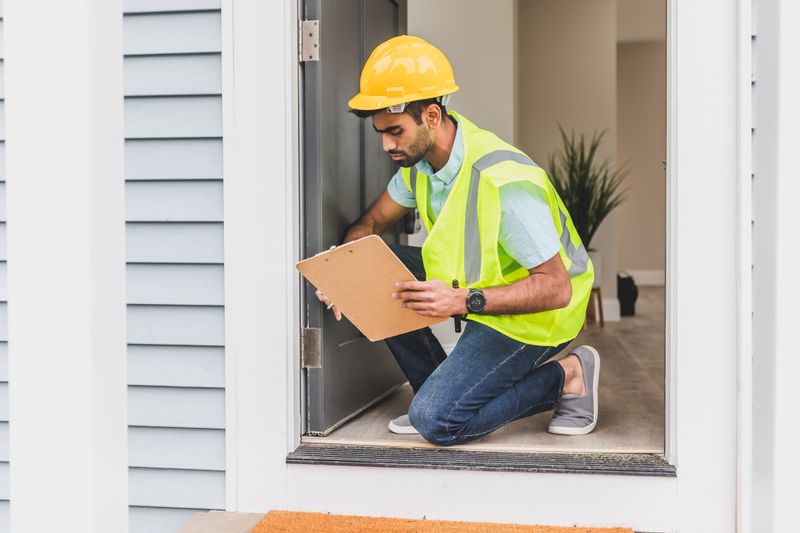
Routine inspections also give managers a chance to spot maintenance issues tenants may not report. A running toilet, a slow drip under the kitchen sink, or a cracked window seal often goes unmentioned until it becomes a bigger problem. Walking the unit twice a year turns up these small items while they are still cheap to fix.
Turning Inspections Into a Preservation Tool
Inspections work best when they follow a consistent checklist. Photographing every room, testing every appliance, and documenting the condition of flooring, walls, and fixtures creates a timeline that proves wear patterns over months and years. That record becomes invaluable when it is time to assess security deposits or justify repair charges.
Some owners worry that frequent inspections annoy tenants. In practice, well-notified visits handled professionally actually build trust. Residents appreciate knowing the owner cares about the condition of their home and will respond to concerns raised in person.
Problem Six: Capital Expenses Blindside Owners
Routine repairs are predictable. Capital expenses are the ones that hurt. Roofs, HVAC systems, water heaters, siding, driveways, and major appliances all have finite lifespans, and replacing them costs thousands at a time.
Managers who track the age and condition of major building systems can forecast these expenses years in advance. Instead of a $12,000 roof replacement landing as a surprise, owners see it coming and can set aside reserves monthly.
A practical capital planning approach looks like this:
- List every major system with its install date and expected lifespan
- Estimate replacement cost in today’s dollars
- Divide by remaining useful years to calculate a monthly reserve contribution
- Review the list annually and adjust based on actual condition
- Prioritize replacements that affect safety, efficiency, or tenant retention
This kind of planning turns ownership from a reactive scramble into a deliberate strategy. It also makes the property more attractive if you ever decide to sell, since buyers pay more for assets with documented maintenance histories.
How Maintenance Drives Tenant Retention
One of the most overlooked benefits of strong maintenance is tenant retention. Every turnover costs money, often more than a year of small repairs combined. Make-ready work, marketing, lost rent during vacancy, and screening fees add up quickly.
Tenants who feel their concerns are taken seriously tend to stay longer. A manager who responds to a repair request within 24 hours and completes the work within a week sends a clear message that the property is well cared for. Residents renew leases, treat the unit better, and recommend the building to friends.
The reverse is equally true. Slow responses, sloppy repairs, and visible neglect push good tenants out and attract tenants who do not value the space. Maintenance quality directly shapes the kind of community living in the building.
Conclusion
Maintenance is not a side task in property ownership. It is the core activity that determines whether a building appreciates in value or slowly declines. Every dollar spent on prevention saves several dollars in emergency repairs, and every well-handled tenant request contributes to longer stays and steadier cash flow.
The owners who thrive are the ones who treat their properties as long-term assets requiring consistent attention. They build systems, work with reliable vendors, keep meticulous records, and plan for the capital expenses that eventually come for every building. Whether they do this work themselves or hire a professional team, the principles remain the same.
If the demands of maintenance, emergencies, vendor coordination, and compliance feel like too much to juggle alone, that is usually the signal to bring in professional help. The cost of management is often less than the cost of the mistakes owners make trying to do it all themselves. Protecting your investment starts with recognizing that the building needs more than rent collection to stay profitable, and acting on that recognition before small problems turn into large ones.