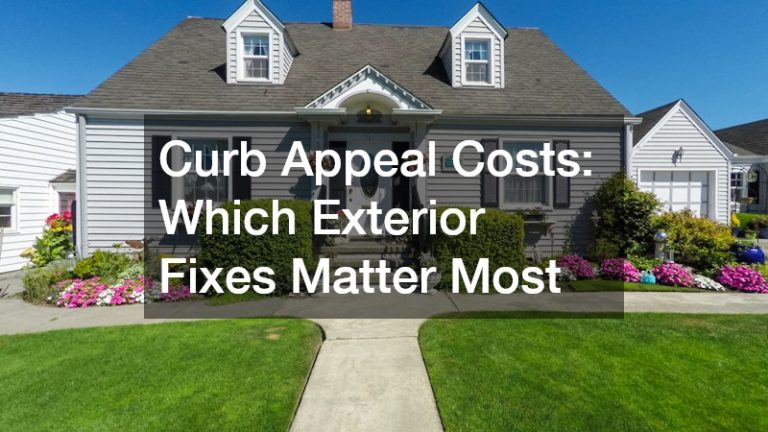
A buyer forms an opinion about your house before they ever step through the front door, and that first impression can influence what they are willing to pay. But curb appeal spending is not one-size-fits-all, and pouring money into the wrong project can leave you with a pretty yard and a disappointing return.
This guide breaks down the exterior fixes that actually move the needle, what they typically cost, and how to prioritize your budget so every dollar works harder for you.
Repaving a Cracked or Aging Driveway
The driveway is one of the first surfaces a visitor or buyer walks across, and cracks, potholes, or crumbling edges signal deferred maintenance before anyone even looks at the house. A full repave is a bigger investment than patching, but it often pays for itself in how much newer and more cared-for the whole property looks. Hiring a qualified driveway paving contractor to assess the base, drainage, and slope before laying new asphalt or concrete ensures the fix lasts more than a season or two.
Homeowners often underestimate how much prep work affects the finished product. A rushed job that skips grading or proper compaction will crack again within a couple of years, wasting the investment entirely.
- Get at least three quotes and ask each contractor about base thickness and drainage plans
- Ask whether they warranty against cracking or settling
- Compare asphalt versus concrete costs based on your climate and how long you plan to stay in the home
- Confirm timeline expectations, since paving projects are weather-dependent
Extending the Life of Asphalt With Routine Maintenance
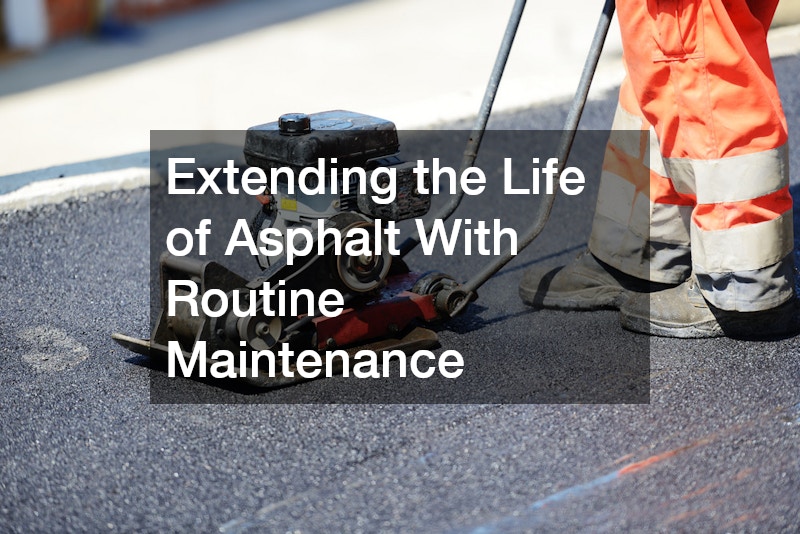
If your driveway or walkway is structurally sound but starting to look gray, faded, or rough, a full replacement may not be necessary yet. Sealcoating services are among the most cost-effective curb appeal fixes available because it restores that rich, dark finish while also protecting the asphalt underneath from water, sun, and oil damage. Most homeowners can expect to redo sealcoating every two to three years depending on traffic and weather exposure.
This is a project where cost and appearance align almost perfectly, since a freshly sealed driveway looks dramatically better for a relatively small price. Skipping sealcoating for too long allows small cracks to widen, which eventually turns a low-cost maintenance task into an expensive repair.
- Schedule sealcoating in warm, dry weather for the best cure
- Fill and patch any cracks before applying sealant
- Keep vehicles off the surface for at least 24 to 48 hours after application
- Ask your contractor about oil-resistant sealant if you park multiple vehicles regularly
Fixing Foundation and Grading Problems Before They Show
Some of the most damaging curb appeal issues are not cosmetic at all; they are structural problems hiding beneath the surface. Poor grading around a foundation can cause water pooling, siding stains, and even cracks in exterior walls that make a home look neglected. In many cases, homeowners spend thousands on fresh paint or new plantings without realizing the real issue is a slope directing water straight toward the house.
Experts generally recommend that the ground slope away from the foundation at a rate of at least 6 inches over the first 10 feet. When that grade is off, water can seep into basements, erode soil around walkways, and undermine the stability of patios or porches over time. Left unaddressed, these issues often lead to far more expensive repairs than the original landscaping project would have cost.
Before starting any driveway, patio, or landscaping project, it is worth understanding what excavating work might be needed to correct slope and drainage issues around the perimeter of the house. This might involve regrading soil, installing French drains, or adding swales to redirect runoff away from vulnerable areas. A licensed contractor can assess whether the fix is a simple surface adjustment or a more involved excavation project requiring equipment and permits.
Catching these problems early not only protects the home’s structural integrity but also prevents future curb appeal investments from being undermined by water damage. A cracked walkway or stained foundation wall can quickly erase the visual benefits of new landscaping or a freshly painted exterior. Addressing grading first ensures that every other improvement actually lasts.
Ignoring grading problems rarely saves money in the long run. Water that pools near the foundation instead of draining away seeps into basement walls and footings, and that damage compounds over time until it eventually shows up as peeling paint, musty odors, mold, or foundation cracks—all far more visible and expensive to fix than the original drainage issue.
A simple test is worth doing before you spend on landscaping or paint: check that soil slopes away from the house at least six inches over the first ten feet. If water sits near the foundation after a hard rain, or you notice gaps forming between the soil and your siding, grading work should move to the top of your list.
Fixes range widely in cost and complexity. Regrading soil and extending downspouts might run a few hundred dollars in materials and a weekend of labor, while installing a French drain or repairing hairline foundation cracks with epoxy injection typically falls in the $500 to $3,000 range. Left unaddressed, full foundation repairs can climb past $10,000.
Addressing drainage early keeps both the structure and the appearance of your home intact, and it protects the value of every other curb appeal upgrade you make afterward.
- Watch for water pooling near the foundation after rain; standing water within 24 hours often signals poor grading, not just soil type
- Confirm the ground slopes away from the house at least 6 inches over the first 10 feet for proper drainage
- Look for gaps or cracks where the driveway meets the garage, especially any wider than a quarter-inch, which can let water seep toward the foundation
- Check that downspouts direct water at least five feet away from the house, using extensions or splash blocks if needed
- Inspect gutters twice a year for clogs, since overflow near the roofline often ends up pooling right at the foundation
- Consult a professional if you notice recurring damp basement walls, musty odors, or hairline cracks that seem to widen over time
Renting Equipment for DIY Landscaping Projects
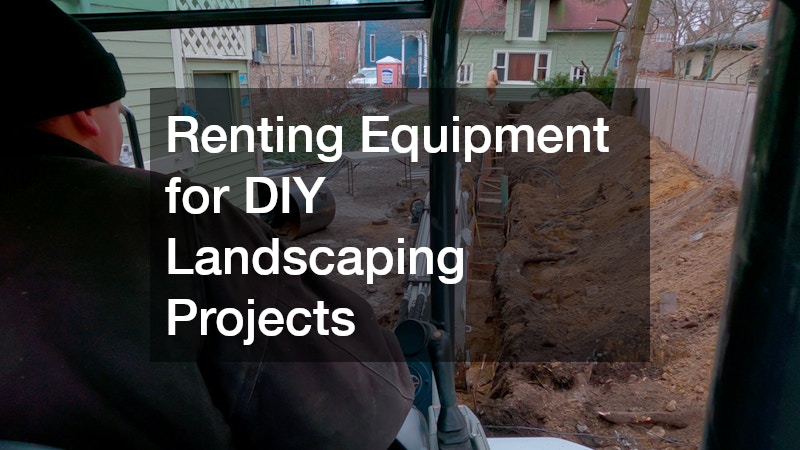
Not every curb appeal project requires a full crew. Homeowners tackling their own landscaping beds, retaining walls, or drainage trenches sometimes find that an excavator rental is more cost-effective than hiring out the entire job, especially for smaller residential lots. Renting allows you to control labor costs while still getting professional-grade results for grading, trenching, or removing old concrete.
That said, operating heavy equipment safely takes some practice, and rental companies typically offer a quick orientation before you take the machine home. It is worth renting for a slightly longer window than you think you need, since unexpected obstacles like buried rock or old utility lines can slow progress.
- Ask the rental company about size options suited for residential yards
- Check whether delivery and pickup are included in the rental price
- Confirm insurance requirements before operating equipment on your property
- Request a brief training session if you have never operated an excavator before
Bringing in Professionals for Larger Excavation Projects
For bigger jobs, such as regrading an entire yard, installing a new drainage system, or preparing a site for a major hardscape addition, it usually makes more sense to call in excavation companies rather than attempting it yourself. These jobs often involve permits, utility markouts, and soil assessments that go well beyond what a weekend DIYer can safely manage. A professional crew can also complete the work faster, which matters if you are trying to coordinate multiple curb appeal projects in a single season.
Getting quotes from a couple of different companies helps you understand the going rate in your area and gives you a sense of how thorough each team is during the walkthrough. Pay attention to how they talk about site prep, since a company that skips straight to price without discussing soil conditions may cut corners later.
- Request references from recent residential jobs, not just commercial work
- Ask about how they handle unexpected issues like rock or poor soil
- Confirm who is responsible for permits and inspections
- Get a written timeline with start and completion dates
Restoring or Replacing Concrete Walkways and Patios
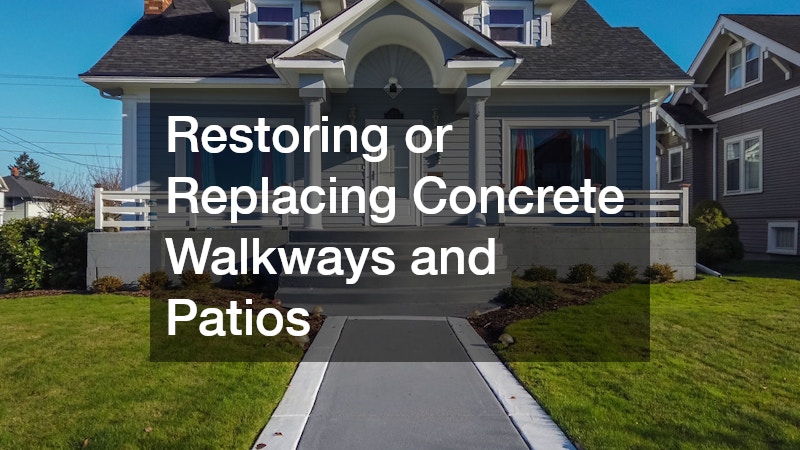
Cracked, uneven, or stained concrete walkways are one of the fastest ways to make an otherwise well-kept yard look tired. Working with experienced concrete contractors to repair or replace walkways, steps, and patios can dramatically change how a property is perceived from the street, even if the rest of the landscaping stays the same. Concrete is also relatively affordable compared to other hardscape materials, making it a smart place to focus a limited budget.
Before committing to a full replacement, ask whether resurfacing is an option, since it can refresh the look of existing concrete at a fraction of the cost of tearing it out. Just be aware that resurfacing is a cosmetic fix and will not solve underlying structural cracks caused by settling or tree roots.
- Inspect for trip hazards, which matter for both safety and appearance
- Ask about decorative finishes like stamped or stained concrete for added curb appeal
- Get a firm quote that includes removal and disposal of old concrete
- Discuss expected lifespan based on your local freeze-thaw cycle
Investigating Beneath Slabs Before Major Repairs
Sometimes a concrete or asphalt surface looks fine on top but has problems underneath, such as old utility lines, buried debris, or unknown soil conditions that could affect a planned addition. In these cases, core drilling is used to extract a small sample of the slab so contractors can assess thickness, composition, and any hidden damage before recommending a repair plan. This step is especially useful if you are planning something like a new patio extension or a driveway widening project and want to avoid costly surprises mid-project.
While it might feel like an unnecessary extra step, skipping this kind of investigation can lead to change orders and unexpected costs once work is already underway. A small upfront cost for testing can save thousands later if it reveals a problem that changes the scope of the project.
- Ask your contractor whether testing is included in the estimate or billed separately
- Request a written report of findings before work begins
- Use results to compare repair versus full replacement costs
- Keep documentation for future resale disclosures
Upgrading Garage and Outdoor Floors With Durable Coatings
While less visible from the street, a well-finished garage floor still contributes to overall curb appeal, especially if your garage door is open during the day or visible from the driveway. An epoxy concrete floor is a popular upgrade because it resists stains, holds up to vehicle traffic, and gives the space a clean, finished look that plain concrete cannot match. Many homeowners also use this same coating on covered porches or breezeways for a cohesive, polished appearance.
Cost varies depending on square footage and whether you choose a basic single-color finish or a decorative flake system, but either option tends to outlast paint by several years. Proper surface preparation matters more than people expect, since epoxy applied over dirty or damp concrete can peel within months.
- Confirm the concrete has been properly cleaned and etched before coating
- Ask about cure time before the space can be used again
- Choose a slip-resistant additive if the area gets wet or is used for parking
- Compare warranties between contractors, since coating quality varies widely
Choosing the Right Paving Professional for the Job

Not every paving project calls for the same type of contractor, and knowing the difference can save you money and frustration. An asphalt contractor typically specializes in driveways, parking areas, and large paved surfaces, while a concrete specialist handles walkways, patios, and decorative work. Matching the right professional to the material and scope of your project ensures better pricing and a finished product that holds up over time.
It also helps to ask directly about experience with residential projects specifically, since a contractor who mostly works on commercial lots may not be as familiar with the details that matter for home curb appeal, like matching existing grade or coordinating around landscaping.
- Ask for photos of similar residential projects
- Confirm licensing and insurance before signing a contract
- Get multiple bids to compare pricing and scope
- Clarify whether cleanup and old material removal are included
Conclusion
Curb appeal spending pays off most when it targets visible, high-impact areas without ignoring what is happening beneath the surface. Start with an honest walk around your property, note which fixes are purely cosmetic and which point to a deeper issue, and prioritize accordingly. With a clear plan and the right professionals for each part of the job, you can boost your home’s exterior appeal without overspending or discovering costly surprises later.