
If you own rental property or simply run a household on a tight budget, unexpected repairs can quietly drain thousands of dollars a year before you even notice the pattern. The trick to protecting your monthly cash flow isn’t avoiding maintenance altogether, it’s knowing which systems fail most often, what they cost to fix, and how to plan for them before they become emergencies. This guide breaks down the most common repair categories that chip away at profits and savings alike, so you can budget smarter and act sooner. By the end, you will know exactly where to focus your attention and your money.
Aging HVAC Systems and Unexpected Breakdowns
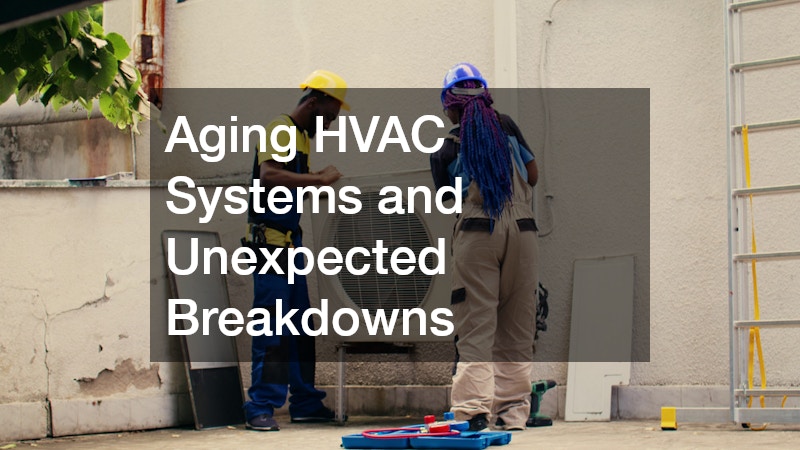
Heating and cooling systems are some of the most expensive components in any home, and they rarely fail at a convenient time. A unit that is more than ten years old is far more likely to need emergency attention, often during the hottest or coldest week of the year when demand for service is highest and prices climb accordingly. Emergency after-hours calls can easily run 1.5 to 2 times the cost of a scheduled visit, and a full system replacement often lands somewhere between $5,000 and $12,000 depending on unit size and ductwork condition. Scheduling routine maintenance twice a year, once before cooling season and once before heating season, can catch small issues, like a failing capacitor, a dirty coil, or a refrigerant leak, before they turn into a full system replacement. These visits typically cost $150 to $300, a fraction of what an emergency compressor or blower motor swap can run. It’s also worth tracking a few warning signs between visits: rising utility bills without a change in usage, short-cycling, or rooms that never quite reach the thermostat setting. Catching these early, along with replacing air filters every one to three months, extends the life of the unit and helps homeowners budget for eventual replacement instead of being blindsided by it.
Calling for AC repair at the first sign of trouble, such as weak airflow, strange noises, or a system that cycles on and off too frequently, almost always costs less than waiting until the unit stops working entirely. A minor repair like replacing a capacitor or cleaning a clogged condenser coil might run $150 to $400, while a full system failure during peak summer heat can mean an emergency replacement costing $5,000 or more, plus lost rent while tenants can’t occupy the unit. Landlords in particular should budget a reserve fund for HVAC issues since tenants will expect fast turnaround in extreme weather. A common rule of thumb is setting aside 1% to 4% of the property’s value annually for maintenance, with HVAC repairs often representing the single largest line item. Scheduling seasonal tune-ups before summer and winter also helps catch small issues before they escalate into no-heat or no-cooling emergencies. A well-maintained system also uses less energy, which softens the blow to your monthly utility costs. Dirty filters, low refrigerant, and worn-out blower motors can force a unit to work harder, driving energy consumption up by 10% to 25%. Over the life of the system, that inefficiency adds up to thousands of dollars in wasted utility spending that eats directly into your profit margin.
- Replace air filters every one to three months (monthly if you have pets or run the system heavily) to reduce strain and prevent costly blower motor damage
- Keep outdoor condenser units clear of leaves, dirt, and debris, and trim back vegetation to maintain at least two feet of clearance for proper airflow
- Have refrigerant levels checked annually to avoid compressor damage, since low levels often signal a leak that worsens if ignored
- Schedule professional tune-ups each spring and fall to catch worn belts, failing capacitors, and electrical issues before they cause a breakdown
- Budget for a full replacement every twelve to fifteen years, setting aside funds early since new systems can run $5,000 to $12,000 depending on size and efficiency rating
- Track repair costs over time; if annual repairs exceed 30% of replacement cost, it’s usually cheaper to replace than keep patching the old unit
Roof Leaks and Storm Damage That Snowball
A small roof leak rarely stays small. Water that seeps in through a cracked shingle or damaged flashing can travel along rafters and show up as a stain on a ceiling far from the original entry point, leading to mold, insulation damage, and even structural rot if it goes unnoticed. Reputable roofing contractors recommend a professional inspection at least once a year and immediately after any major storm, since hail and high winds can loosen shingles without causing obvious damage from the ground.
Catching a leak early might cost a few hundred dollars in repairs, while ignoring it can lead to a five-figure replacement bill down the road. Homeowners should also check their attic for daylight coming through the roof deck, musty odors, or damp insulation, all of which point to a problem that needs prompt attention.
- Inspect shingles for curling, cracking, or missing granules
- Check flashing around chimneys, vents, and skylights
- Clear gutters regularly so water does not back up under the roofline
- Document storm damage with photos for insurance purposes
Plumbing Leaks and Slow Drains That Add Up

A dripping faucet or a slow drain might seem like a minor annoyance, but these small issues often signal larger problems building behind the walls or under the slab. Hidden leaks can quietly raise water bills for months before anyone notices, and by the time a stain appears on a ceiling or wall, real damage has often already occurred. Bringing in a licensed plumber for even minor issues can prevent a small repair from becoming a major one involving drywall, flooring, or cabinetry.
Older homes with original galvanized or copper piping are especially prone to corrosion and pinhole leaks that develop over time. Regular inspection of exposed pipes under sinks and in basements can catch early warning signs like discoloration or mineral buildup. Property owners who ignore these signals often end up paying far more once water damage spreads beyond the original leak point.
- Watch for unexplained spikes in your water bill
- Listen for running water sounds when no fixtures are in use
- Check under sinks monthly for moisture or musty smells
- Replace worn washers and seals before they fail completely
Cracked Stucco and Exterior Wall Damage
Stucco is durable, but it is not immune to cracking, especially in homes that have settled or experienced temperature swings. Hairline cracks might look cosmetic, but they can allow moisture to seep behind the surface, leading to wood rot or mold growth that is far more expensive to fix than the original crack. Experienced stucco contractors can identify whether a crack is simply surface-level or a sign of deeper structural movement that needs to be addressed first.
Waiting too long to repair stucco damage often means dealing with a much larger patch job, since moisture tends to spread laterally behind the wall before it becomes visible. Homeowners in wetter climates should be especially vigilant, checking exterior walls each spring and fall for new cracking or discoloration.
- Look for cracks wider than a quarter inch, which often indicate deeper issues
- Check for soft spots or bubbling near window and door frames
- Address discoloration quickly, since it often signals trapped moisture
- Repaint or reseal every five to ten years to maintain the protective barrier
Faulty Wiring and Electrical Panel Upgrades
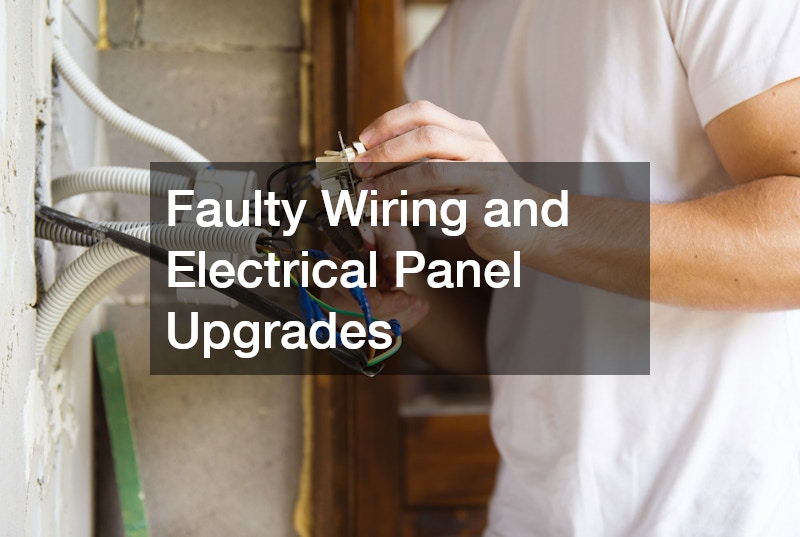
Electrical problems are not just an inconvenience, they are one of the leading causes of house fires, which makes this an area where cutting corners is never worth the savings. Flickering lights, warm outlets, or breakers that trip repeatedly are all signs that a system may be overloaded or wired incorrectly. Licensed electrical contractors can assess whether a panel needs to be upgraded to handle modern appliances, especially in older homes originally built for far lower electrical demand.
Deferred electrical work tends to compound over time, since new circuits added without permits or proper capacity checks can create hidden hazards. Property owners who plan ahead for panel upgrades, rather than waiting for a failure, often save money by bundling the work with other renovations instead of paying for an emergency service call.
- Replace flickering or dimming lights that don’t respond to bulb changes
- Have any outlet that feels warm to the touch inspected immediately
- Upgrade panels older than 25 years to meet current safety codes
- Budget for rewiring if you notice frequent breaker trips
Worn Fencing and Gate Repairs
Fencing takes a beating from weather, soil movement, and everyday wear, and it is often one of the most neglected exterior features on a property. Wood fences can rot at the base where they meet the soil, while metal fences may rust at joints and hinges. A local fence company can often repair individual sections rather than replacing an entire fence line, which keeps costs manageable if the damage is caught early.
Gates deserve particular attention since they carry the most mechanical stress of any fencing component. A sagging gate not only looks bad, it can also compromise security and safety, especially for properties with pools or pets. Regular lubrication of hinges and prompt repair of loose posts can extend the life of a fence by several years.
- Check for rot or splintering at the base of wooden posts
- Tighten loose hardware on gates every few months
- Repaint or reseal wood fencing every two to three years
- Replace rusted hardware before it causes structural failure
Failing Sprinkler Systems and Water Waste
An inefficient irrigation setup can quietly waste thousands of gallons of water each month, driving up utility bills without any visible sign of a problem. Broken sprinkler heads, cracked pipes, or a malfunctioning controller are common culprits, and they often go unnoticed until a lawn shows patches of dead grass or unusually soggy areas. Running a manual inspection each season helps confirm that every zone is working correctly and that water is not pooling where it shouldn’t.
Smart irrigation controllers that adjust watering based on weather conditions can reduce water waste significantly compared to older timer-based systems. Property owners managing multiple units or a larger yard should consider a seasonal tune-up to catch small leaks before they show up as a spike in the water bill.
- Inspect sprinkler heads for cracks, clogs, or misalignment
- Check for pooling water or unusually green patches, both signs of leaks
- Adjust watering schedules seasonally to avoid overuse
- Install a rain sensor to prevent watering during storms
Outdated Kitchens and the Cost of Deferred Updates
Kitchens see more daily wear than almost any other room in a home, and outdated cabinetry, worn countertops, or inefficient layouts can lead to a steady stream of small repairs that add up over time. A loose cabinet hinge or a chipped countertop might seem minor, but these issues often multiply until a larger renovation becomes unavoidable. Working with a kitchen designer during even a partial update can help prioritize which fixes offer the best return, whether that means refacing cabinets or replacing aging appliances.
Property owners renting out units should pay particular attention to kitchen wear since tenants use these spaces heavily and expect functional fixtures. Addressing small kitchen issues promptly, like a leaking faucet or a loose countertop seam, prevents them from becoming larger and more expensive problems that affect both comfort and property value.
- Replace worn cabinet hardware before hinges fail completely
- Reseal countertop seams to prevent water damage underneath
- Update lighting to improve both function and appeal
- Address appliance issues quickly to avoid bigger repair bills later
Garage Door Malfunctions and Safety Risks
Garage doors are one of the largest moving parts of any home, and when something goes wrong, it is usually obvious right away, whether that means the door won’t open, closes unevenly, or makes a grinding noise. Worn springs, frayed cables, and misaligned tracks are among the most common issues, and they tend to get worse quickly once they start. Reaching out to garage door companies at the first sign of trouble is safer and cheaper than waiting, since a fully broken spring can cause the door to become inoperable or even dangerous.
Regular maintenance, including lubricating moving parts and checking the balance of the door, can extend its lifespan considerably. Homeowners should also test safety sensors periodically, since a malfunctioning sensor can pose a real risk to children, pets, or vehicles.
- Test the auto-reverse safety feature every few months
- Lubricate rollers, hinges, and tracks twice a year
- Replace worn weatherstripping to improve energy efficiency
- Listen for grinding or scraping sounds that signal misalignment
Concrete Cracks, Removal, and Disposal Costs
Driveways, patios, and walkways made of concrete are built to last, but they are not immune to cracking from soil movement, tree roots, or simple age. Small cracks can often be patched, but larger sections that have shifted or crumbled usually need to be broken out and replaced entirely. This process involves more than just pouring new concrete, since proper concrete disposal is required to keep the job compliant with local regulations and to avoid extra dumping fees.
Homeowners tackling a larger concrete project should ask contractors upfront how removal and hauling costs are calculated, since these fees can sometimes rival the cost of the new concrete itself. Planning ahead for this expense avoids surprises partway through a project and helps keep the overall budget realistic.
- Patch small surface cracks early to prevent water infiltration
- Get quotes that separate material costs from removal and hauling fees
- Ask about recycling options for old concrete instead of landfill disposal
- Watch for uneven settling, which often signals a bigger underlying issue
Staying ahead of these common repairs is less about having a bottomless budget and more about paying attention to early warning signs before they turn into costly emergencies. A consistent maintenance schedule, paired with a realistic reserve fund, gives homeowners and property owners the flexibility to handle problems on their own terms rather than in a panic. Start by walking through your property this week and noting which of these systems are overdue for a closer look. The sooner you address small issues, the more of your monthly budget stays right where it belongs, in your pocket.