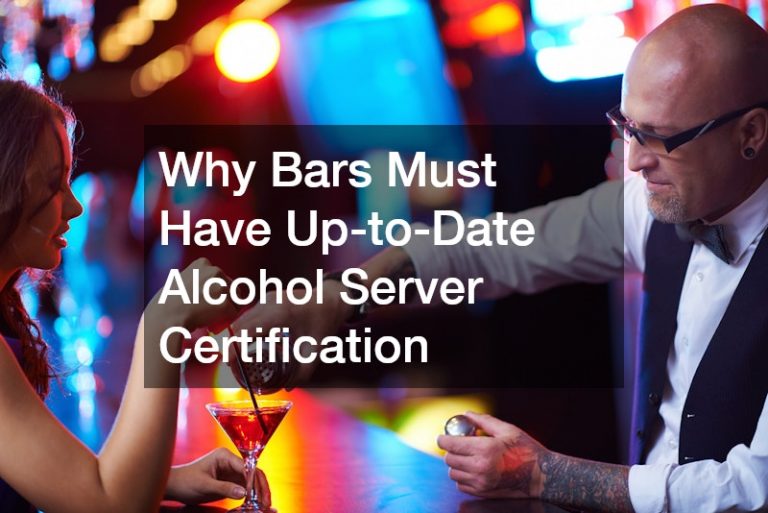
This article discusses the importance of maintaining an up-to-date alcohol server certification in bars. Ensuring compliance with certification requirements is vital for the longevity and success of any alcohol-serving establishment.
What is Alcohol Server Certification?
Definition and Overview
Alcohol server certification is a formal credential that verifies a server’s knowledge about responsible alcohol service. It aims to reduce the risks related to serving alcohol, including over-intoxication and underage drinking.
Many jurisdictions mandate this certification for establishments that serve alcohol, ensuring that servers are educated about compliance and safety issues. The certification programs typically cover legal requirements and best practices.
In essence, these certifications empower employees to make informed decisions, which in turn protects both patrons and the business. The importance of understanding alcohol-related laws cannot be overstated.
Types of Certifications Available
There are various types of alcohol server certifications, each designed to meet specific regulatory requirements. Programs like the ServSafe Alcohol Certification and TIPS (Training for Intervention Procedures) are popular choices.
Each certification type might have a specialized focus, such as preventing sales to minors, managing intoxicated patrons, or understanding legal obligations. The selection of a program should align with the specific needs of the business.
Additionally, online certification options provide flexibility and accessibility, making it easier for staff to stay current with requirements. This adaptability supports ongoing education and training, ensuring servers have up-to-date skills.
Why is Up-to-Date Certification Necessary?
Legal Requirements and Compliance
Maintaining up-to-date certification is crucial to adhere to the legal requirements that govern alcohol service. Non-compliance can lead to fines, legal action, or even the closure of the business.
Furthermore, many regions have laws that require periodic recertification to ensure the information remains current. This is particularly important as alcohol-related regulations can change frequently.
For businesses, adhering to these legal mandates is not just about meeting minimum requirements but also about reducing liability and enhancing operational integrity. It reflects a commitment to legal and ethical standards.
Impact on Business Reputation
Being compliant with certification requirements positively affects a bar’s reputation within the community. Customers are likely to perceive certified establishments as safer and more responsible.
Word of mouth and online reviews can significantly impact the business’s success, and knowing that staff are properly trained often enhances patron trust and loyalty. Conversely, failure to comply can result in negative publicity and lost customers.
Therefore, maintaining up-to-date certifications demonstrates a proactive approach to safety and responsibility. This solidifies the establishment’s reputation as a respected and valued part of the local hospitality industry.
What are the Risks of Not Having a Current Certification?
Legal and Financial Penalties
Failure to maintain current alcohol server certifications can result in severe legal and financial penalties. These can include fines, lawsuits, and even the forfeiture of the alcohol service license.
For small businesses, such financial strains can be unsustainable, potentially leading to closure. Regular certification and recertification help mitigate these risks and ensure compliance with the law.
Moreover, legal issues can arise from accidents or incidents directly linked to improper alcohol handling by uncertified staff. These problems can cause significant financial and reputational damage.
Increased Liability and Insurance Costs
Without current certifications, bars are exposed to greater liability risks, particularly if an incident occurs due to negligent service. Such incidents can lead to insurance claims or lawsuits.
Insurance companies might charge higher premiums to businesses perceived as high risk because of non-compliance. Therefore, up-to-date certifications can potentially lower insurance costs and liabilities.
This proactive approach to risk management not only protects the business’s bottom line but also ensures a safer environment for all patrons. Effective training is key to minimizing liability and its associated costs.
How Does Certification Benefit Staff and Patrons?
Improved Safety for Customers
Alcohol server certification enhances customer safety by equipping staff with the knowledge to responsibly serve alcohol. This includes recognizing signs of intoxication and preventing over-serving.
Certification programs teach staff how to effectively manage situations involving minors and intoxicated individuals. These skills are essential to maintaining a safe environment for both patrons and employees.
Ultimately, certification contributes to a positive customer experience while reducing the risk of alcohol-related incidents. Such prevention is vital for protecting both the bar’s patrons and its reputation.
Empowerment and Skills Development for Staff
Certification empowers staff by providing them with valuable skills and confidence in handling alcohol-related situations. This education elevates their professionalism and competence.
With certification, employees can acquire critical skills such as communication and conflict resolution, which are transferable to various roles within hospitality. Such skill development can lead to better job satisfaction and opportunities for career advancement.
The empowerment gained through certification fosters a positive workplace environment and promotes a culture of responsibility and excellence. Employees are more motivated to uphold the standards of service the business strives to deliver.
What are the Best Practices for Keeping Certification Up-to-Date?
Regular Training and Recertification Programs
Regular training sessions and periodic recertification are essential practices in maintaining up-to-date alcohol server certifications. These initiatives ensure that staff are knowledgeable about the latest laws and practices.
Establishments should establish a routine schedule for training that aligns with certification expiration dates. This organizes the learning process and minimizes the risk of any lapse in certification status.
Continuous education fosters a culture of awareness and compliance, ultimately benefiting both the staff and patrons. Regularly updated training content is crucial for keeping up with changing regulations.
Utilizing Online Resources and Tools
The digital age offers various online tools and resources that aid in keeping certifications current. These platforms provide flexibility and accessibility, making it convenient for staff to participate in necessary training.
Online courses often offer interactive and engaging content, making the learning process more effective. Employers can track staff progress and ensure completion using these online systems.
Utilizing technology to its fullest potential can streamline the certification process and support ongoing education. This ensures that servers remain proficient in their roles and adhere to industry standards.