Choosing the right home for your family is one of the most significant decisions you will make, and the options available today are more varied than ever. Many families are exploring alternatives to traditional site-built houses, especially as construction costs rise and customization becomes a priority. Modular homes have grown in popularity because they offer a unique blend of efficiency, affordability, and flexibility. Understanding whether this type of home fits your family’s needs requires evaluating lifestyle preferences, long-term plans, and financial considerations.
Before making a decision, it is important to understand how modular construction works, what features these homes offer, and how they compare to traditional builds. Families should also consider factors such as land requirements, design possibilities, maintenance demands, and the overall living experience. With the right information, you can determine whether a modular home aligns with your goals, budget, and long-term vision for your family’s living space.
Understanding What Modular Homes Offer
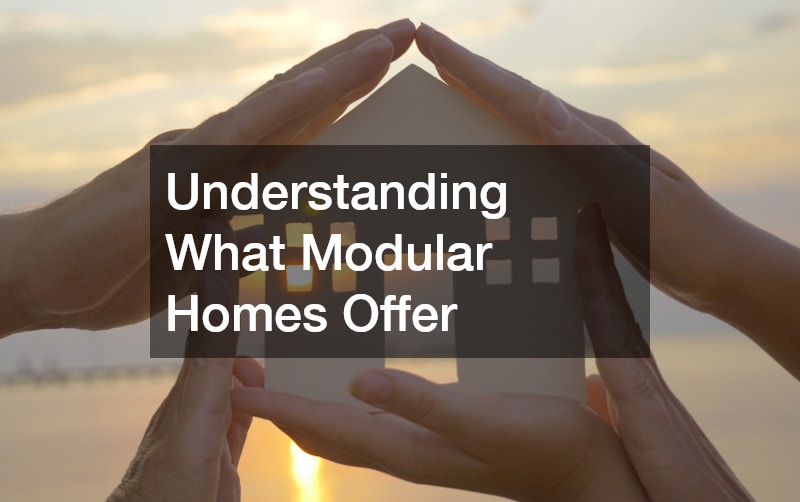
Modular homes provide a modern approach to residential construction by offering both quality and efficiency. Built in controlled factory environments, these homes are crafted with precision and then transported in sections to the home site for assembly. This process reduces waste, minimizes weather-related delays, and often results in faster construction timelines compared to traditional homebuilding. Modular homes typically comply with the same building codes as site-built houses, ensuring they meet strict safety and durability standards.
Families considering modular homes appreciate the blend of affordability and customization they provide. Because much of the construction occurs offsite, labor costs and production expenses are often lower, allowing homeowners to invest more in design features or functional upgrades. This makes modular construction especially attractive for families seeking a high-quality home without the lengthy timelines associated with traditional building.
Comparing Modular and Traditional Homebuilding
When evaluating modular and traditional home construction, one of the most important differences is the building environment. Traditional homes are constructed outdoors, exposing materials and workers to weather conditions that can cause delays and inconsistencies in craftsmanship. Modular construction, by contrast, benefits from a controlled factory setting where timelines are more predictable and quality can be closely monitored. Both methods produce strong, reliable homes, but modular building often delivers these results more efficiently.
Another comparison point involves preparing the property for additional features or improvements. For example, families planning a chain link fence install around their new home will follow similar steps regardless of the construction style, such as grading the land or mapping property boundaries. However, modular homes may allow homeowners to complete exterior upgrades sooner because interior construction is typically finished more quickly. Understanding these differences helps families determine which building method best aligns with their timeline, priorities, and long-term plans.
Evaluating Your Family’s Space and Layout Needs
One of the greatest advantages of modern modular construction is the freedom to choose a floor plan that fits your family’s daily routines and long-term needs. Families can select from layouts that include open-concept living areas, dedicated office spaces, extra bedrooms, large kitchens, and multi-use rooms. This flexibility allows homeowners to design a space that supports both current lifestyle patterns and future changes, such as growing children, multigenerational living, or the need for specialized rooms. Modular homes are engineered to maximize usable space, offering efficient designs that feel spacious and intentional.
When considering your needs, it can be helpful to explore features and upgrades through professionals such as an appliance dealer, who can assist in selecting energy-efficient or custom-fit appliances that align with your modular home’s layout. Because modular construction offers precise dimensions and customizable cabinetry options, appliances can be integrated seamlessly into the design. Planning for space usage early in the process ensures your home functions as beautifully as it looks, supporting your lifestyle with comfort and practicality.
Considering Budget and Financing Options
Budget is one of the most important factors when determining whether a modular home is right for your family. Modular construction is often more cost-effective than traditional building because it reduces labor hours, eliminates many weather-related delays, and streamlines the production process. These efficiencies can translate into lower overall project costs without sacrificing quality. Families working within a budget also appreciate that modular builders often provide transparent pricing, allowing you to understand your expenses upfront and avoid unexpected financial surprises during construction.
Financing a modular home follows similar processes to financing traditional homes, though some lenders may have unique requirements based on the construction timeline. As you plan your budget, you may also consider aesthetic investments such as adding a living room wallcovering to personalize interior spaces. These enhancements can be incorporated into the initial construction plan or added later as part of your finishing touches. By carefully evaluating financing options and planning for interior upgrades, families can create a home that aligns with both their financial comfort and design preferences.
Exploring Design Flexibility and Customization
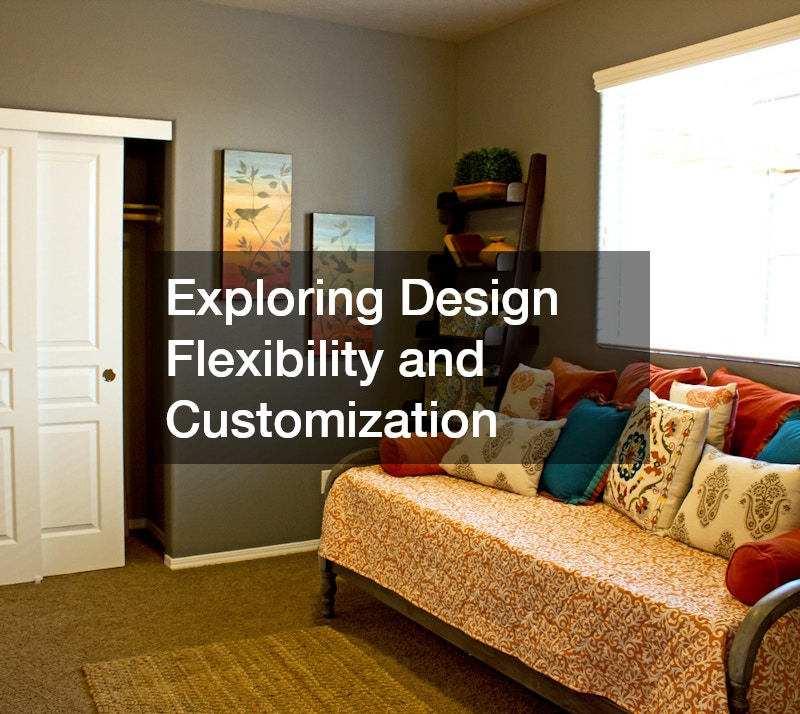
A common misconception about modular homes is that they offer limited customization, but modern modular construction has evolved dramatically. Today’s modular homes allow for extensive personalization, from exterior finishes and roof styles to interior layouts, cabinetry, flooring, and architectural accents. Whether your family prefers a contemporary aesthetic, a rustic farmhouse style, or something entirely unique, modular builders provide a wide range of design choices. Many companies use computer modeling to let homeowners visualize different configurations and color schemes before construction begins, ensuring a design that truly reflects your preferences.
Families often consult investment advisors when weighing the long-term value of custom features in their modular home. Certain upgrades, such as premium materials or high-efficiency systems, may offer stronger returns when it comes to resale value or future equity. Understanding which customizations enhance long-term financial stability can help guide your design decisions. By blending practical investments with personal touches, homeowners can create a modular home that is not only beautiful and functional but also financially beneficial for years to come.
Assessing Construction Timelines and Efficiency
One of the key reasons families consider modular homes is the significantly faster construction timeline compared to traditional builds. Because modular homes are manufactured in a controlled facility, production is not affected by weather delays, material shortages on-site, or unpredictable scheduling conflicts. This streamlined process allows most modular homes to be completed in a fraction of the time it takes to build a site-constructed home. Faster timelines mean families can move in sooner, reduce temporary housing costs, and avoid long periods of construction-related disruption.
Another advantage of controlled factory production is the ability to coordinate installations more efficiently, including essential systems such as heating and cooling. Many families work with HVAC companies during the planning phase to ensure that their modular home includes properly sized, energy-efficient climate control. Integrating HVAC planning early supports smoother coordination once the home is delivered to the site and assembled. The combination of controlled manufacturing and efficient system integration allows modular homes to offer unmatched speed without sacrificing quality.
Reviewing Durability and Long-Term Maintenance
Durability is a major consideration for families deciding whether a modular home is a worthwhile long-term investment. Modular homes undergo rigorous inspections and must meet the same building codes as traditional homes, ensuring structural strength and long-lasting performance. Because modules are transported long distances before installation, they are often reinforced more heavily than site-built homes, resulting in resilient framing and solid construction. With proper maintenance, modular homes can last just as long as conventional houses and offer reliable shelter for decades.
However, like any home, modular properties require routine care to stay in top condition. This may include foundational upkeep, system maintenance, and regular inspections of plumbing or septic systems. For example, scheduling septic pumping as recommended helps maintain healthy waste management and prevents costly damage. Staying proactive about long-term maintenance not only protects your investment but also ensures your modular home continues to provide comfort, safety, and efficiency over the years.
Understanding Energy Efficiency Benefits
Energy efficiency is another major reason families choose modular homes, as these structures are often built with advanced insulation, tightly sealed construction, and eco-friendly materials. Factory-built homes benefit from precision engineering that reduces air leaks and improves thermal performance. High-efficiency windows, doors, and HVAC systems can be incorporated seamlessly during the construction process, helping homeowners enjoy lower utility bills and a more comfortable indoor environment. Modular builders often incorporate green building standards that exceed those of traditional home construction.
Energy efficiency also extends to mechanical systems that support the home’s daily function. Many families coordinate with professionals who handle water heater repair or installation to ensure their modular home is equipped with efficient, modern systems. An energy-efficient water heater reduces operating costs and contributes to the home’s overall sustainability. When all components—from insulation to appliances—work together efficiently, homeowners benefit from a home that is both environmentally conscious and budget-friendly.
Identifying Land and Zoning Requirements
Before committing to a modular home, families must understand the land and zoning requirements that govern where these homes can be placed. Some municipalities have specific zoning classifications, foundation requirements, or architectural guidelines that dictate how and where modular structures can be installed. Researching these regulations early prevents costly delays or legal complications once construction begins. Families should consider factors such as lot size, utility access, soil stability, and neighborhood covenants to ensure their chosen property is compatible with modular home placement.
Land preparation may also involve evaluating utilities, site grading, or water quality. For example, families installing a modular home in rural areas often consult specialists who provide a water conditioning system to ensure the home has access to clean, safe, and properly balanced water. Addressing these infrastructure needs early helps homeowners avoid future expenses and ensures that their modular home performs efficiently from the moment they move in. Understanding the requirements and preparing the land thoroughly allows the installation process to proceed smoothly, creating a stable and permanent foundation for your new home.
Deciding Whether a Modular Home Fits Your Lifestyle
Choosing a modular home requires more than assessing costs and construction methods—it involves considering whether this type of living aligns with your family’s overall lifestyle. Modular homes appeal to families who appreciate efficiency, customization, and modern building techniques. They offer clean layouts, energy savings, and flexible floor plans that can adapt to various life stages. However, every family has unique preferences, and some may prioritize features or architectural styles more commonly associated with traditional site-built homes. Reflecting on your long-term lifestyle needs helps you determine if a modular home truly suits your vision of comfortable, functional living.
Another lifestyle factor involves how homeowners personalize their environment. Many families explore window tinting services to enhance privacy, reduce heat gain, or protect interior furnishings from UV exposure. These features are especially appealing for modular homeowners who desire both comfort and energy savings. Evaluating how home enhancements, automation options, and outdoor improvements fit into your daily routines allows you to create a modular home that feels fully customized to your lifestyle. When families take time to reflect on their habits, preferences, and future plans, they gain clarity on whether modular living supports their ideal way of life.
Deciding whether a modular home is right for your family is a deeply personal process, shaped by financial considerations, lifestyle preferences, design needs, and long-term goals. Modular homes offer unique advantages that appeal to many modern families, including faster construction timelines, energy-efficient designs, lower overall costs, and a high degree of customization. These homes are built to rigorous standards, provide impressive durability, and give homeowners the opportunity to design layouts that truly reflect the way they live. By exploring the many benefits and comparing them with traditional homebuilding, families gain a clearer understanding of the value modular construction provides.
However, choosing a modular home also requires careful research and thoughtful planning. Families must evaluate land requirements, understand zoning regulations, plan for utility connections, and consider financing options. Assessing lifestyle compatibility—such as desired design features, maintenance expectations, and long-term household needs—ensures that the home will continue to serve your family well for years to come. Just as with any major investment, taking time to weigh the pros and cons, consult professionals, and envision your daily life in a modular home will guide you toward a confident, well-informed decision.
Ultimately, modular homes offer an exciting and forward-thinking alternative for families seeking efficiency, affordability, and flexibility in their next home. With proper preparation, intentional planning, and a clear understanding of what modular construction entails, homeowners can enjoy a comfortable, sustainable, and beautifully designed living space. Whether your family is expanding, downsizing, or simply dreaming of a home that feels tailored to your lifestyle, modular construction provides a compelling option that blends modern convenience with long-lasting value.