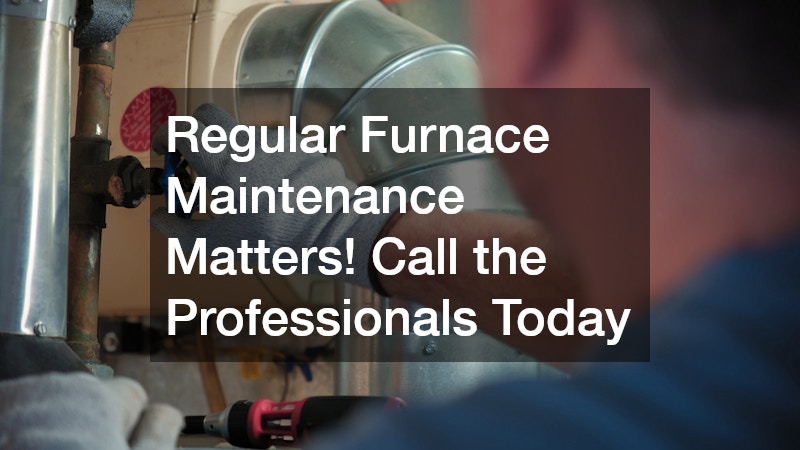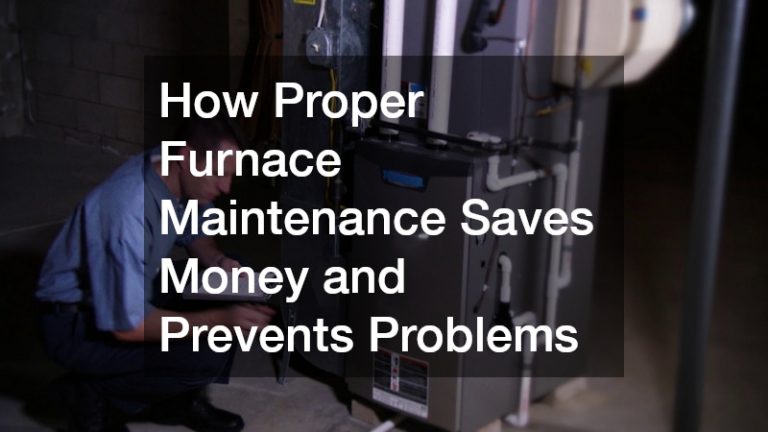
Furnace maintenance is a crucial yet often overlooked aspect of home care. Proper maintenance offers significant financial benefits by reducing the long-term costs associated with heating systems. It also plays an essential role in preventing unexpected problems that could lead to system failures or costly emergency repairs.
Why is Regular Furnace Maintenance Important?
Extending Furnace Lifespan
Regular maintenance can significantly extend the life of a furnace, protecting your investment. Furnaces that receive consistent care tend to operate efficiently for many more years compared to those that are neglected.
This translates into long-term savings by delaying the need for expensive replacements.
Maintenance ensures components are lubricated, cleaned, and functioning correctly, which is vital for prolonging the life of the heating system. Without regular check-ups, small issues can burgeon into severe problems, potentially reducing the lifespan of the furnace. Investing in routine HVAC services makes financial sense by preserving the functionality and longevity of your furnace.
The lifespan of a typical furnace is around 15 to 20 years, but regular maintenance can help meet or even exceed these expectations. With annual tune-ups, homeowners not only save money but also experience more reliable performance over the years. It’s a simple equation: the better you maintain your furnace, the longer it will serve you effectively.
Improving Energy Efficiency
A well-maintained furnace operates more efficiently, ensuring that energy is not wasted. Dirt, dust, and debris can build up in a neglected furnace, forcing it to work harder and consume more energy to produce the same amount of heat. This increased energy consumption directly impacts utility bills, making regular maintenance critical.
The cleaner and better-maintained a furnace is, the more efficient its performance will be, translating into lower energy costs. By scheduling regular HVAC services, homeowners can keep energy costs down, ultimately saving significant amounts over the heating season. Regular maintenance not only benefits your wallet but also reduces your home’s carbon footprint.
In today’s environmentally conscious world, energy efficiency is more important than ever. By optimizing furnace performance through consistent care, you’re minimizing wasted energy and environmental impact. The savings from reduced energy bills mean that maintenance costs are often recouped quickly, offering a clear financial incentive for regular furnace care.
Preventing Costly Repairs
Routine maintenance is an effective way to identify minor issues before they escalate into expensive repairs. Furnace systems contain numerous components that can wear down over time, but regular inspections can catch these issues early. Addressing problems promptly can help avoid costly emergency repairs and inconvenient breakdowns, especially during the cold winter months.
During regular HVAC services, technicians can spot signs of trouble such as worn belts, crackling noises, or other anomalies that might be missed by the untrained eye. Preventive measures during maintenance visits can prevent problems from becoming severe, often saving homeowners from unexpected financial burdens. Overall, regular maintenance ensures peace of mind by stabilizing the operation of your furnace.
The cost of annual maintenance is significantly lower compared to emergency repair bills or a complete system replacement. Routine check-ups add a layer of protection, offering an assurance that your heating system will remain functional and safe. Investing in preventative maintenance is not just a financial decision; it’s a smart strategy for protecting your home and your budget.
What are the Key Elements of Furnace Maintenance?
Cleaning and Replacing Filters
One of the simplest yet most crucial aspects of furnace maintenance is regular filter cleaning and replacement. A dirty or clogged filter can impede airflow, causing the furnace to work harder than necessary and potentially leading to overheating. Regular filter checks and replacements help maintain optimal performance and efficiency.
The process of filter maintenance is straightforward and can often be conducted as a DIY task with basic tools. It’s recommended to check the filter every month and replace it as needed, typically every three months, to maintain system efficiency. Clean filters not only improve furnace operation but also enhance indoor air quality, benefiting household health and wellness.
A clean filter enables smooth airflow and keeps the heating system trouble-free, potentially reducing dust and allergen levels in the home. Skipping filter maintenance can lead to bigger system impairments and higher energy consumption. Thus, attention to filter maintenance is an indispensable part of effective furnace care.
Inspection of Components
A comprehensive furnace inspection is a vital component of maintaining furnace health. This process involves a detailed examination of critical parts such as the burners, heat exchangers, and fuel lines. Technicians conducting HVAC services focus on spotting potential issues like cracks in the heat exchanger or problems with electrical connections.
Regular inspection prevents safety risks such as gas leaks or carbon monoxide leaks, which can have serious implications if left unchecked. A thorough check of all components can identify inefficiencies or malfunctions that need immediate attention. Professionals have the tools and expertise to accurately assess and address problematic areas, ensuring the furnace operates safely and efficiently.
Neglecting these inspections can lead to deteriorating performance and an increased risk of breakdowns. By scheduling annual inspections, homeowners can prevent minor faults from developing into more serious concerns. Ultimately, regular component checks translate to a smoother, longer-lasting operation of your furnace.
Testing and Adjustments
Testing and necessary adjustments are fundamental to ensuring a furnace runs safely and efficiently throughout its operational life. Regular calibration helps in maintaining the furnace’s optimal heating levels, verifying that it responds accurately to thermostat commands. HVAC services often involve adjustments to encompass both mechanical performance and fuel efficiency.
During maintenance visits, professionals test safety controls, temperature differentials, and other operational standards. These assessments can signal when a part is due for replacement or adjustments, maintaining the balance between performance and efficiency. Any deviations detected during testing necessitate prompt corrective action to prevent future problems.
The process might include adjusting fan belts, checking system airflow, and calibrating fuel mixtures to ensure efficient combustion. Adjustments reduce wear and tear on the system, allowing it to function smoothly and safely. Proper testing and adjustment not only maintain comfort levels but also maximize cost savings over the appliance’s life.
How Often Should Furnace Maintenance Be Performed?
Seasonal Maintenance Schedule
Establishing a seasonal maintenance schedule is essential for keeping a furnace in top condition. Furnace maintenance should ideally be conducted once a year, typically before the heating season begins in late summer or early fall. This timing ensures that any required work can be completed before the furnace sees its most frequent use.
Seasonal checkups offer an opportunity to prepare the furnace for the winter months, ensuring it’s functioning optimally when needed most. Each maintenance routine should address cleaning, inspecting, and testing to ensure peak performance when demand for heat is highest. Emphasizing a predetermined schedule helps in avoiding the last-minute rush and keeps your system in constant readiness.
Having a set maintenance schedule creates a proactive approach to furnace care, ensuring that no component is overlooked. Sticking to a schedule can prevent unexpected breakdowns that occur when systems are subjected to peak operational stress. Ultimately, maintaining a routine enhances reliability and prolongs the system’s life.
Signs That Indicate Immediate Maintenance
Even with a regular maintenance schedule, certain signs suggest the need for immediate attention. Unusual noises such as banging or rattling, unexpected increase in energy bills, or inconsistent heating are common indicators that the furnace may need urgent care. Other signs include frequent cycling on and off, low airflow, or the presence of strange odors when the furnace is operating.
Addressing these signs promptly can prevent minor issues from escalating into major, costly repairs. If you notice any of these symptoms, it’s advisable to seek professional HVAC services without delay. Quick responses can save on repair costs, enhance safety, and ensure uninterrupted comfort during colder months.
Moreover, ignoring such warning signs might also bring safety risks, such as exposure to carbon monoxide. Always consult professionals when faced with problematic symptoms to ensure a safe diagnosis and effective resolution. Immediate maintenance can be the key to avoiding unexpected future inconveniences.
Professional vs. DIY Maintenance
When considering furnace maintenance, homeowners often weigh the benefits of professional versus do-it-yourself (DIY) care. Professional HVAC services come with expertise and advanced tools that typically result in thorough maintenance. Technicians can spot issues or inefficiencies that may not be evident to the average user, providing a comprehensive service that includes safety checks and repairs.
On the other hand, DIY maintenance is a budget-friendly option, allowing homeowners to tackle basic tasks like filter changes or thermostat checks. However, without professional training, the risk of missing critical problems or incorrect handling can sometimes outweigh the savings. For major tasks or complex systems, professional attention is recommended to ensure ongoing safety and operational compliance.
Ultimately, a balanced approach combining professional annual maintenance with routine DIY checks offers effective furnace care. This hybrid model delivers both cost savings and expert-level assurance, ensuring that your furnace remains in peak condition. While DIY steps are useful for simpler tasks, leveraging professional expertise benefits both energy efficiency and appliance longevity.
Regular and proper furnace maintenance is an invaluable practice that not only saves homeowners money but also fortifies against future problems. Through extending the furnace’s lifespan, improving energy efficiency, and preventing costly repairs, maintenance offers a return on investment that’s both immediate and long-term. Engaging in regular HVAC services is a decision that ensures safety, enhances comfort, and promotes financial savings for every homeowner. The holistic approach to furnace care ultimately results in a reliable, efficient heating system ready for any season.