Most people think of hoarding as a private struggle contained within four walls. In reality, its effects rarely stay confined to a single property. When clutter overtakes a home, the consequences can ripple outward—impacting neighbors, property values, and even public safety.
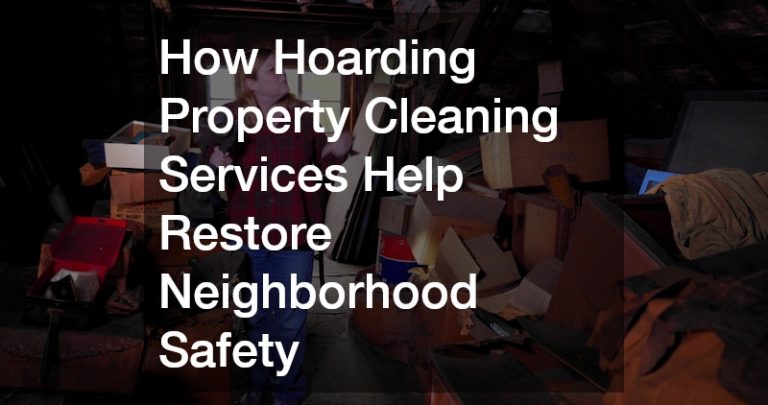
A severely hoarded property can create structural hazards, fire risks, pest infestations, and sanitation issues that extend beyond the individual homeowner. In these situations, hoarding property cleaning services do far more than remove debris. They help stabilize environments that may have quietly become unsafe for an entire neighborhood.
It often starts subtly. Neighbors notice overflowing trash bins, unusual odors, or rodents darting between yards. Over time, those small concerns turn into larger problems: emergency responders struggling to access a home, code enforcement stepping in, or families next door worrying about their children’s safety. Restoring order isn’t simply about cleanliness—it’s about restoring peace of mind for everyone nearby.
Understanding The Safety Risks To Communities
The safety risks tied to hoarding are rarely cosmetic. They are practical and sometimes dangerous.
Excessive accumulation of items inside a home can:
- Block exits and hallways, creating life-threatening fire hazards
- Add excessive weight to floors, increasing collapse risks
- Trap moisture and encourage mold growth
- Provide nesting areas for rodents and insects
- Obstruct access for emergency medical personnel
When clutter spills into yards or garages, those risks expand. Neighbors may experience pest migration, foul odors, or drainage problems that affect multiple properties. In dense communities, one neglected home can quickly become a shared issue.
The Turning Point For Concerned Neighbors
For many neighborhoods, there is a moment when quiet concern turns into collective anxiety.
Maybe a small kitchen fire spreads rapidly because the pathways were blocked. Maybe a paramedic cannot reach a patient in time due to obstructed access. Or perhaps city officials post notices after repeated complaints. These situations often feel overwhelming for everyone involved.
Homeowners struggling with hoarding may feel shame or fear, which can delay action. Neighbors may hesitate to speak up, unsure how to help without causing conflict. A professional team provides neutrality. They bring structured processes, protective equipment, and a plan that prioritizes safety while maintaining dignity.
How Professional Cleanup Restores Stability
Restoring a hoarded home is rarely a one-day effort. It involves careful coordination, safety planning, and methodical removal.
A typical stabilization process may include:
- Securing the property and assessing immediate hazards
- Removing debris in phases to prevent structural stress
- Identifying biohazards such as mold or contaminated materials
- Deep cleaning and disinfecting affected areas
- Coordinating repairs where structural damage exists
This systematic approach is why hoarding cleanup services are so valuable in community settings. They understand how to work safely in compromised environments and how to prevent secondary problems during removal.
For example, abruptly clearing large amounts of clutter from one side of a home can shift weight and destabilize flooring. Professionals account for these risks. They also ensure that contaminated materials are disposed of properly, reducing the chance of environmental spread.
Protecting Property Values And Public Health
Visible neglect can reduce buyer confidence and lower surrounding property values. Potential homeowners may worry about hidden issues or ongoing community disputes. Over time, one unresolved property can affect long-term investment in the area.
More importantly, untreated hoarding can introduce public health risks. Rodent infestations, mold spores, and unsanitary conditions do not respect property lines. In warmer months, especially, these issues can escalate quickly.
Professional hoarding property cleaning services help interrupt that decline. By restoring sanitary conditions and addressing structural damage, they help protect both health and economic stability within the community.
Municipalities also benefit. Code enforcement cases are resolved more efficiently, emergency services face fewer obstacles, and neighborhood complaints decrease. What began as a private struggle becomes a coordinated recovery effort.
Supporting Long-Term Community Recovery
Restoration does not end when the last truck leaves the driveway. Sustainable improvement often requires follow-up steps that support the homeowner and the surrounding community.
In many successful cases, property owners are connected with:
- Mental health or counseling resources
- Ongoing organizational support
- Regular property inspections
- Maintenance plans to prevent recurrence
Hoarding cleanup services frequently collaborate with social workers, family members, and local agencies to ensure that progress lasts. This collaborative model reduces the likelihood of repeat hazards and fosters healthier living conditions.
For neighbors, long-term recovery means renewed trust. Children can play outside without concern. Outdoor gatherings feel comfortable again. Emergency vehicles can access homes freely. These subtle improvements restore a sense of normalcy that may have been missing for years.
Moving Forward With Compassion And Accountability
Addressing hoarding within a community requires a balance of compassion and accountability. It is easy to focus solely on frustration or inconvenience, but behind every hoarded property is a person facing complex challenges.
Professional intervention allows communities to act responsibly without escalating conflict. By engaging experienced hoarding property cleaning services, neighborhoods can move from tension to resolution in a structured and respectful way.
When handled properly, cleanup is not about erasing someone’s struggles—it is about preventing those struggles from creating broader harm. Safer homes mean safer blocks. Clear exits mean faster emergency response. Sanitary conditions mean fewer health risks for everyone.
In the end, restoring a single property often restores much more than curb appeal. It rebuilds stability, strengthens neighborhood cohesion, and ensures that safety is shared—not compromised—by the entire community.