Owning a home means more than enjoying a comfortable place to live, it means protecting a complex system of structures, utilities, and features that all depend on regular care. From managing water quality to maintaining indoor comfort and safeguarding against unexpected damage, proactive maintenance can prevent expensive emergencies and extend the life of your home’s most critical components.
This guide takes a practical, homeowner-focused approach to year-round protection. Instead of reacting to breakdowns, you’ll learn how to plan ahead, recognize early warning signs, and coordinate services so your home stays safe, efficient, and comfortable in every season.
Keeping Pools Safe and Chemically Balanced

A well-maintained pool is not just about clear water, it’s about protecting surfaces, equipment, and swimmers’ health. Poor chemical balance can quietly cause corrosion, scaling, and premature wear, leading to costly fixes down the line. One increasingly popular option for maintaining stability is swimming pool CO2 systems, which offer a controlled way to manage pH without relying solely on traditional chemicals. These systems reduce the risk of over-chlorination and help maintain a comfortable swimming environment, making them especially valuable for homeowners with sensitive skin or frequent swimmers.
Actionable steps homeowners can take include:
-
Test pool water regularly: Weekly checks during peak swimming months and biweekly tests during cooler seasons help you detect imbalances before they worsen. Measure pH, alkalinity, chlorine levels, and calcium hardness consistently.
-
Monitor for warning signs: Cloudy water, eye or skin irritation, algae growth, and rough pool surfaces are indicators that chemical levels are off. Catching these early prevents more serious issues.
-
Maintain detailed logs: Keeping records of water chemistry, treatments, and system adjustments allows you to identify trends, spot recurring problems, and plan preventive maintenance.
-
Combine automation with manual checks: Automated feeders, sensors, and CO2 systems can simplify daily maintenance, but they aren’t foolproof. Inspect injectors, flow meters, and sensor calibration periodically to ensure they’re working correctly.
-
Adjust seasonally: Temperature fluctuations, heavy rain, and pool usage changes can affect water chemistry. Seasonal recalibration of chemicals and CO2 inputs helps maintain consistent balance year-round.
-
Inspect equipment and surfaces: Check pumps, filters, and pool liners regularly. Balanced water prevents corrosion and scaling, prolonging the life of both the pool and its equipment.
By combining regular testing, careful monitoring, and the right technology, homeowners can enjoy safe, sparkling pools while reducing long-term maintenance costs.
Addressing Pool Issues Before They Escalate
Even a small pool issue can quickly become a major expense if left unaddressed. Swimming pool repair is often most affordable when handled early, before leaks or mechanical failures spread to surrounding structures, landscaping, or pool equipment. Minor cracks in tiles or coping can worsen over time, water leaks can erode pool foundations, and failing pumps can strain electrical systems. Addressing these problems early not only reduces repair costs but also minimizes disruption to pool use.
Homeowners should build a habit of visual and functional checks, such as:
-
Inspect tile lines and coping: Look for cracks, shifting, or loose tiles, especially along high-traffic areas. Small repairs now prevent larger re-tiling projects later.
-
Monitor water levels: A drop in water levels may indicate a slow leak, which can worsen silently if ignored. Tracking changes over time helps identify issues before they compromise pool structure.
-
Listen to pumps and filters: Unusual sounds, grinding, rattling, or excessive vibration, can signal motor wear, clogged impellers, or other mechanical problems that worsen if left unchecked.
-
Check drains, ladders, and steps: Safety hazards like weakened steps or faulty drains can cause injuries. Regularly inspecting these features ensures swimmers remain safe.
Proactive repair does more than save money, it protects safety and prolongs equipment life. Scheduling professional inspections at least once a year, ideally before peak swimming season, helps catch hidden issues that aren’t visible during casual use. Pairing professional evaluation with routine homeowner checks ensures small problems are corrected quickly, maintaining a safe, efficient, and enjoyable pool environment year-round.
Improving Water Quality Throughout the Home

Water quality impacts nearly every part of a home, from appliances and plumbing to personal health. Poor water quality can lead to scaling in pipes, reduced efficiency of water heaters, staining on surfaces, and even affect taste and safety for drinking and cooking. In certain situations, mobile reverse osmosis treatment offers a flexible solution, especially during renovations, emergency refills, or when permanent systems aren’t feasible. These mobile systems allow homeowners to maintain high-quality water without the upfront cost or installation time of permanent filtration units.
This type of treatment can be particularly helpful when:
-
Refilling pools or large water features: Temporary RO systems remove minerals and contaminants that could affect chemical balance, reduce equipment lifespan, or promote algae growth.
-
Addressing temporary contamination concerns: Whether from municipal water issues or localized disturbances in plumbing, mobile treatment ensures that sensitive appliances or areas receive safe, purified water.
-
Supporting construction or remodeling projects: During home renovations, dust, debris, or temporary water line modifications can introduce impurities. Using treated water for mixing materials, cleaning, or flushing pipes protects both work quality and plumbing infrastructure.
To get the most benefit, homeowners should:
-
Test source water before and after treatment: Understanding baseline water quality ensures that RO treatment is effective and helps identify ongoing issues.
-
Coordinate scheduling to avoid service interruptions: Planning treatment around peak household water use prevents inconvenience while maintaining consistent water quality.
-
Use treated water strategically where purity matters most: Appliances like ice makers, water heaters, or coffee machines, as well as finishing touches in construction or pools, benefit most from purified water.
While mobile reverse osmosis is not a replacement for long-term filtration in every case, temporary solutions play an important role in protecting surfaces, equipment, and plumbing during high-risk periods. By integrating mobile treatment into home improvement or maintenance plans, homeowners can reduce mineral buildup, prevent corrosion, and maintain healthier water for both everyday use and specialized projects.
Preventing Scale Buildup and Surface Damage
Hard water can silently damage pool finishes and equipment through scale buildup. Over time, calcium and other minerals accumulate on pool surfaces, plumbing lines, heaters, and filters, reducing efficiency and creating rough, unsightly surfaces. Learning how to lower calcium hardness in pool water is essential not only for aesthetics but also for the long-term performance and lifespan of pool equipment. Left unchecked, scale can lead to clogged pipes, decreased water circulation, and higher energy bills due to inefficient heating systems.
Practical steps homeowners can take include:
-
Using reliable test kits to track calcium levels regularly: Consistent monitoring helps detect trends before mineral buildup becomes severe. Tracking alkalinity, pH, and calcium hardness together ensures a balanced water chemistry.
-
Draining and diluting water when levels become excessive: Partial water replacement can be an effective way to lower hardness without resorting to harsh chemical treatments. This is particularly useful in regions with naturally hard water.
-
Balancing other chemical factors to prevent rapid re-accumulation: Proper pH, alkalinity, and sanitizer levels prevent calcium from precipitating out of the water and forming scale. Adjusting these factors in tandem helps maintain a stable, healthy pool environment.
-
Routine equipment inspection and cleaning: Regularly checking filters, pumps, and heater components for early signs of scaling allows for timely maintenance and prevents long-term damage.
Ignoring hardness issues often leads to rough surfaces, clogged components, and reduced efficiency, which can quickly become costly to repair. Addressing the root cause, rather than just treating symptoms, creates a more manageable pool environment and prolongs the life of both surfaces and equipment. Additionally, proactive scale management improves swimmer comfort and water clarity, making the pool safer and more enjoyable for family and guests. By combining careful monitoring, preventive maintenance, and strategic water management, homeowners can reduce mineral buildup and maintain a sparkling, efficient pool year-round.
Preparing Your Home for Cold Weather Comfort

Heating systems are often taken for granted until they fail during the coldest days of the year. Proper heating installation plays a critical role in energy efficiency, indoor comfort, and long-term reliability. A well-planned system ensures every room stays evenly heated, prevents drafts, and minimizes energy costs, while a poorly sized or improperly installed system can leave certain areas too cold and others overly warm.
Homeowners planning upgrades or replacements should focus on:
-
Choosing systems sized correctly for their home: A system that is too small will struggle to heat the space efficiently, while an oversized system cycles too frequently, wasting energy and putting strain on components. Professional load calculations can determine the ideal size based on square footage, insulation, and local climate.
-
Ensuring ductwork and insulation are evaluated at the same time: Leaky ducts or inadequate insulation reduce system efficiency. Inspecting and sealing ductwork, adding insulation where needed, and checking for air leaks around windows and doors maximizes the heating system’s effectiveness.
-
Scheduling installations during off-peak seasons when possible: Early fall or late summer installations allow contractors to respond quickly and reduce scheduling conflicts during peak winter demand.
Routine pre-winter checks can prevent emergency breakdowns and costly repairs. Replace filters, inspect vents, and confirm thermostats are calibrated correctly. Also, consider cleaning the heat exchanger, checking for unusual noises in the blower, and testing safety controls. A well-installed and maintained heating system doesn’t just provide warmth, it reduces energy waste, maintains consistent indoor temperatures, and enhances overall home comfort. By addressing both equipment and home envelope factors, homeowners can enjoy reliable, efficient heat all winter long while protecting their investment.
Maintaining Reliable Hot Water Access
Hot water disruptions can affect daily routines, sanitation, and even appliance performance. Timely water heater repair is key to avoiding sudden failures and costly replacements.
Warning signs homeowners shouldn’t ignore include:
-
Inconsistent water temperatures
-
Unusual noises from the tank or unit
-
Discolored or rusty water
Regular maintenance tasks such as flushing sediment buildup and checking pressure relief valves can significantly extend a system’s life. When repairs are addressed early, homeowners often avoid the need for full replacement and maintain steady performance year-round.
Protecting Your Home from the Top Down
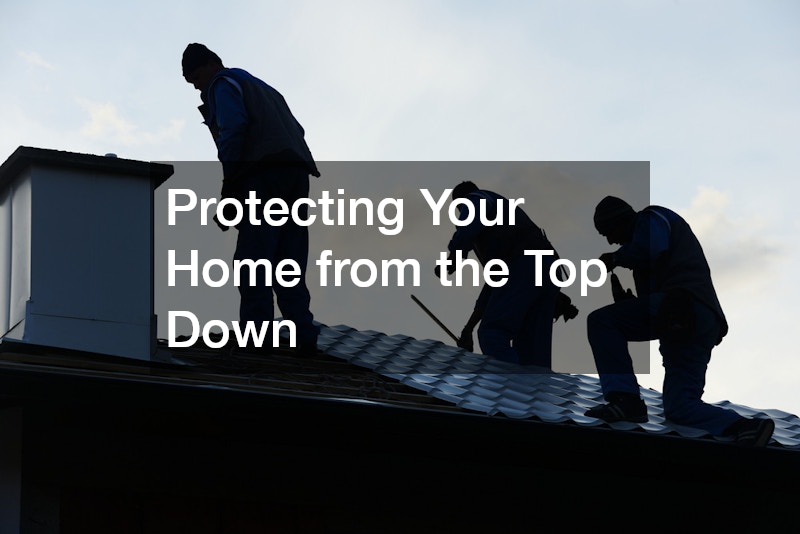
The roof is one of the most critical barriers protecting your home from the elements, yet it’s also one of the most overlooked. Working with a trusted roofing company for routine inspections can prevent water intrusion, mold growth, and structural damage.
Homeowners should schedule inspections:
-
After major storms
-
At least once per year for older roofs
-
Before undertaking insulation or attic upgrades
Early detection of issues like missing shingles or deteriorating flashing helps prevent interior damage that’s far more expensive to repair. Roof health also affects energy efficiency, making it an important part of a whole-home maintenance strategy.
Managing Indoor Comfort Through All Seasons
Consistent indoor comfort relies on more than temperature control, it depends on airflow, humidity management, and system efficiency. Regular ac services ensure cooling systems operate reliably during peak demand while supporting indoor air quality.
Helpful maintenance practices include:
-
Cleaning or replacing filters monthly during heavy use
-
Keeping outdoor units clear of debris
-
Scheduling professional tune-ups before summer begins
Balanced heating and cooling maintenance reduces strain on equipment and lowers utility costs. When systems are cared for proactively, homeowners experience fewer breakdowns and more consistent comfort throughout the year.
Planning Durable Living Spaces from the Start
Alternative residential designs require thoughtful planning to ensure durability and efficiency. Working with experienced barndominium builders can help homeowners address unique challenges related to insulation, moisture control, and system integration.
Key considerations during planning include:
-
Selecting materials suited for local climate conditions
-
Designing layouts that support efficient heating and cooling
-
Integrating plumbing and electrical systems early
Well-planned construction reduces long-term maintenance demands and creates flexible living spaces that adapt to changing needs. Early coordination between builders and service providers helps prevent costly retrofits later on.
Responding Quickly to Unexpected Water Damage
Water damage can escalate rapidly, affecting structural components and indoor air quality. Knowing when to call a water damage restoration service, and how to respond immediately, can significantly reduce long-term impact.
Immediate homeowner actions should include:
-
Shutting off the water source if possible
-
Documenting damage for insurance purposes
-
Removing excess water when safe to do so
Fast professional response helps prevent mold growth and secondary damage. Long-term prevention strategies, such as routine plumbing inspections and moisture monitoring, further reduce the risk of future incidents.
Protecting your home year-round requires a proactive mindset and a coordinated approach to maintenance. By understanding how systems interact and addressing small issues early, homeowners can avoid costly emergencies, extend the life of their investments, and enjoy greater peace of mind. A well-maintained home isn’t just more comfortable, it’s more resilient, efficient, and prepared for whatever the seasons bring.