
When a rental property owner hears about a maintenance issue, they usually get a watered-down version of the story. Tenants often delay reporting problems, downplay symptoms, or attempt their own fixes before ever picking up the phone. By the time a landlord finds out, a small leak or minor crack may have already turned into a costly repair. Understanding what tenants typically leave out can help property owners catch problems earlier, budget more accurately, and protect their investment before small issues spiral out of control.
Slow Leaks That Tenants Assume Will Fix Themselves
Tenants frequently notice a dripping faucet or a damp cabinet under the sink and simply place a bucket underneath instead of reporting it. They assume the issue is minor or worry that reporting it will make them look careless, so weeks or months pass before a landlord hears anything. By that point, what could have been a quick fix has often caused warped flooring, mold growth, or damaged subflooring that costs far more to repair.
Calling in plumbing companies at the first sign of moisture, rather than waiting for a tenant to escalate the issue, is almost always cheaper in the long run. A licensed plumber can identify whether a leak is isolated or connected to a larger pipe issue behind the wall. Property owners who build a habit of scheduling routine inspections tend to catch these silent leaks long before tenants ever mention them.
- Cabinet doors that stay open more often than usual can be a sign tenants are airing out dampness
- Water stains on ceilings below bathrooms are often reported weeks after they first appear
- A sudden increase in the water bill is a red flag even if no leak has been reported
- Musty odors are frequently ignored by tenants who assume it is just an old building smell
Cracked Windows and Glass Damage Tenants Hope You Will Not Notice
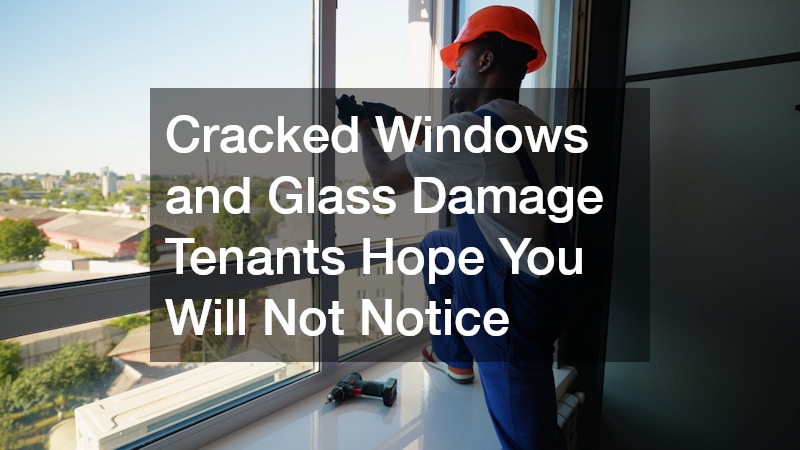
A cracked window pane is one of the most commonly hidden maintenance issues because tenants often worry they will be blamed and charged for the damage. Instead of reporting it right away, some tenants will tape over the crack, block it with furniture, or simply hope it goes unnoticed during a walkthrough. Unfortunately, a small crack in glass can spread quickly with temperature changes, especially during seasonal shifts from hot days to cool nights.
Working with reputable glass companies for a quick assessment can prevent a hairline crack from becoming a full pane replacement. Many glass companies also offer energy-efficient upgrades during repairs, which can lower utility costs and make the unit more comfortable for future tenants. Addressing glass damage promptly also reduces the risk of injury, which matters both for tenant safety and liability protection.
Roof Leaks Tenants Mistake for Something Else Entirely
Tenants living on the top floor often notice a small water spot on the ceiling long before they mention it, sometimes mistaking it for condensation or an air conditioning issue rather than a roofing problem. Because roof damage is not always visible from inside the unit, tenants may not realize the severity until the ceiling begins to sag or peel. This delay in reporting is one of the most expensive gaps in the entire landlord-tenant maintenance relationship.
Bringing in roofing companies for an annual inspection, especially after major storms, can catch damaged shingles or flashing before they cause interior leaks. Roofing companies can also spot early signs of wear near vents and chimneys, areas that tenants would never think to check. Regular roof maintenance is one of the most effective ways to avoid the kind of surprise repair bills that come from long-ignored leaks.
- Brown or yellow ceiling stains often appear well after the leak has started
- Peeling paint near ceiling corners can indicate trapped moisture
- Tenants rarely check attic spaces, so hidden leaks can go unnoticed for months
- Missing or curled shingles are best identified by a professional, not a tenant walkthrough
Septic and Sewer Problems Tenants Try to Manage Alone

Slow drains, gurgling toilets, or unpleasant odors near the yard are often signs of a failing septic system, yet tenants frequently try home remedies like store-bought drain cleaners before ever contacting the property owner. These temporary fixes can mask the problem for a while, but they rarely address the underlying issue and can sometimes make it worse. By the time a landlord is contacted, raw sewage backup or standing water in the yard may already be a health hazard.
In older properties, ignoring the early warning signs can eventually lead to full septic tank replacement, which is a significant expense compared to routine pumping and inspection. Tenants are usually unaware that septic systems need regular maintenance and often assume any issue is purely cosmetic or a plumbing quirk. Property owners who schedule proactive septic inspections tend to avoid the costly surprise of a total system failure.
Water Damage Tenants Try to Dry Out Themselves
After a small flood, spill, or appliance leak, many tenants will grab towels and a fan and consider the problem solved without realizing that moisture can linger inside walls and flooring for weeks. This do-it-yourself approach often leads to hidden mold growth that is far more expensive to remediate than the original water event. Tenants rarely mention these incidents unless visible damage remains, which means landlords are often the last to know.
Professional water damage restoration involves specialized equipment like moisture meters and industrial dehumidifiers that can detect and dry areas a tenant would never think to check. Waiting too long to bring in water damage restoration specialists can allow mold spores to spread into HVAC systems, affecting air quality throughout the entire unit. Encouraging tenants to report any water incident immediately, no matter how minor it seems, is one of the simplest ways to avoid a much larger repair bill later.
- Warped baseboards are a common sign of water damage tenants overlook
- A musty smell that lingers after cleaning often means moisture is trapped inside walls
- Bubbling paint or drywall indicates water has already soaked into the material
- Tenants often wait to report appliance leaks until they notice a spike in utility bills
Garage Doors and Structures Tenants Avoid Reporting
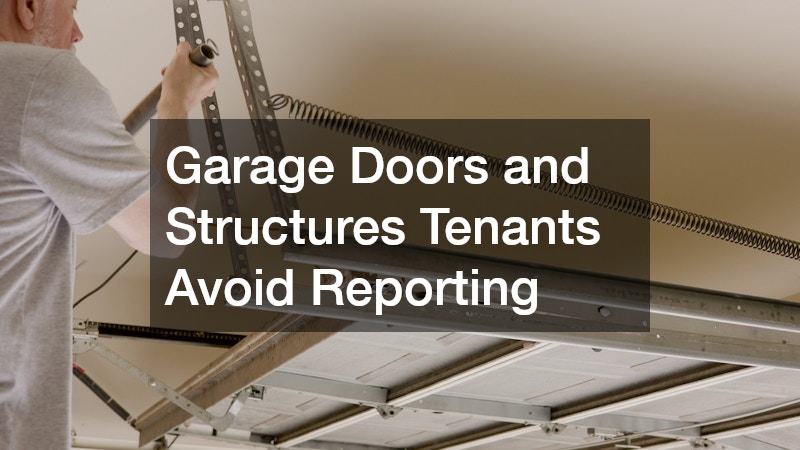
A garage door that sticks, makes grinding noises, or occasionally fails to close all the way is often something tenants live with rather than report, especially if they have found a workaround like lifting it manually. This is risky because a malfunctioning garage door can pose a safety hazard, particularly if the spring or cable is close to failing. Tenants may also avoid mentioning structural issues with an aging garage, like a garage builder identifying that the walls have shifted, because they worry it might not affect their daily life directly.
Scheduling a professional garage door repair service at the first sign of resistance or unusual noise can prevent a full spring failure, which is both more expensive and more dangerous to fix. Many garage door issues start small, such as a misaligned track or worn rollers, and are quick to correct when caught early. Property owners should treat any tenant mention of garage door trouble as a priority rather than something to schedule for later.
Overgrown Yards and Drainage Issues Tenants Rarely Flag
Tenants often view yard maintenance as a cosmetic issue rather than a structural one, so they may not think to mention that water is pooling near the foundation after every rainstorm. Overgrown landscaping can also hide larger problems, such as tree roots creeping toward a foundation or a sprinkler system leaking underground. Because tenants are not always responsible for lawn care in a rental agreement, they may simply ignore signs of poor drainage rather than report them.
A regular landscaping service does more than keep a property looking presentable, it also helps identify early warning signs like erosion, standing water, or root intrusion near pipes. Landscaping professionals are often the first to notice subtle grading issues that could lead to basement flooding if left unaddressed. Property owners who invest in consistent outdoor maintenance often catch these problems long before they become expensive repairs.
Heavy Appliance and Equipment Damage Tenants Do Not Mention
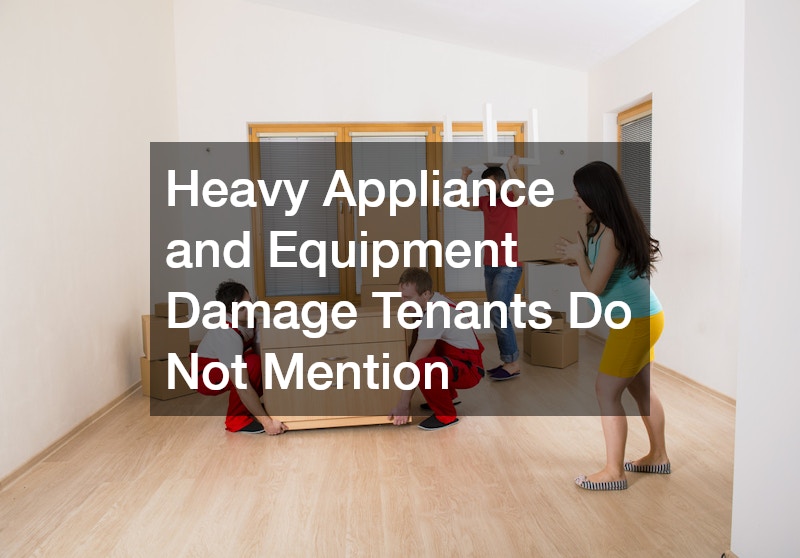
When tenants move furniture, install a hot tub, or bring in heavy equipment without proper planning, they can unintentionally damage flooring, doorframes, or even structural supports. These incidents are rarely reported because tenants often do not connect the damage to the way the item was moved in the first place. Scuff marks, cracked tile, or dented walls are usually chalked up to normal wear and tear rbetween move-outs.
For larger or heavier items, professional machinery moving services use equipment like dollies, ramps, and floor protection that tenants typically do not have access to on their own. Encouraging tenants to request help for heavy moves, rather than attempting it themselves, can prevent damage that often goes unnoticed until a final walkthrough. Clear lease language about proper moving procedures can help set expectations before a problem occurs.
Faded Exteriors and Peeling Paint Tenants Consider Cosmetic Only
Tenants tend to assume that peeling or faded exterior paint is purely an appearance issue and rarely think to report it as a maintenance concern. Since it doesn’t affect their daily comfort inside the unit, it simply doesn’t register as something worth mentioning during a routine check-in or maintenance request. In reality, deteriorating paint is often the first visible sign of a much bigger problem. Paint acts as a protective barrier, and once it cracks or wears thin, wood siding and trim are exposed to rain, humidity, and UV damage. Over time this can lead to rot, warping, swelling around window frames, and even pest infestations, since insects like carpenter ants and termites are drawn to softened, moisture-damaged wood. The cost difference between catching this early and letting it go unnoticed is significant. A fresh coat of paint might run a few hundred dollars, but replacing rotted siding or repairing structural trim can quickly climb into the thousands. Because tenants are not usually responsible for the exterior appearance of a rental, this kind of damage can go unaddressed for years. Landlords who only inspect the interior during routine visits may miss these warning signs entirely, allowing a cosmetic issue to quietly turn into a costly structural repair.
Tenants often assume that faded siding or peeling paint is a purely aesthetic issue, something to mention only if they’re feeling picky. In reality, that flaking paint is usually the first visible sign that protective coatings have broken down, leaving wood, stucco, or trim exposed to sun, rain, and humidity. Hiring experienced exterior painting companies every few years does more than improve curb appeal, it also protects the underlying materials from weather damage and extends the life of siding and trim. Most professionals recommend repainting exteriors every 5 to 10 years, though homes in harsher climates with heavy sun or coastal humidity may need attention closer to the 4-to-6-year mark. A fresh coat of paint can reveal hidden problems, such as soft wood, minor cracks, or early rot around window frames, that a trained painter will flag during the job. These small discoveries matter because they’re far cheaper to fix early. A patch of soft trim caught during a routine repaint might cost a few hundred dollars to repair, while the same issue left untreated for a few more years can mean replacing entire sections of siding or dealing with water intrusion behind the walls. Staying ahead of exterior wear helps property owners avoid more expensive repairs tied to long-term moisture exposure, and it also preserves the home’s resale value and insurance eligibility, since some insurers flag visibly deteriorating exteriors during inspections.
Tenants are not trying to be dishonest when they underreport maintenance problems, they simply do not always recognize the seriousness of what they are seeing or feel uncertain about how to bring it up. The best defense for any property owner is a proactive maintenance schedule paired with clear, judgment-free communication that encourages tenants to speak up early. Regular inspections, seasonal check-ins, and a straightforward reporting process can catch most issues long before they become expensive emergencies. Taking these steps now will protect both the property and the relationship with the people living in it.