A rental property can generate steady income for years, then lose money fast the moment a major system fails. Roofs, plumbing, pavement, and mechanical components do not send warning texts before they break, and tenants notice problems long before most landlords do. Understanding which systems fail hardest and fastest lets you budget properly, schedule inspections, and avoid the vacancy periods that come with emergency repairs. This guide walks through the most common failure points that quietly drain rental income and what to watch for before they become five-figure emergencies.
Roof Leaks That Turn Into Structural Damage
A failing roof is one of the fastest ways to lose rental income because water damage spreads long before it becomes visible from inside the unit. By the time a tenant reports a ceiling stain, insulation, drywall, and even framing may already be compromised. Getting quotes from a few roofing companies every few years, even when nothing looks wrong, helps you catch loose flashing or worn shingles before they turn into a five-thousand-dollar interior repair.
Rental properties are especially vulnerable because owners are not living onsite to notice small signs like granules in the gutters or a slow drip after storms. Scheduling a professional roof inspection annually, particularly after severe weather, is far cheaper than replacing subfloors and ceiling drywall later.
- Check attics for daylight coming through the roof deck
- Watch for curling, cracked, or missing shingles after wind events
- Keep gutters clear so water does not back up under roofing material
- Document roof age and materials for insurance and resale purposes
Septic and Sewer Backups That Empty a Unit Overnight
Nothing clears a rental faster than a sewage backup. Tenants cannot legally be expected to stay in a unit without working plumbing, and a septic failure often means immediate relocation costs on top of repair bills. Routine septic pumping every three to five years, depending on tank size and household usage, prevents the buildup of solids that leads to backups, drain field failure, and emergency service calls at the worst possible time.
Owners who skip maintenance because a system seems to be working fine are often surprised at how quickly a neglected tank turns into a collapsed drain field, which can cost tens of thousands of dollars to replace. Keeping maintenance records also matters if you ever sell the property, since buyers and inspectors will ask for proof of servicing history.
- Track how many people are using the system relative to tank capacity
- Avoid flushing wipes, grease, or feminine products that accelerate buildup
- Watch for slow drains or gurgling sounds as early warning signs
- Keep the drain field free of heavy vehicles and deep-rooted trees
Cracked Pavement and Liability Around Parking Areas
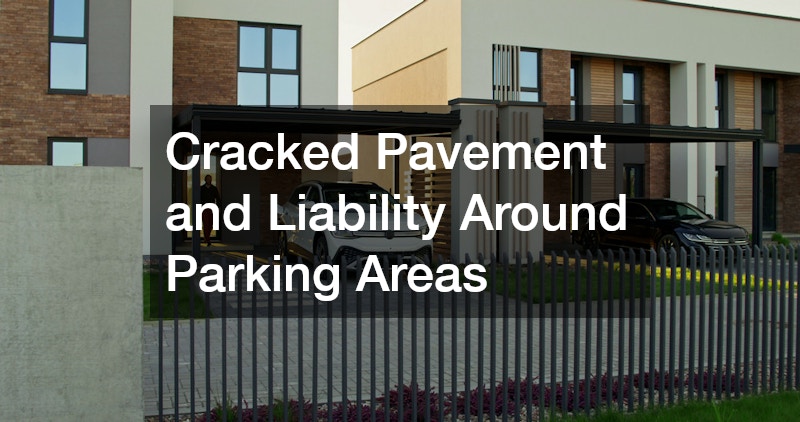
For multi-unit properties, the parking lot is often the most overlooked system on the entire lot, yet it is one of the biggest liability exposures a landlord carries. Potholes and heaving asphalt do not just look bad, they create tripping and vehicle damage risks that can lead to lawsuits. Investing in parking lot paving on a regular resealing schedule protects both the surface and your legal exposure, and it is far less expensive than a full reconstruction after years of freeze-thaw cracking.
Drainage is usually the root cause of pavement failure, since standing water works its way into small cracks and expands them with every temperature swing. A property that pools water near entrances or parking spaces needs grading attention before the pavement itself is addressed, or any repaving investment will fail again within a few seasons.
- Reseal asphalt every two to three years to slow water intrusion
- Repaint faded lines and handicap markings for compliance
- Fill cracks promptly before winter freeze cycles widen them
- Grade low spots so water flows toward drains, not building foundations
Outdated Interiors That Push Tenants to Leave
Income loss is not always dramatic; sometimes it is a slow leak caused by a property that feels tired compared to newer rentals nearby. Outdated kitchens, worn flooring, and old fixtures give tenants a reason to leave the moment their lease is up, and re-renting a unit always costs more than retaining a good tenant. Bringing in home renovation contractors for a strategic update, rather than a full remodel, can meaningfully change how competitive a unit is in the local rental market.
The goal is not luxury finishes but durability and visual freshness, since rental units take more wear than owner-occupied homes. Smart owners focus renovation dollars on the areas tenants notice first, like kitchens, bathrooms, and flooring, rather than cosmetic details that do not affect rent price.
- Prioritize flooring that resists scratches and moisture
- Update lighting fixtures for an inexpensive visual upgrade
- Replace worn cabinet hardware before repainting entire kitchens
- Compare rent prices of renovated versus unrenovated comparable units
Insect and Rodent Problems That Trigger Lease Violations
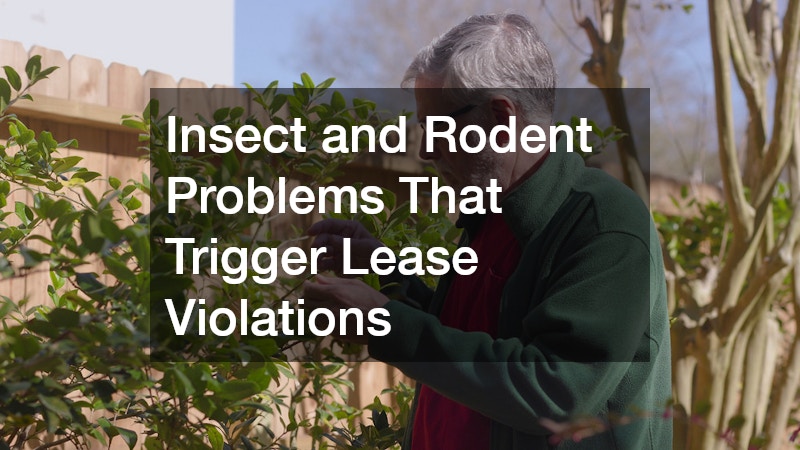
Pest issues escalate quickly in rental properties because one infested unit can spread to neighboring units through shared walls, plumbing chases, and attics. Tenants have legal habitability rights in most states, and an unresolved pest problem can become grounds for withholding rent or breaking a lease entirely. Scheduling regular pest control service, rather than waiting for a tenant complaint, keeps small problems from becoming building-wide infestations.
Certain pests cause damage beyond nuisance value, including termites and carpenter ants that quietly weaken structural wood over years. A property with a documented pest prevention schedule is also more attractive to prospective tenants who have dealt with infestations at previous rentals.
- Seal exterior gaps and utility penetrations where pests enter
- Address moisture issues that attract insects and rodents
- Inspect crawlspaces and attics during routine turnovers
- Keep dumpster areas clean to avoid attracting rodents
Pool Maintenance Costs That Catch New Owners Off Guard
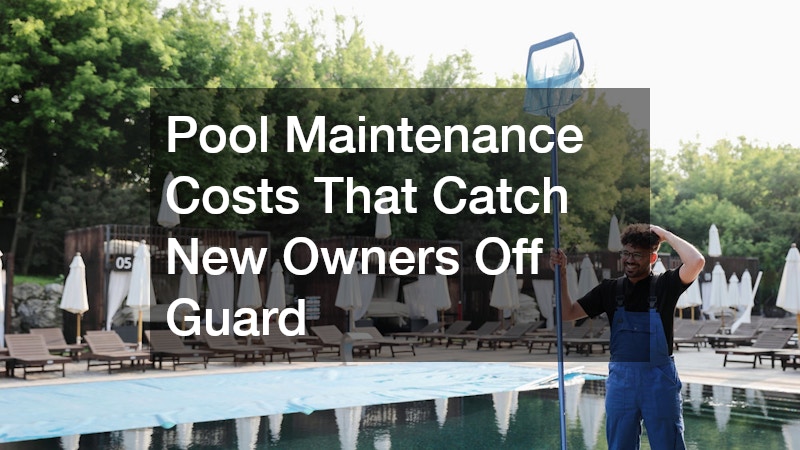
Properties with swimming pools in the amenity package can command higher rent, but they also carry ongoing costs that surprise first-time rental owners. Chemical balancing, filtration system upkeep, and seasonal opening and closing all require budget lines that many owners underestimate when they first calculate potential rental income. A neglected pool does not just look bad, it becomes a liability and health code issue that can shut the amenity down entirely.
Insurance premiums are also higher for properties with pools, and safety compliance, including fencing and self-latching gates, is often mandated by local law. Owners who factor these ongoing costs into their rent pricing upfront avoid the shock of an unprofitable amenity a year or two into ownership.
- Budget for chemicals, filter replacement, and pump repairs
- Check local code requirements for fencing and signage
- Plan for seasonal opening and winterizing costs
- Verify insurance coverage specifically addresses pool liability
Fire and Smoke Damage That Halts Rent Collection Completely
A fire, even a small one contained to a single room, can take a unit offline for months while repairs, permits, and inspections work through the process. Beyond the visible damage, smoke odor and soot can penetrate insulation, ductwork, and framing in ways that require specialized remediation before a unit is livable again. Owners dealing with fire damage should contact their insurance carrier immediately and document everything before cleanup begins, since delays or missed documentation can significantly reduce claim payouts.
Rent loss during restoration is often the most expensive part of the entire event, since many landlord insurance policies only cover a portion of lost income and only for a limited time. Working with contractors experienced specifically in fire restoration, rather than general renovation, ensures the work meets code and passes inspection on the first attempt.
- Photograph all damage before any cleanup or repairs begin
- Confirm whether your policy includes loss-of-rent coverage
- Use restoration specialists familiar with smoke odor remediation
- Keep tenants informed of realistic repair timelines
Garage Doors That Create Safety and Access Complaints
For rentals with attached garages, a malfunctioning door is more than an inconvenience, it is a security gap and liability risk that tenants report quickly. Broken springs, misaligned tracks, and failing openers are common in older units and tend to worsen fast once they start slipping. Calling one of the reputable garage door repair companies at the first sign of grinding noise or uneven movement usually costs far less than replacing an entire door system after a spring snaps.
Garage doors are also a common source of tenant injury claims, since heavy doors that fail can cause serious harm if safety sensors are not functioning correctly. Routine testing of auto-reverse sensors during turnover inspections is a simple step that protects both tenant safety and landlord liability.
- Test auto-reverse safety sensors every few months
- Lubricate rollers and tracks to prevent premature wear
- Replace worn springs before they snap and damage the door panel
- Include garage function checks in every tenant move-out inspection
Window Treatments and Exterior Cladding That Affect Efficiency
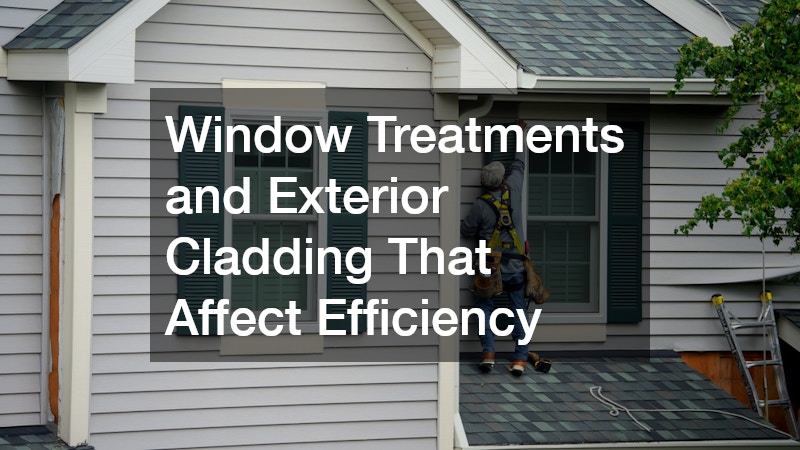
Energy efficiency complaints are increasingly common among renters, especially in older properties with single-pane windows and minimal insulation. Drafty frames and thin glazing drive up utility bills, and tenants who feel that discomfort tend to complain loudly or, worse, break their lease early once a cheaper option becomes available. Installing durable plantation shutters can improve insulation slightly while also giving units a more polished, higher-end appearance that supports stronger rental listings. The thicker louvers and snug frame fit create a small but real air barrier compared to flimsy mini-blinds, which can help stabilize interior temperatures during extreme heat or cold. That same tight fit also reduces noise transfer from busy streets, a detail that matters in urban units where tenant turnover is often tied to sleep complaints. Since shutters last for years with minimal maintenance, they are a practical middle-ground upgrade between cheap blinds and full window replacement. Unlike vinyl blinds, which typically need replacing every two to three years due to bent slats or broken pull cords, quality shutters can outlast several tenancies with nothing more than occasional dusting. Cladding deserves equal attention, since gaps, warping, or missing panels around window frames let conditioned air escape and moisture seep into wall cavities. Landlords who pair shutter upgrades with a quick inspection of exterior trim and caulking often see a more noticeable drop in energy complaints than shutters alone would deliver.
Windows aren’t the only culprit behind high utility bills and tenant complaints — exterior siding plays an even bigger role in energy performance and curb appeal. Aging or damaged siding often signals deeper moisture problems behind the walls, including waterlogged sheathing, mold growth, or insulation that has compressed and lost its R-value. By the time you notice bubbling, warping, or a musty smell in a unit, the damage may already extend well past the surface. Vinyl siding replacement is frequently more cost effective than repeated patch repairs, particularly on properties where the existing siding is warped, faded, or cracked in multiple areas. Spot repairs rarely match the original color once sun exposure has faded the rest of the exterior, and mismatched panels can make a property look neglected even when the underlying repair was done correctly. Full replacement also gives you the opportunity to add a continuous layer of house wrap or rigid foam insulation, which can meaningfully cut heating and cooling costs across every unit. Budget-wise, most rental property owners see vinyl siding replacement costs land between $6 and $12 per square foot installed, depending on material thickness and regional labor rates — a number worth weighing against the ongoing cost of emergency patch jobs and the energy waste from gapped or warped panels. A refreshed exterior also tends to attract better-qualified applicants during the leasing process. First impressions form before a prospective tenant ever steps inside, and siding that looks clean, straight, and well-maintained signals that the rest of the property is likely cared for with the same attention.
- Inspect siding annually for warping, cracking, moisture stains, or bubbling paint that signal water intrusion behind the surface
- Check caulking and flashing around windows and doors, since gaps here let drafts and moisture undermine both siding and interior efficiency
- Compare patch repair costs against full replacement over a five-year span, factoring in rising labor rates and potential energy savings from new materials
- Consider insulated siding options in colder climates, which can cut heating costs by improving R-value while also reducing noise transfer
- Weigh fiber cement or vinyl against wood siding for long-term maintenance costs, especially in high-moisture or coastal regions
- Choose window treatments that balance durability with tenant appeal, such as faux-wood blinds that resist warping and are easy to clean
- Opt for cordless or motorized shades in units with young children to meet safety standards and reduce liability
- Replace treatments between tenants only when damaged, but standardize on one style and color to simplify inventory and repairs
Rental income rarely disappears all at once; it erodes through deferred maintenance, ignored warning signs, and systems that fail at the worst possible moment. The good news is that nearly every issue covered here is predictable and preventable with a regular inspection schedule and a realistic maintenance budget. Start by walking your property this month and identifying which of these systems is closest to the end of its lifespan. A little proactive spending now is almost always cheaper than the emergency repair and lost rent that follows a system failure later.