Every rental property owner knows the big-ticket expenses: mortgage, insurance, property taxes. But the costs that quietly drain your monthly cash flow are often the ones you never think about until something breaks. Hidden systems like water heaters, roofs, septic lines, and outdoor structures wear down slowly and silently, then hit you with a repair bill that erases months of profit. Understanding what these systems are and how to maintain them is the difference between a rental that pays for itself and one that constantly surprises you.
Water Heating and Fuel Delivery Costs

Many rental properties, especially those in rural or suburban areas without natural gas lines, rely on alternative fuel sources to heat water and power appliances. If your property uses a tank-based system, the delivery contract and fuel pricing can quietly chip away at your operating margin if you are not reviewing it annually. Landlords who bundle utilities into rent often absorb these costs without realizing how much they have crept up over time.
Propane is one of the most common alternative fuels used in rental properties for water heaters, furnaces, and stoves, and prices can fluctuate significantly by season and region. Locking in a fixed-rate contract or shopping around for a new supplier every couple of years can save hundreds of dollars annually. Tenants who are responsible for their own propane costs should also be informed of tank ownership versus lease arrangements, since that affects who pays for maintenance.
Roof Condition and Long Term Wear
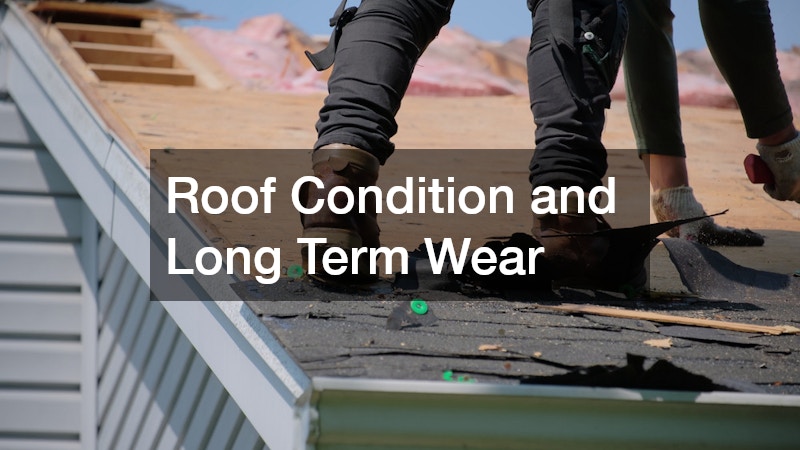
Roofing is one of the most expensive systems to replace, yet it is also one of the easiest to ignore because damage often happens out of sight. A full roof replacement on a typical rental can run anywhere from $8,000 to $20,000 depending on materials and square footage, which is exactly why landlords put off inspecting it until something forces the issue. Small issues like curling shingles, flashing gaps, or moss growth can lead to leaks that damage insulation, drywall, and electrical systems before a tenant ever reports a problem. Moss and algae in particular hold moisture against the shingle surface, quietly breaking down the granules that protect the roof from UV and water damage. Flashing around chimneys, vents, and skylights fails even more often than the shingles themselves, since caulking and seals degrade years before the roofing material does. A minor repair costing a few hundred dollars can turn into a multi-thousand-dollar interior repair if ignored for even one rainy season. Water that enters through a small gap doesn’t just stain a ceiling; it can travel along joists and wiring, creating mold problems and electrical hazards far from the original leak point. Most asphalt shingle roofs last 20 to 25 years, but that lifespan drops significantly with poor attic ventilation, ice dam buildup, or a history of deferred maintenance. A simple twice-yearly visual inspection, ideally in spring and fall, can catch these problems while they still cost a few hundred dollars instead of several thousand.
Scheduling an annual inspection with a local roofer is one of the most cost-effective habits a rental property owner can adopt. A professional can spot early warning signs that are invisible from the ground, such as cracked flashing, curling shingles, or granule loss in the gutters, and give you a realistic timeline for how many years you have left before a full replacement is needed. Most asphalt shingle roofs last between 15 and 25 years depending on climate and installation quality, so knowing where your roof falls in that lifespan changes how you plan your finances. This kind of proactive planning also helps you budget for the expense instead of scrambling for financing after a leak has already caused damage. A sudden roof failure can mean emergency repair costs several times higher than a planned replacement, plus the added expense of addressing water damage to insulation, drywall, or a tenant’s belongings. It’s also worth asking your local roofer for a written report after each visit, noting specific problem areas and photos. That documentation becomes valuable when you’re comparing quotes for future repairs, filing an insurance claim, or simply tracking how quickly wear is progressing year over year.
- Check attic spaces for water stains, dark trails, or daylight coming through the roof deck, especially near vents and chimneys
- Look for sagging deck boards or soft spots, which often signal rot before leaks become visible from inside
- Clear debris from valleys and flat sections after storms to prevent pooling and premature membrane wear
- Ask your inspector about the remaining lifespan of the current roofing material — asphalt shingles typically last 15-20 years, metal roofs 40-70 years
- Track granule loss in gutters, a common early warning sign that shingles are nearing the end of their service life
- Keep documentation of past repairs, warranties, and inspection reports for insurance claims and resale purposes
- Schedule a professional inspection every 1-2 years, and always after major hail or windstorms
Septic and Wastewater System Maintenance
Properties not connected to municipal sewer lines depend on septic tank systems to manage wastewater, and these systems require far more attention than most owners realize. Sludge and scum layers build up over time, and if the tank is not pumped on a regular schedule, solids can flow into the drain field and cause a backup that is expensive and disruptive to fix. Tenants often do not know how to properly care for a septic system, so landlords need to provide clear guidance on what should never go down the drain.
A neglected septic system does not just cost money to repair, it can also create health hazards and property value issues that follow you into a future sale. Most systems need pumping every three to five years depending on household size and usage patterns, and a professional inspection can catch early signs of drain field failure. Building this cost into your annual maintenance budget prevents it from becoming an emergency expense that eats into a full month of rental income.
Exterior Siding and Surface Protection
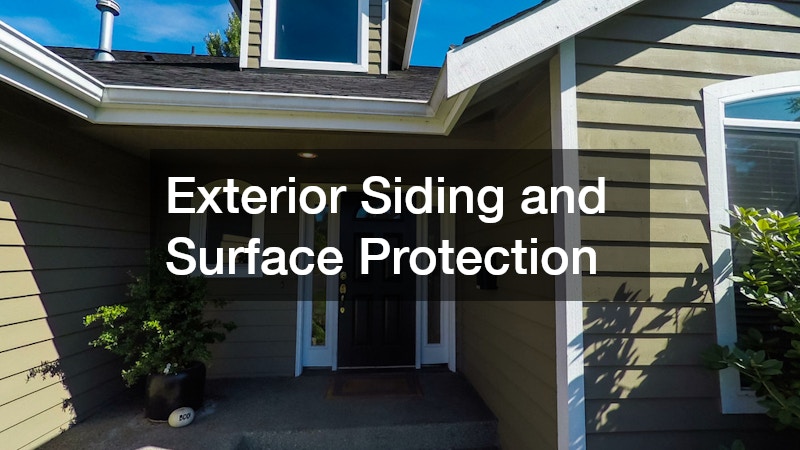
The exterior surfaces of a rental property take a beating from sun, rain, and pollution, and over time this leads to fading, staining, and material degradation that lowers curb appeal and tenant satisfaction. Many owners underestimate how much a well-maintained exterior contributes to attracting reliable tenants who are willing to pay market rent. Protecting surfaces before damage sets in is almost always cheaper than restoring them afterward.
Applying a ceramic coating to certain exterior surfaces, fixtures, or even outdoor furniture has become a popular way to extend the life of materials that would otherwise need frequent repainting or replacement. This type of protective layer resists UV damage, moisture, and staining, which reduces how often you need to schedule cosmetic touch-ups between tenants. For owners managing multiple units, small investments like this add up to meaningful savings over several years.
Interior Flooring Wear and Replacement Cycles

Flooring takes more daily abuse than almost any other feature in a rental unit, and replacing it between tenants is one of the most predictable recurring costs landlords face. Carpet, laminate, and vinyl all have different lifespans, and choosing the wrong material for a high-turnover property can mean replacing floors far more often than necessary. Durability should be weighed against cost just as heavily as appearance when selecting materials for a rental.
Working with experienced flooring businesses to select commercial-grade materials designed for rental use can significantly extend the time between replacements. Many of these companies offer products specifically rated for high foot traffic that hold up better against moisture, pet damage, and scratching than standard residential options. Getting a professional opinion before a renovation can help you avoid paying twice for a mistake made the first time around.
Outdoor Amenities and Structural Upkeep
Properties with pools or other outdoor amenities often attract higher rent, but they also come with maintenance obligations that many owners underestimate when they first acquire the property. A pool that is not properly maintained can develop cracked tiles, failing pumps, or surface staining that eventually requires a full renovation rather than a simple repair. These amenities need to be factored into your maintenance budget as a recurring line item, not an occasional expense.
When a pool starts showing significant wear, working with established pool remodeling companies can restore both function and appearance while potentially improving energy efficiency through updated equipment. Resurfacing, replastering, and updating filtration systems are all investments that protect the amenity’s value and keep tenants satisfied enough to renew their lease. Deferring these repairs too long often results in the pool becoming unusable, which can lower your property’s rental appeal significantly.
Driveway, Deck, and Exterior Surface Cleaning
Dirt, algae, and grime accumulate on driveways, walkways, decks, and siding faster than most owners expect, especially in humid climates or properties surrounded by trees. Left untreated, this buildup can cause surfaces to become slippery and even accelerate material degradation, leading to costly repairs down the line. Regular cleaning is one of the most affordable ways to maintain curb appeal and extend the life of exterior surfaces.
Scheduling routine pressure washing between tenants or seasonally throughout the year keeps a property looking well cared for without a major investment of time or money. This service is particularly effective on concrete, vinyl siding, and wood decking, all of which are prone to mold and mildew buildup in shaded or damp areas. A clean exterior also creates a strong first impression during showings, which can help reduce vacancy periods between tenants.
Chimney and Fireplace Safety Checks
Rental properties with fireplaces or wood-burning stoves carry an added maintenance responsibility that is frequently overlooked until a safety inspection or insurance claim brings it to light. Creosote buildup inside a chimney is a leading cause of house fires, and cracked mortar or damaged flashing around the chimney can also lead to water intrusion that damages surrounding walls and ceilings. These issues tend to develop slowly, which makes them easy to miss during a routine walkthrough.
Scheduling professional chimney repair and cleaning at least once a year protects both the property and the tenants living inside it. A qualified technician can identify structural cracks, blockages, or ventilation issues before they become safety hazards or expensive repairs. If a unit’s fireplace is purely decorative or unused, it is still worth having it inspected periodically to ensure it is properly sealed and not contributing to energy loss.
Gutter and Drainage System Function
Gutters play a critical role in directing water away from a property’s foundation, roofline, and siding, yet they are one of the most neglected systems because they are rarely visible from ground level. Clogged or damaged gutters can cause water to pool near the foundation, leading to basement leaks, soil erosion, and even structural settling over time. This kind of damage often develops gradually, making it easy to overlook until repair costs climb into the thousands.
Investing in a professional gutter installation service that includes guards or screens can drastically reduce how often you need to clean and maintain the system going forward. Upgraded gutters are also better equipped to handle heavy rainfall without overflowing, which protects your landscaping, siding, and foundation from water damage. For owners managing several properties, this upfront investment often pays for itself within a few years by preventing more costly water-related repairs.
Landscaping and Tree Related Risks
Mature trees add value and curb appeal to a rental property, but they also carry risks that many owners do not consider until a storm causes damage or a tenant reports a safety concern. Overhanging branches can damage roofing, gutters, and siding, while root systems can interfere with septic lines, driveways, and foundations if left unmanaged. Regular assessment of tree health and placement is an important part of protecting the rest of your property’s systems.
When a tree becomes diseased, dead, or dangerously close to structures, hiring tree removal companies promptly can prevent far more expensive damage down the line. Waiting until a storm brings a large branch or entire tree down onto the roof or a parked vehicle almost always costs more than proactive removal would have. Regular trimming and periodic professional evaluations help you catch problems while they are still manageable and inexpensive to address.
Protecting your rental income does not require a massive renovation budget, but it does require awareness of the systems working quietly behind the scenes. A consistent schedule of inspections and maintenance across roofing, plumbing, exterior surfaces, and outdoor features will save you far more than it costs over the life of your investment. Start by walking your property with a checklist of these hidden systems in mind, and address the smallest issues before they grow into the expenses that quietly eat away at your monthly returns.