
Selling a home is about more than fresh paint and curb appeal, it is about proving to buyers that the systems behind the walls and beneath the yard are trustworthy. Skipping a thorough pre-listing inspection can lead to failed appraisals, renegotiated prices, or deals that fall apart entirely. This guide walks you through the critical systems that deserve a close look before you put a sign in the yard. Taking the time now can save you thousands in last-minute repairs and buyer objections later.
Roof and Window Integrity
The roof and windows are often the first things a home inspector examines, and any visible wear can immediately raise red flags for buyers. Look for missing shingles, soft spots, or signs of water intrusion around flashing and vents, since these issues tend to snowball if left unaddressed. Windows should be checked for proper sealing, functioning locks, and energy efficiency, as drafty or foggy panes are an easy giveaway of neglect.
When replacing or repairing windows before a sale, it helps to look for products that carry aama certification, which confirms they meet recognized standards for air, water, and structural performance. Buyers and their agents increasingly ask about this kind of documentation, especially in regions with strict energy codes. Having proof of certified materials can also strengthen your listing description and justify a higher asking price.
- Inspect shingles for curling, cracking, or granule loss
- Check attic spaces for water stains or daylight coming through the roof deck
- Test all windows for smooth operation and tight seals
- Confirm any recent window replacements meet aama certification standards
- Look at gutters and downspouts for proper drainage away from the foundation
Outdoor Structures and Decking
A deck or porch can be a major selling point, but only if it is structurally sound and visually appealing. Loose railings, warped boards, and rusted fasteners are common problems that buyers notice right away, even if they are not inspecting the home professionally. Before listing, walk the entire structure and press on boards to check for soft spots or movement that could indicate rot underneath.
If repairs go beyond simple maintenance, it may be worth consulting deck builders who can assess whether the structure needs reinforcement or a full rebuild. Professionals can also advise on whether your deck meets current local building codes, which matters for both safety and resale value. A well-maintained deck often becomes a highlighted feature in listing photos, so it is worth the investment to get it right.
- Check for wood rot, splintering, or insect damage
- Test railings and stairs for stability
- Look for rust or corrosion on metal connectors and fasteners
- Confirm the deck was built or repaired to current code requirements
Driveway and Paved Surfaces
Cracked or crumbling pavement is one of the first things a potential buyer sees when pulling up to a home, and first impressions matter more than most sellers realize. Small cracks can widen quickly with freeze-thaw cycles, so addressing them early prevents a larger and more expensive problem down the line. Uneven surfaces can also become tripping hazards, which is a liability concern during open houses and showings.
Hiring a company that specializes in asphalt repair before listing can smooth out surface imperfections and extend the life of the driveway without a full replacement. Sealcoating is another affordable option that improves appearance and protects against water damage. Buyers often associate a clean, well-kept driveway with a home that has been generally well cared for throughout.
- Fill hairline cracks before they widen into potholes
- Reseal asphalt surfaces every two to three years
- Check for proper drainage slope away from the garage or house
- Address any oil stains or discoloration for better curb appeal
Heating and Cooling Performance

A functioning HVAC system is one of the most scrutinized components during a home sale, since replacement costs can run into the thousands. Buyers and inspectors will want to know the age of the furnace and air conditioning unit, along with maintenance history. If your system is older than fifteen years or has a history of frequent repairs, it may be worth addressing before listing rather than leaving it as a bargaining chip for the buyer.
Scheduling a tune-up with a licensed hvac company can uncover small issues, like a dirty coil or a failing capacitor, before they become deal-breaking discoveries during a buyer’s inspection. Many companies offer pre-sale inspection reports that you can share directly with potential buyers to build trust. Demonstrating a well-maintained system can also justify a stronger negotiating position when offers come in.
- Replace air filters and clean vents before showings
- Request a written service report from a licensed technician
- Check thermostat programming and battery backups
- Note the age of the unit and any warranty transferability
Water Quality and Plumbing Systems
Plumbing issues are notorious for scaring off buyers, since hidden leaks or corroded pipes can lead to costly repairs down the road. Before listing, run every faucet, flush every toilet, and check under sinks for signs of moisture or mineral buildup. Water pressure should be consistent throughout the home, and any unusual smells or discoloration should be investigated immediately.
If your home relies on well water or has known hard water issues, installing or servicing water filtration systems can be a meaningful selling point for health-conscious buyers. Clean, well-filtered water is increasingly a feature buyers look for, especially in areas with known contaminants or aging municipal infrastructure. Highlighting this upgrade in your listing can help differentiate your home from others on the market.
- Inspect exposed pipes for corrosion or leaks
- Test water pressure in multiple rooms
- Consider a professional water test if you have well water
- Document any recent upgrades to filtration or softening equipment
Backup Power and Electrical Reliability
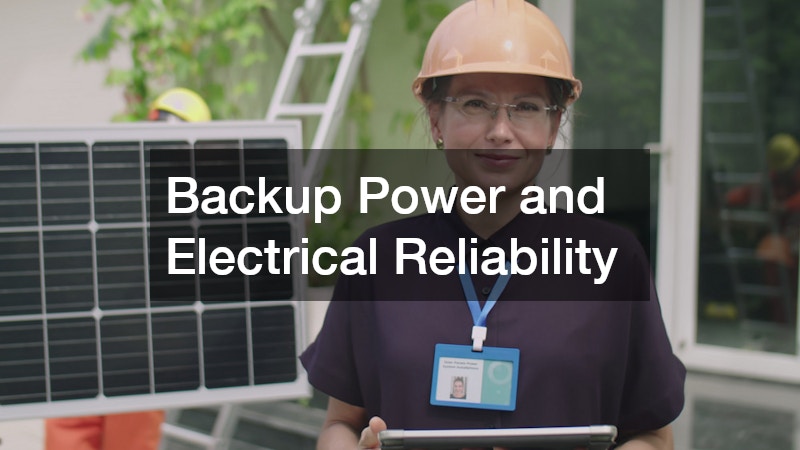
Power outages are becoming more common due to extreme weather, and buyers are increasingly interested in homes with reliable backup options. An outdated electrical panel or lack of surge protection can also be a red flag during inspection, so it is worth having an electrician review the system before listing. Even small upgrades, like adding additional outlets or replacing old wiring, can improve buyer confidence.
For sellers in areas prone to storms or grid instability, whole house generators installation can be a strong differentiator in a competitive market. A properly installed generator not only adds convenience but can also be marketed as a premium feature that justifies a higher asking price. Be sure to keep documentation of the installation and maintenance schedule to share with prospective buyers.
- Have an electrician inspect the panel for outdated fuses or breakers
- Test smoke and carbon monoxide detectors throughout the home
- Confirm generator installation meets local permitting requirements
- Keep maintenance records handy for buyer review
Pool and Backyard Amenities
If your property includes a pool, it needs to be in excellent working condition before you list, since a neglected pool can quickly become a liability in a buyer’s eyes. Cracked tiles, cloudy water, or a malfunctioning pump are common issues that can raise concerns about ongoing maintenance costs. Buyers will also want to know that safety features, like fencing and covers, meet local code requirements.
Reaching out to established pool companies for a pre-sale inspection can help identify hidden issues, such as leaks in the liner or problems with the filtration system. Getting these issues resolved ahead of time prevents last-minute negotiations that could delay closing. A sparkling, well-documented pool can be a major selling point rather than a source of buyer hesitation.
- Check pump and filter systems for proper function
- Inspect tile and coping for cracks or shifting
- Confirm fencing and gates meet local safety codes
- Test water chemistry and clarity before showings
Landscaping and Tree Health

Overgrown trees and shrubs can obscure a home’s best features and even pose safety risks if branches hang too close to the roof or power lines. Before listing, walk your property and identify any trees that show signs of disease, leaning, or dead limbs. Watch for cracked bark, fungal growth at the base, hollow-sounding trunks, or canopies that have thinned out unevenly, since these are common indicators of internal decay that isn’t always visible from a distance.
Pay particular attention to branches within 10 feet of the roofline or chimney, as well as any limbs overhanging power lines, since most utility companies will require these to be trimmed regardless of who owns the tree. If a tree leans more than 15 degrees from vertical or has roots visibly heaving out of the ground, it may need to be evaluated by a certified arborist before it becomes a liability during a home inspection.
These issues are not just cosmetic, they can affect a home’s insurability and a buyer’s willingness to make an offer. Some insurers will flag or deny coverage for properties with large dead trees near the structure, and buyers’ inspectors often note hazardous trees as a negotiation point. Addressing removal or trimming before listing photos are taken can also make a meaningful difference in curb appeal and first impressions.
In some cases, tree removal is the safest and most cost-effective solution, especially for trees with extensive root damage, fungal decay, or visible structural instability like leaning trunks or split limbs. A certified arborist can assess whether a tree is salvageable through pruning or cabling, or whether it poses enough risk to warrant removal, typically costing $400 to $1,500 depending on size and location. Removing a hazardous tree before listing can prevent a buyer’s inspector from flagging it as a liability during negotiations, which could otherwise delay closing or trigger a price reduction.
Roots pushing up sidewalks, driveways, or foundations deserve particular attention, since these issues often signal costly repairs down the line. A cleaner, more open yard also tends to photograph better for online listings, which is often a buyer’s first impression of the property. Trimming overgrown shrubs, mulching beds, and ensuring healthy grass coverage can further boost curb appeal without major investment.
- Trim branches at least 6-10 feet away from the roofline and power lines to prevent damage and reduce fire risk
- Remove dead or diseased trees before they become safety hazards or drop limbs during storms
- Check root systems for damage to foundations, sidewalks, or driveways, especially near fast-growing species like maples or willows
- Watch for cracked pavement or heaving soil near the base of trees, which can signal invasive root growth
- Consider professional consultation for large or aging trees, particularly those over 30 feet tall or showing signs of decay
- Schedule an arborist inspection if branches overhang the house or garage, since this can affect insurability and buyer confidence
Renovation Projects Worth Completing First

Not every home needs a full renovation before listing, but unfinished projects can make buyers nervous about hidden costs. Half-completed kitchens, exposed wiring, or missing trim work signal to buyers that other corners may have been cut throughout the home. It is often better to finish or professionally close out any open projects rather than leave them for the new owner to sort out.
Bringing in licensed remodeling contractors to complete outstanding work ensures the job meets code and looks polished for showings. This is especially important for kitchens and bathrooms, which tend to have the biggest impact on a buyer’s first impression and perceived value. A finished, move-in ready home typically sells faster and closer to asking price than one with visible unfinished work.
- Finish any partially completed rooms before listing
- Ensure all work meets local permitting requirements
- Focus on kitchens and bathrooms for the best return on investment
- Keep receipts and permits to show buyers proof of completed work
Managing Repairs and Showings Smoothly
Coordinating multiple repair projects at once can create logistical challenges, especially if contractors need extended access to the property while you are still living there or hosting showings. Planning a realistic timeline helps avoid overlapping work that could disrupt open houses or buyer walkthroughs. It also helps to communicate clearly with each contractor about deadlines tied to your listing date.
For larger projects involving extended construction crews, renting porta potties can keep the worksite sanitary and convenient without requiring workers to use the home’s bathrooms. This small logistical step keeps the home cleaner for showings and reduces wear on your plumbing fixtures during the repair phase. It is a simple but often overlooked detail that helps keep a renovation project running smoothly until closing day.
- Schedule major repairs well before your listing date
- Coordinate contractor access to avoid overlapping projects
- Use temporary facilities to keep worksites clean during repairs
- Communicate timelines clearly with your real estate agent
Preparing a home for sale is ultimately about building buyer confidence, and that confidence starts with the systems they cannot always see at first glance. By methodically checking the roof, decking, driveway, HVAC, plumbing, backup power, pool, landscaping, and any unfinished renovations, you put yourself in a stronger negotiating position from day one. Taking these steps early gives you time to make thoughtful repairs rather than rushed fixes under buyer pressure. Start with a walkthrough this week, prioritize the most pressing issues, and you will be ready to list with confidence.